News & stories

Related news
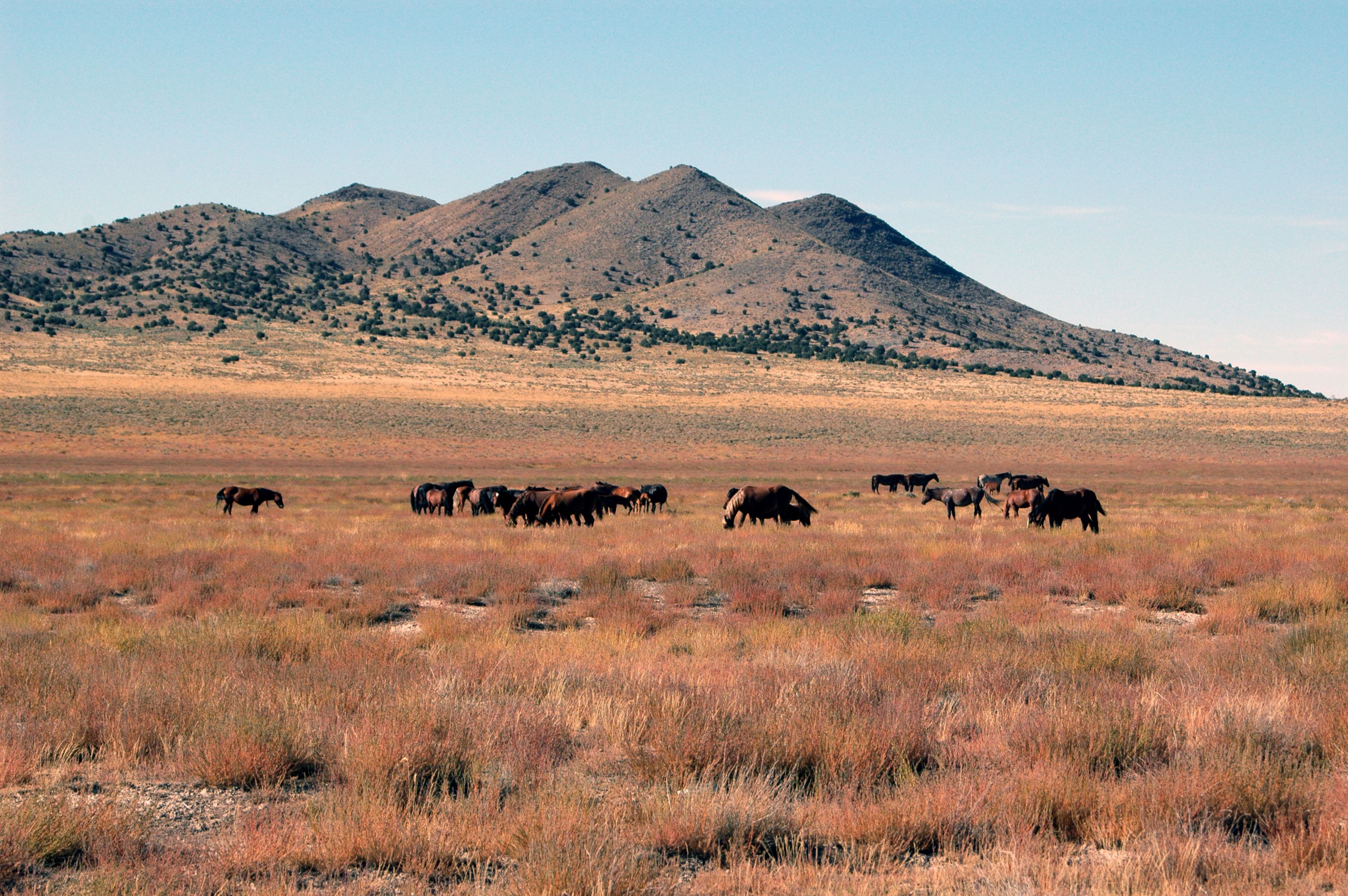


From the Arctic tundra to the steppe, signs of soil fatigue, erosion and degradation are emerging — and with them, a warning: no region is immune. Land degradation is no longer a remote concern confined to arid zones — it has become a shared, urgent global crisis. Countries with vastly different climates, geographies and land use systems are now grappling with its impacts. The evolving understanding that land degradation transcends climate zones, with implications for food security, climate resilience and economic stability across continents, has placed the issue firmly on the global agenda. Recognizing this, the UNCCD — the only legally binding international agreement focused on land and soil — is prioritizing collaboration across regions and sectors to successfully address these challenges. Russia, once perceived as largely outside the desertification-prone zones, is now facing land degradation on multiple fronts. Although deserts make up only a small fraction of its vast territory, 85 per cent of the country’s primary agricultural production relies on just 7 per cent of the land — land that is now showing signs of vulnerability. In 2023 alone, 1.1 million hectares were officially recognized as disturbed, with the area expanding by 42,000 hectares each year. Industrial activity is the dominant factor, with agriculture contributing 18 per cent of the degradation. These realities were the backdrop to a recent roundtable at the UN House in Moscow, convened to reflect on the outcomes of UNCCD’s 16th Conference of the Parties (COP16) and their relevance for Russia. Organized by the Nature and People Foundation — the first and only accredited Russian observer to the Convention — the meeting brought together stakeholders from government, academia, civil society and international organizations. One of the roundtable’s core messages echoed a major takeaway from COP16: land degradation must be addressed across all ecosystems, including boreal and Arctic regions. Russian scientists noted that methodologies initially designed to assess desertification in drylands are now being effectively adapted to northern environments. This evolving approach reflects the latest science, which connects soil health, climate resilience, biodiversity and food security in a synergetic framework. Representing the UNCCD, the Chief of Science, Technology and Innovation Mr. Johns Muleso Kharika noted that “the shift from dealing exclusively with desertification and drought to addressing the silent crisis that is land degradation in all ecosystems demonstrates a strategic evolution in addressing the problem. The Convention engages a wide range of countries who face land degradation caused by deforestation, urban sprawl, soil erosion and other polluting factors,” he added, emphasizing the role of science as a key factor in shaping future-facing solutions. Nikolay Doronin, First Deputy Chairman of Russia’s Public Chamber Commission on Ecology, highlighted that in 2023, 1.1 million hectares of land were classified as damaged— 0.06 per cent of Russia’s area, exceeding the size of Cyprus or Lebanon and comparable to Qatar. This area is growing by 42,000 hectares annually, with 18 per cent located in agricultural zones. New technologies — including satellite monitoring, advanced planting materials and biotech-based restoration techniques — are becoming essential tools. Russia’s scientific institutions are contributing to emerging approaches in land monitoring, classification and adaptive restoration. But the impact of these efforts depends on national coordination, investment and political will. Private sector engagement was another theme, with businesses urged to take greater responsibility for the lands they affect — particularly given that many degraded areas fall within or near industrial zones. The message was clear: land degradation is not someone else’s problem — and reversing it demands responsibility and action from all sectors. Looking ahead to COP17 in Mongolia, Russian organizations are already preparing new inputs — including scientific findings and policy recommendations — drawing on their experience in land monitoring, scientific exchange and cross-sectoral planning. The roundtable made it clear that land degradation is no longer seen as a fringe issue. As the Convention’s agenda continues to evolve and as land degradation increasingly transcends national and ecological boundaries, one conclusion stands out: desertification is no longer a localized issue — and Russia is bringing both long-standing commitment and fresh scientific insight to the table. Land degradation knows no borders. And neither should the solutions. For more about the meeting, follow this link. Photo (c): naturepeople.org

Bonn, Germany, 18 February 18, 2025 – A landmark collaboration is taking shape in the global fight against land degradation. The United Nations Convention to Combat Desertification (UNCCD) and the Global Green Growth Institute (GGGI) have signed a Memorandum of Understanding (MoU) to accelerate efforts in sustainable land and water management, biodiversity conservation and climate resilience in support of the sustainable development agenda. A partnership for sustainable growth Land degradation, desertification and drought pose critical challenges worldwide, affecting ecosystems, economies and communities. Recognizing the urgency of these issues, UNCCD and GGGI are joining forces to create innovative solutions that integrate environmental sustainability with economic growth. This collaboration is firmly rooted in the 2030 Agenda for Sustainable Development and the objectives of the Rio Conventions, ensuring a holistic approach to sustainable land management. Under the MoU, UNCCD and GGGI will leverage their expertise to: Develop and implement joint programs focused on sustainable land and water management, biodiversity conservation and climate resilience. Enhance resource mobilization efforts to secure funding and technical support for land restoration initiatives. Engage the private sector to drive investment and technical innovation in sustainable land management projects. Promote knowledge-sharing and capacity-building through training programs, policy dialogues and best practice exchanges. Design green investment strategies to support countries in achieving Land Degradation Neutrality (LDN) and drought resilience targets. A shared vision for impactful action By working together, UNCCD and GGGI aim to unlock new opportunities for land restoration and ecosystem conservation. Their collaboration will also extend to joint advisory services, feasibility studies and publications that inform and inspire action on the ground. “I am pleased to announce this strategic partnership between UNCCD and GGGI, which marks a significant step in our collective efforts to combat land degradation, enhance biodiversity conservation and build resilience against climate change," stated Ibrahim Thiaw, UNCCD Executive Secretary. "This MoU is a testament to our shared commitment to a future where land is valued, protected and restored for the benefit of people and the planet.” GGGI Director-General Sang-Hyup Kim echoed this sentiment: 'The collaboration with UNCCD reflects GGGI’s strong commitment to land restoration and biodiversity conservation. This partnership will not only shed light on the financial and policy elements. GGGI looks forward to a powerful collaboration with UNCCD to tackle climate challenges related to land degradation, water management and drought.'" Looking ahead: Turning ambition into action As the world faces escalating environmental challenges, the partnership between UNCCD and GGGI represents a critical step forward. With a shared mission to create sustainable, climate-resilient landscapes, their collaboration will support countries in transforming policies into tangible action, ensuring that economic development is both environmentally sustainable and socially inclusive. Media contact: press@unccd.int About UNCCD The United Nations Convention to Combat Desertification (UNCCD) is an international agreement on good land stewardship. It helps people, communities and countries create wealth, grow economies and secure enough food, clean water and energy by ensuring land users an enabling environment for sustainable land management. Through partnerships, the Convention’s 197 parties set up robust systems to manage drought promptly and effectively. Good land stewardship based on sound policy and science helps integrate and accelerate achievement of the Sustainable Development Goals, builds resilience to climate change and prevents biodiversity loss. About GGGI The Global Green Growth Institute (GGGI) was established in 2012 as a treaty-based intergovernmental organization at the UN Conference on Sustainable Development. It supports its 49 Member States and 29 Partner countries in transitioning to a green growth model that integrates poverty reduction, social inclusion, environmental sustainability and economic growth. Operating in over 51 countries, GGGI helps nations meet their Sustainable Development Goals (SDGs) and Paris Agreement commitments. Currently, GGGI is implementing 10+ projects funded by AFD across Africa, Asia, the Caribbean and the Pacific, focusing on green investment, climate-resilient agriculture, the circular economy and sustainable solutions in forestry, mobility, energy and industry — all aligned with GGGI’s Programmatic Solutions.

In the lead-up to UNCCD COP16, our new podcast series On the road to Riyadh: Conversation on land, people and the planet spotlights critical conversations on land health, climate resilience and sustainable solutions. Each episode will focus on the Action Agenda of the , bringing expert insights, compelling stories and actionable solutions to global audiences.The series will emphasize how healthy land is central to the well-being of the planet’s ecosystems, biodiversity and global economy. Episode 1: Land Day - The future of land conservation: Driving change through innovationJoin us for an insightful discussion on the importance of land restoration and the power of youth-led environmental initiatives. Episode 2: Governance Day - Understanding land governace and why it mattersJoin UNCCD Deputy Executive Secretary as she explores the role of governance in sustainable land management. From the empowerment of women and Indigenous Peoples to the role of sub-national governments, she highlights the key strategies and actions needed to reach the Land Degradation Neutrality goals. Episode 3: Science Day - Accelerating science and technology solutions for land resilienceJoin Barron Joseph Orr, UNCCD Chief Scientist as he explores the critical role of science in building land resilience through land restoration. Bridging the gap between science and policy is key to addressing land degradation and restoring land productivity. Main challenges include translating restoration ambitions into action, securing funding, using high-resolution data and building resilience to crises. Episode 4: Finance Day - Financing land restoration and drought resilienceJoin the insightful conversation between the CEO and Chair of the GEF, and theManaging Director of the UNCCD Global Mechanism Louise Baker, as they discuss the important role of finance in achieving land restoration and drought resilience goals and the paradigm shifts needed to address funding and action gaps in the Rio Conventions. Challenges in scaling up conservation efforts and the need for economic and institutional reforms require broader stakeholder engagement beyond environment ministries, increasing the role of local government involvement and financial support for the success of sustainable initiatives.

Every year, over 100 million hectares of land are degraded through urbanization, deforestation, and overexploitation, trends accelerated by climate change. Land degradation now affects one in four people worldwide, while droughts become more frequent and severe. The results of the UNCCD 2022 national reporting process, encompassing data from 126 countries, provide a startling view into the rapid global loss of productive land. This data is publicly accessible on the UNCCD Data Dashboard, asserting the need for actionable information in combating land degradation. In response, the UNCCD, alongside WOCAT and the University of Bern's Centre for Development and Environment, are launching The Land Story, a new publication that shares insights and methodologies from 30 countries that contributed to improving land degradation and drought reporting. While far from exhaustive, the publication offers a unique view into diverse national approaches to challenges in data availability, reliability and resources. UNCCD Executive Secretary Ibrahim Thiaw expressed his gratitude to the countries that contributed to the 2022 national reporting, noting, “I hope the experience and lessons learned captured in this publication will act as an inspiration to all countries and provide practical ideas on how they can improve their own reporting in future.” Country highlights from The Land Story: Panama: By convening over 30 cross-sectoral stakeholders in a workshop, Panama collaboratively selected land cover maps with local relevance, strengthening data accuracy over global datasets and boosting national confidence in degradation estimates. Bhutan: Leveraging both expert insight and on-the-ground data, Bhutan aligned land productivity mapping with the country's known realities. Maps and statistics on areas affected by forest fires, infestations, timber extraction and mining further enriched the accuracy of their reporting. Türkiye: Focusing on soil health, Türkiye developed 42 regionally specific conversion factors to estimate changes in soil organic carbon (SOC) from land cover transitions. This innovative approach improved precision in assessing SOC changes across the country. South Africa: With access to sex-disaggregated subnational data on social, economic and infrastructural factors, South Africa analyzed drought vulnerability trends since 2014. This data-driven approach has allowed for a nuanced understanding of drought drivers and facilitated tailored resilience plans across diverse regions. Upcoming events and dissemination The publication will debut further at UNCCD COP 16 in Riyadh, during a side event co-hosted by WOCAT and the UNCCD on December 6, 2024. Representatives from featured countries will discuss best practices and lessons learned, showcasing replicable methods for future reporting. An interactive plenary on national reporting, scheduled for December 4, 2024, will precede this event. For further insights, we invite you to explore the UNCCD Data Dashboard.

新报告展示妇女主导的抗旱解决方案在发展中国家,高达80%的粮食由妇女生产,然而土地所有者中只有不到20%为女性全球与灾害相关的经济损失中,15% 由干旱造成,85.8% 的牲畜死亡也源于干旱德国波恩,2024 年 10 月 15 日--《联合国防治荒漠化公约》(UNCCD)和联合国粮食及农业组织(FAO)的最新报告指出,妇女和女童在面临更大困难的同时,也在应对干旱中表现出了卓越的领导能力。这份报告在国际农村妇女日之际发布,题为《妇女主导的抗旱解决方案》,呼吁更好地认可和支持由妇女主导的相关努力,保护脆弱社区免受干旱破坏性影响。报告还强调,妇女的土地权对于实现粮食安全至关重要。“长期以来,妇女一直被认为是最容易受到旱灾影响的群体,但正如本报告所揭示的,她们也是最具韧性的群体,在应对旱灾这一全球最紧迫的挑战之一中发挥着领导作用,”联合国防治荒漠化公约执行秘书易卜拉欣·蒂奥表示。“世界各地的妇女在抗旱方面展现出的智慧和机智是无穷无尽的。无论是在非洲的萨赫勒地区,还是肯尼亚北部、伊朗、秘鲁或摩洛哥,妇女们都展现出了她们的韧性与能力,在最艰难的条件下依然能够维持家庭的生计。解决性别不平等不仅关乎公平正义,更是一个机会,能够在应对气候变化的斗争中充分发挥未被挖掘的潜力。”性别不平等和不成比例的影响由于长期存在的结构性性别不平等,限制了妇女和女童获得土地、水和金融服务等基本资源的机会,她们在干旱中尤为脆弱。这些不平等还使妇女和女童承担了巨大的劳动负担。在许多干旱地区,妇女主要负责取水,往往需要长途跋涉,威胁到她们的健康和安全。此外,妇女还承担照顾儿童和老人的无偿护理工作,这进一步削弱了她们应对干旱的能力。因此,抗旱项目必须考虑到妇女面临的这些特殊挑战。尽管面临如土地所有权受限等系统性障碍,妇女们仍在开发创新的解决方案,帮助她们的社区适应日益严峻的环境条件。妇女在粮食生产中的作用:在发展中国家,妇女生产的粮食占到 80%,但她们拥有的土地却不到全球的 20%。这一差距限制了她们获得信贷和培训等资源的机会,也削弱了她们准备和应对干旱的能力,加剧了她们在气候变化下的脆弱性。干旱的全球影响:全球与灾害相关的经济损失中,15% 由干旱造成,85.8% 的牲畜死亡也源于干旱。在降水充沛的农业地区,干旱威胁着大量参与农业劳作的妇女的生计。土地退化与贫困:全球多达 40% 的土地已退化,超过 32 亿人受到影响。由于土地退化和干旱,许多妇女不得不走更远的路为家人获取清洁水和采集薪柴。妇女土地权的经济效益:研究表明,保障妇女的土地权可以改善家庭营养水平,增加子女教育投入,并提高整体经济状况。全球妇女领导的抗旱倡议该报告汇集了来自非洲、亚洲和拉丁美洲的 35 个案例,展示了妇女在抗旱方面的领导力。从节水技术到气候智能型农业,这些案例展示了妇女如何推动进步并建设抗旱能力。在秘鲁,牧民妇女结合现代与传统知识,利用生态水文监测管理水资源,确保全年植被支持牲畜,缓解干旱危机。在印度,妇女开发了雨水收集系统,在季风期蓄水,确保干旱时期作物用水,保障粮食生产。在吉尔吉斯斯坦,妇女通过种植药草恢复退化土地,既改善了环境,又创造了可持续的收入来源。展望未来:妇女在第十六届缔约方大会上的领导作用《联合国防治荒漠化公约》(UNCCD)第十六届缔约方会议(COP16)将于 2024 年 12 月 2 日至 13 日在沙特阿拉伯利雅得举行。会议的重点之一将是扩大妇女主导的抗旱倡议,并确保性别平等战略成为全球抗旱工作的核心。增加对这些战略的投资,对于帮助社区应对荒漠化、土地退化和干旱带来的日益严峻的环境挑战至关重要。主要发现:妇女是全球抗旱能力的推动者尽管面临土地所有权有限等系统性障碍,妇女们仍在开发创新解决方案,使她们的社区能够适应日益恶劣的环境条件。妇女在粮食生产中的作用:在发展中国家,妇女生产多达 80% 的粮食,但她们拥有的土地却不到全球的 20%。这种差距限制了她们获得信贷和培训等资源的机会,也限制了她们为干旱做好准备和从干旱中恢复的能力,加剧了她们在气候变化面前的脆弱性。干旱的全球影响:在全球与灾害相关的经济损失中,15% 是由干旱造成的,85.8% 的牲畜死亡是由干旱造成的。在雨水充沛的农业地区,干旱威胁着占农业劳动力很大一部分的妇女的生计。土地退化与贫困:全球多达 40% 的土地退化,超过 32 亿人受到影响。由于土地退化和干旱,许多妇女不得不走更远的路为家人获取清洁水和采集薪柴。妇女土地权的经济效益:研究表明,保障妇女的土地权可以改善家庭营养状况,增加子女教育支出,改善整体经济状况。全球妇女领导的倡议该报告介绍了来自非洲、亚洲和拉丁美洲的 35 个案例研究,展示了妇女在抗旱方面的领导力。从节水实践到气候智能型耕作技术,这些案例说明了妇女如何推动进步和建设抗旱能力。在秘鲁,牧民妇女结合现代和传统知识,利用生态水文监测管理水资源,确保全年植被支持牲畜,缓解干旱危机。在印度,妇女们在季风期间开发了雨水收集系统,在干旱时期确保作物用水,保障粮食生产。在吉尔吉斯斯坦,妇女通过种植药草恢复退化的土地,既恢复了环境,又创造了可持续的收入来源。展望未来:妇女在缔约方大会第十六届会议上的领导作用《联合国防治荒漠化公约》(UNCCD)第十六届缔约方会议(COP16)将于 2024 年 12 月 2 日至 13 日在沙特阿拉伯利雅得举行。《联合国防治荒漠化公约》第十六届缔约方会议(包括其性别问题核心小组)的一个重点将是扩大妇女主导的倡议,并确保促进性别平等的战略成为全球抗旱工作的核心。增加对这些战略的投资对于支持社区应对全球荒漠化、土地退化和干旱带来的日益严峻的环境挑战至关重要。编者按该报告由《联合国防治荒漠化公约》(UNCCD)和联合国粮食及农业组织(FAO)出版,并得到了国际抗旱联盟(IDRA)、加拿大政府和德国国际合作机构(GIZ)的支持。与报告作者的网络研讨会Kaschak妇女与女童研究所执行主任、《妇女主导的抗旱解决方案》报告作者、全球性别问题专家洛雷娜-阿吉拉尔(Lorena Aguilar)将于美国东部时间 10 月 15 日 16:00-17:30 (格林尼治标准时间 14:00-15:30)参加网络研讨会。注册: https://unccd-int.zoom.us/webinar/register/WN_HiTabvUDQpSPGLfBKnvoag下载报告全文 《妇女主导的抗旱解决方案》报告全文英文版:Women-led solutions for drought resilience | UNCCD 媒体咨询媒体垂询,请联系《联合国防治荒漠化公约》新闻办公室:press@unccd.int 或 unccd@portland-communications.com包括照片和视频在内的社交媒体资产可在以下网址获取:https://drive.google.com/drive/folders/1ZRbzjUbDITX0HmOQEQyhLzCvI0vLO3H9UNCCD #HerLand Campaign关于《联合国防治荒漠化公约》《联合国防治荒漠化公约》是关于良好土地管理的国际协定。《公约》建设有利环境,支持土地使用者进行可持续土地管理,以此帮助公民、社区和国家创造财富,发展经济,保障获得充足的粮食、清洁水和能源。《公约》的197个缔约方通过伙伴关系建立了强大的系统,以期迅速有效地管理干旱。基于完备政策和科学的良好土地管理有助于整合和加速实现可持续发展目标,增强对气候变化的抵御能力,并防止生物多样性损失。关于“国际农村妇女日”每年 10 月 15 日的 "国际农村妇女日 "强调农村妇女在维持其社区和全球粮食系统方面发挥的关键作用。2024年的主题是"农村妇女为所有人提供优质粮食",突出她们从作物生产到粮食分配的贡献,尽管她们面临着系统性的不平等,如获得土地、财政资源和决策权的机会有限。作为粮食安全的主要推动者,农村妇女对建立更具复原力和可持续性的农业系统至关重要,这是实现零饥饿和性别平等及其他全球发展目标重要的一步。

Land degradation in the Horn of Africa poses a significant threat to the livelihoods of millions, reducing agricultural productivity and exacerbating food insecurity. The region, where 70 per cent of the area is classified as arid or semi-arid, is experiencing its most severe drought in the past four decades, with dire consequences for local livelihoods and resilience. By December 2022, over 36.5 million people have been significantly impacted by the drought, with more than 20 million facing acute food insecurity as a direct consequence. Border communities face persistent poverty, as well as food insecurity, conflict, mass displacement, limited access to public services, environmental degradation, severe climate impacts and diminished agricultural outputs. In Ethiopia, for example, nearly 85 per cent of the land is affected by degradation, impacting approximately 30 million people, and costing the country an estimated USD 4.3 billion annually in lost agricultural productivity. The potential of sustainable land management and landscape restoration to address negative impacts of climate change and conflict became the focus of a UNCCD Peace Forest Initiative (PFI) workshop in Addis Ababa, Ethiopia on May 28–30, 2024. The goal of the Initiative is to foster peace and trust in conflict-affected and fragile settings by uniting communities across national borders to co-manage shared land resources and ecosystems. As climate change intensifies conflicts over natural resources, the PFI has the potential to assist countries in the Horn of Africa in integrating environmental and resource management into their conflict resolution practices, helping local communities secure livelihoods and address transboundary issues such as land degradation and water scarcity. The workshop in Addis Ababa focused on three main intervention areas: Sustainable, integrated landscapes management Development of agricultural commodities, value chains and trade\ Improvement of data management and sharing, and access Building on the groundwork laid at the inaugural PFI workshop in Nairobi in June 2023, this year’s event showcased a step-by-step approach to tackling environmental and socio-economic challenges in the Horn of Africa. Representatives of Djibouti, Ethiopia, Somalia, South Sudan, Sudan and Uganda together with government officials, representatives of development agencies and regional organizations attended the workshop, organized by the Global Mechanism of UNCCD, Intergovernmental Authority on Development (IGAD) and CIFOR-ICRAF. As the Director General of the Ethiopian Forestry Development at the Ministry of Agriculture in the Federal Democratic Republic of Ethiopia, Mr. Kebede Yimam, noted, “Forest landscape restoration activities are of paramount importance to enhance our economic development, improve the livelihood of farm households, conserve biodiversity and enhance resilience to climate change impacts.” Workshop participants agreed on the need to align PFI activities with existing regional frameworks and initiatives, such as the Great Green Wall Initiative. IGAD representatives also presented existing projects that could be included in the PFI. Representatives of each participating country outlined national priorities and discussed challenges they face, such as data and resource availability. The workshop outlined actionable interventions to reverse land degradation, improve livelihoods and build climate resilience. The next workshop, planned for early 2025, will be validating project concepts and finalizing detailed project proposals in the participating countries. These outcomes will also contribute to the work of the upcoming UNCCD Conference of the Parties (COP16), ensuring that the PFI approaches are integrated into broader international dialogue on land degradation and sustainable land management.
