
Latest news & stories
波恩/波哥大,2025年5月14日——哥伦比亚共和国将于6月17日主办今年的“世界防治荒漠化与干旱日”全球纪念活动,彰显该国通过基于自然的解决方案应对土地退化的坚定承诺。 本次活动将在波哥大举行,旨在引起全球对加速土地恢复的紧迫需求的关注,强调其在促进可持续发展、和平与包容性发展中的关键作用。全球纪念活动也将作为哥伦比亚政府主办的全球土地论坛的一部分。 2025年纪念活动的主题是:“恢复土地,释放机遇”(Restore the Land. Unlock the Opportunities),强调健康土地在提供食物、水资源、就业和安全保障方面的重要作用。哥伦比亚决定主办这一全球性活动,反映了其大规模恢复土地、确保恢复努力能够切实改善生计与生态系统的坚定决心。 联合国防治荒漠化公约(UNCCD)执行秘书易卜拉欣·赛奥(Ibrahim Thiaw)表示:“土地退化不仅仅是一个环境问题,它直接威胁着我们的健康、粮食和水安全,以及社会的稳定。我们失去健康的土地,就会削弱营养摄入、提高疾病风险,社区更容易遭受气候与经济冲击。我感谢哥伦比亚共和国邀请我们在此主办纪念活动,让世界看到恢复土地能够保护自然、改善福祉,并为所有人构建一个更具韧性的未来。” 哥伦比亚农业与农村发展部长玛莎·维维安娜·卡尔瓦哈利诺·比列加斯(Martha Viviana Carvajalino Villegas)强调可持续土地利用的紧迫性以及土壤与和平之间的重要联系,她表示: “在生物多样性丧失、生态系统退化、饥饿、贫困和人口流离失所等威胁人类生存的相互关联危机面前,保护农业土壤和土地已成为迫在眉睫的任务。我们纪念‘防治荒漠化与干旱日’,正是为了重申:保护土壤,就是保护生命。这一斗争建立在三大支柱之上:土壤的保护与修复、可持续、公平和有韧性的农业食品系统,以及城乡地区生活质量的改善。没有肥沃的土壤,就没有粮食;没有粮食,就没有和平。” 比列加斯部长补充道: “我们正在实施一系列综合政策:公平的土地再分配、对历史上边缘化社区权利的恢复,以及对自然资源可持续管理的保障。通过这些举措,我们将土壤转化为抵御饥饿的盾牌、通往和解的桥梁,以及给予后代的尊严遗产。土地不仅是一种资源,它更是和平的基础。” 哥国土地退化几乎影响其30%的国土,面积约3439万公顷。 面对如此严峻的挑战,哥伦比亚正以大胆行动积极应对。到2030年,该国目标是恢复10万公顷退化土地、保护2.2万公顷干旱森林、扩大可持续农林业系统,并通过重点区域的恢复和规划举措,支持农村社区。通过主办此次纪念活动,该国还将为青年、原住民、农民、科学家和民间社会提供一个平台,分享有助于实现全球目标的本地解决方案。 哥伦比亚的努力也反映了更广泛的全球使命:恢复土地是应对当今紧迫挑战的关键——包括气候变化、生物多样性丧失、粮食不安全和被迫迁徙。尽管全球恢复势头正在增强,包括在UNCCD第16次缔约方大会(COP16)上取得的进展,但健康土地的真正价值仍被低估。土地退化、干旱和荒漠化每年给全球经济带来约8780亿美元的损失。而恢复10亿多公顷退化土地每年可带来高达1.8万亿美元的经济收益,每投资1美元,可获得7至30美元的回报。然而,恢复的速度和规模远未达到所需水平。 赛奥补充说:“土地恢复的经济账非常清晰——每投入一美元可带来高达三十美元的回报。但恢复土地的意义远不止于经济数字,它关乎保护社区的尊严,保障长期的食物与水资源获取,以及建设一个更加稳定和公平的世界。哥伦比亚的领导力凸显了当土地恢复成为国家优先事项时,所能实现的无限可能。” 关于世界防治荒漠化与干旱日 1994年联合国大会正式宣布设立世界防治荒漠化与干旱日(A/RES/49/115),每年6月17日举行,旨在强调应对荒漠化、土地退化和干旱的可行解决方案。 2025年,哥伦比亚将在波哥大迎来来自全球的领导人、专家、青年以及各界代表共同庆祝纪念日。世界各国也将通过丰富的教育、文化和体育活动共同参与这一全球纪念。 媒体联系: UNCCD新闻办公室 press@unccd.int https://www.unccd.int/events/desertification-drought-day 关于UNCCD 联合国防治荒漠化公约(UNCCD)是全球土地保护的愿景和声音。我们汇聚各国政府、科学家、决策者、私营部门和社区,共同推动全球土地的恢复与可持续管理。这一国际条约不仅仅由197个缔约方签署,它更是全球对减缓土地退化影响、推进未来土地治理的集体承诺,以公平和包容的方式为所有人提供食物、水、住房和经济机会。 -------------全球土地论坛由哥伦比亚农业与农村发展部、CINEP(人民教育与和平研究中心)、欧盟和国际土地联盟共同主办。

Update to the nomination process for regional representatives to the IWG FSFDuring the recent meeting of the COP Bureau held on 26 June 2025 in Bonn, Germany, Bureau members decided to grant a 7-day extension for Regional Chairs to submit their nominations of regional representatives to the Intergovernmental Working Group on the Future Strategic Framework (IWG FSF).This decision follows interventions by three Bureau members who requested such an extension.As per the approved Terms of Reference for the IWG FSF, each Regional Chair is to nominate three regional representatives from their respective region. This will result in a total of 15 regional representatives, out of the 20 members that constitute the IWG FSF.In place of the original deadline of 27 June 2025, Regional Chairs are kindly requested to submit their nominations no later than 4 July 2025 following the COP Bureau decision, if they have not done so yet. This notification serves as an update to the previous message published 13 May 2025.Thank you for your continued cooperation. The sixteenth session of the UNCCD Conference of the Parties (COP 16) decided in decision 4/COP.16 to establish through the Bureau of the COP an Intergovernmental Working Group on the Future Strategic Framework of the Convention (IWG FSF), within the scope and mandate of the Convention. In line with this decision, the Bureau of the COP endorsed during its meeting held 28 April 2025, the Terms of Reference of this group and entrusted the secretariat in consultation with the CRIC and CST Bureaux to ensure that the nomination process be completed by the end of June 2025. This notification is to inform all Parties to the UNCCD of the nomination process related to the IWG FSF, as presented below, and the need for the nomination of three members within each regional group. Interested Parties may communicate their desire to participate in the IWG FSF to the chair of their regional group, copy to the respective UNCCD liaison officer (contact information is contained in the attachment) by Monday 16 June 2025. In line with the TOR attached to this notification, the respective chairs are then called upon to select the final three IWG members from their regional group on the basis of the criteria listed in the TOR i.e. adhering to the request to ensure gender balance and have the policy, scientific and technical aspects of the Convention reflected as part of the expertise provided to the IWG from each region. Their submission should be sent to the secretariat no later than 27 June 2025. Upon receiving the names and contact details of the selected representatives from each regional group chair, the secretariat will contact the IWG members and post their names on the IWG FSF webpage. IWG members will then also be briefed on the next steps and timeline of the work of the IWG FSF. Please note that the IWG FSF will work in English only (documents and meetings). In line with the TOR of the IWG FSF as attached to this notification, IWG FSF will be composed as follows: Three representatives from each regional group (Three representatives from each the Africa, Asia and the Pacific, Latin America and the Caribbean, Central and Eastern Europe, Western European and Other Countries group)One representative from civil society organizationsOne representative from international organizationsThree independent expertsPlease also note that this notification only deals with the nomination process of the regional representatives while the members from the civil society organizations, international organizations and the independent experts will be selected inter alia through an open call that will be published on the UNCCD website. Unless otherwise agreed by the IWG FSF, and depending on the availability of resources, the group will have three in-person meetings: one at the beginning of its work, another one immediately after the intersessional CRIC session, and one at the end for finalizing its report. The first meeting is tentatively planned to take place during the third quarter of 2025. Since the TOR specifies that membership of the IWG is done on the basis of UN regional groups, a list of membership of individual countries that belong to each group can be obtained through the website of the United Nations for ease of reference. Please also find attached the TOR as approved by the COP Bureau on 28 April 2025. In order to facilitate the nomination process, the regional chairs of the corresponding Convention’s implementation annexes, as listed below, will be requested to forward the final list of nominated members to the secretariat. Where we do not have an annex that corresponds with the composition of the UN regional group, the respective COP Bureau members/representatives, as listed below, will be approached, for providing the same service.

Following a key decision at COP16 in Riyadh in December 2024, the process to shape the future direction of the UN Convention to Combat Desertification (UNCCD) is now officially underway. The COP Bureau has approved the Terms of Reference for the Intergovernmental Working Group on the Future Strategic Framework (IWG-FSF), paving the way for nominations. The IWG-FSF will lead the development of a post-2030 strategy for the Convention. Its mandate includes identifying key elements, including possible goals and targets, for the future strategic framework, and conducting a thorough analysis of the current indicators used in national reporting. Building on the milestones of the 2018–2030 Strategic Framework, the IWG-FSF will also consider lessons from its midterm evaluation, insights from the IWG on Drought and broader UN indicators, such as the Sustainable Development Goals. Each regional annex will nominate three representatives. In addition, the group will include five technical experts: one each from civil society and international organizations and three independent experts. The deadline to nominate civil society representatives is 26 May 2025The deadline to nominate independent science experts is 13 June 2025The deadline to nominate regional representatives is 4 July 2025 Final appointments will be made within two months of the Terms of Reference approval. The approved Terms of Reference will be shared with Parties through the UNCCD national focal points and science and technology correspondents. The IWG-FSF is expected to deliver an interim progress report at the 23rd session of the Committee for the Review of the Implementation of the Convention (CRIC 23) in December 2025.

Each year, the fashion industry produces over 60 million tonnes of clothing, making it a major contributor to global pollution and climate change—and deeply intertwined with the land it relies on. From fibre production to garment disposal, its impact on land, water and biodiversity is undeniable. Yet few realize that the very fibres in our clothing have profound effects on the land they come from. Over 40 per cent of textiles come from cotton and cellulosic fibres—crops that require intensive land and chemical use.Without intervention, the fashion industry is projected to use 35 per cent more land by 2030—an area equivalent to 115 million hectares—roughly the size of Ethiopia—highlighting the urgent need for sustainable land management practices.Beyond the connection between fashion and land, issues of land tenure and gender are crucial to driving meaningful change. Of the approximately 300 million people employed in fashion, women make up over 65 per cent of the industry’s workforce, particularly in the production stages. In rural areas, they play a vital role in growing, harvesting and processing the natural fibres that fuel the sector. Yet despite their contributions, only one in five landowners is a woman. Without secure land rights, women are often excluded from key decisions on how land is used and managed. Research shows, however, that when women do own the land they work on, they are more likely to invest in sustainable practices—helping to combat land degradation and adapt to climate challenges."Women comprise nearly half of the world’s agricultural workforce, producing 60–80 per cent of the food grown in developing countries, so are poised to lead on sustainable land management practices while keeping their families and communities fed. Despite their vital role, it is alarming to note that fewer than one in five landowners is female. Without land rights, women are not fully engaged in decisions on land use and management. However, studies show that when women own the land they work on, this encourages their dedication to land stewardship to fight land degradation and cope with climate shocks.” — UNCCD Her Land publicationIndigenous peoples, local communities and smallholder farmers are also disproportionately affected by land-use changes driven by fashion supply chains. These communities often lose access to ancestral lands and livelihoods to make way for cash crops and grazing pastures. As climate impacts and social inequalities deepen, a new narrative is emerging—one where gender equality, sustainable land management and circular production patterns intersect.Women-led initiatives are already at the forefront of this shift—advocating for responsible fibre production, promoting sustainable alternatives, improving labour conditions and empowering women, especially in rural and marginalized communities.One such initiative is Tujikuze—a women-led Kenyan enterprise focused on sustainable, circular fashion. By using locally sourced, biodegradable materials and empowering young women through training and employment, Tujikuze exemplifies how fashion can serve both people and the planet. Their model promotes community resilience, environmental stewardship and economic opportunity—showing that ethical fashion is not only possible but already in motion.Tujikuze was among the inspiring examples shared at the recent event “Women leading change: Shaping a sustainable future in fashion,” held on the margins of the Regional Forum for Sustainable Development. Organized by the UN Alliance for Sustainable Fashion, UNECE, ITC Ethical Fashion Initiative, ILO, UNIDO, UNCCD and the UN Office for Partnerships, the event brought together global advocates and entrepreneurs to spotlight the transformative role of women in shaping a more equitable and sustainable fashion sector—and to highlight the industry’s deep connection to the land and natural resources.One central message was underscored: land degradation, gender injustice and unsustainable fashion are interconnected. A people-centered, land-conscious and gender-equal approach is essential to reversing the industry’s harm. Fashion can no longer be separated from the land that sustains it.To heal our relationship with nature, we must redesign our wardrobes from the ground up.

波恩,2025年4月7日今年6月17日的“荒漠化和干旱日”重点关注加快全球土地恢复进程,目标是在全球范围内恢复15亿公顷退化土地,并推动万亿美元级别的土地恢复经济。2025年“荒漠化和干旱日”的主题为“恢复土地,释放机遇”,旨在强调土地恢复带来的多重效益。《联合国防治荒漠化公约》(UNCCD)执行秘书易卜拉欣·蒂奥表示:“土地退化和干旱对全球经济、社会稳定、粮食安全、水资源及人类福祉构成严重威胁,同时加剧气候变化、生物多样性丧失、贫困、被迫移民,以及因争夺肥沃土地和水资源而引发的冲突。土地恢复为扭转这一令人担忧的趋势提供了契机。恢复后的土地蕴藏着无限潜力,现在正是我们释放这些机遇的关键时刻。”健康的土地是经济繁荣的基石,全球超过一半的GDP依赖于自然资源。然而,人类正以惊人的速度消耗这一宝贵资本——每年约有100万平方公里的健康土地退化,相当于埃及的国土面积。当前,联合国生态系统恢复十年(2021-2030)已进入中期,我们必须加快行动,扭转土地退化趋势,实现大规模恢复。如果不采取有效措施,到2030年,我们需要恢复15亿公顷土地,才能实现“土地退化零增长”目标。目前,全球已有10亿公顷退化土地通过各类自愿承诺纳入恢复计划,例如依托于UNCCD的二十国集团(G20)全球土地恢复倡议等。恢复退化土地不仅有助于改善生态环境,也将为人类社会带来广泛收益。数据显示,每投资1美元用于土地恢复,便可带来7至30美元的经济回报。然而,尽管土地恢复的经济效益显著,当前的投资规模和实施进度仍远未达到所需水平。根据UNCCD全球机制的最新资金需求评估,2025年至2030年期间,全球每天需投入10亿美元,以有效应对荒漠化、土地退化和干旱挑战。而目前,每年全球土地恢复及抗旱投资额仅为660亿美元,其中私营部门贡献仅占6%。易卜拉欣·蒂奥执行秘书总结道:“我们必须提升政府和企业的投资力度与行动力。尽管土地恢复的长期回报远超初期投入,但前期资金需求仍高达数千亿美元。我们需要拓展新的融资渠道,创造更多优质的土地相关就业机会,加速技术创新,同时充分发挥传统知识的作用,以实现真正可持续的土地恢复。”关于荒漠化和干旱日联合国大会于1994年正式宣布(A/RES/49/115)每年6月17日为"荒漠化和干旱日",这是一个宣传展示防治荒漠化、土地退化和干旱的实际解决方案的独特场合。“2025 年荒漠化和干旱日 "的主题是 "恢复土地,释放机遇",强调与土地恢复相关的多重益处。世界各国和社区组织活动纪念该国际日。此前的全球荒漠化和干旱日庆祝活动分别在德国(2024 年)、美国(2023 年)、西班牙(2022 年)、哥斯达黎加(2021 年)、大韩民国(2020 年)、土耳其(2019 年)、厄瓜多尔(2018 年)、布基纳法索(2017 年)和中国(2016年)举行。 更多信息,请联系UNCCD新闻办公室press@unccd.int关于UNCCD《联合国防治荒漠化公约》(UNCCD)是全球土地的愿景和代言人。我们将各国政府、科学家、决策者、私营部门和社区团结在一个共同愿景和全球行动周围,为人类和地球的可持续发展恢复和管理世界土地。UNCCD不仅仅是一项由197个缔约方签署的国际条约,它还是一项多边承诺,旨在减轻当今土地退化的影响,促进未来的土地管理,从而以公平和包容的方式为所有人提供食物、水、住房和经济机会。

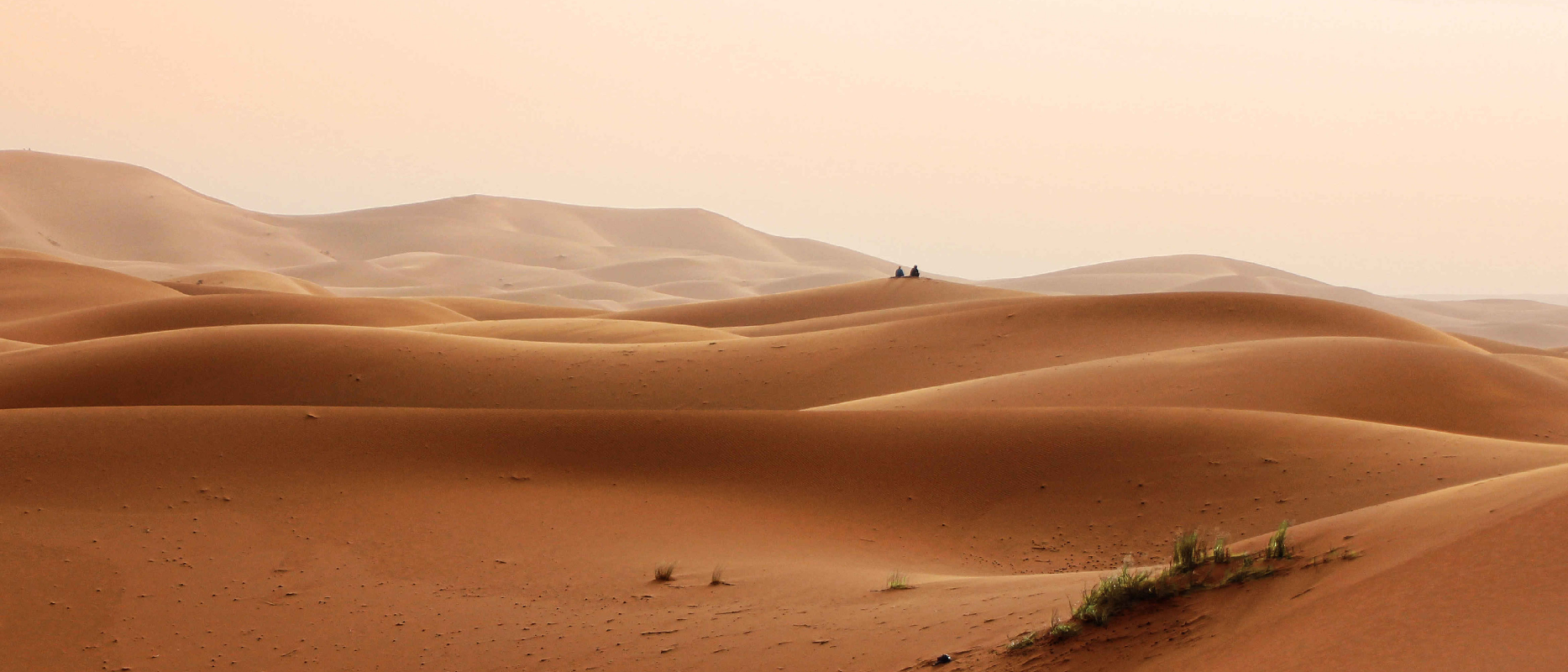
In Morocco’s rural communities, women are on the front lines of a growing crisis. As desertification advances, their daily lives become harder, fields produce less, water becomes scarcer and work grows more distant.
