News & stories

Latest
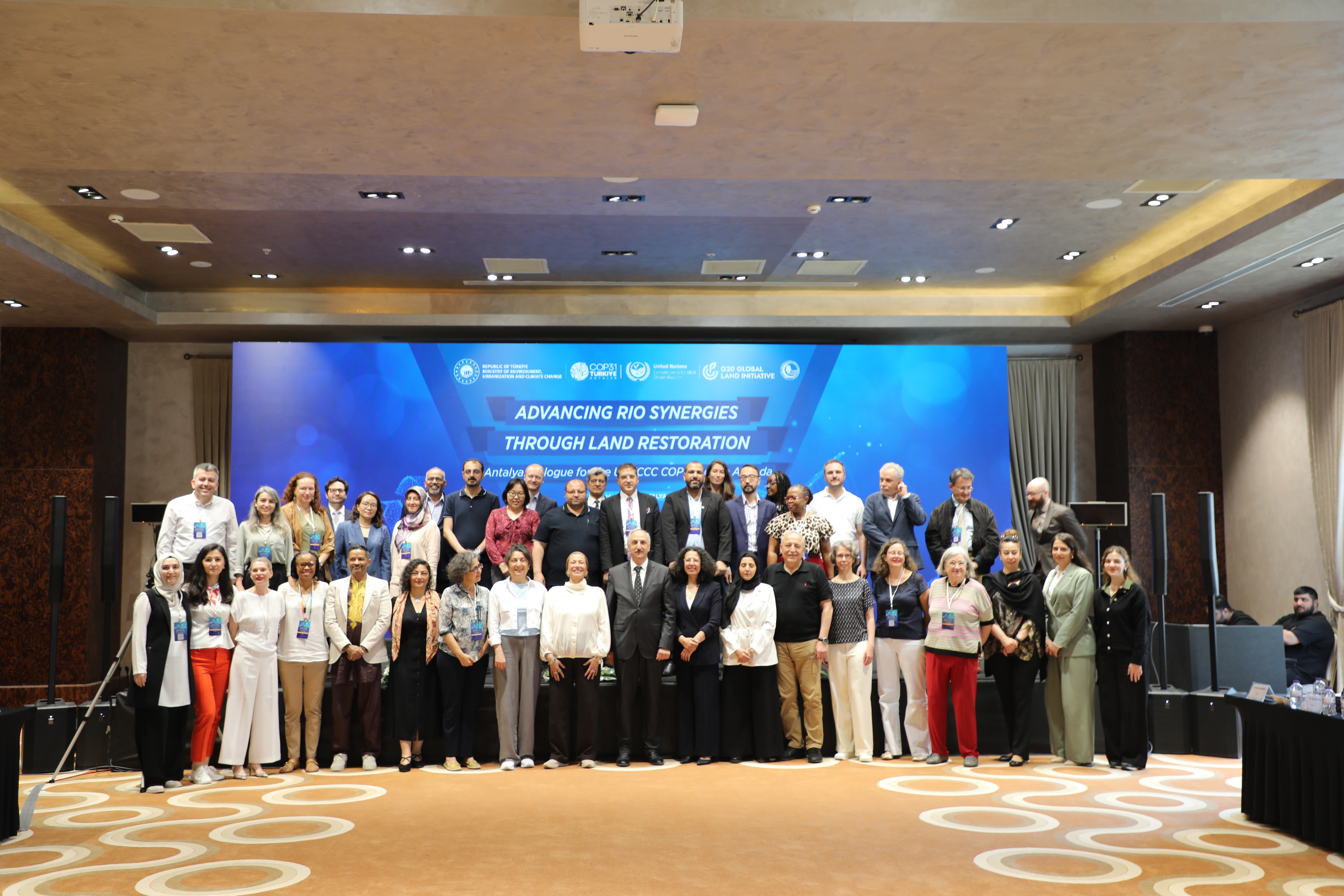
Drought does not arrive with sirens. It builds quietly—through drying soils, shrinking water supplies and wilting crops—until its impacts ripple across farms, cities and entire economies. By the time it is fully visible, the damage is often already widespread and costly, affecting everything from food and energy production to transportation and health.With droughts projected to affect three in four people worldwide by 2050, and three quarters of the world’s land already permanently drier due to unsustainable land management and climate change, how should countries act to prevent drought from escalating into crisis?Much like the Human Development Index reshaped how countries understand progress, the new Drought Resilience Index aims to provide a clear, shared benchmark to help governments manage drought risk and prevent irreversible impacts—including lost lives and shattered livelihoods.Now under development through the United Nations Convention to Combat Desertification (UNCCD), the International Drought Resilience Alliance (IDRA) and partners, the index is designed to give decision-makers a clearer picture of where vulnerabilities lie —helping them assess preparedness, create policies and act before drought turns into disaster.A three-day workshop recently hosted by the European Commission Joint Research Centre in Italy brought together a wide range of international partners—spanning multilateral, scientific, academic, technical, and government institutions—to fine-tune the tool, which is expected to launch as part of a broader AI-powered data visualization platform.We spoke with Edgar Gutiérrez-Espeleta, senior policy consultant at UNCCD advising on the development of the tool, to understand how the Drought Resilience Index works—and why it could reshape how countries prepare for a new drought era. From data overload to clarityThe Drought Resilience Index, part of the broader International Drought Resilience Observatory (IDRO), is designed to turn complex and fragmented data into simple scores that policymakers can use to make decisions. “Drought is one thing. Resilience to drought is another,” says Gutiérrez-Espeleta. “The aim is to help countries assess their capacity to anticipate, prepare for and adapt to drought, and to highlight where action is most needed so they can use limited resources effectively.”To capture this, the Drought Resilience Index is built around three dimensions: anticipation, preparation and adaptation. These reflect the full lifecycle of drought risk. Each dimension is assessed across four areas that shape resilience: the built environment; the natural environment, including soils, forests and wetlands; communities; and the economy —together offering a multidimensional picture of how well countries manage drought risk.Across each of these areas, experts identify one or two indicators to capture the most critical aspects of resilience, drawing on available, UN-vetted global datasets. These indicators are then standardised and combined into a composite score, enabling countries to assess their capacity to manage drought risk.For example, in anticipation, the health of ecosystems—such as forest cover or watershed integrity—can indicate how well the natural environment buffers drought impacts. In preparation, the efficiency and reach of water supply systems reflect the capacity of the built environment to conserve and distribute scarce resources. In adaptation, the share of livelihoods diversified beyond water-intensive activities shows how well the economy can withstand recurring drought conditions.“Low scores act as warning signals, pointing decision-makers to areas that require urgent attention,” explains Gutiérrez-Espeleta.Built through collaborationThe index is not being developed in isolation. It builds on years of work within the UNCCD’s Science-Policy Interface and has been shaped through consultations with top drought resilience experts from different regions, including the European Union’s Joint Research Centre, the US National Drought Monitor, the World Meteorological Organization and Yale Center for Ecosystems and Architecture.In the lead up to the 17th session of the Conference of the Parties to the UNCCD (UNCCD COP17), specialists are refining the selection of indicators, assessing available datasets and ensuring that the index is both scientifically robust and practical for policymakers.One of the key challenges is data availability. Not all countries have the same level of information, and some indicators may only exist for some parts of the world.“We are starting with the best data currently available and building from there,” Gutiérrez-Espeleta says. “As the index evolves, it will also help drive stronger and more comprehensive data collection, as has been the case with the Human Development Index.”A tool shaped by experienceThe idea for the Drought Resilience Index is rooted in experience. In 2015, as Costa Rica’s Minister of Environment, Gutiérrez-Espeleta faced a severe drought that demanded urgent, cross-sector decisions—but without a clear overview, it was difficult to prioritize action. That gap is what the Index is designed to fill. By bringing diverse data into a single framework that everybody can understand, it helps policymakers identify where systems are weakest and where action is most needed—offering, in his words, “a way to quickly see the big picture.”Rather than prescribing solutions, the Index works as a signal, highlighting where problems are most acute and pointing decision-makers towards the areas that require attention.The ambition is simple. When ministers see it at COP17, Gutiérrez-Espeleta hopes their reaction will be immediate: “This is what we needed.” From there, governments can mobilize resources and act—because while drought cannot be prevented, the vulnerability of people, economies and ecosystems can be greatly reduced.Photo : Participants at the IDRO Drought Resilience Index workshop hosted in Italy by the European Commission Joint Research Centre, including representatives of: Yale Center for Ecosystems and Architecture, National Center for Meteorology of the Kingdom of Saudi Arabia, World Meteorological Organization, United Nations Environment Programme, United Nations University Institute for Water, Environment and Health, Global Water Partnership, US National Drought Mitigation Center, NASA Goddard Space Flight Center, CIMA Research Foundation, Sahara and Sahel Observatory, CSIC-CEBAS, Ministry of Ecological Transition and Demographic Challenge of Spain, Ministry of Environment and Sustainable Development of Senegal, Center for Hydrometeorology and Remote Sensing, UK Centre for Ecology & Hydrology, Deltares, International Rice Research Institute, IGAD Climate Prediction and Applications Centre, University of Southern Queensland, UNEP-DHI Partnership, Tree Aid.

اجتماع 197 طرفًا مشاركاً اتفاقية الأمم المتحدة لمكافحة التصحر بهدف تقييم التقدم على الطريق من الرياض إلى أولان باتار،بنما تتعهد باستعادة 100 ألف هكتار بحلول عام 2035 ضمن استراتيجية وطنية رائدة لتحقيق أهداف الأرض والمناخ والتنوع البيولوجي. مدينة بنما، 1 ديسمبر 2025 - يتصدر فقدان الأراضي الخصبة عالميًا وتصاعد موجات الجفاف جدول أعمال الدورة الثالثة والعشرين للجنة استعراض تنفيذ الاتفاقية (CRIC23)، حيث يجتمع هذا الأسبوع في بنما ممثلو الدول الـ197 الأطراف في اتفاقية الأمم المتحدة لمكافحة التصحر. يأتي هذا الاجتماع في لحظة حاسمة. فوفق المسار الحالي، قد تتعرض أراضٍ تعادل مساحتها قارة أمريكا الجنوبية تقريبًا (16 مليون كيلومتر مربع) لتدهور متزايد بحلول عام 2050، في وقت يرتفع فيه الطلب العالمي على الغذاء والمياه والطاقة بشكل غير مسبوق. فيما تشير البيانات إلى أن ثلثي سطح الكوكب أصبح أكثر جفافًا خلال العقود الثلاثة الماضية، فيما سجّل العامان الأخيران أوسع موجات الجفاف انتشارًا وأعمقها أثرًا منذ بدء تدوين السجلات المناخية. في بنما، تسبّب الجفاف في إبطاء حركة الملاحة عبر القناة، مما ترك أثرًا ملموسًا على التجارة العالمية. قالت الدكتورة ياسمين فؤاد، الأمينة التنفيذية لاتفاقية الأمم المتحدة لمكافحة التصحر: " إن صمود مجتمعاتنا واقتصاداتنا وأنظمتنا البيئية يبدأ من أرض سليمة وصحية. ومع ذلك، ما زلنا نفقد كل عام مساحة تعادل مساحة مصر تقريبًا نتيجة تدهور الأراضي، مما يُضعف قدرتها على إنتاج الغذاء وتخزين المياه ودعم التنوع البيولوجي وحماية الإنسان من الجفاف والفيضانات والعواصف الرملية والغبارية. الاستثمار في الإدارة المستدامة للأراضي واستعادتها والحلول القائمة على الطبيعة ليس مجرد ضرورة بيئية؛ بل هو أولوية تنموية واستثمار استراتيجي في الاستقرار والازدهار والسلام." وأضافت: "يشكّل اجتماع لجنة استعراض تنفيذ الاتفاقية محطة رئيسية لتقييم ما أحرزناه من تقدم، وتعزيز مسار العمل الممتد من الرياض إلى أولان باتار، والتأكيد على أن إدارة الأراضي وبناء القدرة على مواجهة الجفاف هما عنصران أساسيان يربطان بين اتفاقيات ريو الثلاث. ومن خلال العمل المشترك، نستطيع تسريع التحول نحو مستقبل قدرة على الصمود، وأشد أمنًا غذائيًا، وأكثر حفاظًا على الطبيعة." من الرياض إلى أولان باتار سيستعرض اجتماع لجنة استعراض تنفيذ الاتفاقية التقدم المُحرز في تنفيذ القرارات الصادرة عن مؤتمر الأطراف السادس عشر (COP16) لاتفاقية الأمم المتحدة لمكافحة التصحر الذي استضافته الرياض في ديسمبر 2024، كما سيناقش خارطة الطريق لما بعد عام 2030. وقال سعادة الدكتور أسامة فقيها، نائب وزير البيئة والمياه والزراعة لشؤون البيئة في المملكة العربية السعودية رئيسة مؤتمر الأطراف السادس عشر: "مثّلت المشاركة الكبيرة والمتنوعة التي قاربت 100 ألف مشارك في مؤتمر COP16 بالرياض نقطة تحول تاريخية في الوعي العالمي بشأن آثار تدهور الأراضي والجفاف، والحاجة إلى تعزيز وتسريع الجهود العالمية لمواجهة هذه التحديات التي يؤثر بشكل مباشر على الأمن المائي والغذائي، والتنوع البيولوجي، والقدرة على التكيف مع المناخ، ومستوى معيشة مليارات البشر حول العالم." وأضاف: "أسفر مؤتمر الأطراف السادس عشر عن نتائج مهمة عززت الجهود الدولية في استعادة الأراضي وبناء القدرة على الصمود أمام الجفاف، بما في ذلك اعتماد إعلان الرياض، وإصدار أكثر من 30 قرارًا، والإعلان عن نحو 40 مبادرة ضمن أجندة عمل الرياض لتعزيز الجهود لحماية الأرض." وسيتناول المؤتمر جلسات متخصصة حول حيازة الأراضي كأساس للاستثمار في الأراضي السليمة، ومناقشة التهديد المتزايد للعواصف الرملية والترابية، كما سيستضيف المؤتمر الاجتماع الثاني لمنتدى النوع الاجتماعي، والذي بهدف إلى إعطاء صوت للنساء اللواتي يتأثرن بشكل غير متناسب بتدهور الأراضي والجفاف بينما يُسهمن في دعم سبل عيش المجتمعات حول العالم. كما سيُتاح للأطراف التفاعل مع أصحاب المصلحة، بما في ذلك الشباب والشعوب الأصلية والمجتمعات المحلية، إضافة إلى إطلاق تقارير جديدة حول الدول الجزرية الصغيرة النامية والمراعي. وسيُعقد أيضًا أول حوار غير رسمي وطوعي من بين ثلاثة حوارات مخصّصة لتعزيز القدرة على مواجهة الجفاف، وذلك استنادًا إلى مخرجات مؤتمر الأطراف السادس عشر واستعدادًا لاستئناف المفاوضات في مؤتمر الأطراف السابع عشر وتقود رئاسة مؤتمر الأطراف السادس عشر هذه العملية النقاشات باسم "عملية تفاؤل"، تعبيرًا عن روح الأمل والعزيمة البنّاءة. كما ستسهم توصيات اجتماع لجنة استعراض تنفيذ الاتفاقية 23 في دعم عملية صنع القرار من قبل الأطراف الـ196 للدول الأعضاء في الاتفاقية والاتحاد الأوروبي، تمهيدًا لمؤتمر مؤتمر الأطراف السابع عشر الذي سيُعقد في أولان باتار، منغوليا، في أغسطس 2026. قال باتمونخ دوندفدورج، المستشار الخاص للوزير ورئيس المكتب الوطني لرئاسة مؤتمر الأطراف السابع عشر المقبلة: "يجب أن يكون الطريق من الرياض إلى أولان باتار طريق أمل للمجتمعات والأنظمة البيئية التي طال إهمالها. سيتزامن المؤتمر مع السنة الدولية للمراعي والرعاة، ما يوفر لحظة سياسية فريدة لتسليط الضوء على المراعي، التي تختفي بوتيرة أسرع من الغابات." وأضاف: "اجتماع بنما مهم للغاية لوضع الأساس لنجاح مؤتمر الأطراف السابع عشر، الذي سيبرز الروابط بين رفاه الإنسان والأراضي السليمة والمنتجة والقادرة على الصمود. وهذا أمر صحيح بشكل خاص بالنسبة للمراعي، التي تغطي نحو نصف اليابسة وتوفر موطنًا لنحو ملياري إنسان، لكنها تُعامل غالبًا على أنها مناطق فارغة أو هامشية. بالنسبة لمنغوليا، حيث ترتبط الهوية والثقافة والاقتصاد بالرعي، فإن هذه ليست قضية مجردة، بل مسألة كرامة وهوية وفرص لمجتمعات طال تجاهلها." تعهد بنما للطبيعة وسلّطت بنما اليوم الضوء على الدور المحوري للأرض من خلال “تعهدها للطبيعة”، وهو خارطة طريق توحّد الجهود الوطنية لمواجهة تدهور الأراضي وفقدان التنوع البيولوجي وتغيّر المناخ، بما يعزّز أوجه التكامل بين اتفاقيات ريو الثلاث ويدفع باتجاه تحقيق أهدافها المترابطة بوتيرة أسرع. وستعمل بنما ضمن هذا التعهد على استعادة 100,000 هكتار من الأراضي المتدهورة بحلول عام 2035. وقال معالي خوان كارلوس نافارو، وزير البيئة في بنما: "الطبيعة هي العمود الفقري للاقتصاد العالمي. ويعكس تعهد بنما للطبيعة التزامنا باستعادة الأحواض المائية الحرجة، وحماية الغابات، وتشجيع الممارسات الزراعية المستدامة، باعتبارها وسائل لبناء قدرة اقتصادنا ومجتمعاتنا على الصمود. لم يعد هناك وقت لنضيعه، علينا أن نهتم بالطبيعة حتى تواصل الطبيعة الاعتناء بنا." ومنذ انضمامها إلى الاتفاقية عام 1996، التزمت بنما بتحقيق حيادية تدهور الأراضي بحلول عام 2030، وحددت 31 نقطة حرجة للتدخل، وتمضي قدمًا في برامج إعادة التشجير والتكيف مع ظروف "الممر الجاف". كما أصبحت هذا العام أول دولة تستضيف اجتماعات الاتفاقيات الثلاث لريو في العام نفسه. انتهى ملاحظات للمحررين للاستفسارات وطلبات المقابلات، يرجى التواصل عبر press@unccd.int يمكن الحصول على مواد بصرية حول اجتماع لجنة استعراض تنفيذ الاتفاقية CRIC23 https://trello.com/b/zq0kxtkK/unccd-cric23-panama-2025 فعاليات مخصّصة للإعلام مؤتمرات صحفية: 12:00–13:00 (بتوقيت بنما) 1 ديسمبر: المؤتمر الصحفي الافتتاحي سيعرض المؤتمر توقعات اجتماع لجنة استعراض تنفيذ الاتفاقية ، ويسلط الضوء على قيادة بنما – بما في ذلك الإشارة إلى تعهدها للطبيعة – ويقدم رؤى من رئاسة مؤتمرات الأطراف السادسة عشر والسابعة عشر. المتحدثون: خوان كارلوس نافارو، وزير البيئة في بنماالدكتورة ياسمين فؤاد، الأمينة التنفيذية لاتفاقية الأمم المتحدة لمكافحة التصحرأسامة إبراهيم فقيها، نائب وزير البيئة والمياه والزراعة لشؤون البيئة، المملكة العربية السعوديةباتمونخ دوندفدورج، المستشار الخاص للوزير ورئيس المكتب الوطني لرئاسة مؤتمر الأطراف السابع عشر COP17 2 ديسمبر: إطلاق تقرير حول الدول الجزرية الصغيرة النامية (SIDS) تقرسر جديد يسلط الضوء على آثار تدهور الأراضي والجفاف والإجراءات المتخذة في الدول الجزرية. المتحدثون: أندريا ميزا، نائبة الأمين التنفيذي للاتفاقيةكالفن جيمس، منسق منتدى SIDS في الاتفاقيةفريد نيكولاس، مسؤول مشروع في دائرة البيئة الوطنية – جزر كوك 4 ديسمبر: إطلاق تقرير اقتصاديات المراعي عرض تقرير جديد حول المراعي– وهي نظم بيئية ضرورية للأمن الغذائي والاستقرار المناخي تتراجع بسرعة. المتحدثون: مارك شاور، قائد المشروع (مشترك)، وكالة التعاون الدولي الألمانية (GIZ)الدكتور بارون أور، كبير العلماء في الاتفاقيةإنريكي ميتشود، الرئيس المشارك للتحالف العالمي للسنة الدولية للمراعي والرعاةأريونتويا دورجسورن، المديرة العامة لإدارة التعاون الدولي، وزارة البيئة وتغير المناخ، ومنسقة الاتصال الوطنية لمنغوليا إطلاق السنة الدولية للمراعي والرعاة (IYRP) سيشهد شهر ديسمبر إطلاق السنة الدولية للمراعي والرعاة، وهي محطة مهمة في الطريق نحو مؤتمر الأطراف السابع عشر في منغوليا في أغسطس 2026. 5 ديسمبر – البيان الختامي بمناسبة يوم التربة العالمي يصدر بعد الجلسة الختامية لاجتماع لجنة استعراض تنفيذ الاتفاقية، ويعرض أبرز نتائج الاجتماع وأهميتها في الطريق نحو مؤتمر الأطراف السابع عشر. 3 ديسمبر – رحلة ميدانية للصحفيين يدعى الصحفيون إلى زيارة ميدانية ينظمها هيئة قناة بنما في مركز زوار ميرافلوريس، للاطلاع على كيفية دمج الهيئة للاستدامة وحماية الأحواض المائية ضمن استراتيجيتها الطويلة الأمد للحفاظ على موارد المياه في القناة. معلومات إضافية لمزيد من المعلومات حول الاتفاقية واجتماع لجنة استعراض تنفيذ الاتفاقية ، يرجى زيارة: https://www.unccd.int/cric23 حول اتفاقية الأمم المتحدة لمكافحة التصحر (UNCCD) اتفاقية الأمم المتحدة لمكافحة التصحر هي الرؤية والصوت العالمي للأرض وهي تجمع تحت مظلتها الحكومات والعلماء وصنّاع السياسات والقطاع الخاص والمجتمعات المحلية ضمن رؤية موحّدة وجهود مشتركة لإعادة إصلاح الأراضي وإدارتها بشكل مستدام، وذلك من أجل ضمان استمرارية الحياة على سطح الأرض. والاتفاقية ليست فقط معاهدة دولية موقعة من قِبل 197 طرفا؛ فهي تمثل التزاما عالميا متعدد الأطراف لمواجهة آثار تدهور الأراضي اليوم، وتعزيز الإدارة الرشيدة للأراضي في المستقبل. كما أنها تهدف إلى تأمين الغذاء والمياه والمأوى والفرص الاقتصادية لكل الناس، بطريقة عادلة وشاملة. نبذة عن اجتماع لجنة استعراض تنفيذ الاتفاقية CRIC23 يجتمع ممثلون عن 196 دولة والاتحاد الأوروبي في بنما خلال الفترة من 1 إلى 5 ديسمبر 2025 لاستعراض جهودهم في مكافحة التصحر وتدهور الأراضي والجفاف ضمن إطار اتفاقية الأمم المتحدة لمكافحة التصحر، وهي إحدى اتفاقيات ريو الثلاث إلى جانب المناخ والتنوع البيولوجي. ويُشارك في الدورة الثالثة والعشرين للجنة استعراض تنفيذ الاتفاقية نحو 500 مشارك من الحكومات والمجتمع المدني والأوساط الأكاديمية لتقييم التقدم نحو تحقيق أهداف الاتفاقية.

How Communities of Learning and Practice are speeding action in the face of a new drought era

Information on the COP 16 President’s Initiative on Drought Resilience

When Southern Africa experienced its third consecutive year of severe drought between 2015 and 2017, Bongani Simon Masuku — now Principal Secretary in Eswatini’s Ministry of Agriculture — saw firsthand how fragmented responses could deepen a crisis. As a longtime advocate for science-based policy and former Chair of the United Nations Convention to Combat Desertification (UNCCD) Committee on Science and Technology, Masuku recalls how the lack of coordination and shared learning left many countries struggling to respond effectively.Those hard lessons, nearly a decade old, laid the groundwork for more coordinated and inclusive approaches to drought management — culminating in a significant breakthrough at UNCCD COP16 in 2024.A turning point at COP16Officially launched at UNCCD COP16 in December 2024, the Communities of Learning and Practice on Drought Management (CLP) marked a step change in how countries approach drought.Supported under the Changwon Initiative, the CLP has grown into five regional and one global community: multilingual, interactive spaces for peer learning, co-creation and practical capacity-building.The CLP directly supports Land Degradation Neutrality (LDN) goals and offers a space where policymakers, scientists, youth leaders and local actors share strategies, challenges and successes.Why it mattersOnce seen as sporadic disasters, droughts are becoming a chronic threat. Since 2000, their frequency and intensity have risen by 29 per cent — and by 2050, three out of four people could face their impacts.Yet solutions often remain locked in silos, out of reach for those on the front lines. The CLP breaks those silos by enabling real-time collaboration and cross-regional exchange.Masuku emphasized the importance of reaching all decision-makers:“Knowledge is power. A platform for sharing information is a powerful tool — especially when it reaches those who might otherwise be left out. With the right knowledge, you can make the right decisions.”A living knowledge networkBuilding on earlier regional knowledge-sharing efforts, the CLP has grown rapidly since its launch in late 2024, bringing together over 300 members from across sectors and regions.It has held regional workshops and case clinics tackling both technical and policy challenges. Five global online exchanges have drawn 687 participants worldwide.The platform has published more than 300 multilingual resources — ranging from technical guides to policy briefs — and sparked new partnerships, helping countries co-create tools and strategies.The network is also turning the UNCCD Drought Toolbox into a dynamic, user-driven resource, shaped by field realities and continuous feedback.Voices of changeThe platform isn’t just for governments and experts. It’s opening doors for the next generation of land and climate leaders. Juliet Grace Luwedde, Global Coordinator of the UNCCD Youth Caucus, sees the CLP as an inclusive gateway:“It’s a great place for young people to start learning and connecting — people who can answer their questions and help them grow. No question is too small. It’s also a fantastic resource for young negotiators to build confidence and find their voice.”Tools that drive actionOne of the CLP’s most powerful features is its close link to the Drought Toolbox — a suite of tools for assessing risk, monitoring drought and designing early warning systems.Through the platform, these tools are made more user-friendly and widely accessible. Interactive offerings — from expert clinics and regional competitions to self-paced learning — ensure these tools lead to action, not just information.Looking aheadAs climate stress intensifies, the need for coordinated drought management is growing rapidly. The CLP is expanding to include more countries — particularly in drought-prone regions like the Sahel and the Horn of Africa — while adapting its tools to fit national priorities.Rooted in the spirit of the Changwon Initiative, the CLP fosters innovation, strengthens partnerships andscales solutions that bridge local realities with global goals. Continued collaboration is helping position it as a vital global hub — connecting knowledge, building capacity anddriving action where it’s needed most. A movement rooted in practiceThis is more than a platform. It’s a movement — one that turns collective knowledge into shared resilience. At its core is a simple but powerful idea: investing in people, not just policies, is what ensures no voice is left behind.Sustained support through the Changwon Initiative has helped make that idea real — enabling communities once excluded from critical discussions to take the lead. Today, they are not just included — they are equipped, connected and shaping global solutions from the center.Photo: © ILRI/Stevie Mann

How the Changwon Initiative helped build the UNCCD Drought ToolboxDrought is no longer a rare or distant event. It is becoming one of the most serious and far-reaching challenges of our time. Since 2000, droughts have become 29 percent more frequent and intense. By 2050, as much as three-quarters of the world’s population could be affected.For millions of people, this means more than just dry weather — it means failed harvests, shrinking water supplies, rising food prices and displacement from their homes and livelihoods.But drought, unlike sudden disasters, offers a unique opportunity: it gives us time. And when time is used wisely, it can turn risk into readiness.From crisis to preparedness: The birth of the Drought ToolboxFaced with the growing impact of drought, the United Nations Convention to Combat Desertification (UNCCD) recognized the need for a shift — from reacting to crises after they hit, to preparing before they begin. This led to the creation of the Drought Toolbox: a science-based, globally accessible platform that helps countries and communities assess, monitor and reduce drought risk.Designed as a practical support tool, the Toolbox brings together resources for developing national drought plans, identifying vulnerable areas, setting up early warning systems and learning from real-world examples of drought resilience. Behind this comprehensive platform lies a key driver: the Changwon Initiative.The Changwon Initiative: Turning vision into actionLaunched by the Korea Forest Service in partnership with the UNCCD, the Changwon Initiative was instrumental in transforming the Drought Toolbox from concept to reality. Through targeted funding and technical support, the Initiative helped bring together global experts, institutions and local stakeholders to co-create the platform.Workshops convened with its support became spaces for cross-sector collaboration. Government agencies, scientists and land managers worked side by side to align methodologies, share regional knowledge and design an interface that could speak to both policymakers and practitioners. The result was not just a digital tool, but a living, evolving resource for drought resilience.When Tools Reach People: Global Examples of ImpactAcross the world, the Drought Toolbox is helping countries move from crisis response to long-term resilience — with real results on the ground. In Costa Rica, it became the foundation for a national workshop that brought together ministries, improved coordination and led to drought strategies based on shared data and clear priorities. In Andhra Pradesh, India, local leaders used the Toolbox to identify the most drought-prone areas, translating data into practical action — from installing rainwater harvesting systems to planting drought-resistant crops and training farmers to monitor conditions themselves.In South Africa, the Toolbox supported the integration of early warning systems into land-use and agricultural planning, enabling farmers to adopt more sustainable practices and authorities to act on forecasts before droughts took their toll. Meanwhile, in Central Asia, countries facing similar climate pressures used the platform to harmonize monitoring efforts and coordinate their responses — showing how regional cooperation can strengthen resilience across borders.Collaboration is keyOne of the most important lessons from the Toolbox’s creation is that preparedness is not just technical — it’s collaborative. The platform draws from the expertise of partners such as the Food and Agriculture Organization of the United Nations (FAO), the World Meteorological Organization (WMO), the United Nations Environment Programme (UNEP) and the International Center for Agricultural Research in the Dry Areas (ICARDA), and grounds that knowledge in the real-life experiences of those facing drought on a daily basis.This spirit of collaboration also sparked the development of complementary tools like the Sand and Dust Storms (SDS) Toolbox, recognizing the interconnectedness of climate risks, land degradation and human health.A lasting legacyThe Changwon Initiative did more than fund a product. It helped shape a process that placed accessibility, usability and inclusivity at the heart of drought preparedness. Thanks to this investment, the Drought Toolbox has become a vital global asset — used by countries, institutions and communities to plan ahead and protect what matters most.As droughts grow more frequent and complex, the need for practical, integrated solutions becomes more urgent. The Drought Toolbox — born of international collaboration and local insight — shows us what’s possible when we choose to act before crisis hits.It is a reminder that while we cannot stop the rain from disappearing, we can prepare wisely for its absence — and that preparation begins not with fear, but with the right tools in the right hands.
