News & stories

Related news
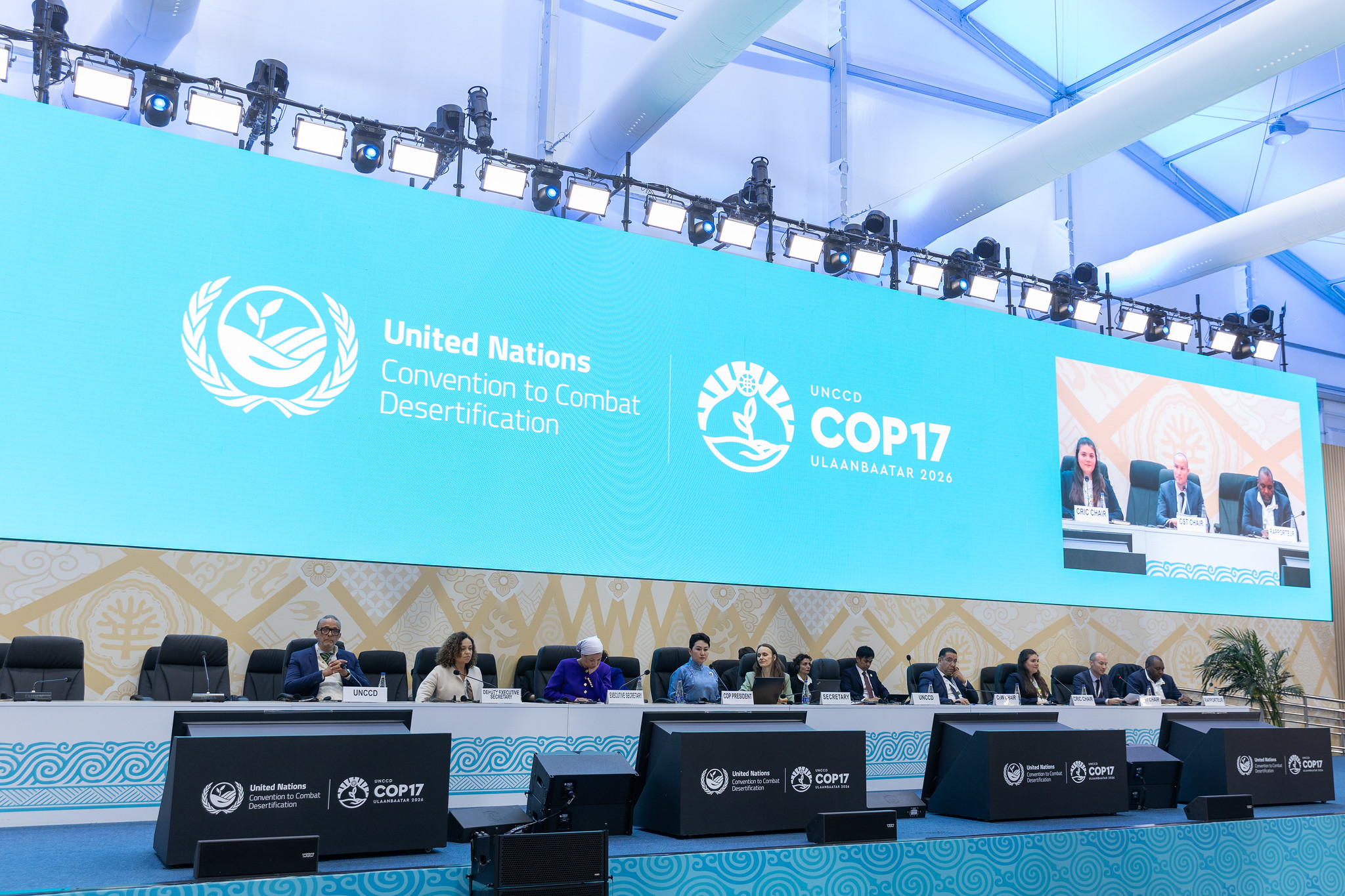
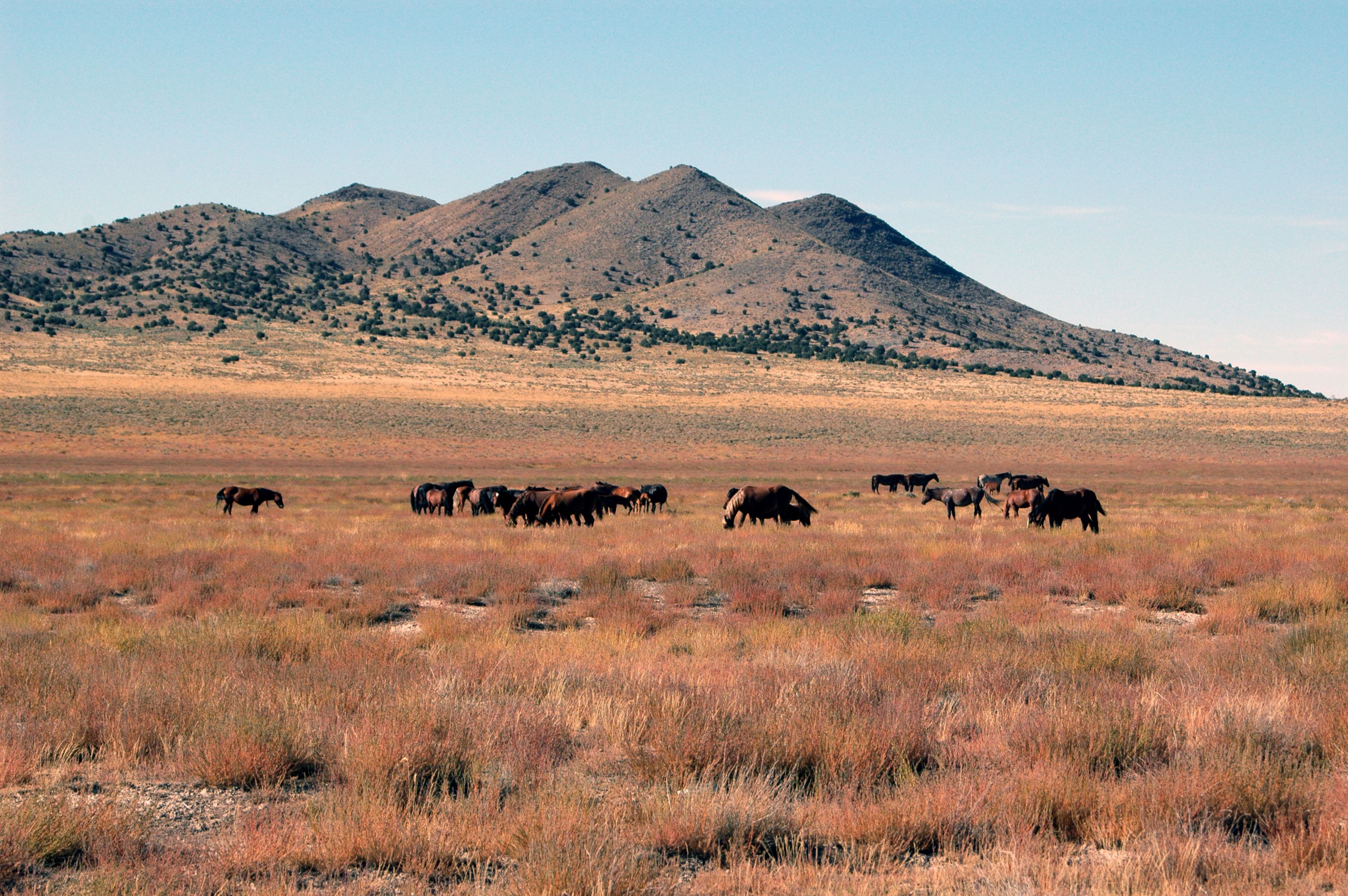

The UNCCD, UNDP and the Centre for Development and Environment (CDE), University of Bern, together with WOCAT, invite UNCCD Country Parties to express interest in joining the GEF-funded project: "Scaling the capacity of UNCCD Parties for inclusive decision support in Land Degradation Neutrality (LDN)." About the project: This two-year project will support eight to ten selected countries to enhance their capacity to assess, monitor and address land degradation through inclusive, participatory processes. The project will co-develop national LDN Decision Support Systems (LDN-DSS), aligned with SDG target 15.3. Benefits for participating countries: Tailored technical support and capacity buildingCo-development of national LDN-DSSParticipatory mapping of land degradation and restoration trendsAccess to global knowledge exchanges and learning platformsInternational recognition at UNCCD COPs and other global forums Countries with hyper-arid regions and small island developing states are especially encouraged to apply. The full text of the call is available in English, French and Spanish in the menu on the right. Application deadline: July 4 To apply, complete the application form, including a signed Expression of Interest from your UNCCD National Focal Point. For questions, please contact: Ingrid Teich – ingrid.teich@unibe.ch Phemo Kgomotso – phemo.kgomotso@undp.org National Focal Points of interested country Parties are cordially invited to participate in one of the online information sessions to be held on Monday 23 June:Webinar 1 (English and French) 11:00 AM CEST: https://unibe-ch.zoom.us/meeting/register/4438c0d9SvOoFXa88xRvEQWebinar 2 (English, French and Spanish) 4:00 PM CEST: https://unibe-ch.zoom.us/meeting/register/Dc-ISTtCSA2jM0N54aszqQ

From the Arctic tundra to the steppe, signs of soil fatigue, erosion and degradation are emerging — and with them, a warning: no region is immune. Land degradation is no longer a remote concern confined to arid zones — it has become a shared, urgent global crisis. Countries with vastly different climates, geographies and land use systems are now grappling with its impacts. The evolving understanding that land degradation transcends climate zones, with implications for food security, climate resilience and economic stability across continents, has placed the issue firmly on the global agenda. Recognizing this, the UNCCD — the only legally binding international agreement focused on land and soil — is prioritizing collaboration across regions and sectors to successfully address these challenges. Russia, once perceived as largely outside the desertification-prone zones, is now facing land degradation on multiple fronts. Although deserts make up only a small fraction of its vast territory, 85 per cent of the country’s primary agricultural production relies on just 7 per cent of the land — land that is now showing signs of vulnerability. In 2023 alone, 1.1 million hectares were officially recognized as disturbed, with the area expanding by 42,000 hectares each year. Industrial activity is the dominant factor, with agriculture contributing 18 per cent of the degradation. These realities were the backdrop to a recent roundtable at the UN House in Moscow, convened to reflect on the outcomes of UNCCD’s 16th Conference of the Parties (COP16) and their relevance for Russia. Organized by the Nature and People Foundation — the first and only accredited Russian observer to the Convention — the meeting brought together stakeholders from government, academia, civil society and international organizations. One of the roundtable’s core messages echoed a major takeaway from COP16: land degradation must be addressed across all ecosystems, including boreal and Arctic regions. Russian scientists noted that methodologies initially designed to assess desertification in drylands are now being effectively adapted to northern environments. This evolving approach reflects the latest science, which connects soil health, climate resilience, biodiversity and food security in a synergetic framework. Representing the UNCCD, the Chief of Science, Technology and Innovation Mr. Johns Muleso Kharika noted that “the shift from dealing exclusively with desertification and drought to addressing the silent crisis that is land degradation in all ecosystems demonstrates a strategic evolution in addressing the problem. The Convention engages a wide range of countries who face land degradation caused by deforestation, urban sprawl, soil erosion and other polluting factors,” he added, emphasizing the role of science as a key factor in shaping future-facing solutions. Nikolay Doronin, First Deputy Chairman of Russia’s Public Chamber Commission on Ecology, highlighted that in 2023, 1.1 million hectares of land were classified as damaged— 0.06 per cent of Russia’s area, exceeding the size of Cyprus or Lebanon and comparable to Qatar. This area is growing by 42,000 hectares annually, with 18 per cent located in agricultural zones. New technologies — including satellite monitoring, advanced planting materials and biotech-based restoration techniques — are becoming essential tools. Russia’s scientific institutions are contributing to emerging approaches in land monitoring, classification and adaptive restoration. But the impact of these efforts depends on national coordination, investment and political will. Private sector engagement was another theme, with businesses urged to take greater responsibility for the lands they affect — particularly given that many degraded areas fall within or near industrial zones. The message was clear: land degradation is not someone else’s problem — and reversing it demands responsibility and action from all sectors. Looking ahead to COP17 in Mongolia, Russian organizations are already preparing new inputs — including scientific findings and policy recommendations — drawing on their experience in land monitoring, scientific exchange and cross-sectoral planning. The roundtable made it clear that land degradation is no longer seen as a fringe issue. As the Convention’s agenda continues to evolve and as land degradation increasingly transcends national and ecological boundaries, one conclusion stands out: desertification is no longer a localized issue — and Russia is bringing both long-standing commitment and fresh scientific insight to the table. Land degradation knows no borders. And neither should the solutions. For more about the meeting, follow this link. Photo (c): naturepeople.org

Bonn, Germany, 18 February 18, 2025 – A landmark collaboration is taking shape in the global fight against land degradation. The United Nations Convention to Combat Desertification (UNCCD) and the Global Green Growth Institute (GGGI) have signed a Memorandum of Understanding (MoU) to accelerate efforts in sustainable land and water management, biodiversity conservation and climate resilience in support of the sustainable development agenda. A partnership for sustainable growth Land degradation, desertification and drought pose critical challenges worldwide, affecting ecosystems, economies and communities. Recognizing the urgency of these issues, UNCCD and GGGI are joining forces to create innovative solutions that integrate environmental sustainability with economic growth. This collaboration is firmly rooted in the 2030 Agenda for Sustainable Development and the objectives of the Rio Conventions, ensuring a holistic approach to sustainable land management. Under the MoU, UNCCD and GGGI will leverage their expertise to: Develop and implement joint programs focused on sustainable land and water management, biodiversity conservation and climate resilience. Enhance resource mobilization efforts to secure funding and technical support for land restoration initiatives. Engage the private sector to drive investment and technical innovation in sustainable land management projects. Promote knowledge-sharing and capacity-building through training programs, policy dialogues and best practice exchanges. Design green investment strategies to support countries in achieving Land Degradation Neutrality (LDN) and drought resilience targets. A shared vision for impactful action By working together, UNCCD and GGGI aim to unlock new opportunities for land restoration and ecosystem conservation. Their collaboration will also extend to joint advisory services, feasibility studies and publications that inform and inspire action on the ground. “I am pleased to announce this strategic partnership between UNCCD and GGGI, which marks a significant step in our collective efforts to combat land degradation, enhance biodiversity conservation and build resilience against climate change," stated Ibrahim Thiaw, UNCCD Executive Secretary. "This MoU is a testament to our shared commitment to a future where land is valued, protected and restored for the benefit of people and the planet.” GGGI Director-General Sang-Hyup Kim echoed this sentiment: 'The collaboration with UNCCD reflects GGGI’s strong commitment to land restoration and biodiversity conservation. This partnership will not only shed light on the financial and policy elements. GGGI looks forward to a powerful collaboration with UNCCD to tackle climate challenges related to land degradation, water management and drought.'" Looking ahead: Turning ambition into action As the world faces escalating environmental challenges, the partnership between UNCCD and GGGI represents a critical step forward. With a shared mission to create sustainable, climate-resilient landscapes, their collaboration will support countries in transforming policies into tangible action, ensuring that economic development is both environmentally sustainable and socially inclusive. Media contact: press@unccd.int About UNCCD The United Nations Convention to Combat Desertification (UNCCD) is an international agreement on good land stewardship. It helps people, communities and countries create wealth, grow economies and secure enough food, clean water and energy by ensuring land users an enabling environment for sustainable land management. Through partnerships, the Convention’s 197 parties set up robust systems to manage drought promptly and effectively. Good land stewardship based on sound policy and science helps integrate and accelerate achievement of the Sustainable Development Goals, builds resilience to climate change and prevents biodiversity loss. About GGGI The Global Green Growth Institute (GGGI) was established in 2012 as a treaty-based intergovernmental organization at the UN Conference on Sustainable Development. It supports its 49 Member States and 29 Partner countries in transitioning to a green growth model that integrates poverty reduction, social inclusion, environmental sustainability and economic growth. Operating in over 51 countries, GGGI helps nations meet their Sustainable Development Goals (SDGs) and Paris Agreement commitments. Currently, GGGI is implementing 10+ projects funded by AFD across Africa, Asia, the Caribbean and the Pacific, focusing on green investment, climate-resilient agriculture, the circular economy and sustainable solutions in forestry, mobility, energy and industry — all aligned with GGGI’s Programmatic Solutions.

In the lead-up to UNCCD COP16, our new podcast series On the road to Riyadh: Conversation on land, people and the planet spotlights critical conversations on land health, climate resilience and sustainable solutions. Each episode will focus on the Action Agenda of the , bringing expert insights, compelling stories and actionable solutions to global audiences.The series will emphasize how healthy land is central to the well-being of the planet’s ecosystems, biodiversity and global economy. Episode 1: Land Day - The future of land conservation: Driving change through innovationJoin us for an insightful discussion on the importance of land restoration and the power of youth-led environmental initiatives. Episode 2: Governance Day - Understanding land governace and why it mattersJoin UNCCD Deputy Executive Secretary as she explores the role of governance in sustainable land management. From the empowerment of women and Indigenous Peoples to the role of sub-national governments, she highlights the key strategies and actions needed to reach the Land Degradation Neutrality goals. Episode 3: Science Day - Accelerating science and technology solutions for land resilienceJoin Barron Joseph Orr, UNCCD Chief Scientist as he explores the critical role of science in building land resilience through land restoration. Bridging the gap between science and policy is key to addressing land degradation and restoring land productivity. Main challenges include translating restoration ambitions into action, securing funding, using high-resolution data and building resilience to crises. Episode 4: Finance Day - Financing land restoration and drought resilienceJoin the insightful conversation between the CEO and Chair of the GEF, and theManaging Director of the UNCCD Global Mechanism Louise Baker, as they discuss the important role of finance in achieving land restoration and drought resilience goals and the paradigm shifts needed to address funding and action gaps in the Rio Conventions. Challenges in scaling up conservation efforts and the need for economic and institutional reforms require broader stakeholder engagement beyond environment ministries, increasing the role of local government involvement and financial support for the success of sustainable initiatives.

Every year, over 100 million hectares of land are degraded through urbanization, deforestation, and overexploitation, trends accelerated by climate change. Land degradation now affects one in four people worldwide, while droughts become more frequent and severe. The results of the UNCCD 2022 national reporting process, encompassing data from 126 countries, provide a startling view into the rapid global loss of productive land. This data is publicly accessible on the UNCCD Data Dashboard, asserting the need for actionable information in combating land degradation. In response, the UNCCD, alongside WOCAT and the University of Bern's Centre for Development and Environment, are launching The Land Story, a new publication that shares insights and methodologies from 30 countries that contributed to improving land degradation and drought reporting. While far from exhaustive, the publication offers a unique view into diverse national approaches to challenges in data availability, reliability and resources. UNCCD Executive Secretary Ibrahim Thiaw expressed his gratitude to the countries that contributed to the 2022 national reporting, noting, “I hope the experience and lessons learned captured in this publication will act as an inspiration to all countries and provide practical ideas on how they can improve their own reporting in future.” Country highlights from The Land Story: Panama: By convening over 30 cross-sectoral stakeholders in a workshop, Panama collaboratively selected land cover maps with local relevance, strengthening data accuracy over global datasets and boosting national confidence in degradation estimates. Bhutan: Leveraging both expert insight and on-the-ground data, Bhutan aligned land productivity mapping with the country's known realities. Maps and statistics on areas affected by forest fires, infestations, timber extraction and mining further enriched the accuracy of their reporting. Türkiye: Focusing on soil health, Türkiye developed 42 regionally specific conversion factors to estimate changes in soil organic carbon (SOC) from land cover transitions. This innovative approach improved precision in assessing SOC changes across the country. South Africa: With access to sex-disaggregated subnational data on social, economic and infrastructural factors, South Africa analyzed drought vulnerability trends since 2014. This data-driven approach has allowed for a nuanced understanding of drought drivers and facilitated tailored resilience plans across diverse regions. Upcoming events and dissemination The publication will debut further at UNCCD COP 16 in Riyadh, during a side event co-hosted by WOCAT and the UNCCD on December 6, 2024. Representatives from featured countries will discuss best practices and lessons learned, showcasing replicable methods for future reporting. An interactive plenary on national reporting, scheduled for December 4, 2024, will precede this event. For further insights, we invite you to explore the UNCCD Data Dashboard.

Un nouveau rapport met en lumière les solutions dirigées par des femmes pour renforcer la résilience face à la sécheresseLes femmes produisent jusqu'à 80 % des aliments dans les pays en développement, mais moins de 20 % des propriétaires terriens sont des femmesLes sécheresses entrainent 15 % des pertes économiques liées aux catastrophes dans le monde et sont responsables de 85,8 % des décès de bétail Bonn, Allemagne, 15 octobre 2024 – Les femmes et les filles subissent non seulement des difficultés accrues, mais elles font également preuve d'un leadership remarquable face à la sécheresse, selon un nouveau rapport de la Convention des Nations Unies sur la lutte contre la désertification (CNULCD) et de l'Organisation des Nations Unies pour l'alimentation et l'agriculture (FAO).Publié à l'occasion de la Journée internationale des femmes rurales, le rapport intitulé Solutions dirigées par des femmes pour la résilience face à la sécheresse appelle à une meilleure reconnaissance et à un soutien accru aux efforts menés par les femmes pour protéger les communautés vulnérables des effets dévastateurs de la sécheresse. Il souligne également que les droits fonciers des femmes sont essentiels à la sécurité alimentaire.« Les femmes ont longtemps été perçues comme les plus vulnérables face à la sécheresse, mais comme le révèle ce rapport, elles sont aussi les plus résilientes, ouvrant la voie à des solutions face à l'un des défis mondiaux les plus pressants », a déclaré Ibrahim Thiaw, Secrétaire exécutif de la CNULCD. « L'ingéniosité et la débrouillardise des femmes qui luttent contre la sécheresse dans le monde sont sans limites. Que ce soit dans la région du Sahel en Afrique, dans le nord du Kenya, en Iran, au Pérou ou au Maroc, les femmes ont prouvé leur résilience et leur capacité à surmonter des conditions inextricables pour faire prospérer leurs familles. Combattre les inégalités liées au genre n'est pas seulement une question de justice, c'est aussi une opportunité de libérer un potentiel inexploité dans la lutte contre le changement climatique. »Inégalités de genre et impacts disproportionnésLes femmes et les filles sont disproportionnellement touchées par la sécheresse en raison des inégalités structurelles persistantes qui limitent leur accès à des ressources essentielles telles que la terre, l'eau et les services financiers. Ces inégalités augmentent également leurs charges de travail. Dans de nombreuses zones touchées par la sécheresse, les femmes sont principalement responsables de la collecte de l'eau, parcourant souvent de longues distances au péril de leur santé et de leur sécurité. De plus, elles gèrent le travail de soin non rémunéré, comme s'occuper des enfants et des personnes âgées, ce qui complique leur capacité à faire face à la sécheresse et souligne la nécessité d'intégrer ces défis spécifiques dans les plans de gestion de la sécheresse.Principales conclusions : Les femmes, moteurs de la résilience mondiale face à la sécheresseMalgré les obstacles systémiques tels que les droits fonciers limités, les femmes développent des solutions innovantes qui permettent à leurs communautés de s'adapter aux conditions environnementales de plus en plus sévères.Rôle des femmes dans la production alimentaire : Les femmes produisent jusqu'à 80 % des aliments dans les pays en développement, mais possèdent moins de 20 % des terres à l'échelle mondiale. Cette disparité limite leur accès aux ressources telles que le crédit et la formation, ainsi que leur capacité à se préparer et à se remettre des sécheresses, exacerbant ainsi leur vulnérabilité au changement climatique.Impact mondial de la sécheresse : Les sécheresses représentent 15 % des pertes économiques liées aux catastrophes dans le monde et sont responsables de 85,8 % des décès de bétail. Dans les régions agricoles pluviales, la sécheresse menace les moyens de subsistance des femmes, qui représentent une grande partie de la main-d'œuvre agricole.Dégradation des terres et pauvreté : Jusqu'à 40 % des terres mondiales sont dégradées, affectant plus de 3,2 milliards de personnes. En raison de la dégradation des terres et de la sécheresse, de nombreuses femmes sont contraintes de parcourir de plus longues distances pour accéder à l'eau potable et ramasser du bois de chauffage pour leur famille.Avantages économiques des droits fonciers des femmes : Des recherches montrent que garantir les droits fonciers des femmes améliore la nutrition des ménages, augmente les dépenses en matière d'éducation des enfants et renforce les conditions économiques globales.Initiatives dirigées par des femmes à travers le mondeLe rapport présente 35 études de cas en Afrique, en Asie et en Amérique latine, mettant en lumière le leadership des femmes dans la résilience face à la sécheresse. Des pratiques de conservation de l'eau aux techniques agricoles intelligentes face au climat, ces exemples illustrent comment les femmes favorisent le progrès et renforcent la résilience face à la sécheresse.Au Pérou, les femmes pasteurs combinent des savoirs traditionnels et modernes pour gérer les ressources en eau grâce au suivi éco-hydrologique, garantissant une végétation tout au long de l'année pour soutenir le bétail et atténuer les crises de sécheresse.En Inde, des femmes ont développé des systèmes de collecte des eaux de pluie pendant les moussons, sécurisant ainsi l'eau pour les cultures en période de sécheresse et protégeant ainsi la production alimentaire.Au Kirghizistan, les femmes restaurent des terres dégradées en cultivant des plantes médicinales, créant à la fois une récupération environnementale et des sources de revenus durables.Perspectives d'avenir : Le leadership des femmes à la COP16Les conclusions du rapport Solutions dirigées par des femmes pour la résilience face à la sécheresse alimenteront les discussions lors de la 16e Conférence des Parties (COP16) de la Convention des Nations Unies sur la lutte contre la désertification (CNULCD), qui se tiendra à Riyad, en Arabie saoudite, du 2 au 13 décembre 2024. Un des axes clés de la COP16, y compris le Caucus du Genre, sera de renforcer les initiatives dirigées par les femmes et de s'assurer que les stratégies sensibles au genre sont au cœur des efforts mondiaux pour la résilience face à la sécheresse. L'investissement accru dans ces stratégies sera crucial pour soutenir les communautés face aux défis environnementaux croissants liés à la désertification, à la dégradation des terres et à la sécheresse à travers le monde.Notes aux rédacteursLe rapport, publié par la Convention des Nations Unies sur la lutte contre la désertification (CNULCD) et l'Organisation des Nations Unies pour l'alimentation et l'agriculture (FAO), est soutenu par l'Alliance internationale pour la résilience face à la sécheresse (IDRA), le gouvernement du Canada et la coopération allemande (GIZ).Webinaire avec l'auteur du rapportUn webinaire avec l'experte mondiale en genre Lorena Aguilar, directrice exécutive du Kaschak Institute for Women and Girls et auteure du rapport Solutions dirigées par des femmes pour la résilience face à la sécheresse, se tiendra le 15 octobre de 16h00 à 17h30 CEST (14h00 à 15h30 GMT).Pour s'inscrire : https://unccd-int.zoom.us/webinar/register/WN_HiTabvUDQpSPGLfBKnvoagTélécharger le rapport completLe rapport complet Solutions dirigées par des femmes pour la résilience face à la sécheresse est disponible en anglais : Women-led solutions for drought resilience | UNCCD Demandes médiasPour toute demande média, veuillez contacter le service de presse de la CNULCD à press@unccd.int ou à unccd@portland-communications.comDes photos et vidéos, sont disponibles à l'adresse suivante :https://drive.google.com/drive/folders/1ZRbzjUbDITX0HmOQEQyhLzCvI0vLO3H9 UNCCD #HerLand Campaign À propos de la CNULCDLa Convention des Nations Unies sur la lutte contre la désertification (CNULCD) est un accord international portant sur la gestion durable des terres. Elle aide les populations, les communautés et les pays à créer des richesses, à développer leurs économies et à garantir un accès suffisant à la nourriture, à l'eau potable et à l'énergie en assurant aux utilisateurs des terres un environnement propice à la gestion durable des terres. Par le biais de partenariats, les 197 parties à la Convention mettent en place des systèmes robustes pour gérer la sécheresse rapidement et efficacement. Une bonne gestion des terres, fondée sur des politiques solides et des données scientifiques, contribue à intégrer et à accélérer la réalisation des Objectifs de développement durable, renforce la résilience face au changement climatique et prévient la perte de biodiversité.À propos de la Journée internationale des femmes ruralesLa Journée internationale des femmes rurales, célébrée chaque année le 15 octobre, souligne le rôle essentiel que jouent les femmes rurales dans le maintien de leurs communautés et des systèmes alimentaires mondiaux. Le thème de 2024, "Femmes rurales cultivant de bons aliments pour tous", met en lumière leurs contributions, depuis la production agricole jusqu'à la distribution des aliments, malgré des inégalités systémiques telles que l'accès limité à la terre, aux ressources financières et au pouvoir de décision. En tant que piliers de la sécurité alimentaire, les femmes rurales sont essentielles pour bâtir des systèmes agricoles plus résilients et durables, une étape cruciale pour atteindre des objectifs de développement mondial tels que l'élimination de la faim et l'égalité des genres.
