News & stories

Latest
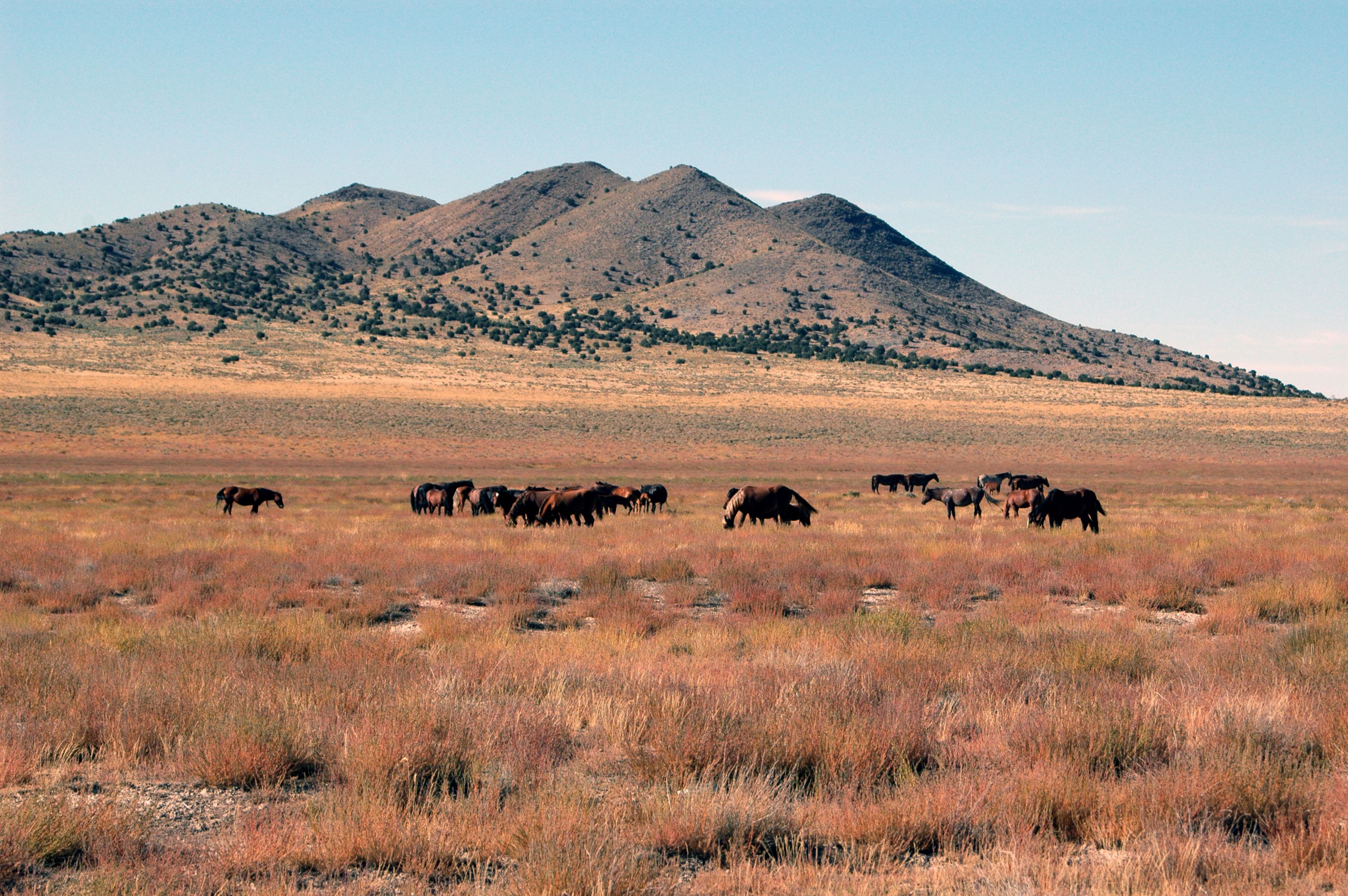
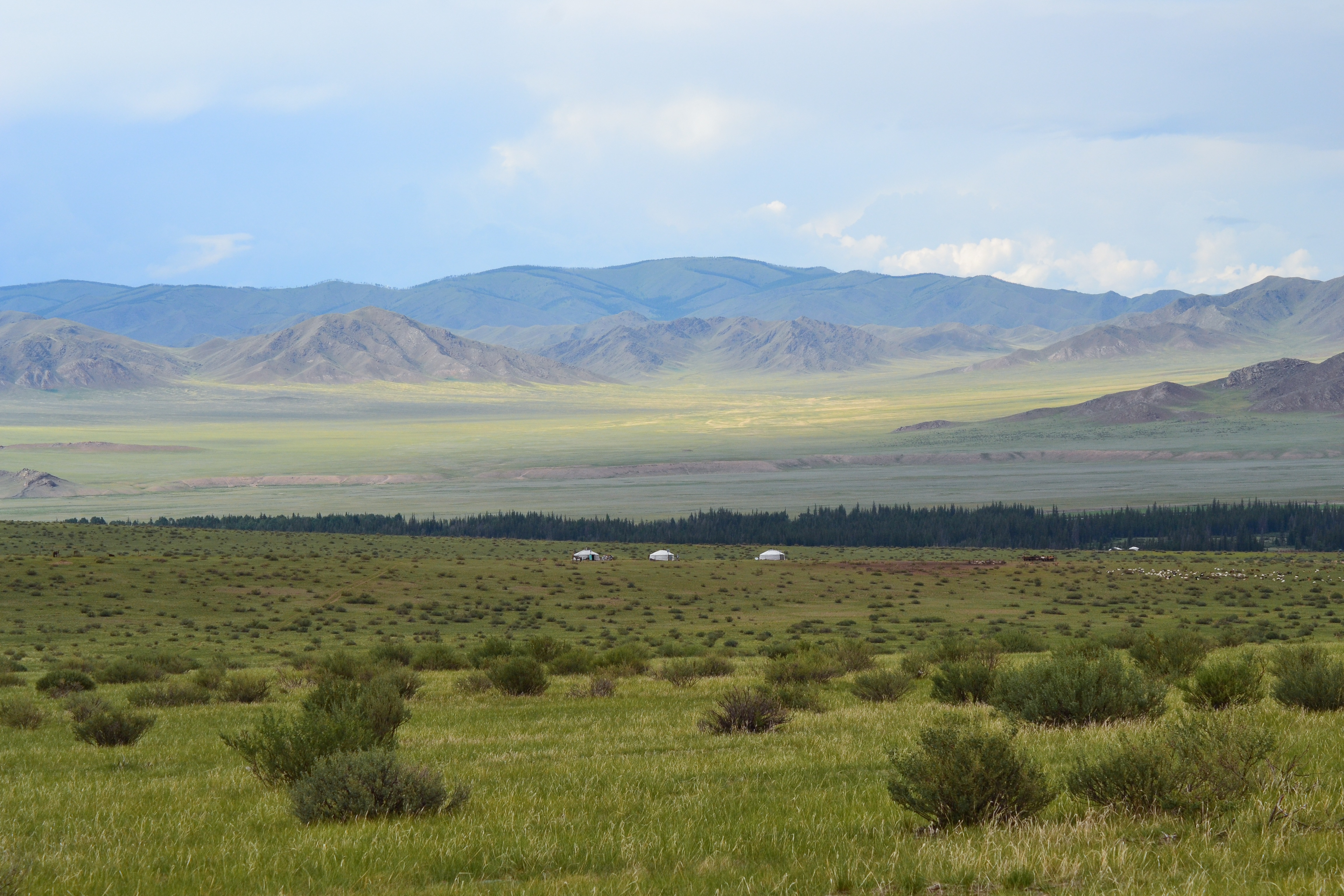
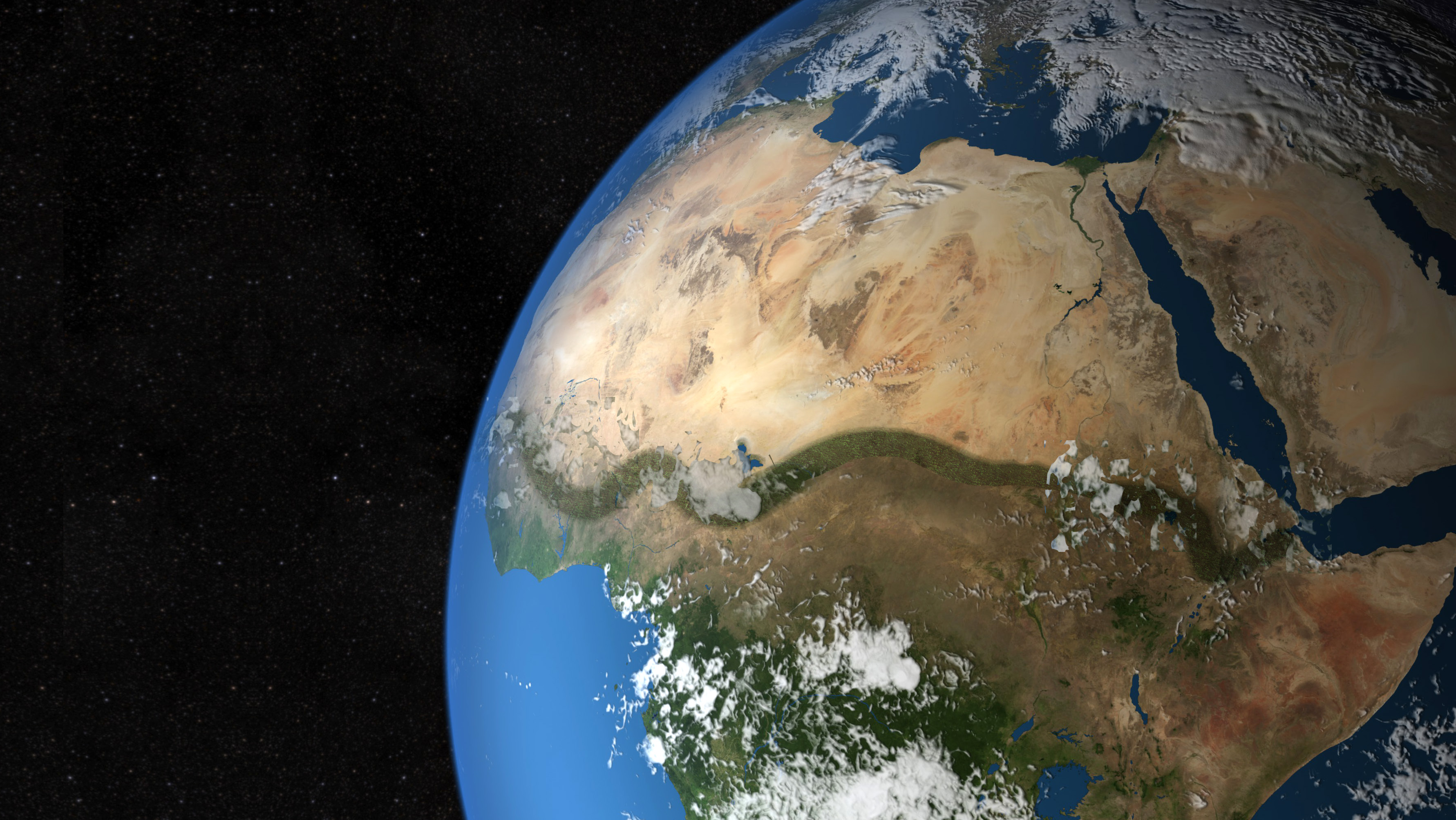

To what extent are a country’s economy, people, and infrastructure able to cope with drought and how can they do better? That is what the latest initiative of IDRA looks to answer, as 75 per cent of Earth’s land has become permanently drier in the last three decades and drought is driving forced displacement, disrupting shipping and hampering food and energy production around the world.The International Drought Resilience Observatory (IDRO), the first global AI-driven platform for proactive drought management, unveiled its prototype at the 16th Conference of the Parties (COP16) of the UN Convention to Combat Desertification (UNCCD) in Riyadh, which laid the groundwork for a future global drought regime.As the tool enters its final development phase ahead of the next UN land conference, which will take place in Mongolia in 2026, IDRO developers and partners break down what sets the Observatory apart, how it fits with existing drought-related initiatives, and why it matters for climate change adaptation.What kind of insights does IDRO provide?IDRO sheds light on the capacity of territories to anticipate, prepare for, and adapt to drought from various perspectives —built environments, natural environments, communities, and the economy. By selecting different variables, users from the global to the local level can generate visualizations to understand where the pain points are and set priorities for action.“With IDRO, authorities and land and water managers will be able to analyze and visualize key drought resilience indicators as the basis for better decisions,” says UNCCD Senior Advisor Edgar Gutiérrez-Espeleta.Importantly, users needn’t be specialists to use, and draw value from, the tool, which can support interventions across global, regional, country, and local scales.Why do we need an International Drought Resilience Observatory?“We must move from merely assessing drought risks towards building resilience,” says Andrea Toreti, senior scientist at the European Commission’s Joint Research Centre (EC- JRC), who coordinates the Copernicus European and Global Drought Observatories. “This is precisely IDRO’s added value: helping to quantify and evaluate the drought resilience status of a place to inform action on the ground.”The confirmation of 2024 as the warmest year on record highlights the growing urgency to turn science and data into policies and policies into action.“Simply put, we cannot adapt to climate change without building drought resilience,” says Roger Pulwarty, Senior Scientist at the Physical Sciences Laboratory of the US National Oceanic and Atmospheric Administration (NOAA). State Secretary of Environment of Spain Hugo Morán, UNCCD Executive Secretary Ibrahim Thiaw, Deputy Minister for Environment of Saudi Arabia Osama Faqeeha, Minister of Environment and Ecological Transition of Senegal Daouda Ngom, and European Commissioner for Environment, Water Resilience and a Competitive Circular Economy Jessika Roswall, during the IDRO presentation at COP16 in December 2024.What unique value does IDRO add to existing drought databases and tools?In the past decade, experts have produced a wealth of data, indicators and metrics on drought and have advocated for a shift in emphasis from response to preparedness. However, the breadth and complexity of this information and the fact that it is scattered means it can be hard for busy decision-makers to use it.IDRO will draw on the best available data globally —including NASA’s and Copernicus’— to answer queries in a format that non-specialists can easily assimilate.“IDRO will package complex drought resilience information into accessible, customizable, and highly actionable formats, unlocking a world of possibilities in terms of assessing priorities, targeting investments, and monitoring progress,” says Hugo Morán, State Secretary of Environment of Spain, which co-chairs IDRA.Who is leading the development of IDRO?IDRO is an initiative of the International Drought Resilience Alliance (IDRA), a global coalition of more than 70 countries and organizations hosted by the UNCCD.The creation of the Observatory is overseen by the IDRA secretariat in collaboration with the Yale Center for Ecosystems + Architecture, which acts as a developer, and top experts from governmental, non-governmental, multilateral, and research organizations from around the world.At a COP16 event on IDRO, Executive Secretary of UNCCD Ibrahim Thiaw pointed out the systemic nature of drought and the need to tackle it together: “We can only achieve meaningful results by joining forces; IDRO is a perfect example of the collaborative mindset we require to protect people from impending and future droughts.”The Minister of Environment and Ecological Transition of Senegal Daouda Ngom, who co-chairs IDRA, also welcomed the development of the Observatory: “It reaffirms our joint commitment to making drought resilience a cornerstone of sustainable development and international cooperation.”What initiatives does IDRO build on?The Drought Initiative, launched by UNCCD in 2018, has already supported more than 70 countries in creating national drought plans and improving the technical and institutional capacity to enhance drought management. Additionally, it put together a toolbox that stakeholders can use to boost the resilience of people and ecosystems to drought.How does IDRO relate to initiatives like the Riyadh Drought Partnership?Unveiled at UNCCD COP16, the Riyadh Global Drought Resilience Partnership is a financial facility launched by Saudi Arabia —an IDRA member since 2024— to support 80 of the world’s most vulnerable countries in preparing for drought.IDRA, which is currently focused on mobilizing political will and developing innovative tools like IDRO, is proud to have inspired the Partnership and the Arab Coordination Group to raise USD 12.15 billion for the land and drought agenda, as announced during COP16.“IDRO will provide critical information to vulnerable communities and synergize with the Riyadh Partnership,” said Deputy Minister for Environment of Saudi Arabia Osama Faqeeha at an IDRO event at the UN conference.What is next for IDRO?IDRA is convening leading drought experts and allies to fine tune suitable environmental and social indicators for drought resilience; further develop the functionalities of the Observatory, which harnesses remote-sensing data and AI; and enhance data collection and visualization. The final version of IDRO, with all its functionalities, is expected to launch at UNCCD COP17 in Mongolia in 2026.

Эр-Рияд, Саудовская Аравия, 14 декабря – После двух недель напряженных переговоров о том, как бороться с деградацией земельных ресурсов, опустыниванием и засухой, в Эр-Рияде (Саудовская Аравия) завершилась крупнейшая и наиболее инклюзивная конференция Организации Объединенных Наций по земельным ресурсам.Около 200 стран, собравшихся на 16-й Конференции сторон (КС-16) Конвенции ООН по борьбе с опустыниванием (КБО ООН), обязались уделять приоритетное внимание восстановлению земель и устойчивости к засухе в национальной политике и международном сотрудничестве в качестве важнейшей стратегии обеспечения продовольственной безопасности и адаптации к климату. Страны также добились значительного прогресса в создании основы для будущего глобального режима борьбы с засухой, который они намерены завершить на КС-17 в Монголии в 2026 году. В то же время было обещано выделить более 12 миллиардов долларов США на борьбу с опустыниванием, деградацией земельных ресурсов и засухой по всему миру, особенно в наиболее уязвимых странах.Среди основных соглашений, достигнутых на КС-16, – создание Платформы коренных народов и Платформы местных общин для обеспечения должного представительства их уникальных перспектив и проблем; продолжение работы по взаимодействию науки и законодательства в рамках Конвенции для укрепления процесса принятия решений на основе научных данных, а также мобилизация участия частного сектора в рамках инициативы Business4Land.КС-16 стала крупнейшей и самой инклюзивной встречей сторон КБО на сегодняшний день: она привлекла более 20 000 участников, около 3 500 из которых представляли гражданское общество, и включала более 600 мероприятий в рамках первой Программы действий, призванной вовлечь негосударственные субъекты в работу Конвенции.В подготовленном заявлении заместитель Генерального секретаря ООН Амина Дж. Мохаммед подчеркнула: «Наша работа не заканчивается с закрытием КС-16. Мы должны продолжать бороться с кризисом климата – это призыв к действию для всех на условиях принять инклюзивности, инновации и устойчивого подхода. Молодежь и коренные народы должны быть в центре этих дискуссий. Их знания, их голоса и творческий потенциал незаменимы, поскольку мы строим устойчивое будущее с обновленной надеждой на грядущие поколения».В заключительном слове президент КС-16, министр окружающей среды, водных ресурсов и сельского хозяйства Саудовской Аравии Абдулрахман Альфадли отметил, что встреча стала поворотным моментом в повышении осведомленности международного сообщества о насущной необходимости ускорить восстановление земельных ресурсов и повысить устойчивость к засухе.«То, что Королевство провело эту важную конференцию отражает нашу неизменную приверженность вопросам охраны окружающей среды и устойчивого развития. Мы подтверждаем свою приверженность сотрудничеству со всеми сторонами в целях сохранения экосистем, укрепления международного сотрудничества в борьбе с опустыниванием и деградацией земельных ресурсов, а также решения проблемы засухи. Мы надеемся, что результаты этой сессии приведут к значительным изменениям, которые укрепят усилия по сохранению земельных ресурсов, уменьшению их деградации, наращиванию потенциала для борьбы с засухой и будут способствовать повышению благосостояния населения всего мира».Выступая на заключительном пленарном заседании КС-16, заместитель Генерального секретаря и Исполнительный секретарь КБО Ибрагим Тиау заявил: «Как мы уже обсудили и убедились, решения находятся в пределах досягаемости. Действия, которые мы предприняли сегодня, определят не только будущее нашей планеты, но и жизни, средства к существованию и возможности тех, кто зависит от земли».Далее он подчеркнул необходимость существенного изменения глобального подхода к решению проблем, связанных с земельными ресурсами и засухой, подчеркнув взаимосвязь этих проблем с более широкими глобальными вопросами, такими как изменение климата, утрата биоразнообразия, продовольственная безопасность, вынужденная миграция и глобальная стабильность.Финансовые потребности и обязательстваВ ходе конференции участники узнали, что, по оценкам КБО, к 2030 году для восстановления более миллиарда гектаров деградированных земельных ресурсов и повышения устойчивости к засухе необходимы инвестиции общим размером не менее 2,6 триллиона долларов США. Это равнозначно 1 млрд долларов США ежедневно с настоящего времени до 2030 года для достижения глобальных целей по восстановлению земельных ресурсов и борьбы с опустыниванием и засухой.Были объявлены новые обязательства по масштабному восстановлению земель и обеспечению готовности к засухе, такие как Партнерство по глобальной устойчивости к засухе Эр-Рияда, которое привлекло 12,15 млрд долларов США для поддержки 80 наиболее уязвимых стран мира в целях повышения устойчивости к засухе, включая обязательство Арабской координационной группы в размере 10 млрд долларов США.Великая зеленая стена, инициатива африканских стран по восстановлению 100 миллионов гектаров деградированных земель, также получила 11 миллионов евро от правительства Италии на восстановление ландшафтов в Сахеле и 3,6 миллиона евро от правительства Австрии для укрепления координации и реализации инициативы в 22 африканских странах. Мобилизация ресурсов осуществляется через Акселератор Великой зеленой стены – усилий при поддержки КБО для реализации задач по созданию более зеленого и процветающего Сахеля.Кроме того, Соединенные Штаты и ряд других стран-партнеров и организаций объявили об общем объеме инвестиций в размере около 70 миллионов долларов США для реализации программы «Видение адаптации сельскохозяйственных культур и почв» (VACS). Инициатива направлена на создание устойчивых продовольственных систем, основанных на разнообразных, питательных и адаптированных к климату культурах, выращиваемых на здоровых почвах.Первая КС КБО на Ближнем Востоке и в Северной Африке предоставила возможность осветить на конкретные проблемы, стоящие перед регионом, и выдвинуть на первый план инновационные решения проблемы деградации земельных ресурсов и засухи.Королевство Саудовская Аравия объявило о пяти новых проектах на сумму 60 млн долларов США, направленных на увеличение масштаба климатических и экологических усилий в рамках Саудовской зеленой инициативы. Председательствующая сторона также объявила о запуске Международной инициативы по мониторингу песчаных и пыльных бурь. Эта инициатива, являющаяся частью региональной системы раннего предупреждения, призвана дополнить существующие проекты, координируемые Всемирной метеорологической организацией (ВМО).Международная обсерватория устойчивости к засухе, прототип которой был представлен на КС-16 – это первая глобальная платформа на основе искусственного интеллекта, помогающая странам оценить и укрепить свой потенциал в борьбе с сильными засухами. Этот инновационный инструмент является инициативой Международного альянса по устойчивости к засухе, к которому Саудовская Аравия присоединилась в начале этого года. Повышение роли коренных народов и других негосударственных субъектовВ своем знаковом решении Стороны предложили создать Платформы коренных народов и местных общин. Их цель заключается в том, чтобы обеспечить должное представительство уникальных перспектив и приоритетов в работе Конвенции. Декларация «Священные земли», представленная в ходе первого Форума коренных народов на КС КБО, подчеркнула роль коренных народов в устойчивом управлении природными ресурсами и призвала к более активному вовлечению в глобальное управление земельными ресурсами и устойчивостью к засухе, в том числе посредством участия в восстановлении земельных ресурсов.«Сегодня свершилась история», – заявил представитель коренных народов Оливер Тестер из Австралии. «Мы с нетерпением ждем возможности осуществить наши обязательства по защите Матери-Земли через специальную платформу и завершаем конференцию с верой в то, что наши голоса будут услышаны».В работе КС-16 также приняло участие самое большое на сегодняшний день количество молодежи, что основывается на Стратегии и плане действий КБО по привлечению молодежи, направленных на повышение роли молодежи в переговорах и инициативах, связанных с землей и засухой, а также на оказание технической и финансовой поддержки инициативам, осуществляемым при лидерстве молодежи.Что касается гендерной проблематики, то страны подчеркнули необходимость уделять особое внимание всем формам дискриминации, с которыми сталкиваются женщины и девушки, при разработке и реализации политики и программ, связанных с деградацией земель и засухой.Признавая важную роль частного сектора, который в настоящее время вносит лишь 6% финансирования в восстановление земельных ресурсов и повышение устойчивости к засухе, Стороны поручили Секретариату КБО и Глобальному механизму мобилизовать участие частного сектора в рамках инициативы Business4Land. В решении подчеркивается важнейшая роль мобилизации частного сектора, стратегий в области охраны окружающей среды, социальной сферы и управления, а также устойчивого финансирования в решении проблем деградации земель, опустынивания и засухи. Это решение было принято после проведения форума Business4Land, который собрал самое большое количество участников из частного сектора на КС КБО – более 400 – из таких отраслей, как финансы, мир моды, агропродовольственная и фармацевтическая промышленность.Укрепление научной основы в области земельных ресурсов и засухиПризнавая роль науки как основы для продуманной законодательной политики, Стороны договорились о продолжении работы Механизма научно-политического взаимодействия КБО, который был создан на КС-11 в 2013 году для преобразования научных выводов в рекомендации для лиц, принимающих решения. На КС-16, например, Механизм представил убедительные доказательства того, что за последние 30 лет три четверти свободной ото льда поверхности Земли стали постоянно суше, и, по прогнозам, к 2100 году в засушливых районах будут жить пять миллиардов человек, что свидетельствует о необходимости принятия срочных мер.Новый доклад КБО «Глобальная угроза засушливых земель: Региональные и глобальные тенденции засушливости и прогнозы на будущее», показано, что около 77,6% суши Земли с 1990-х годов стали более сухими по сравнению с предыдущим 30-летним периодом. За тот же период площадь засушливых земель – засушливых районов с малым количеством осадков - увеличилась примерно на 4,3 млн км2, что почти на треть превышает площадь Индии, 7-й по величине страны мира. Сейчас засушливые земли занимают 40,6% всей суши на Земле, за исключением Антарктиды.Семь из девяти планетарных границ подвержены негативному воздействию неустойчивого землепользования, говорится в докладе КБО «Шаг назад от пропасти: Преобразование управления земельными ресурсами для сохранения планетарных границ», подготовленном в сотрудничестве с Потсдамским институтом исследования воздействия на климат, в котором объясняется, как деградация земельных ресурсов подрывает способность Земли поддерживать увеличивающееся население планеты. В докладе подчеркивается, что на долю сельского хозяйства приходится 23 % выбросов парниковых газов, 80 % обезлесения и 70 % использования пресной воды, и содержится призыв к срочному переходу на устойчивое землепользованию, чтобы избежать необратимых изменений.Согласно недавно выпущенным докладам КБО «Всемирный атлас засух» и «Экономика устойчивости к засухам», засухи ставят под угрозу средства к существованию 1,8 миллиарда человек, усугубляя тем самым положение и без того уязвимых сообществ. Они также обходятся примерно в 300 миллиардов долларов США в год, угрожая таким ключевым отраслям экономики, как сельское хозяйство, энергетика и водоснабжение.От Эр-Рияда до МонголииВпервые Стороны КБО приняли решение, поощряющее устойчивое землеуправление, восстановление и сохранение пастбищных угодий – обширных экосистем, используемых для выпаса скота, – в преддверии КС-17, которая пройдет в Монголии в 2026 году, совпав с Всемирным годом пастбищных угодий и скотоводов. Эти экосистемы, занимающие половину земной поверхности и являющиеся доминирующим видом землепользования в засушливых районах мира, тем не менее долгое время оставались без должного внимания, исчезая быстрее, чем тропические леса.Деградация пастбищных угодий ставит под угрозу одну шестую часть мировых запасов продовольствия и может привести к истощению одной трети запасов углерода на Земле. Около двух миллиардов человек, живущих в пастбищных районах, являются одними из самых уязвимых в мире перед лицом опустынивания, деградации земельных ресурсов и засухи.Справки для СМИ:По вопросам СМИ обращайтесь в пресс-службу КБО по адресу: press@unccd.int или unccd@portland-communications.com.С решениями КС16 можно ознакомиться здесь: https://www.unccd.int/cop16/official-documents.О КБО ООНКонвенция ООН по борьбе с опустыниванием (КБО ООН) – это единственное юридически обязывающее международное соглашение о рациональном землепользовании. Она помогает людям, сообществам и странам достигать благосостояния, развивать экономику и обеспечивать достаточное количество продовольствия, чистой воды и энергии путем создания для землепользователей благоприятных условий для устойчивого управления земельными ресурсами. Благодаря партнерским отношениям 197 участников Конвенции создали надежные системы, позволяющие оперативно и эффективно бороться с засухой. Рациональное землепользование, основанное на разумных законодательных мерах и научном подходе, помогает интегрировать и ускорить достижение Целей устойчивого развития, повышает устойчивость к изменению климата и предотвращает потерю биоразнообразия. О КС-16Конференция Сторон (КС) учреждена Конвенцией в качестве главного органа, ответственного за принятие решений. Она объединяет 197 Сторон (196 стран и Европейский союз и отвечает за координацию работы Конвенции, чтобы та могла выполнять свою миссию, отвечая как на общемировые задачи, так и национальные потребности. КС-16 КБО ООН является знаковым событием, направленным на повышение уровня глобальных стремлений и ускорение действий по повышению устойчивости земель и засухоустойчивости на основе подхода, сфокусированного на интересах людей. Она также приурочена к 30-й годовщине Конвенции. Это также первый случай проведения КС КБО ООН в регионе Ближнего Востока и Северной Африки, который в значительной степени испытывает последствиях опустынивания, деградации земель и засухи.

Negotiations on a future global drought regime get underway at UNCCD COP16US$ 2.15 billion pledged for the Riyadh Global Drought Resilience PartnershipWorld Drought Atlas highlights global drought impacts and resilience solutionsInternational Drought Resilience Observatory will provide first global, AI-driven data platform to assess drought resilience globallyRiyadh, Saudi Arabia, 3 December 2024 — Negotiations on a global drought regime are set to dominate the 16thConference of the Parties to the United Nations Convention to Combat Desertification (UNCCD COP16) as 197 Parties gather to address one of the world’s deadliest and costliest disasters. The conference opened on Monday, 2 December with major political and financial commitments to strengthen drought resilience worldwide. Drought, intensified by climate change and unsustainable land practices, has surged by nearly 30 per cent in frequency and intensity since 2000, threatening agriculture, water security, and the livelihoods of 1.8 billion people, with the poorest nations bearing the brunt.In his opening remarks, Ibrahim Thiaw, UNCCD Executive Secretary, said: “We are all gathered here to make COP16 a historic moment. The world expects Parties to adopt a bold decision that can help turn the tide on the most pervasive and the most disruptive environmental disaster: drought.” In a video message to delegates at UNCCD COP16 in Riyadh, United Nations Deputy Secretary-General Amina J. Mohammed emphasized the growing challenges posed by land degradation and drought: “Never before have so many people been affected by land degradation and drought. 40 per cent of fertile land is now degraded. And the results are dire: rising inequalities, people hungry, people displaced. Livelihoods and businesses threatened, environments destroyed, and the foundation of peace, stability and security rocked. On the basis of current trends, by 2050, three in four people, will be affected by drought worldwide. But you are in Riyadh to turn the tide.” Newly elected COP16 President Abdulrahman Alfadley, Saudi Arabia’s Minister of Environment, Water, and Agriculture, echoed these concerns, noting that degraded land already affects three billion people globally and will “increase levels of migration, stability, and insecurity among many communities.”COP16 will focus on establishing the first global regime for drought resilience, addressing the systemic risks of drought highlighted in multiple articles of the UNCCD and decisions from the past seven COPs. Governments are expected to negotiate commitments to enhance resilience at all levels, building on recommendations from the Intergovernmental Working Group on Drought established at COP15.Riyadh Global Drought Resilience Partnership Secures $2.15 Billion in CommitmentsThe Riyadh Global Drought Resilience Partnership, announced today by the Kingdom of Saudi Arabia as UNCCD COP16 host, will leverage public and private finance to support 80 of the most vulnerable and drought-hit countries around the world. An initial US $2.15 billion have been pledged towards the Riyadh Partnership by the Kingdom of Saudi Arabia (US$150 million), the Islamic Development Bank (US$1 billion) and the OPEC Fund for International Development (US$1 billion). The Arab Coordination Group, which encompasses 10 institutions headquartered in five countries, is expected announce its pledge on day two of COP16.“The Riyadh Drought Resilience Partnership will serve as a global facilitator for drought resilience, promoting the shift from reactive relief response to proactive preparedness. We also seek to amplify global resources to save lives and livelihoods around the world,” said Dr Osama Faqeeha, Deputy Minister for Environment, Ministry of Environment, Water and Agriculture of Saudia Arabia and Advisor to the UNCCD COP16 Presidency. The Partnership will work to source additional funding through voluntary contributions by countries, financial institutions, and philanthropic organizations, among others. The financial and in-kind contributions help least developed countries (LDCs) and lower middle-income countries to unlock access to additional financing through blended financing such as concessional loans, commercial loans, equity participation, savings, insurance and other financial schemes.State Secretary of Environment of Spain Hugo Morán, said: “For Spain and Senegal, the co-chairs the International Drought Resilience Alliance (IDRA), promoting international cooperation is a key priority. We are working very hard to mobilize political momentum and resources for drought resilience all over the world. However, much remains to be done. This is why we welcome the Riyadh Partnership and its potential to mobilize additional resources for drought resilience with a focus on the least developed countries and the lower middle-income countries. We look forward to collaborating with Saudi Arabia and the UNCCD Secretariat to leverage synergies between IDRA and this new partnership.” Negotiations on drought underwayA major focus of COP16 will be negotiations on a future global regime on drought resilience, the first of its kind. Multiple articles of the Convention text refer to drought and the last seven UNCCD COPs also have decisions related to drought. The Drought Resilience + 10 Conference, held in Geneva from 30 September to 2 October 2024, concluded that “the increasingly systemic nature of drought requires new approaches, policy instruments and the operationalization of national drought plans along the lines of proactive and integrated drought management.”It is expected that the negotiations among governments, culminating at UNCCD COP16, will result in robust commitments to strengthen community, national and international resilience to anticipate, respond to and recover from the impacts of impending or ongoing droughts, building on the policy options presented by the Intergovernmental Working Group on Drought established at COP 15.“After 30 years of deliberations, including six consecutive years of intergovernmental working groups, all eyes are on us. This is a lot of pressure, but we must seize this pivotal moment in Riyadh. Together, we can reverse the trends of land degradation and build a more resilient world to drought,” said UNCCD’s Thiaw. World Drought Atlas and International Drought Resilience ObservatoryAmid escalating global drought crises, the UNCCD, in collaboration with the European Commission Joint Research Centre (JRC) and partners, launched the World Drought Atlas, highlighting the systemic risks of drought across critical sectors like energy, agriculture, river transport and trade, using maps, infographics and case studies to showcase its cascading impacts on inequality, conflict and public health. In addition, the International Drought Resilience Alliance (IDRA) introduced the prototype International Drought Resilience Observatory (IDRO) — an AI-powered global platform designed to empower diverse stakeholders, from policymakers to communities, with actionable insights for building drought resilience. The full version of IDRO will debut at UNCCD COP17 in Mongolia in 2026, marking a shift towards proactive drought management worldwide. Anna Dyson, Founding Director of Yale Center for Ecosystems + Architecture, explained: “Although a wealth of knowledge is emerging on drought resilience globally, it tends to be scattered and difficult to access. The Observatory will enable quick access to diverse expertise and tools needed to anticipate, prepare for, and adapt to drought challenges. Connecting insights with powerful analytics, it delivers timely, actionable information while addressing critical gaps in risk and adaptive strategies.Media inquiries:For media enquiries please contact the UNCCD Press Office at press@unccd.intAbout UNCCDThe United Nations Convention to Combat Desertification (UNCCD) is an international agreement on good land stewardship. It helps people, communities and countries create wealth, grow economies and secure enough food, clean water and energy by ensuring land users an enabling environment for sustainable land management. Through partnerships, the Convention’s 197 Parties set up robust systems to manage drought promptly and effectively. Good land stewardship based on sound policy and science helps integrate and accelerate achievement of the Sustainable Development Goals, builds resilience to climate change and prevents biodiversity loss. About COP16 The Conference of the Parties (COP) was established by the Convention as its main decision-making body. It is made up of UNCCD’s 197 Parties (196 countries and the European Union) and is responsible for guiding the Convention so that it can respond to global challenges and national needs. UNCCD COP16 will be a landmark event to raise global ambition and accelerate action on land and drought resilience through a people-centred approach. It will coincide with the Convention’s 30th anniversary. UNCCD COP16 is the first major UN conference hosted by the Kingdom of Saudi Arabia. It will also be the first time a UNCCD COP is held in the Middle East and North Africa (MENA) region, which knows firsthand the impacts of desertification, land degradation and drought. About IDRAThe International Drought Resilience Alliance (IDRA) is the first global coalition creating political momentum and mobilizing financial and technical resources for a drought-resilient future. As a growing platform of more than 70 countries and institutions, IDRA draws on the collective strengths of its members to advance policies, actions, and capacity-building for drought preparedness, acknowledging we are only as resilient to drought and climate change as our land is. The work of IDRA is aligned with, and supportive of, the mandate of the United Nations Convention to Combat Desertification (UNCCD), which hosts the IDRA Secretariat. For more information: https://idralliance.global.Photo: (c) IISD-ENB Anastasia Rodopoulou

Открыта аккредитация СМИСегодня до 40 процентов земель в мире подвержены деградации, что затрагивает половину человечества и имеет тяжелые последствия для климата, биоразнообразия и средств к существованию людей. Засухи становятся все более частыми и масштабными, увеличившись на 29 % с 2000 года из-за изменения климата и неустойчивого управления земельными ресурсами. Если нынешние тенденции сохранятся, то для достижения мира, в котором не будет деградации земельных ресурсов, к 2030 году потребуется восстановить 1,5 миллиарда гектаров земли.В переломный год экологических переговоров, когда проходят ключевые встречи по биоразнообразию, изменению климата и опустыниванию, 16-я сессия Конференции сторон (КС) Конвенции ООН по борьбе с опустыниванием(КС-16 КБО ООН) представляет собой важнейшую веху. Под девизом «Наша земля. Наше будущее», Конференция примет представителей правительств, гражданского общества и ведущих экспертов для продвижения глобальных усилий по борьбе с деградацией земель, опустыниванием и засухой, а также поддержанию при этом устойчивого развития. Совпадая с 30-й годовщиной КБО, КС-16 станет крупнейшей на сегодняшний день конференцией ООН по земельным ресурсам и первой Встречей сторон КБО, проводимой в регионе Ближнего Востока и Северной Африки, не понаслышке знающем о последствиях опустынивания, деградации земель и засухи.ЧТО: 16-я сессия Конференции сторон Конвенции ООН по борьбе с опустыниванием КОГДА: 2-13 декабря 2024 г.ГДЕ: Бульвар Эр-Рияд Сити, Al Imam Saud Ibn Faysal Rd. Хиттин, Эр-Рияд, Королевство Саудовская АравияПРОГРАММА: https://www.unccd.int/official-documents/cop-16-riyadh-saudi-arabia-2024/agenda?date=2024-12-02УЧАСТНИКИ:Руководители высокого уровня из около 100 стран мираРяд бывших глав государств, входящих в консультативный совет высокого уровня COP16 (Колумбия, Коста-Рика, Финляндия, Сенегал)Члены королевских семей из Саудовской Аравии и других стран Заместитель Генерального секретаря ООН и более 30 глав подразделений ООН и международных организацийЗначимые личности из мира искусства и спорта, включая послов доброй воли КБО, удостоенных награда музыкантов, кинематографистов и спортсменовМолодежные лидеры, включая героев земель КБО и молодых предпринимателей Лидеры бизнеса, гражданского общества и коренных народовПРЕДСТОЯЩИЕ КЛЮЧЕВЫЕ ДОКЛАДЫ1 декабря: Презентация Специального доклада о земле, подготовленного Потсдамским институтом исследований климатического воздействия Присоединяйтесь к первой пресс-конференции 2 декабря в 13:15 с участием: Первого заместителя Генерального секретаря Амины Дж. МохаммедИсполнительного секретаря КБО ООН Ибрагима ТиауПредседателем КС-16 и Йоханом Рокстромом, директором Потсдамского института исследований воздействия на климат 2 декабря: Презентация Глобального атласа засух3 декабря: Презентация Оценки финансовых потребностей для осуществления КБО 3 декабря: Презентация доклада Экономика устойчивости к засухе6 декабря: Презентация Справочника по связям между городскими и сельскими районами и земельным ресурсами9 декабря: Презентация Отчета о глобальных тенденциях засушливостиОСНОВНЫЕ НАПРАВЛЕНИЯ ДЕЯТЕЛЬНОСТИНа COP16 будут рассмотрены важнейшие темы, включая деградацию земель, устойчивость к засухе и устойчивое управление земельными ресурсами. Основные цели конференции включают: Ускорение восстановление деградированных земель к 2030 году и далееПовышение устойчивость к усиливающимся засухам и песчано-пылевым бурямВосстановление здоровья почв и расширение производства продуктов питания с учетом природных факторовОбеспечение права на землю и содействие справедливости в целях устойчивого управления земельными ресурсамиПоддержание роли земельных ресурсов в решении проблем климата и биоразнообразияРаскрытие новых экономических возможностей, включая достойные рабочие места для молодежи в области землепользованияТЕМАТИЧЕСКИЕ ДНИДень земли (4 декабря): Посвящен роли здоровых земельных ресурсов в решении проблем изменения климата, создания рабочих мест и борьбы с бедностью, с акцентом на решения на основе природы и привлечение частного сектораДень агропродовольственных систем (5 декабря): Уделит особое внимание устойчивым методам ведения сельского хозяйства для выращивания жизнестойких культур, обеспечения здоровья почв и защиты экосистемДень управления (6 декабря): Посвящен инклюзивному управлению земельными ресурсами и законообразованию, направленному на обеспечение равноправного управления земельными ресурсамиДень людей (7 декабря): Посвящен вовлечению молодежи, женщин и гражданского общества в процесс принятия решений, связанных с земельными ресурсамиДень науки, техники и инноваций (9 декабря): Посвящен продвижению научных достижений в области охраны здоровья и устойчивости земельных ресурсовДень устойчивого развития (10 декабря): Посвящен законодательным мерам и технологиям, способствующих повышению устойчивости к изменению климатаДень финансирования (11 декабря): Призван продемонстрировать инновационные финансовые механизмы в поддержку восстановление земель и устойчивость к засухеМЕРОПРИЯТИЯ ВЫСОКОГО УРОВНЯ Министерские диалоги высокого уровняМинистерский диалог по устойчивости к засухе: От Женевы до Эр-Рияда и далее: Укрепление глобальных и национальных законодательных инструментов для активного подхода к борьбе с засухой (2 декабря, 15:00 - 17:00): Сделает акцент на острой необходимость в инновационных подходах к устранению системных последствий засухиМинистерский диалог по вопросам финансирования: Разблокирование государственного и частного финансирования для восстановления земельных ресурсов и повышения устойчивости к засухе (3 декабря, 10:00 - 13:00): Поставит во главу угла острую необходимость в увеличении инвестиций для борьбы с деградацией земель, опустыниванием и засухойМинистерский диалог по миграции: Последствия деградации земельных ресурсов и засухи для вынужденной миграции, безопасности и обеспечения процветания (3 декабря, 14:00 - 17:00): Рассмотрит вопрос о том, как устойчивое землепользование и устойчивость к засухе могут решить взаимосвязанные проблемы деградации земель, вынужденной миграции и конфликтовФорум «Бизнес для земли» (4 декабря 13:00 - 15:00)Форум соберет мировых лидеров для привлечения частного сектора, развития государственно-частных партнерств и продвижения ведущей роли бизнеса в области устойчивого землепользования, восстановления и повышения жизнестойкости.Гендерный форум (4 декабря 10:00 - 13:00)Форум способствует диалогу и демонстрации инициатив по продвижению гендерного равенства, стимулируя совместные решения по борьбе с опустыниванием, деградацией земель и засухойМолодежный форум (5-7 декабря) Трехдневный форум расширит возможности молодых лидеров, будет способствовать обмену знаниями и мобилизует молодежь для действия по восстановлению и защите земель для устойчивого будущегоФорум коренных народов (7 декабря, 10:00 - 13:00)Первый форум COP16 продемонстрирует роль коренных народов в сохранении земель, объединив знания предков с глобальными усилиями по борьбе с опустыниванием.Объявление чемпиона Sport4Land (7 декабря, павильон 1 Stage)Кампания UNCCD #Sport4Land, стартовавшая на Олимпийских играх 2024 года в Париже, мобилизует спортсменов на борьбу за восстановление земель, представляя новых послов и стимулируя глобальный диалог о роли спорта в восстановлении.Аккредитация СМИ и логистикаАккредитация представителей СМИ, освещающих КС-16, уже открыта. Журналистам следует подать заявку через Систему онлайн-регистрации - эксклюзивную платформу для получения аккредитации и разрешений. Дополнительная информация для СМИ доступна на странице COP16 для СМИ.Информацию о визах и размещении можно найти на сайте КБОСоциальные сети Следите за @UNCCD в соцсетях (Twitter/X, Instagram, LinkedIn, Facebook)Основной хэштег: #COP16RiyadhВторичные хэштеги: #UNCCDCOP16, #OurLandOurFuture, #UNited4Land, #HerLand, #Sport4Land, #Youth4Land Ключевые ресурсы Trello КС-16 КБО ООН, включая руководящие принципы брендинга и ключевые сообщенияВеб-сайт КС-16 КБО ООНВеб-сайт принимающей страныПриложение для конференции КС-16 доступно в магазинах приложений Apple и Google PlayUN WebTV – прямая трансляция ключевых пленарных заседаний с прямым переводом на все шесть языков ООН.Комплект материалов для прессы и СМИКомплект материалов для социальных сетей

In the lead-up to UNCCD COP16, views from the world’s leading experts on how to speed up action More than 30 countries declared drought emergencies in the past three years alone, and that is only the tip of the iceberg: from India and China, home to every third person in the world; to high-income nations such as the US, Canada and Spain; to Uruguay, Southern Africa and even Indonesia, known for its rainforest, recent events are proof that no country is immune to drought, but all can better anticipate, prepare for, and adapt to it.Droughts impeded grain transportation in the Rhine; disrupted international trade via the Panama Canal; and led to hydropower cuts in Brazil, which depends on water for more than 60 per cent of its electricity supply. In this context, the Drought Resilience +10 conference convened the world’s leading experts in Geneva from 30 September to 2 October. They took stock of the significant progress made since the first meeting in 2013 — which framed drought as a risk to be managed with policies, rather than an unavoidable disaster—and discussed ways to speed up action for drought resilience in the next decade.Jointly convened by the World Meteorological Organization, the Global Water Partnership and the UNCCD, the conference brought together more than 1,000 in-person and online participants from 143 countries. Its recommendations will be central to the negotiations on drought at UNCCD COP16, which will take place from 2-13 December 2024 in Riyadh, Saudi Arabia. Here are some of the key perspectives from the global drought community that will inform the path from Geneva to Riyadh and beyond:Droughts are a new normal“Too often, the world continues talking about drought as an anomaly, a disaster, an extreme,” said the Director of the UNU Institute for Water, Environment and Health (UNU-INWEH), Kaveh Madani. “But we know a lot of these water bankruptcy situations are permanent now, a new normal. This means it is imperative we take action to prepare for, and adapt, to harsher droughts.”Droughts are a continuum rather than an event that is confined to a specific place and time. They have serious carry over effects that trigger domino effects; supercharge heat waves and floods, multiplying the risks to lives and livelihoods; and, if no measures are taken, increase the vulnerability of communities, economies, and ecosystems to the next drought, feeding a vicious cycle and. So how can the world get ahead of this phenomenon?“We have the tools, what we need to change are the mindsets,” said director of the National Drought Mitigation Center in the US, Mark Svoboda. “Thinking that because there is rainfall, action can wait, is a mistake. We need to deal with drought before it happens, and we enter panic mode.”Drought is a development and a security issueAround 70 per cent of the world’s available freshwater is in the hands of people living off the land, most of them subsistence farmers in low-income countries with limited livelihood alternatives. Around 2.5 billion of them are youth. Without water there is no food and no land-based jobs, which can lead to forced migration, instability, and conflict.“It is critical to address water-scarcity within the broader context of the Sustainable Development Goals and the global climate, land, and biodiversity targets,” said Secretary General of WMO Celeste Saulo.In the words of Andrea Meza, Deputy Executive Secretary of the United Nations Convention to Combat Desertification (UNCCD): “Drought is not merely an environmental matter. Drought is a development and human security matter that we must urgently tackle from across all sectors and governance levels.”Drought is rising on the global agenda The ravages made by harsher and faster human-made droughts, the knowledge that they are only starting to manifest themselves, and a decade of awareness-raising have propelled the issue up the global agenda, starting with the first UN Conference on Water in nearly 50 years in 2023. This 2024, the European Council has just urged comprehensive EU-wide action to build resilience to drought and achieve Land Degradation Neutrality (LDN) by 2030; the United Nations Environment Assembly (UNEA), the world's highest-level environmental decision-making body, passed a resolution on drought and land restoration for the first time; and the issue of drought featured prominently at G20 meetings in Brazil.Additionally, drought —and the need for sustainable land and water management— is being recognized as a connector of the Rio Conventions on biodiversity, climate and land, which will all have their COPs taking place in quick succession from October to December. A top priority now is aligning goals, coordinating actions, and harmonizing financial flows at the global level, but especially at the national and community level.“Policies must trigger change on the ground. This is where we need to go in the next 10 years, otherwise, people will continue to die,” warned Rachael McDonnell, Deputy Director General of Research at the International Water Management Institute (IWMI).Drought is a long-run gameParticipants agreed that tackling drought is a long-run game as opposed to typical political cycles and investment logics, which tend to favor short-term views.“Drought relief does not promote self-reliance,” said UNCCD drought expert Daniel Tsegai. “Instead, it increases the vulnerability of communities and economic sectors by fueling their dependency on governments and donors, creating a perverse incentive that does not allow them to build their resilience.” In parallel, the true costs of drought are not readily apparent due to its widespread and cumulative impacts, which affect everyday life in ways that are not always attributed to drought, according to Roger Pulwarty, Senior Scientist at the Physical Sciences Laboratory of the US National Oceanic and Atmospheric Administration. The result is that drought has been allowed to become one of the most deadly and costly hazards on the planet. “Building and measuring drought resilience calls for long-term investments,” said Nathan Engle, Senior Climate Change Specialist with the World Bank's Water Global Practice. Longer horizons also make it possible to adapt governance and management to lessons learned and evolving circumstances —particularly, in the context of climate change.Solutions must support healthy land and ecosystemsDrought is not only the lack of rain, but a result of the way we treat our land and ecosystems. One of the challenges in reducing the impacts of drought globally is getting that very message across to decision-makers, finance institutions, and communities. Land degradation fuels drought and climate change and vice versa, meaning that protecting, restoring and sustainably managing lands is central to drought resilience. “Sustainable land use planning and design offers the largest economic benefit for disaster risk reduction as compared to measures focused on relocation, mitigation and retrofitting , such as reinforcement of existing structures,” said Pulwarty from NOAA. Land restoration and nature-based solutions like constructed wetlands, which use nature-inspired processes to treat water, can also offer solutions for both drought and floods, as noted by The Nature Conservancy, the Global Water Partnership, and the UN Environment Program (UNEP.)Currently, investments in nature-based solutions represent only 3 per cent of the close to US$ 7 trillion invested globally each year in activities that have a direct negative impact on nature from both public and private sector sources. Redirecting damaging finance flows and incentives, mainstreaming drought into donor relationships, and having public and private partners join forces were some of the priorities outlined by participants, together with having ecosystems featured in drought plans.Drought impact data urgently neededEarly warning systems have seen a remarkable development in the past decade, as more regions and countries harness meteorological and physical data to anticipate drought. The next decade requires achieving early warning for all, making sure actionable information trickles down to communities, but not only that.“Conducting vulnerability and impact assessments on a regular basis is essential to understand who exactly is at risk and why, according to sector, location, and stakeholder group,” said Chief of the WMO Agricultural Meteorology Division Robert Stefanski.Svoboda, from the National Drought Mitigation Center in the US, concurred: “We need a baseline on impacts to gauge how our vulnerability is changing, and this can only be achieved if we collect impact data in the same way we collect data on rainfall and temperature.”Rural women and girls typically bear the brunt of drought impacts, although they are also at the forefront of the drought resilience efforts that protect the sustenance of entire communities. Hence, systematically collecting sex disaggregated data to gauge their vulnerability and the impacts they face, but also the solutions they devise is another priority.Considering data availability more broadly, some organizations are exploring the potential of Artificial Intelligence (AI) to fill data gaps, as noted by Secretary General of GWP Alan AtKisson: “We are looking at how AI could be used, and when it could be trusted, to inform scenario development and support water governance to tackle both drought and floods,” he said.Health enters the drought conversationWhile most drought-related deaths in the past decades were due to famine and malnutrition, drought increasingly multiplies the risks to human health by intensifying heat waves, increasing wildfires, and driving land degradation, ultimately worsing air quality and water quality and quantity. Participants noted that drought impacts health directly and indirectly, particularly affecting rural women and children, the elderly, and those who work outdoors. Droughts can trigger respiratory illness that can lead to asthma and cardiac disease; mental health problems; water-borne diseases, and malnourishment —all of which is compounded by the disruption of health services and hygiene. “There is a need for preventive immunization in drought-stricken areas, for mental health services, and for gender-responsive drought plans that integrate health,” noted Qudsia Huda, Head of Disaster Risk Management and Resilience at the World Health Organization (WHO). Another priority is educating decision-makers, healthcare providers, and communities on how to reduce drought health risks.UNCCD COP16 can mark a new era for drought resilienceNegotiations at the UN land and drought summit in Riyadh, or UNCCD COP16, will be informed by the recommendations experts have drafted in the aftermath of Drought Resilience +10 —guidance on core issues like governance, finance, and inclusion of non-State actors. With its 197 signatories, UNCCD is the only legally binding instrument that addresses land degradation and drought at the global level.The goal is mobilizing the necessary political, financial, and human capital to adequately anticipate, reduce, prepare for, and recover from drought risks, as part of an all-of-government, all-of-society approach that treats drought resilience as what it is —a sustainable development and global security issue. “The way to address global challenges is through multilateralism,” said UNCCD’s Andrea Meza. “Building drought resilience is a long-term process that requires a clear and common vision; that is why an ambitious COP decision on drought is so important.” Learn more about the final Drought Resilience +10 recommendations, watch plenary sessions, and check out presentations here.Register for UNCCD COP16 and check out the agenda here.

In the past decade, experts have produced a wealth of data, indicators and metrics on drought. But the breadth and complexity of this information and the fact that it is scattered, means it can be hard for busy decision-makers to use it in their efforts to build drought resilience on the ground. Meanwhile, there is a growing urgency to turn science and data into policies and policies into action, as droughts are projected to touch three in four people globally by 2050 due to the combined effects of climate change and land degradation.Enter the International Drought Resilience Observatory (IDRO), the first global, AI-powered data platform for proactive drought management and an initiative of the International Drought Resilience Alliance (IDRA). The Observatory will provide a single portal where managers can easily analyse and visualise key social and environmental drought resilience indicators — and use them to make practical decisions.At the Drought Resilience +10 Conference, held in Geneva from 30 September to 2 October, IDRA and several of its allies announced that work is underway to develop the Observatory, whose prototype will be unveiled at the UNCCD COP16 in Riyadh, Saudi Arabia, in December.The event was championed by Saudi Arabia and Spain, an IDRA-co-chair together with Senegal. It also featured global drought experts; the United Nations Convention to Combat Desertification (UNCCD), which hosts the IDRA Secretariat; and the Yale Center for Ecosystems + Architecture (Yale CEA), which is developing the digital platform.Packaging data for action“There is tremendous knowledge on drought and drought resilience out there,” said founding director of Yale CEA Anna Dyson. “With the Observatory, we want to get the right information, to the right people, at the right time, distilling and connecting data from existing platforms while filling critical gaps in risk and vulnerability assessment.”The Observatory will rely on different sources: the users themselves, who can input data from their own countries; global datasets like the European Union’s Earth Observation programme, known as Copernicus; and outputs from remote-sensing tools, which will be particularly helpful for data-poor territories that still need to make decisions based on science to build their resilience to drought. “The Sahel, where I come from, is very data scarce, but that can’t stop us from thinking about how to enhance our resilience to drought in the face of climate change,” said Fadji Maina, associate research scientist at the NASA Goddard Space Flight Center. “The information captured by satellites will be particularly helpful for regions like ours.”Decision-makers at all levels will be able to curate their own IDRO dashboard depending on their interests and needs; conduct AI-powered searches to find data and answers; and explore the impact of different variables on societies and ecosystems. Immersive, interactive visualizations will also allow them to experience and compare what different scenarios would look like on the ground.Ultimately, IDRO will allow users to understand how well they are doing in terms of preparing their societies and ecosystems for future droughts, what they can improve and how best to target their investments at the national and subnational level as part of a whole-of-government, whole-of-society approach.For the executive director of the Africa Group II at the World Bank, Abdoul Bello, the Observatory will be a welcome tool for countries in his constituency, which include some of the most vulnerable to desertification and drought globally, like Niger, Chad, Mali and Burkina Fasso.“IDRO speaks to our new vision to eradicate extreme poverty and promote shared prosperity in a livable planet; and drought resilience is critical to realize this vision,” said Bello. Additionally, the World Bank will act as interim host of the Fund for Responding to Loss and Damage adopted by parties to the UN Convention to Combat Climate Change (UNFCCC), which Bello sees as an opportunity to increase funding for the drought resilience and land restoration agenda.The session also counted on top experts from the global drought community who are contributing to the development of IDRO, like director of the National Drought Mitigation Center at the University of Nebraska-Lincoln Mark Svoboda; director of the United Nations University Institute for Water, Environment and Health Kaveh Madani and senior scientist at the European Commission’s Joint Research Centre Andrea Toreti.Drought in the global agendaDrought resilience will continue rising to the top of the global agenda in 2024, a year that will see the summits of the three Rio conventions (Biodiversity, Climate, Desertification) take place from October to December in Colombia, Azerbaijan and Saudi Arabia.“We must make the most of the current momentum to launch tools like IDRO, which has great potential to enhance proactive and integrated drought management at all levels, bridging science and data with policies and action,” said Clara Cabrera Brasero, deputy ambassador at the Permanent Mission of Spain to the UN in Geneva.At UNCCD COP16, world leaders are expected to adopt a landmark decision on drought resilience, creating a Paris-Agreement moment for land and drought. “Together, we can develop a comprehensive framework to enhance drought resilience across borders,” said Ayman Ghulam, chief executive officer at the National Center of Meteorology of Saudi Arabia and UNCCD COP16 president, who noted that IDRA is one of the key partners of the summit.For deputy executive secretary of UNCCD Andrea Meza, COP16 will be a unique opportunity to raise awareness on the intricate links between drought, land and climate; share tools and knowledge; and chart concrete strategies to prepare communities, countries and regions for future droughts.Meza encouraged all stakeholders to register for the Riyadh summit — world leaders, civil society organizations, the private sector, journalists, experts and managers — and bring best practices, ideas and tools.“We need political will and we also need science. IDRO will bring together key data, facilitate its visualization and make it accessible for decision-makers to accelerate national and local investments for drought resilience,” said Meza.
