Stories
Latest
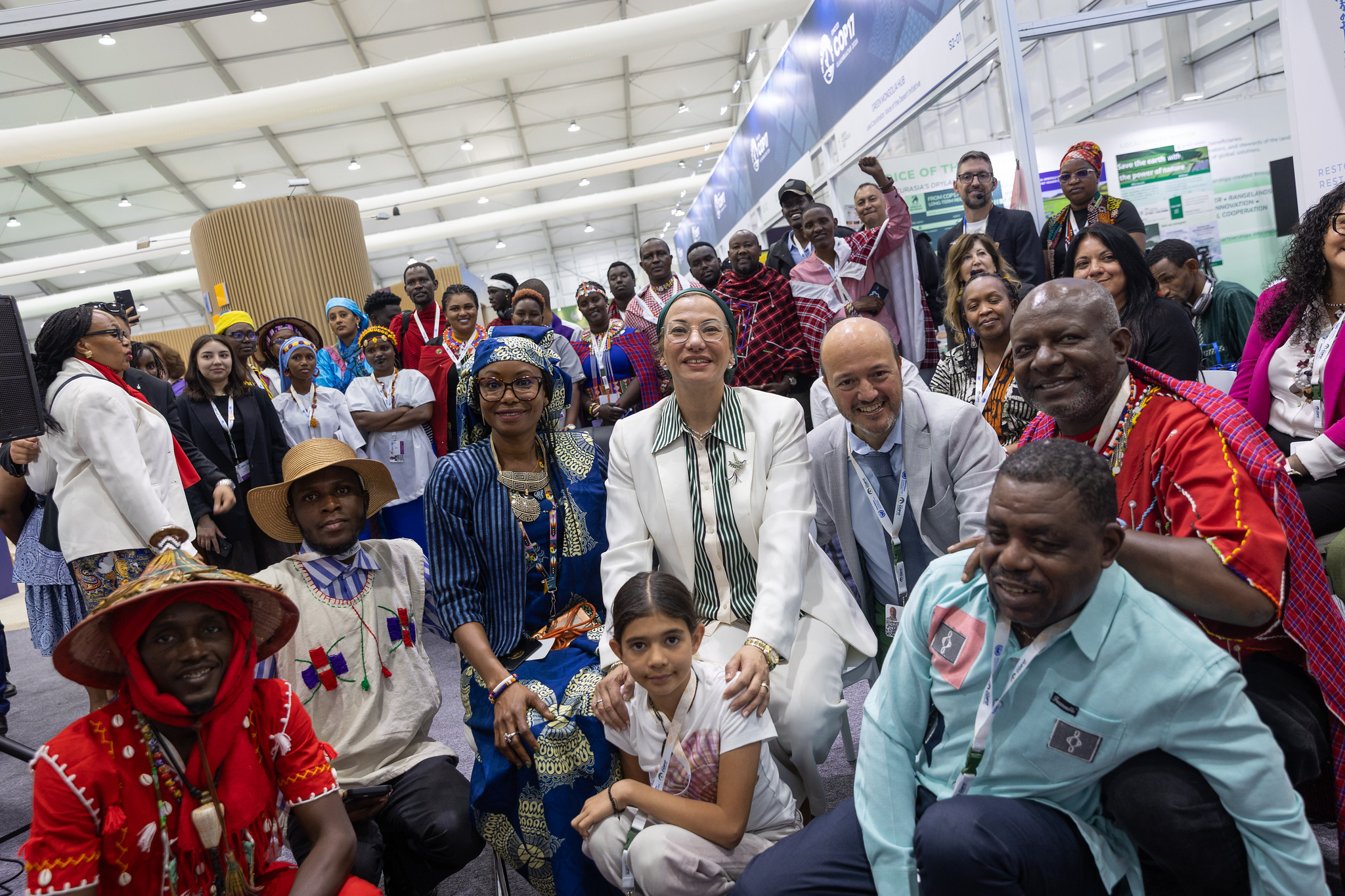
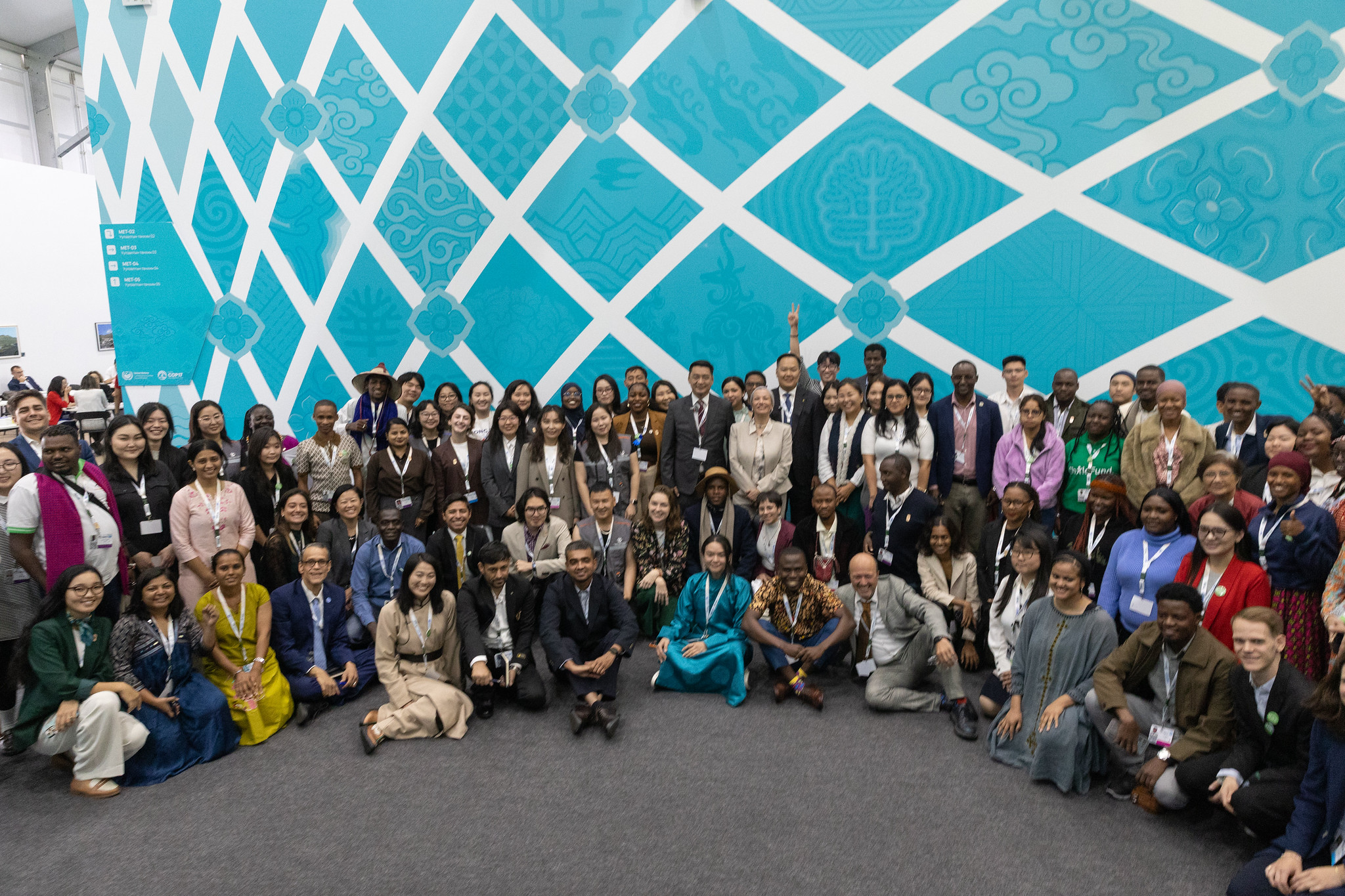
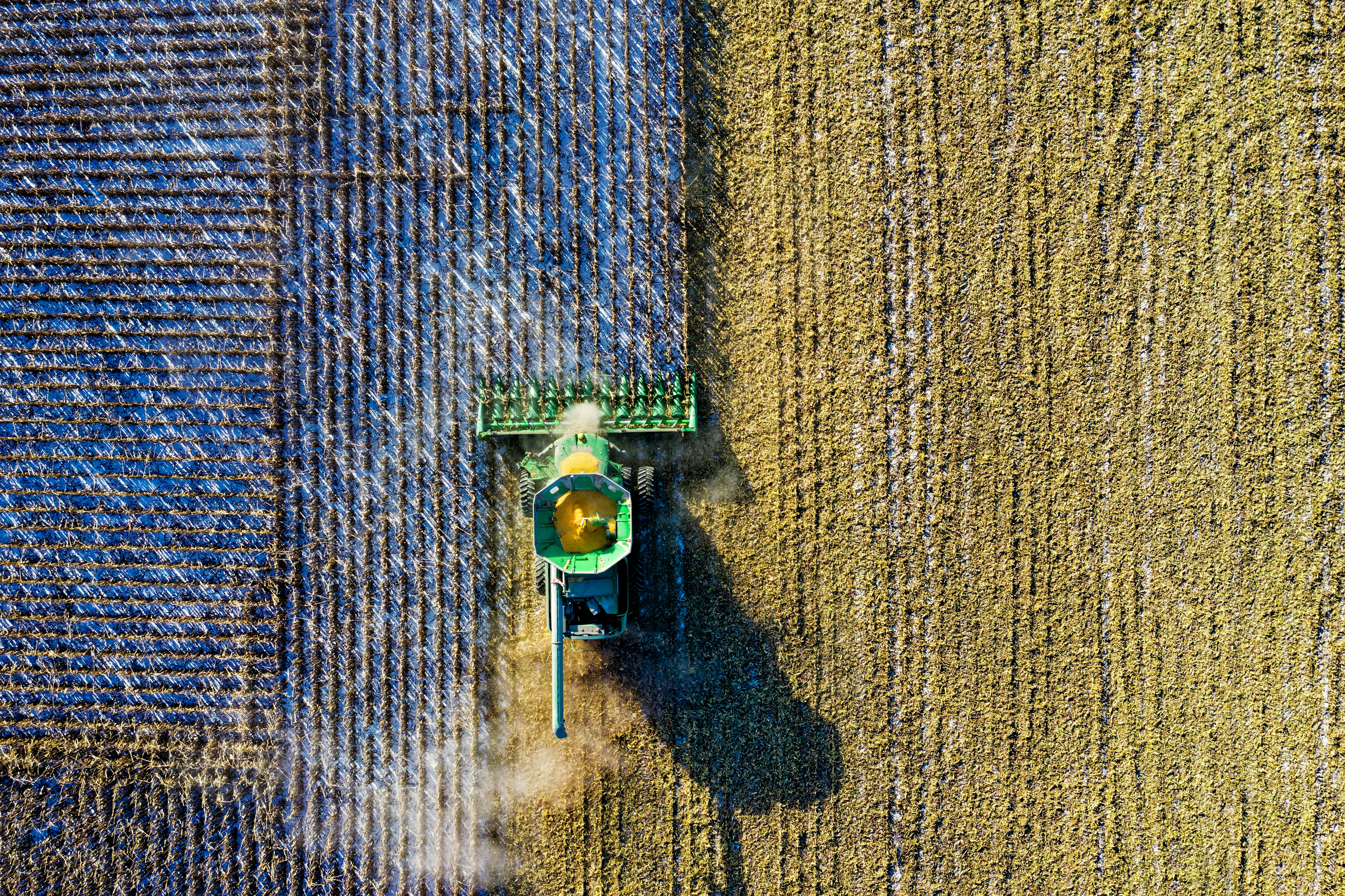

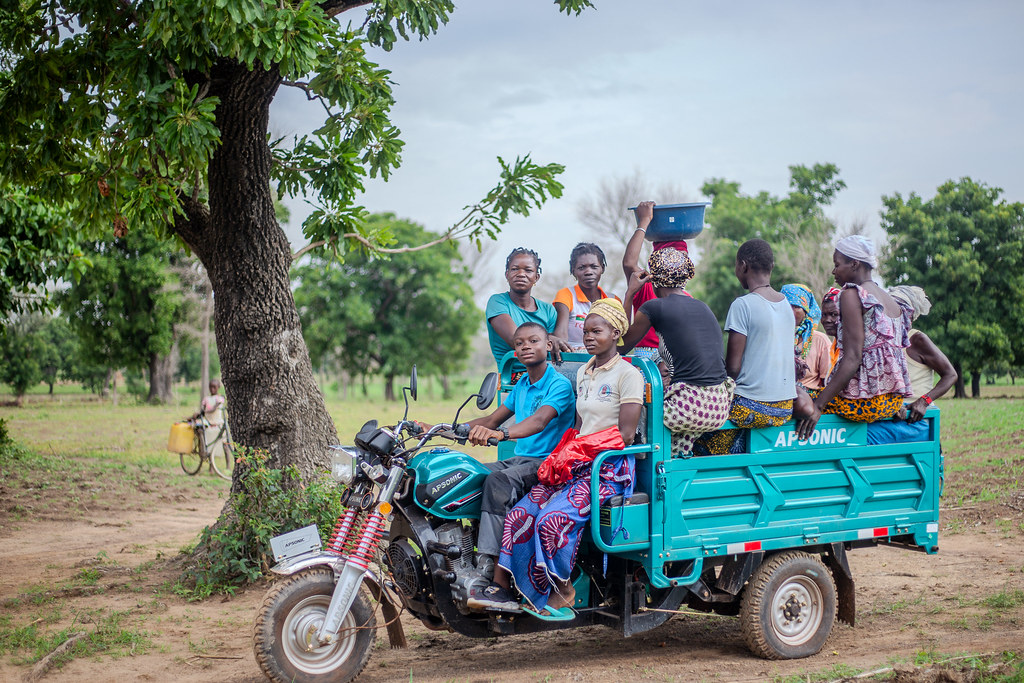

The signs are everywhere: cracked earth, dry rivers, failed crops and families forced to abandon their land. What was once seen as a rare natural disaster has become a persistent and intensifying threat. Drought is no longer confined to distant deserts or erratic seasons. It is advancing—slowly, silently—across borders and climate zones, placing unprecedented stress on people and ecosystems alike. Since 2000, the frequency and intensity of droughts have risen by 29 per cent. More than 1.4 billion people have already been affected. Economically, drought can slash a country’s GDP by up to 10 per cent and drag down growth for years. By mid-century, as much as three-quarters of the global population could face its impacts. For millions, it means far more than dry weather—it means food insecurity, water shortages, price spikes and the erosion of homes and livelihoods. And yet, unlike earthquakes or floods, drought gives us one rare advantage: time. Time to anticipate, adapt and build resilience. The challenge is not only to recognize the warning signs, but to act before the emergency unfolds. That imperative brought a wide range of stakeholders to Cologne, Germany, for the Inaugural Conference of the Riyadh Global Drought Resilience Partnership held on 23-24 June 2025. Over two days of discussion and collaboration, government representatives, UN entities, financing institutions and technical experts worked to transform political intent into practical momentum. “This partnership is not another global fund. It is not just a trust fund. It is not about reacting to drought when it's too late. It is about building integrated, national systems of resilience—rooted in transparency, equity and the voices of local communities. This is how we protect lives, livelihoods and ecosystems before the crisis hits,” said the United Nations Convention to Combat Desertification (UNCCD) Executive Secretary Ibrahim Thiaw. “If we wait until drought hits, it’s already too late. The cost—in human lives, in resources, in stability—is simply too high. This initiative is about shifting from reaction to resilience. It’s about building early warning systems, strengthening national drought plans, investing in risk mitigation and creating partnerships that are inclusive, science-based and focused on the communities most at risk. No one actor can do this alone—we need a collective, global response.” said H.E. Dr. Osama Faqeeha, Deputy Minister of Environment, Water and Agriculture, KSA. Launched at UNCCD COP16 under the leadership of the host country, the Kingdom of Saudi Arabia, the Riyadh Global Drought Resilience Partnershipwas established to help countries move beyond crisis response toward proactive drought risk reduction. At its core is the belief that resilience is not forged in crisis, but through long-term preparation—by enhancing early warning systems, adopting climate-smart agriculture, managing land and water sustainably and putting financial safeguards in place before disaster strikes. The Riyadh Partnership brings these elements together into a coordinated global framework. It offers countries access to technical assistance and funding through a dual financing model: pooled contributions to a multi-donor trust fund and direct bilateral support aligned with nationally identified priorities. The Partnership draws on existing alliances and tools, including the International Drought Resilience Alliance (IDRA), the Integrated Drought Management Programme and regional initiatives such as the Middle East Green Initiative (MGI). Moving from vision to action In Cologne, delegates reached consensus on the Riyadh Partnership's core governance structure and began outlining its operational roadmap. Financing featured prominently, with calls to mobilize diverse instruments and align efforts across existing initiatives. Key announcements included a one-billion-dollar commitment from the Islamic Development Bank for drought resilience projects by 2030, and an indication from the Global Environment Facility that its upcoming funding cycle will call for a greater focus on drought. The United Nations Capital Development Fund also proposed a de-risking mechanism to facilitate access to financing. Several partners—including the United Nations Development Programme (UNDP), the World Meteorological Organization (WMO), the International Water Management Institute (IWMI) and the Consultative Group on International Agricultural Research (CGIAR)—offered technical expertise, while others committed to strengthening synergies with frameworks such as IDRA and MGI to ensure national actions are reinforced by global coordination. Importantly, the first Steering Committee was successfully identified during the Conference, marking a critical milestone in establishing the Partnership’s long-term governance. The agreed governance structure includes a Steering Committee, Secretariat, Fund Trustee, Independent Review function and an Assembly of Partners. The UNCCD will host the Secretariat and the UN Multi-Partner Trust Fund Office will act as Trustee. Work is now underway to finalize the Riyadh Partnership’s governance document—a foundational charter that will define roles, responsibilities and processes. This document, to be completed in the coming months, will reflect the Partnership’s inclusive, regionally representative and institutionally diverse approach. The conference concluded with broad agreement on a shared path forward. In the months ahead, work will focus on finalizing the Steering Committee, launching early flagship projects and putting in place practical financial delivery mechanisms for the most drought-prone countries. “This is just the beginning,” said Louise Baker, Managing Director of the UNCCD Global Mechanism. “We’ve built strong momentum and now we move to implementation—bringing this partnership to life on the ground.” This energy will carry into UNCCD COP17 in Mongolia next year, where countries are expected to review initial progress, share lessons and formally integrate the Partnership into the Convention’s future work. What began in Riyadh as a bold pledge is now taking shape as a long-term platform for action—helping countries anticipate and withstand one of the most pressing environmental challenges of our time.

От арктической тундры до равнинных степей всё заметнее истощаются почвы, усиливаются эрозия и деградация земель — наглядное напоминание о том, что ни один регион мира не застрахован от этих процессов.Деградация земель уже не ограничивается засушливыми территориями — сегодня это острый глобальный кризис, и страны с самым разным климатом, географией и системами землепользования ощущают его последствия. Осознание того, что проблема не знает климатических границ —напрямую затрагивая продовольственную безопасность, устойчивость к изменению климата и экономическую стабильность — выводит её в центр международной повестки,Именно поэтому Конвенция ООН по борьбе с опустыниванием (КБО) — единственный в мире юридически обязывающий договор по вопросам земель и почв — ставит во главу угла приоритетом сотрудничество между регионами и секторами для услешного решения проблемы.Россия, ещё недавно считавшаяся страной за пределами зоны риска опустынивания, сегодня сталкивается с деградацией земель по нескольким направлениям. Хотя пустыни занимают лишь небольшую часть её огромной территории, 85 процентов сельскохозяйственного производства сосредоточены всего на семь процентов земель — и именно они наиболее уязвимы. В 2023 году в стране официально зафиксировано 1,1 млн га деградированных земель; площадь растёт примерно на 42 тыс. га ежегодно. Главный фактор — промышленность, на сельское хозяйство приходится 18 процентов.Именно эти вопросы оказались в центре внимания недавнего круглого столе в Доме ООН в Москве, где были подведены итоги 16-й Конференции Сторон Конвенции (КС-16) и oценено их значение для России. Встречу организовал фонд «Природа и человек» — первый и единственный аккредитованный российский наблюдатель при Конвенции. В дискуссии участвовали представители власти, науки, гражданского общества и международных организаций.Один из ключевых выводов, полностью созвучный итогам КС-16: угрозу деградацию земель нужно учитывать во всех экосистемах, включая бореальные и арктические. Российские учёные отметили, что методики, разработанные для оценки опустынивания в засушливых регионах, уже успешно адаптированы к северным широтам. Такой подход отражает современный научный подход, связывающих здоровье почв с климатической устойчивостью, биоразнообразием и продовольственной безопасностью.Начальник отдела науки, технологий и инноваций КВО Джонс Мулесо Карика подчеркнул: «Переход от узкого фокуса на опустынивании и засухи к борьбе с “тихим кризисом” деградации земель во всех экосистемах демонстрирует стратегическое изменение подхода к проблеме. Конвенция объединяет страны, сталкивающиеся с деградацией из-за обезлесения, урбанизации, эрозии почв и других факторов». Он особо отметил роль науки в поиске устойчивых решений.Первый заместитель председателя Комиссии Общественной палаты России по экологии Николай Доронин привёл тревожные данные: в 2023 году деградированными признаны 1,1 млн га, что превышает площадь Кипра или Ливана и сопоставимо с территорией Катара, причем 18 процентов этих земель — сельхозугодья.Спутниковый мониторинг, улучшенные посадочные материалы, биотехнологии восстановления и другие современные решения становятся ключевыми инструментами. Российские научные центры разрабатывают передовые методы мониторинга, классификации и адаптивного восстановления, но их успех зависит от координации усилий, стабильного финансирования и законодательной поддержки.Отдельная тема — ответственность бизнеса. Участники встречи призвали предпринимателей взять на себя ответственность за земельные ресурсы, которые они используют, особенно учитывая, что многие деградированные земли находятся в промышленных зонах и рядом с ними. Выступающие были единодушны в том, что деградация земель — общая проблема, требующая совместных действий всех секторов.Готовясь к следующей встрече КБО КС-17 в Монголии, российские организации уже готовят новые научные разработки и законодательные рекомендации, опираясь на национальный опыт мониторинга земельных ресурсов, обмена знаниями и межсекторального планирования. Круглый стол показал: деградация земель уже не воспринимается как периферийная тема. По мере того как повестка Конвенции развивается, а деградация выходит за национальные и экосистемные границы, становится ясно: опустынивание больше не локальная проблема. Россия готова поддержатъ эту работу как многолетним опыт, так и новейшими научными подходами.Деградация земель не знает границ. И чтобы ей противостоять, необходимо мыслить и действовать сообща.Подробнее о встрече — по этой ссылке. Фото: naturepeople.org

Three independent scientists will soon have the opportunity to contribute to shaping the future direction of the UNCCD through participation in the Intergovernmental Working Group on the Future Strategic Framework (IWG-FSF).This expert group, established by Decision 4/COP.16, will support the development of key elements for a post-2030 strategic framework. Its work will include a review of the current UNCCD goals and indicators, ensuring future efforts to combat desertification, land degradation and drought (DLDD) are informed by robust, science-based evidence and aligned with global sustainability processes.The IWG-FSF will comprise regional representatives and technical experts, including three independent scientists selected through an open call launched on 5 June 2025, following the approval of the group’s terms of reference. The selection will be based on criteria outlined in the approved terms. Please note that the earlier call issued on 19 May 2025 has been withdrawn. Interested applicants are requested to resubmit their applications.An interim report on the group’s progress is expected at CRIC 23 in December 2025.

17-я сессия Конференции сторон (КС-17) Конвенции ООН по борьбе с опустыниванием (КБО ООН) пройдет в столице Монголии Улан-Баторе с 17 по 28 августа 2026 года.Это ключевое международное событие объединит делегатов от 197 сторон Конвенции, глав государств, министров, представителей международных организаций, научного сообщества, гражданского общества и частного сектора для выработки решений по взаимосвязанным проблемам опустынивания, деградации земель и засухи.Монголия, чья территория составляет 1,56 миллиона квадратных километров, сталкивается с деградацией земель примерно на 76,9 процента своей площади. Признавая решающую роль рационального управления земельными ресурсами в преодолении тройного экологического кризиса, страна стала одним из ведущих участников глобальных усилий по борьбе с опустыниванием и укреплению устойчивости земель.Масштабные программы развития Монголии, включая национальные инициативы в области охраны окружающей среды и сельского хозяйства, делают страну стратегическим местом проведения КС-17 КБО ООН.Конференция будет приурочена к Международному году пастбищных угодий и скотоводов ООН (МГПС-2026), предоставляя уникальную глобальную возможность привлечь внимание к устойчивому управлению пастбищами и потребностям более чем миллиарда людей, чьи средства к существованию напрямую зависят от этих жизненно важных экосистем.В течение двухнедельной конференции участники примут участие в сегменте высокого уровня, который включает министерские диалоги, форумы с участием многих заинтересованных сторон и тематические дискуссии по вопросам интеграции науки и политики, инноваций, передового опыта, технологий и финансирования.Ожидается, что мероприятие усилит сотрудничество и практические действия в различных секторах, способствуя достижению целей устойчивого управления земельными ресурсами, восстановления экосистем и реализации задач по достижению нейтрального уровня деградации земель (НБДЗ).С целью придать импульс КС-17, повысить осведомленность и вовлечь молодежь, Монголия уже запустила ряд национальных инициатив. Одним из ключевых предстоящих мероприятий станет национальный форум «Youth4Land», запланированный на 16–17 июня 2025 года в городе Мандалгови, провинция Дундгови, в рамках празднования Всемирного дня борьбы с опустыниванием и засухой. Форум соберет более 100 молодых скотоводов, исследователей и политиков для совместной разработки устойчивых решений по управлению земельными ресурсами на основе традиционных знаний и научных данных. Эта инициатива отражает приверженность страны реализации итогов предыдущих конференций КБО ООН и содействию инклюзивному участию.Активная программа Монголии в сфере устойчивого развития и охраны окружающей среды, включая национальное движение «Миллиард деревьев», инициативу по развитию сельских районов на базе общин «Белое золото» и агропочвенную инициативу «Продовольственная революция», подчеркивает роль страны как регионального и глобального примера действенной политики.Проведение КС-17 предоставит историческую возможность вывести международное сотрудничество в области земельных ресурсов, климата и биоразнообразия на новый уровень.Эта важнейшая конференция станет значимым шагом на пути к объединению мира в борьбе с деградацией земель и изменением климата, укрепляя вклад Монголии в построение устойчивого и жизнеспособного будущего для всех.За дополнительной информацией обращайтесь:Пресс-служба КБО ООН, press@unccd.int, https://www.unccd.int, @unccdМинистерство окружающей среды и изменения климата Монголии: https://www.mecc.gov.mn О КБО ООН Конвенция ООН по борьбе с опустыниванием (КБО ООН) – это единственное юридически обязывающее международное соглашение о рациональном землепользовании. Она помогает людям, сообществам и странам достигать благосостояния, развивать экономику и обеспечивать достаточное количество продовольствия, чистой воды и энергии путем создания для землепользователей благоприятных условий для устойчивого управления земельными ресурсами. Благодаря партнерским отношениям 197 участников Конвенции создали надежные системы, позволяющие оперативно и эффективно бороться с засухой.Рациональное землепользование, основанное на разумных законодательных мерах и научном подходе, помогает интегрировать и ускорить достижение Целей устойчивого развития, повышает устойчивость к изменению климата и предотвращает потерю биоразнообразия.https://unccd.int О Международном годе пастбищ и скотоводов По инициативе Монголии Генеральная Ассамблея ООН провозгласила 2026 год Международным годом пастбищ и скотоводов (МГПС 2026), чтобы улучшить управление пастбищами и жизнь скотоводов. В своей декларации государства-члены ООН призываются инвестировать в устойчивое управление пастбищами, восстанавливать деградировавшие земли, улучшать доступ скотоводов к рынкам, расширять службы распространения знаний о животноводстве и восполнять пробелы в знаниях о пастбищах и скотоводстве. В этом же году в Монголии пройдет и КС-17 КБО. https://iyrp.info

The United Nations Secretary-General, following consultation with the Bureau of the Conference of the Parties to the United Nations Convention to Combat Desertification (UNCCD), announced the appointment of Yasmine Fouad of Egypt as the next Executive Secretary of the UNCCD. Serving as Minister of Environment of Egypt since 2018, Yasmine Fouad is an expert in environmental diplomacy with over 25 years of experience in environmental governance, global environmental themes and international climate diplomacy. She has a proven track record in designing and implementing institutional and systemic reforms for sustainable development. She holds a Ph.D. in Euro-Mediterranean Studies, Cairo University, and an M.Sc. in Environmental Science, Ain Shams University. She is fluent in English and Arabic.Welcoming the announcement made yesterday in New York, UNCCD Executive Secretary Ibrahim Thiaw said: “Yasmine Fouad brings with her a wealth of experience and deep commitment to the environment and sustainable development. I warmly congratulate her on her appointment and have full confidence that she will bring new energy and vision to the role.”Ms. Fouad will be the fifth UNCCD Executive Secretary, succeeding Mr. Ibrahim Thiaw of Mauritania, Ms. Monique Barbut of France, Mr. Luc Gnacadja of Benin and Mr. Hama Arba Diallo of Burkina Faso. The Secretary-General expressed his deep gratitude to Mr. Thiaw "for his dedicated service and outstanding commitment to the Organization".Ms. Fouad will commence her first three-year term in office later this year.

Land degradation is a global crisis—one that is reshaping landscapes, livelihoods and futures. Each year, vast areas of productive lands are lost, affecting nearly half of humanity and costing the global economy an estimated US$878 billion. In Latin America, over 20 per cent of arable land is already degraded due to deforestation, overgrazing and other types of unsustainable land use. At the heart of the UNCCD is the belief that land is not only a natural resource—it is a source of life, identity and resilience. But while policies and data help define the challenge, it is the stories from the ground that bring its true scale and urgency into focus. Here is where ReVerde plays a crucial role. The documentary-style television programme gives voice to the people behind the headlines—those living with and responding to the impacts of land degradation. From Indigenous communities to small-scale farmers, from urban collectives to rural cooperatives, the programme captures the diverse efforts underway to restore ecosystems, protect local resources and create sustainable alternatives. Aligned with the UNCCD’s vision for sustainable land stewardship, ReVerde explores both the challenges and the solutions. It highlights community-led restoration, the importance of ancestral knowledge and the risks posed by unregulated development. Ahead of this year's Desertification and Drought Day on 17 June 2025, hosted in Bogotá, Colombia, with the theme— “Restore the Land. Unlock the Opportunities.”— ReVerde stories remind us that restoration is not an abstract goal, but a daily effort being led by communities on the ground. The benefits are clear: land restoration can reverse more than US$1 trillion in agricultural productivity losses, strengthen food security for over a billion people and create millions of sustainable jobs. But to meet global targets, a significant funding gap—currently US$278 billion per year—must be closed. In telling the stories of land and those who care for it, ReVerde does more than inform—it inspires, builds understanding, sparks dialogue and brings us closer to a future where land is restored, protected and valued for generations to come. In its next chapter, ReVerde turns its lens to the global observance of Desertification and Drought Day—continuing its mission to spotlight the people and places at the heart of our planet’s most pressing challenges.
