News & stories

Latest
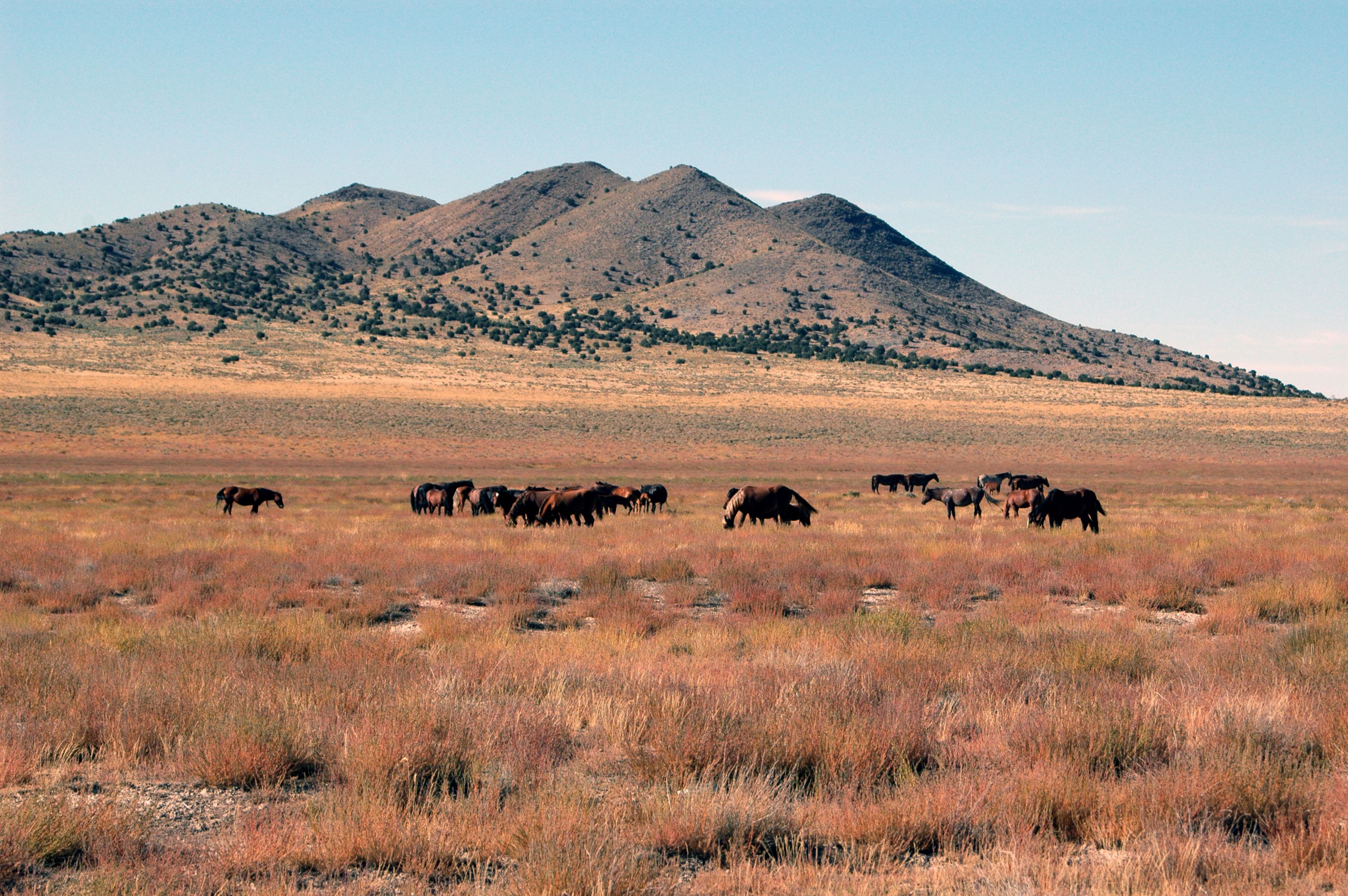
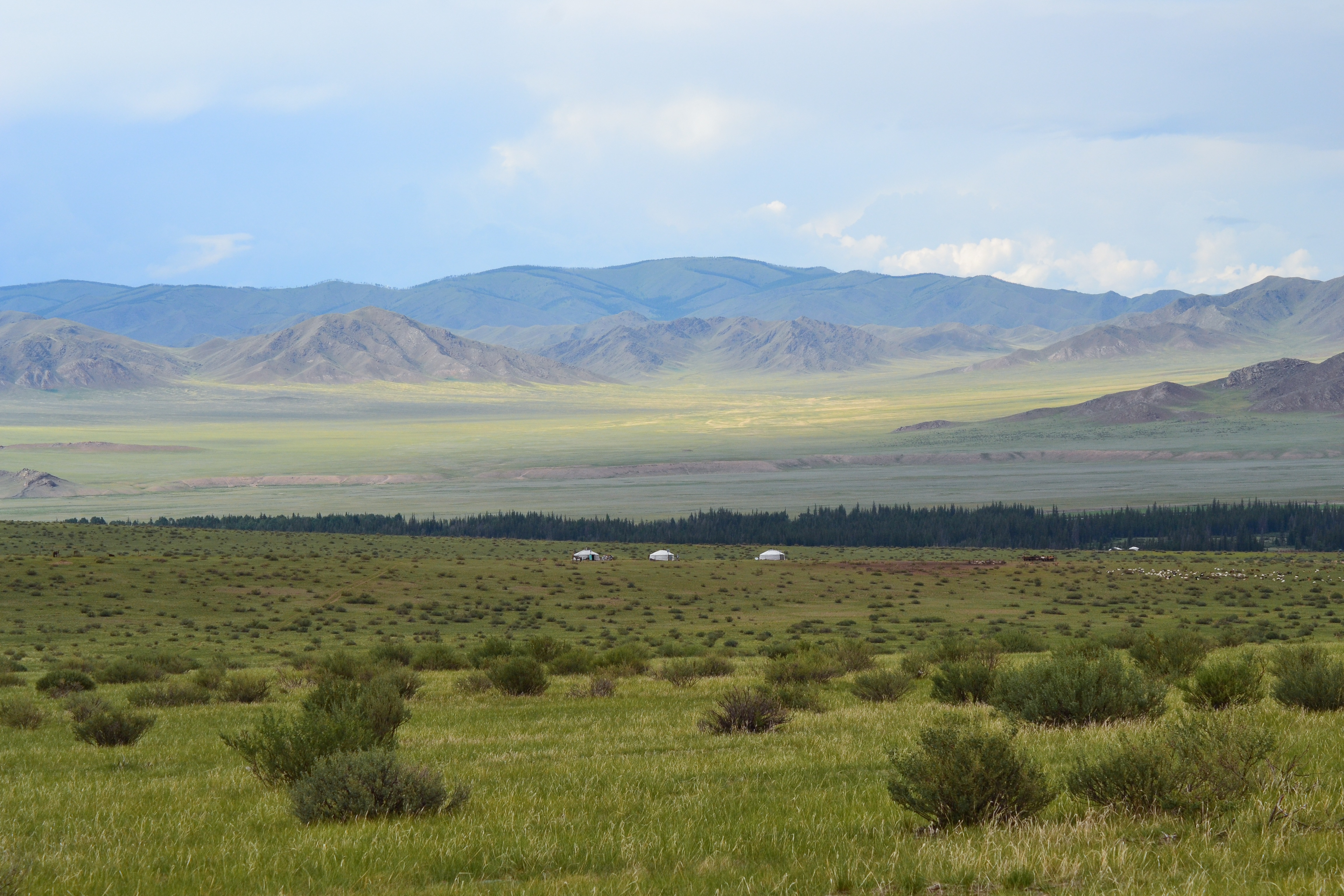
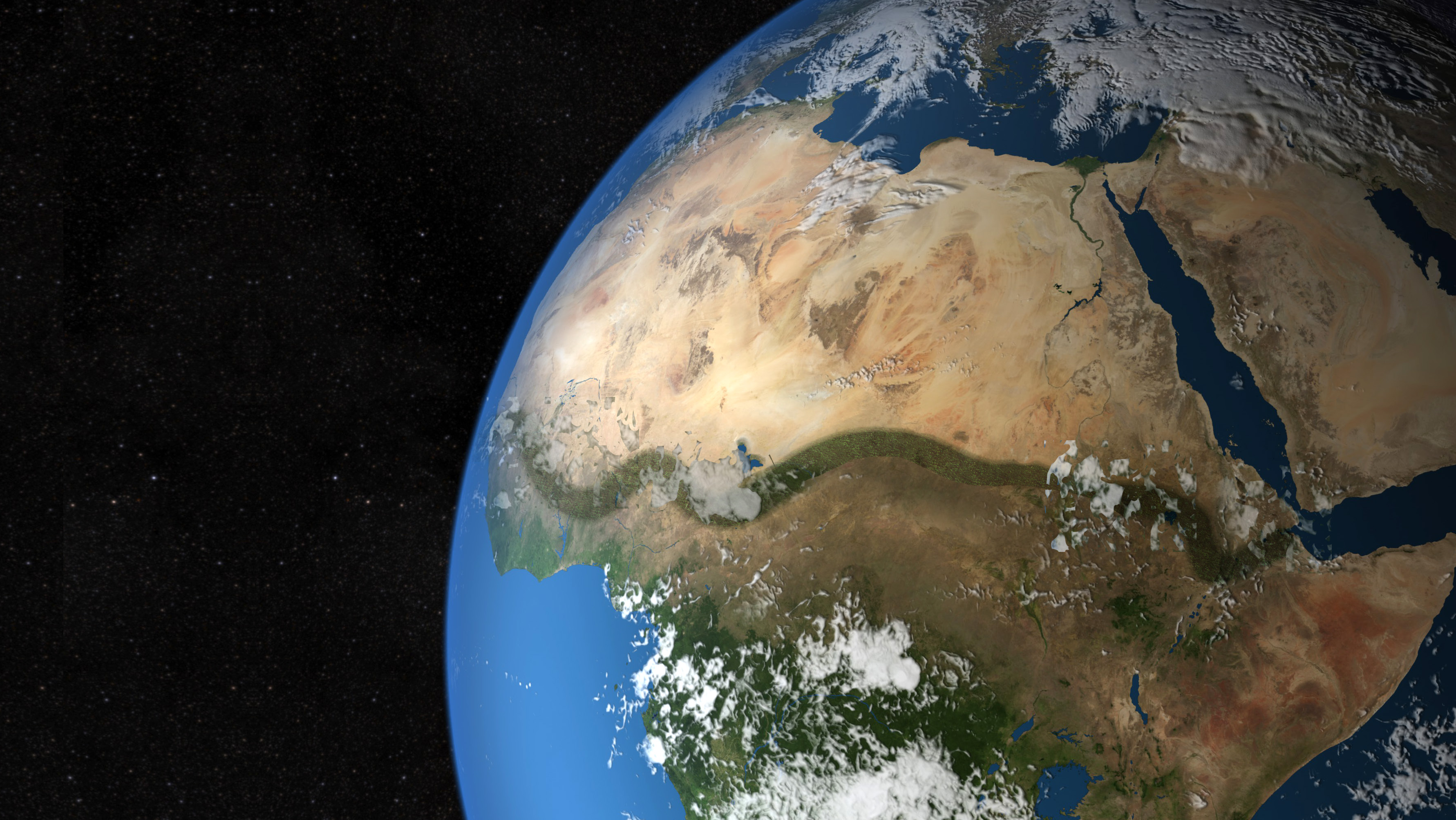
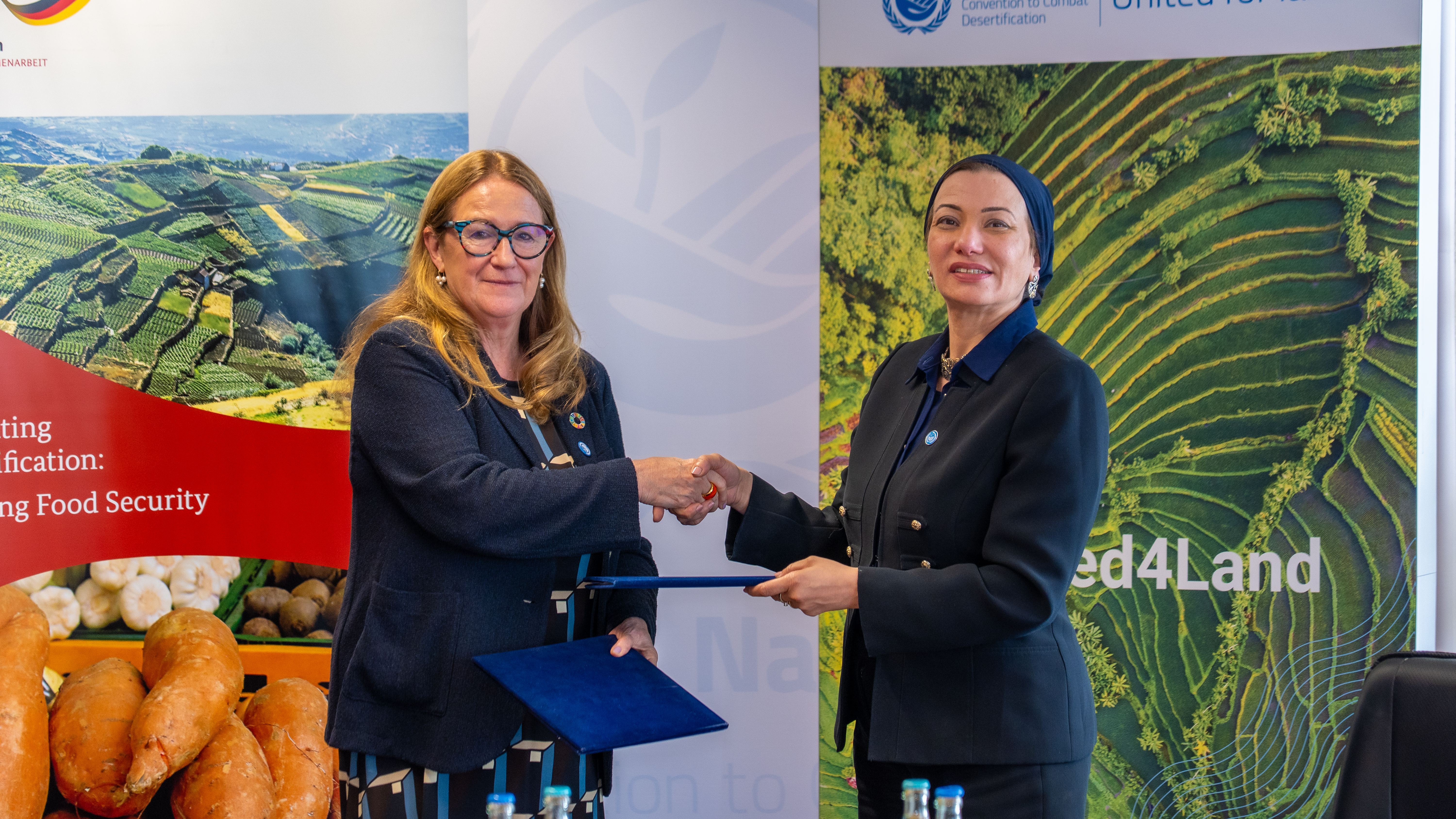
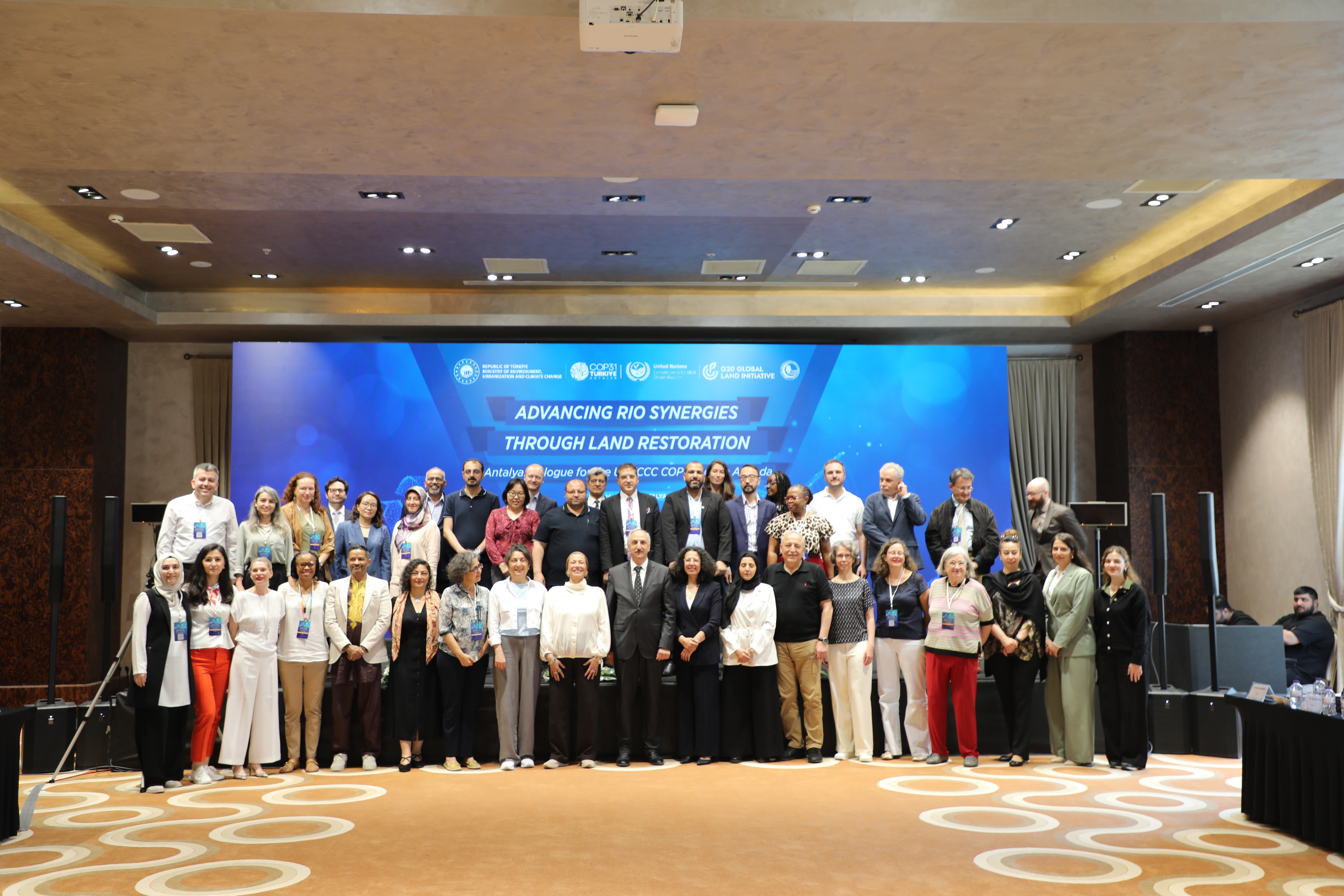

The 25 members of the UNCCD’s Science-Policy Interface (SPI) have assembled at the UN Campus in Bonn, Germany for a critical scientific meeting in the run up to the 16th Session of the Conference of the Parties, which will be held in Riyadh, Saudi Arabia from the 2nd to the 13th of December 2024. The SPI is a unique combination of independent scientists from all corners of the globe, science delegates to the Convention representing the five regions of the world, and five practitioners from implementing agencies and civil society. Over the past year half of the SPI members have been assembling the evidence base for a much more systemic approach to land use, so that our impacts can be more strategic and, ideally, much greater than the sum of the parts. The other half have been conducting a comprehensive analysis of aridity trends, projections and anticipated impacts, which under the Convention translates into land and people affected by the combined effects of land degradation and water scarcity. Both assessments have led to draft technical reports which will undergo independent scientific review following the meeting so that they can be finalized and published in the autumn. The SPI is dedicated to building a bridge between science and policy. They are a global community of experts, united by a passion for understanding and safeguarding all life on land.

Nairobi, 1 March 2024 – Healthy land’s contribution to addressing global challenges of climate change, biodiversity loss and sustainable development was the focus of the sixth session of the United Nations Environment Assembly (UNEA 6), which concluded today in Nairobi. The week-long meeting saw the adoption of the first-ever UNEA resolution on land degradation as well as the announcement of the logo and slogan for the 16th Conference of the Parties to the United Nations Convention to Combat Desertification (UNCCD COP16), to be held in Riyadh, Saudi Arabia from 2 to13 December 2024. Speaking at the high-level event on combating land degradation for climate and biodiversity, UNEA 6 President and Minister of Energy Transition and Sustainable Development for the Kingdom of Morocco, Leila Benali, noted: “Land is the only common denominator among the three Rio conventions, and it is only through land restoration that we can achieve their objectives. We need to build on what unites us rather than what divides us and start with working and credible solutions when it comes to land and soil health”. Announcing the slogan for COP16, “Our Land. Our Future.”, UNCCD Executive Secretary Ibrahim Thiaw said: “COP16 will be a moonshot moment for land, the Paris equivalent for UNCCD. It is crucial that there is convergence and synergy among the three COPs – biodiversity, climate change, and desertification, all taking place this year". For the first time, UNEA adopted a resolution calling for strengthening international efforts to combat desertification and land degradation, restore degraded lands, promote land conservation and sustainable land management, contribute to land degradation neutrality and enhance drought resilience. These issues will be front and center at UNCCD COP16. On behalf of the COP16 Presidency, Osama Ibrahim Faqeeha, Deputy Minister of Environment, Water and Agriculture of Saudi Arabia, said: "Land is not only important for human life but also crucial for biodiversity and maintaining the delicate balance of our environment. We have to recognize the importance of land and other natural elements of our planet, as 24 per cent of greenhouse gas emissions are associated with various land use schemes." Through the Saudi Green Initiative, the Saudi government aims to plant 10 billion trees and protect 30 per cent of the Kingdom’s land. Additional quotes: Aziz Abdukhakimov, Minister of Ecology, Environmental Protection and Climate Change of the Republic of Uzbekistan, which hosted the meeting to review progress in UNCCD implementation last November, said: "Every minute Uzbekistan loses nine square meters of fertile land, and this is a big problem for any country facing land degradation. It is important to bring together political will, science, and finance to address the challenges of climate change, land degradation, and biodiversity loss". Maria Helena Semedo, Deputy Director-General of the Food and Agriculture Organization of the United Nations (FAO) said: “Land is where food begins, and without land, we cannot produce food or feed the planet. We need a holistic approach, avoiding fragmentation, and investing in sustainable transformations of our agri-food systems to ensure food security and address climate change and biodiversity loss”. Hindou Oumarou Ibrahim, President of the Association for Indigenous Women and Peoples of Chad (AFPAT), said: “Indigenous peoples, who make up 5 per cent of the world's population, protect 80 per cent of the world's biodiversity. They are the guardians of ecosystems and masters of restoring land using traditional knowledge. Direct access to finance, policy coordination, and inclusive decision-making are essential to empowering communities and implementing successful land restoration projects”. UNCCD Land Hero Patricia Kombo from Kenya, who moderated the high-level event at UNEA 6, concluded: “Land degradation is a global challenge that requires concerted action at all levels. It is only by working together that we can restore our land ecosystems, ensure food security, and mitigate the effects of climate change”. For more information: UNCCD Press Office, press@unccd.int, +49 228 815 2820, https://www.unccd.int/, @unccd Recording and photos available: https://www.youtube.com/watch?v=S_oSZoVZJF8 https://drive.google.com/drive/u/1/folders/1QhHqfX_pOFWBuot0ET5hGTogyrWDsq6Q For more information about UNEA 6 and UNCCD COP16 visit: https://www.unep.org/environmentassembly/unea6 and https://www.unccd.int/cop16 About UNCCD The United Nations Convention to Combat Desertification (UNCCD) is the global vision and voice for land. We unite governments, scientists, policymakers, private sector and communities around a shared vision and global action to restore and manage the world’s land for the sustainability of humanity and the planet. Much more than an international treaty signed by 197 parties, UNCCD is a multilateral commitment to mitigating today’s impacts of land degradation and advancing tomorrow’s land stewardship in order to provide food, water, shelter and economic opportunity to all people in an equitable and inclusive manner.

2024 年 2 月 21 日,德国波恩--今年 6 月 17 日的 “荒漠化和干旱日” 将重点关注土地管理的未来。每秒钟就有相当于四个足球场大小的健康土地退化,全球每年退化的土地总面积达 1 亿公顷。 为了阻止和扭转这些令人担忧的趋势,实现到 2030 年恢复 10 亿公顷退化土地的全球承诺,让当代人和后代人参与进来比以往任何时候都更加重要。今年荒漠化和干旱日的主题是 “为了土地联合起来: 我们的遗产,我们的未来”-- 旨在动员社会各界支持可持续的土地管理。 2024 年 6 月 17 日也将是总部设在波恩的《联合国防治荒漠化公约》(UNCCD)30 周年纪念日,该公约是关于土地管理和干旱的唯一具有法律约束力的国际条约,也是与气候变化和生物多样性并列的三项里约公约之一。 《防治荒漠化公约》执行秘书易卜拉欣•蒂奥说: “全球多达 40% 的土地已经退化,影响到全球将近一半以上的人口。然而,解决方案已经摆在桌面上。恢复土地可以帮助人们摆脱贫困,增强抵御气候变化的能力。现在是联合起来保护土地,向全球健康土地的减少和退化亮出红牌的时候了”。 由德意志联邦共和国政府主办的全球纪念活动将于2024年6月17日星期一在波恩联邦美术展览馆举行。 “全世界约有四分之一的人口受到干旱的影响。欧洲的土壤状况也在迅速恶化。保护土壤和土地是一项全球性挑战。今天,我们需要共同采取行动,让子孙后代能够获得重要的自然资源。只有拥有健康的土壤,我们才能养活人类,应对气候和生物多样性危机” 。--德国联邦经济合作与发展部国务秘书约亨•弗拉斯巴尔特(Jochen Flasbarth)。 这次全球纪念活动将汇聚来自世界各地的领导人、青年以及学术界、民间社会、体育界和娱乐界的杰出人士,展示各方联合起来保护土地的强烈愿望,为 将于2024 年 12 月在沙特阿拉伯利雅得举行的有史以来规模最大的联合国土地与干旱会议--《联合国防治荒漠化公约》第十六次缔约方大会拉开序幕。 5 月和 6 月期间,《联合国防治荒漠化公约》组织将与德国联邦经济合作与发展部(BMZ)以及合作伙伴波恩市共同启动 为了土地联合起来( #UNITED4LAND) 公众宣传活动,并将在波恩市内和周边地区举办各种有关土地管理未来的活动。 波恩市市长卡嘉-多尔纳(Katja Dörner)女士说: “波恩是《联合国防治荒漠化公约》的所在地,也是一座正向 2035 年气候中和目标迈进的城市,共同思考和共同保护气候、自然和土地 是我们唯一的选择。土地关乎我们拥有的一切—而远不止是我们城市所在地的依托。土地是我们农作物生长的土壤、是动植物栖息的家园、是吸水的海绵、是开放的空间, 是凉爽的走廊,更是我们留给子孙后代的遗产” 。 世界各国正在行动,通过从电影放映到足球比赛,从植树到园艺竞赛等一系列教育、文化和体育活动来纪念荒漠化和干旱日。完整的活动计划可在以下网址查阅:https://www.unccd.int/events/desertification-drought-day。 关于荒漠化和干旱日 1994 年联合国大会正式宣布(A/RES/49/115)荒漠化和干旱日,于每年6 月 17日举行纪念活动,其目标如下: 提高公众对荒漠化、土地退化和干旱(DLDD)相关问题的认识, 展示人类主导的预防荒漠化和扭转干旱加剧的解决方案, 在遭受严重干旱和/或荒漠化的国家加强《联合国防治荒漠化公约》的实施。 参加今年的庆祝活动: 了解有关今年荒漠化和干旱日的更多信息,请点击 :/events/desertification-drought-day/2024 获取 #UNITED4LAND 活动材料,请点击:https://trello.com/b/VdJGolcp/desertification-and-drought-day-2024 了解世界各地荒漠化和干旱日活动的更多信息,请点击:https://www.unccd.int/events/desertification-drought-day/2024/events-around-world 如需在线参与波恩全球纪念活动,请联系: communications(at)unccd.int 更多信息,请联系: 《联合国防治荒漠化公约》(UNCCD):Xenya Scanlon,+49 152 5454 0492,xscanlon@unccd.int 或 Yannis Umlauf, +49 178 285 8629 yumlauf@unccd.int,并抄送 press@unccd.int 德国联邦经济合作与发展部(BMZ)新闻处 :电话:+49 (0)30 18 535-2451,电子邮件:presse@bmz.bund.de, www.bmz.de

利雅得,2024 年 1 月 31 日--沙特阿拉伯王国与《联合国防治荒漠化公约》(UNCCD)签署了 一项协议,为 12 月 2 日至 13 日在利雅得举行的公约缔约方大会第十六届会议(COP16)铺平 了道路。 利雅得缔约方大会第十六届会议将是《联合国防治荒漠化公约》197 个缔约方有史以来规模最 大的一次会议。 这是中东地区是首次举办《荒漠化公约》缔约方会议,也将是沙特阿拉伯有 史以来主办的规模最大的一次多边会议。2024 年也是《联合国防治荒漠化公约》诞生 30 周 年,该公约是与气候变化和生物多样性并称为里约三公约的三大环境条约之一。 在今天于利雅得举行的签字仪式上,沙特环境、水和农业部长兼第十六届缔约方会议主席阿卜 杜勒-拉赫曼-阿卜杜勒穆赫森-法德利(Abdulrahman Abdulmohsen AlFadley)说: "在沙特阿拉 伯王国主办此次会议(COP16)体现了英明领袖在国家、地区和国际层面对环境保护的承诺。 此外,沙特阿拉伯还启动了几个开创性的环保项目,如沙特绿色倡议和中东绿色倡议。 《联合国防治荒漠化公约》执行秘书易卜拉欣-蒂奥说: "今天,我们正在以惊人的速度丧失肥 沃的土地,危及全球稳定、繁荣和可持续性。利雅得缔约方大会第十六届会议必须成为标志性 的转折点,标志着我们对待最宝贵资源--土地和共同应对全球干旱紧急状况方式的转变。 根据《联合国防治荒漠化公约》的数据,全球多达 40% 的土地已经退化,影响了半数人类, 对我们的气候、生物多样性和生计造成了严重后果。如果目前的趋势继续下去,到 2030 年, 我们需要恢复 15 亿公顷的土地,才能实现一个土地退化零增长的世界。 干旱在世界各地发生的频率更高、强度更大--自 2000 年以来增加了 29%--其原因不仅在于气候 变化,还在于我们管理土地的方式。全球四分之一的人口已经受到干旱的影响,预计到 2050 年,全球四分之三的人口将面临缺水问题。 利雅得缔约方大会第十六届会议将重点动员世界各国政府、企业和社区加快土地恢复和抗旱行 动,以此作为粮食、水和能源安全的基石。 在为期两周的活动中,将举行高级别会议以及相关活动,包括性别问题核心小组和企业促进土 地论坛。 利雅得缔约方大会第十六届会议将作为在缺水最严重以及受荒漠化和土地退化影响最严重的地 区举行的缔约方大会,届时将展示沙特阿拉伯、中东地区及其他地区为实现以可持续土地管理 为基础的绿色转型所做的努力。 更多信息,请联系 Wael A Bushah,沙特阿拉伯王国环境、水和农业部环境意识和能力提高司司长, Wbushah@mewa.gov.sa Xenya Scanlon,《联合国防治荒漠化公约》传播、对外关系和伙伴关系主管, xscanlon@unccd.int 《联合国防治荒漠化公约》新闻办公室, press@unccd.int, +49 228 815 2820, https://www.unccd.int/, @unccd #联合国防治荒漠化公约第十六届缔约方会议(UNCCDCOP16) 关于《联合国防治荒漠化公约》 《联合国防治荒漠化公约》(UNCCD)是全球的土地愿景和声音。我们将各国政府、科学家、 决策者、私营部门和社区团结在一个共同愿景和全球行动周围,为人类和地球的可持续发展恢 复和管理世界土地。《联合国防治荒漠化公约》不仅仅是一项由 197 个缔约方签署的国际条 约,它还是一项多边承诺,旨在减轻当今土地退化的影响,促进未来的土地管理,从而以公平 和包容的方式为所有人提供食物、水、住房和经济机会。

Bonn/Dubai, 9 December 2023 – Germany will host the next Desertification and Drought Day on 17 June 2024, which will also mark the 30th anniversary of the United Nations Convention to Combat Desertification (UNCCD), one of the three Rio Conventions alongside climate and biodiversity. The announcement was made today on the margins of UNFCCC COP28 underway in Dubai, UAE by Mr. Jochen Flasbarth, State Secretary of the German Federal Ministry for Economic Cooperation and Development (BMZ), Mr. Ibrahim Thiaw, UNCCD Executive Secretary, and Ms. Katja Dörner, Lord Mayor of Bonn and member of the Local Government for Sustainability (ICLEI) Global Executive Committee on Climate Action and Low Emission Development Portfolio. Land is the foundation of human wellbeing and plays a key role in regulating the planet’s climate. Yet up to 40 per cent of the planet’s land is degraded, affecting nearly half of the world's population. Since 2000, the number and duration of droughts has increased by 29 per cent, representing a severe risk to ecosystems and peoples’ livelihoods. The 2024 Desertification and Drought Day will focus on the transformative power of healthy land for addressing today’s most pressing and interconnected challenges, including climate change, biodiversity loss, food and water security—a blueprint for providing future generations with a healthy planet. The Day will amplify a renewed global commitment to sustainable land management and drought resilience in the run-up to UNCCD COP16, scheduled for 2-13 December 2024 in Riyadh, Saudi Arabia. Mr. Ibrahim Thiaw, UNCCD Executive Secretary, said: “Desertification and Drought Day 2024 will mark the 30th anniversary of the United Nations Convention to Combat Desertification. In 1994, the world community sent a clear signal by ratifying the only legally binding treaty promoting good land stewardship. Restoring degraded land and soil provides the most fertile ground to take immediate and concerted action for our planet's health. Now, it is time to reaffirm this global commitment by unleashing land’s potential—for present and future generations.” The Federal Republic of Germany, through the Ministry for Economic Cooperation and Development (BMZ), will host the global observance on 17 June 2024. The event will engage prominent international and German personalities and the public at large to raise awareness about desertification, land degradation and drought. Mr. Jochen Flasbarth, State Secretary of the German Federal Ministry for Economic Development, said: “No matter whether we are talking about climate change, biodiversity loss, pandemics, or food crises – soil quality plays a central role for meeting these global challenges. Soils retain water and allow trees and plants to grow. We will only be able to feed humankind and deal with the climate crisis and its impacts if we have healthy soils. In 2024, when the UN Convention to Combat Desertification celebrates its 30th anniversary, the German government will be hosting Desertification and Drought Day thus sending a signal for strong international efforts against the loss of fertile soils.” The City of Bonn, which has hosted the UNCCD Secretariat since 1999, will organize a series of events around 2024 Desertification and Drought Day. The City will play its part in highlighting the role of local governments in land restoration efforts, by displaying examples of sustainable land use practices linked to urban policies. “As Mayor of Bonn, home to the United Nations Convention to Combat Desertification, I am thrilled that Germany is hosting the Desertification and Drought Day 2024. Here in Germany’s United Nations City is the place where the debates on climate, nature and land come together – and from where cross-cutting actions for implementing the 2030 Agenda are advanced. I full heartedly welcome the Desertification and Drought Day here in Bonn! Together with the Federal Government of Germany and under the leadership of the Federal Minister for Economic Cooperation and Development, Ms. Svenja Schulze, I will be delighted to host a meaningful event engaging political leaders, the land community, cultural stakeholders and a broader public alike”, Katja Dörner, Lady Mayor of Bonn, said via video statement. Officially declared by the United Nations General Assembly in 1994 (A/RES/49/115), Desertification and Drought Day, marked annually on 17 June, is a unique occasion to highlight human-led solutions to prevent desertification and reverse intensifying droughts by investing in sustainable land use practices. 2024 will mark the 30th anniversary since the adoption of UNCCD, one of the three Rio Conventions. Desertification, along with climate change and the loss of biodiversity, were identified as the greatest challenges to sustainable development during the 1992 Rio Earth Summit. With its 197 Parties, UNCCD is the sole legally binding international agreement linking environment and development to sustainable land management. The Convention seeks to support countries to address desertification, land degradation, and drought. A remarkable journey from milestone initiatives such as Africa’s Great Green Wall, the largest living structure on the planet, to the establishment of Land Degradation Neutrality targets – a pledge by 130 countries to end land degradation by 2030. Germany has been a strong supporter of the convention throughout its history. During the past 30 years, Germany has contributed politically and financially as one of the most active partners acknowledging the importance of healthy land and soil - both as a cause of and a solution to some of the most critical challenges for humanity these days. For more information, please contact: UNCCD: Xenya Scanlon, +49 152 54540492, xscanlon@unccd.int or Yannis Umlauf, +55 21 979820903, yumlauf@unccd.int with copy to press@unccd.int and/or unccd@portland-communications.com Federal Ministry for Economic Cooperation and Development (BMZ): Press Office, +49 30 18 535 – 2158, presse@bmz.bund.de, www.bmz.de City of Bonn: Department of Press, Protocol and Public Relations, +49 228 77-3000, presseamt@bonn.de, www.bonn.de About UNCCD The United Nations Convention to Combat Desertification (UNCCD) is the global vision and voice for land. We unite governments, scientists, policymakers, private sector and communities around a shared vision and global action to restore and manage the world’s land for the sustainability of humanity and the planet. Much more than an international treaty signed by 197 parties, UNCCD is a multilateral commitment to mitigating today’s impacts of land degradation and advancing tomorrow’s land stewardship in order to provide food, water, shelter and economic opportunity to all people in an equitable and inclusive manner.

IDRA co-chairs Senegal and Spain hold a high-level event at COP28 Australia, Colombia, Comoros, Italy and the Commonwealth are latest to join Dubai, 1 December 2023—As 2023 is ending as the warmest year on record, the global platform to prepare the world for harsher droughts, the International Drought Resilience Alliance (IDRA) , welcomes eight new members, signaling a growing political will to act against one of most deadly and costly natural disasters in the face of climate change. The addition of six countries and several major intergovernmental and research organizations, announced at the UN Climate Summit COP28 in Dubai, brings the total membership of IDRA to 36 countries and 28 organizations. The countries joining the alliance this year are Australia, Colombia, Jordan, Italy, Uruguay and the Union of the Comoros, which currently chairs the African-Union. In addition, the Commonwealth Secretariat, as well as three other organizations-- the Climate Commission for the Sahel Region (CCRS), the Central American Commission for Climate and the Environment (CCAD) and the International Water Management Institute (IWMI), member of the global research partnership CGIAR – were also announced as joining IDRA. Together, they represent efforts to build evidence-based resilience at the country, regional and global level. Launched at UN Climate Summit COP27 by the leaders of Spain and Senegal, IDRA is the first global coalition creating political momentum and mobilizing financial and technical resources for a drought-resilient future. The alliance devoted 2023 to building awareness at the highest political level. From 2024, IDRA will draw on the collective strengths of its expanding membership to advance concrete policies, actions, and capacity-building initiatives for drought preparedness, acknowledging we are only as resilient to drought and climate change as our land is. The IDRA secretariat is hosted by the United Nations Convention to Combat Desertification (UNCCD). United in action IDRA co-chairs emphasized the urgency of building drought resilience as global freshwater demand is projected to outstrip supply by 40% by 2030, and they commended new members for their commitment to changing the way the world addresses drought. “Drought knows now borders, meaning we need common action and solidarity to face the emergency,” said President of Senegal, H.E. Macky Sall, who noted that droughts affect 1.84 billion people throughout the world, 85 percent of them in low- and middle-income countries. Central to that action, he said, is the transfer of technologies, sharing of experiences, and exchange of best practices, as well as a just energy transition. Prime Minister of Spain, H.E. Pedro Sánchez, summed up the achievements of IDRA in its first year, from mobilizing countries and global organizations, to outlining a common framework for action with priority investments for drought resilience, to supporting affected countries to develop their strategies in areas like the Central American Dry Corridor. “Drought is a global phenomenon. For those of you who are not yet members of IDRA, I invite you to join this Alliance to leverage individual efforts and transform them into collective action,” said Sánchez. “Let us build on the political momentum of this COP28 to increase resilience to extreme events.” In turn, Secretary General of the Commonwealth, H. E. Patricia Scotland said: “Many of the 56 Commonwealth countries experiencing extreme weather events will welcome IDRA as a timely opportunity to promote mutual learning and collaborative action on drought resilience. By working together, our countries will be much better placed to implement effective solutions and protect the most vulnerable communities.” The UNCCD Executive Secretary, Ibrahim Thiaw, concluded: “Droughts are a natural phenomenon, but we are making them worse through poor land use, deforestation, and the disruption of the planet’s natural systems, including the climate. What humanity did through neglect, must and can fix through concerted action—or face an increasingly harsh future. Drought resilience at COP28 The latest IDRA members were announced during a high-level event ‘From awareness to action: united for drought resilience in a changing climate’ at COP28. The event brought together the IDRA co-chairs—Senegal and Spain—and members of the alliance to take stock of IDRA’s first year and usher in a next phase focused on action. During the event, UNCCD launched its ‘Global Drought Snapshot’ report, an authoritative compendium of drought-related information and data looking to inform negotiators at COP28, as well as decision-makers and practitioners from around the world. A second high-level IDRA event, scheduled for 9 December and focused on nature-based solutions and financing for drought resilience, will bring together leaders from different countries and agencies to exchange on practical ways to accelerate action. Notes to editors For interviews and enquires please contact: press@unccd.int and/or unccd@portland-communications.com Photos (credit: UNCCD): https://drive.google.com/drive/folders/1rNhWAFqQxc5ZoDK1QdISbRhaRszoONaF?usp=sharing Social media Twitter: @UNCCD / Instagram: @unccd For information about IDRA and UNCCD events at COP28 visit: https://idralliance.global and https://www.unccd.int/cop28pavilion About IDRA The International Drought Resilience Alliance (IDRA) is the first global coalition creating political momentum and mobilizing financial and technical resources for a drought-resilient future. As a growing platform of more than 30 countries and 20 institutions, IDRA draws on the collective strengths of its members to advance policies, actions, and capacity-building for drought preparedness, acknowledging we are only as resilient to drought and climate change as our land is. The work of IDRA is aligned with, and supportive of, the mandate of the United Nations Convention to Combat Desertification (UNCCD), which hosts the IDRA Secretariat. For more information: https://idralliance.global. About UNCCD The United Nations Convention to Combat Desertification (UNCCD) is the global vision and voice for land. We unite governments, scientists, policymakers, private sector and communities around a shared vision and global action to restore and manage the world’s land for the sustainability of humanity and the planet. Much more than an international treaty signed by 197 parties, UNCCD is a multilateral commitment to mitigating today’s impacts of land degradation and advancing tomorrow’s land stewardship in order to provide food, water, shelter and economic opportunity to all people in an equitable and inclusive manner.
