News & stories

Latest
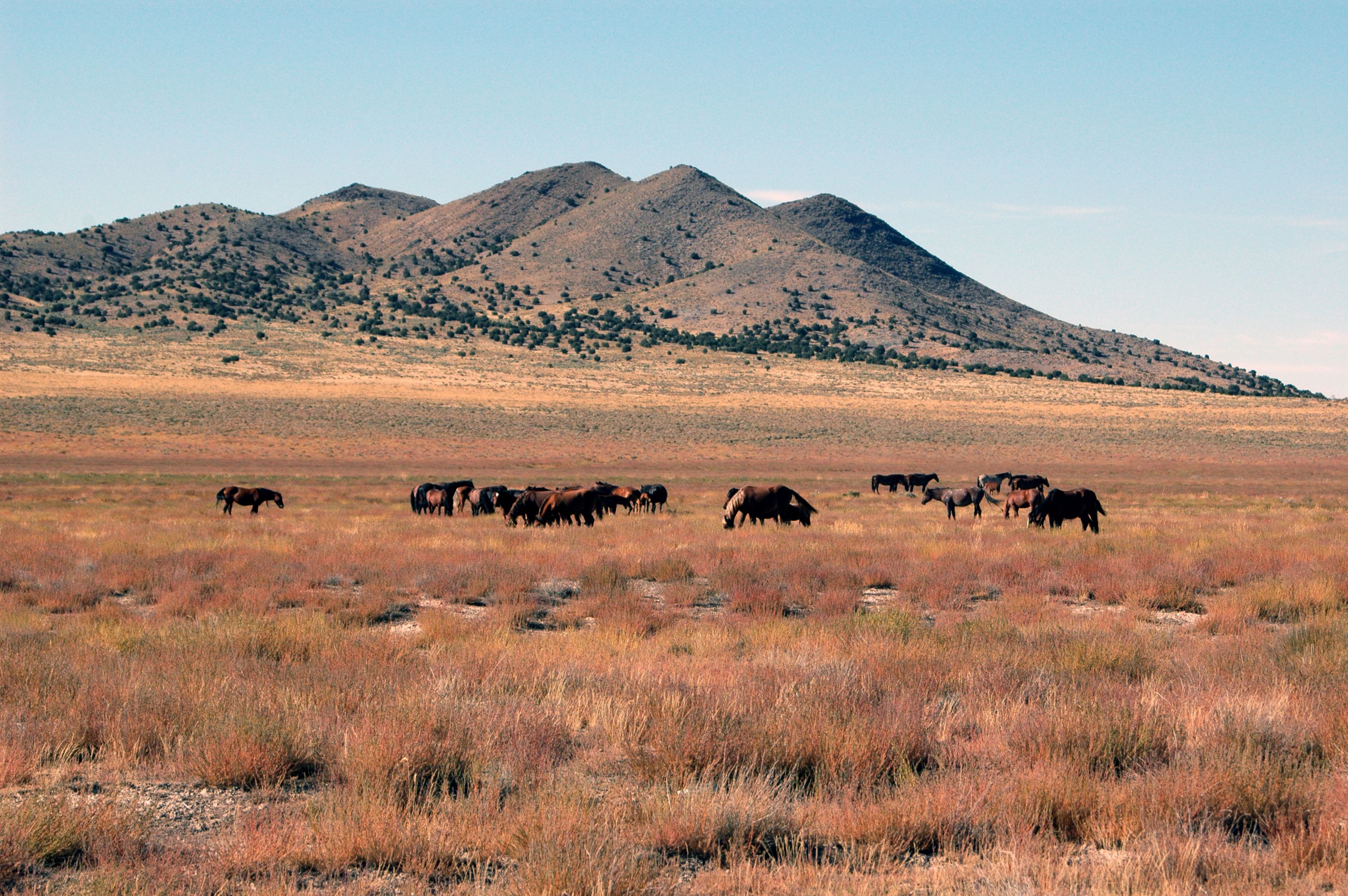
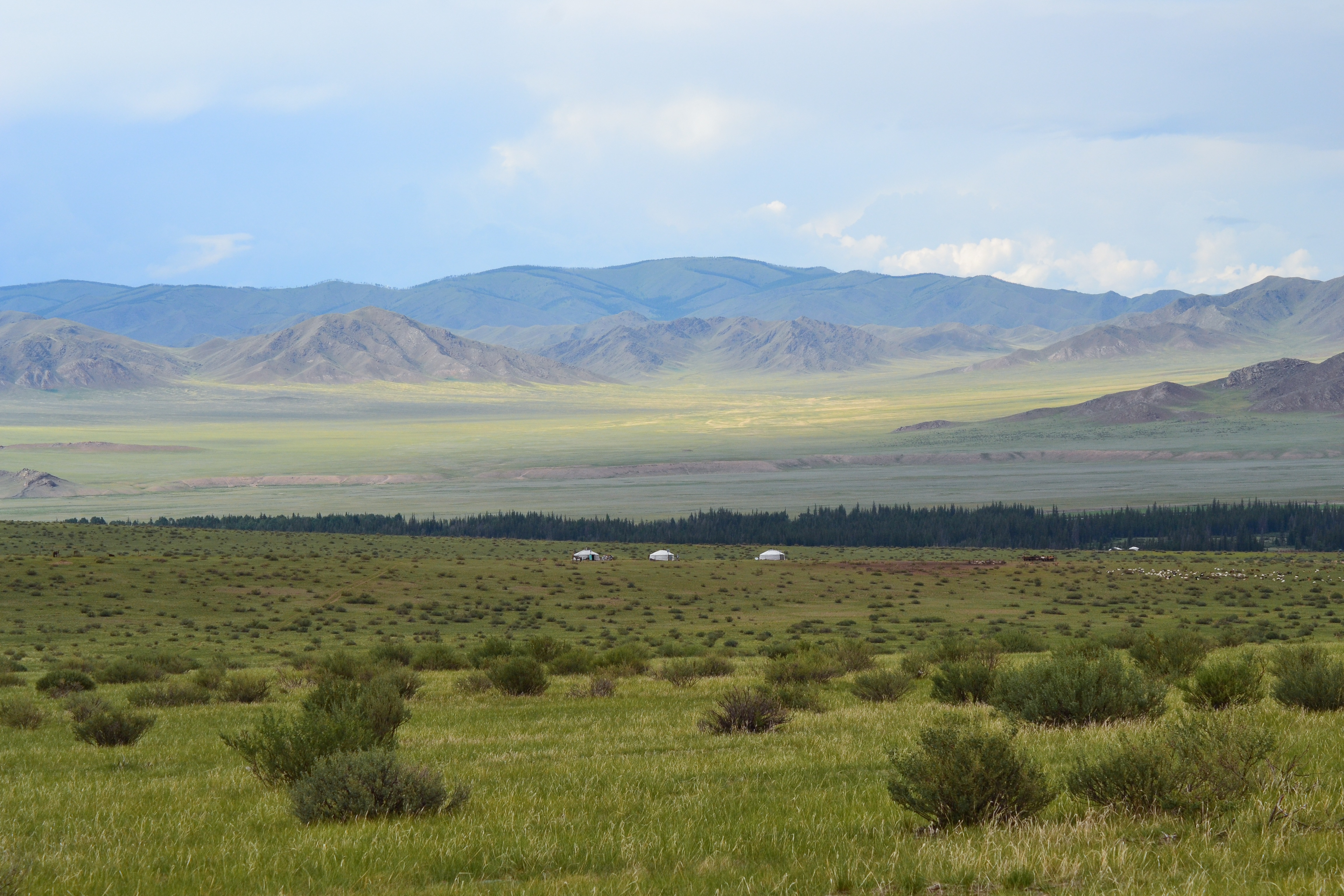
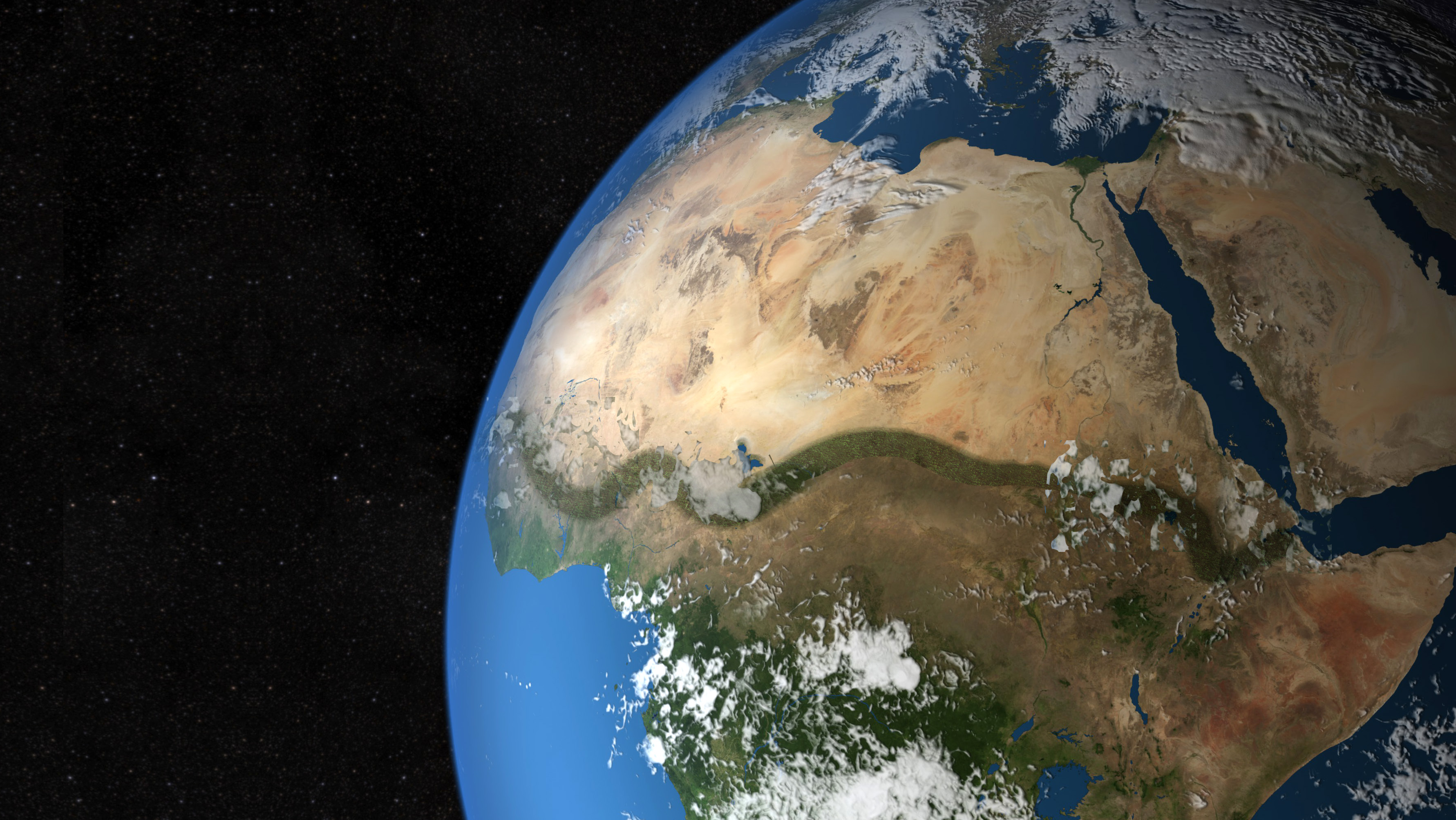
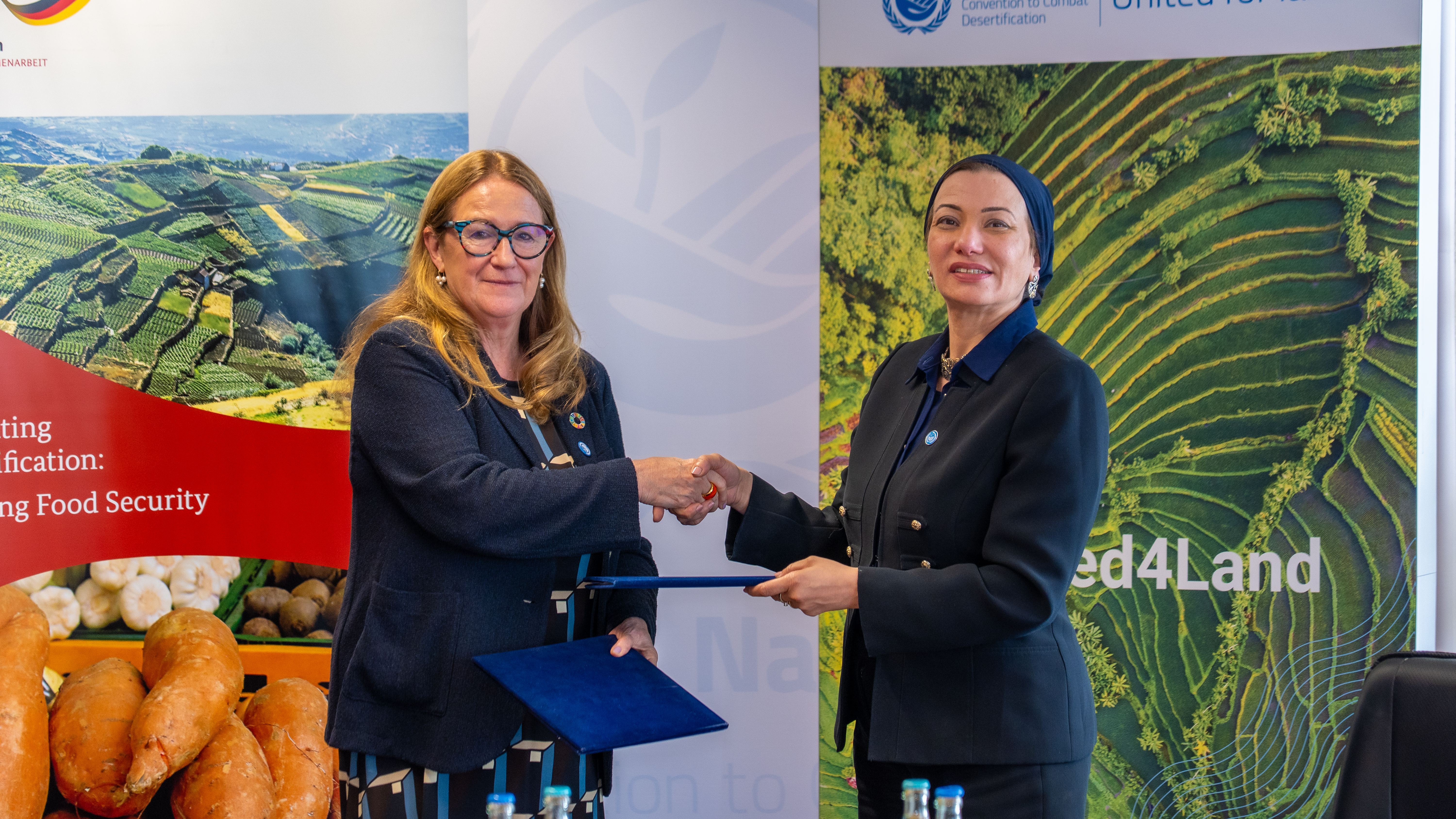

联合国防治荒漠化公约(UNCCD)197个缔约方齐聚巴拿马,评估从利雅得到乌兰巴托的工作进展 巴拿马计划到2035年恢复10万公顷退化土地,作为推进土地、气候与生物多样性目标的开创性战略 巴拿马城,2025年12月1日 – 本周,联合国防治荒漠化公约(UNCCD)的197个缔约方于巴拿马召开履约审查委员会第二十三届会议(CRIC23),核心议题是应对全球肥沃土地流失和日益严重的干旱。 当前形势十分严峻:如果现有趋势持续,到2050年,几乎与南美洲同等面积的土地(1,600万平方公里)将持续退化,而全球对粮食、水资源和能源的需求却在持续上升。过去三十年间,全球三分之二的土地持续趋于干旱化,而过去两年更是出现了有记录以来最广泛和破坏性最大的干旱。在巴拿马,干旱已影响运河通行,对全球贸易产生显著影响。 联合国防治荒漠化公约(UNCCD)执行秘书亚斯敏·福阿德(Yasmine Fouad)表示:“社区、经济和生态系统的韧性取决于健康的土地。然而,每年我们仍在破坏相当于埃及国土面积的土地,削弱土地生产粮食、涵养水源、维系生物多样性的能力,以及保护人类免受干旱、洪水和沙尘暴侵袭的能力。投资可持续土地管理、土地恢复和基于自然的解决方案,不仅是保护环境的必要举措,更是发展的当务之急,也是对稳定、繁荣与和平的战略投资。” “CRIC23是评估我们集体进展的重要时刻,也是加强从利雅得到乌兰巴托联系的关键纽带,并将土地与干旱韧性作为连接三大《里约公约》的核心线索。唯有携手合作,我们才能加速迈向更具韧性、粮食安全且与自然和谐共生的未来。” 从利雅得到乌兰巴托 CRIC23将回顾联合国防治荒漠化公约(UNCCD)第16次缔约方大会(UNCCD COP16,2024年12月,沙特利雅得)决议的实施进展,并讨论公约2030年后的路线图。 沙特阿拉伯王国环境、水务与农业部副部长、联合国防治荒漠化公约第十六次缔约方大会(UNCCD COP16)主席奥萨马·法基哈阁下(H.E. Osama Faqeeha)表示:“去年12月在利雅得举行的UNCCD COP16吸引了约十万名与会者,其广泛而多样的参与标志着全球在认识土地退化和干旱的重大影响方面取得了历史性转折,也凸显了加强和加速应对这两大全球性挑战的迫切需求。这直接关系到全球水资源与粮食安全、生物多样性、气候韧性,以及全世界数十亿人的福祉。” UNCCD COP16取得了重要成果,为加强国际多边努力以推进土地恢复和干旱韧性做出了贡献。这包括通过《利雅得宣言》在公约框架下通过了30余项决议,以及根据《利雅得行动议程》宣布近40项倡议,以强化实地行动。 会议将开展专题讨论:以土地权属作为健康土地投资的基础;讨论日益加剧的沙尘暴威胁;并举办第二届性别核心小组会议,为深受土地退化和干旱影响的妇女提供发声平台,她们在支撑全球各地社区生计方面发挥着关键作用。 缔约方还将与其他关键利益相关方,包括青年、土著人民和当地社区进行互动,并发布关于小岛屿发展中国家(SIDS)和牧场的新报告。 此外,CRIC23期间将启动三轮干旱韧性非正式自愿对话的第一轮。这一“Tafa’ul”进程由COP16主席团主导,灵感来源于阿拉伯语“ تَفَاؤُل(Tafa’ul)”,意指“建设性的乐观与满怀希望的决心”。CRIC23的建议将为196个缔约方及欧盟在UNCCD COP17前的决策提供参考,COP17将于2026年8月在蒙古乌兰巴托举行。 部长特别顾问兼COP17主席国办公室主任巴特蒙克·东多夫多尔吉先生(Mr. Batmunkh Dondovdorj)强调:从利雅得到乌兰巴托的道路必须成为长期被低估的社区和生态系统的希望之路。COP17的举办恰逢“国际牧场和牧民年(IYRP)”,这将为加速牧场保护议程提供独特的政治契机,这些牧场的消失速度甚至超过热带雨林。 他表示:“此次于巴拿马举行的会议对于奠定成功举办COP17的基础至关重要,这将凸显人类福祉与健康、高生产力且具有韧性的生态系统之间的联系。对于覆盖全球近一半土地面积,养育20亿人口的牧场来说更是如此。但牧场往往被视为空无一物、可随意牺牲的土地。对于蒙古这样一个历史、文化和经济深受牧业影响的国家而言,这并非抽象议题,而关乎着长期被忽视人群的尊严、身份与机会。” 巴拿马的“自然承诺” 今天,巴拿马在其“自然承诺”中强调了土地的核心地位。该承诺是一项路线图,统筹了国家层面在应对土地退化、生物多样性丧失与气候变化方面的努力,旨在利用三大《里约公约》之间的协同效应,更快推进互相关联目标的实现。 作为其“自然承诺”的一部分,巴拿马计划2035年之前恢复10万公顷的退化土地。 巴拿马环境部长胡安·卡洛斯·纳瓦罗阁下(H.E. Juan Carlos Navarro)表示:“自然是全球经济的支柱。巴拿马‘自然承诺’体现了我们恢复关键流域、保护森林、鼓励可持续农业实践的承诺,以增强我们经济和社区的韧性。巴拿马自然基金则确保在全国范围内开展长期的保护行动。时间紧迫:我们必须立即行动呵护自然,这样自然才会继续庇佑我们。” 自1996年加入联合国防治荒漠化公约(UNCCD)以来,巴拿马承诺到2030年实现土地退化零增长,确定31个关键生态区,推进植树造林及干旱走廊适应项目,彰显其作为CRIC23东道国的角色。今年,巴拿马成为首个在同一年主办三大《里约公约》会议的国家。 **完** 编辑须知 采访和查询请联系:press@unccd.int 关于 CRIC23 的视觉素材和 UNCCD 数据仪表盘请见: https://trello.com/b/zq0kxtkK/unccd-cric23-panama-2025 媒体机会 新闻发布会: 12:00–13:00 (巴拿马当地时间) 12月1日:开幕新闻发布会 本新闻发布会将介绍CRIC23的主要预期,强调巴拿马领导力,包括其“自然承诺”,并提供COP16及COP17主席团的观点。 讲者: 胡安·卡洛斯·纳瓦罗(Juan Carlos Navarro),巴拿马环境部部长 亚斯敏·福阿德(Yasmine Fouad),联合国防治荒漠化公约(UNCCD)执行秘书 奥萨马·法基哈(Osama Ibrahim Faqeeha),沙特阿拉伯环境、水和农业部副部长 巴特蒙克·东多夫多尔吉(Batmunkh Dondovdorj),部长特别顾问兼COP17主席国办公室主任 12月2日:小岛屿发展中国家(SIDS)报告发布 发布干旱与气候变化对小岛屿发展中国家(SIDS)的影响及应对措施的最新简报。 讲者: 安德丽娅·梅萨(Andrea Meza),联合国防治荒漠化公约(UNCCD)副执行秘书 卡尔文·詹姆斯(Calvin James),联合国防治荒漠化公约(UNCCD) 小岛屿发展中国家(SIDS)论坛协调员 弗雷德·尼古拉斯(Fred Nicholas),库克群岛国家环境服务项目官 12月4日:牧场经济学报告发布 发布一份关于牧场的最新报告,牧场对粮食安全和气候稳定至关重要,但其正在迅速消失。 讲者: 马克·绍尔(Mark Schauer),德国国际合作机构(GIZ)项目负责人(联合负责人) 巴伦·奥尔博士(Dr. Barron Orr),联合国防治荒漠化公约(UNCCD)首席科学家 恩里克·米肖(Enrique Michaud), 国际牧场和牧民年(IYRP)全球联盟联合主席 阿连图雅·多尔久苏仁(Ariuntuya Dorjsuren),蒙古国家联络点,环境与气候变化部国际合作司司长 “国际牧场和牧民年”(IYRP)将于12月启动,这是2026 年 8 月蒙古举行COP17前的一个重要里程碑。 12月5日 – 闭幕新闻发布会 (世界土壤日) 在CRIC23闭幕全体会议后进行,恰逢世界土壤日。该新闻发布会将概述会议成果及其对UNCCD COP17前期筹备的重要意义。 12月3日 –媒体考察: 记者将受邀参加由巴拿马运河管理局(ACP)在米拉弗洛雷斯游客中心(Miraflores Visitors Center)组织的实地考察。此次考察将展示巴拿马运河管理局(ACP)如何将可持续发展和流域保护纳入其长期战略,以保障运河的水资源安全。 关于公约和 CRIC23 的更多信息和媒体更新,请访问 UNCCD 官网 https://www.unccd.int/cric23 关于《联合国防治荒漠化公约》 《联合国防治荒漠化公约》(UNCCD)是全球土地的共同愿景与声音。我们联合各国政府、科学家、政策制定者、私营部门和社区,共同推动全球行动,恢复和管理地球土地,以实现人类与地球的可持续发展。UNCCD 不仅仅是一份由197个缔约方签署的国际条约,更是减缓当今土地退化影响、推进未来土地治理的多边承诺,旨在为所有人公平和包容地提供食物、水、住所和经济机会。 关于CRIC23 来自196个国家及欧盟的代表将于2025年12月1日至5日在巴拿马会晤,审查各方在《联合国防治荒漠化公约》(UNCCD)框架下应对荒漠化、土地退化和干旱的努力。《联合国防治荒漠化公约》是三大《里约公约》之一,另两项为生物多样性公约和气候变化公约。UNCCD 履约审查委员会第二十三届会议(CRIC23)将汇集约500名来自政府、民间社会及学术界的与会者,共同评估实现公约目标的进展。

How Communities of Learning and Practice are speeding action in the face of a new drought era

Information on the COP 16 President’s Initiative on Drought Resilience

When Southern Africa experienced its third consecutive year of severe drought between 2015 and 2017, Bongani Simon Masuku — now Principal Secretary in Eswatini’s Ministry of Agriculture — saw firsthand how fragmented responses could deepen a crisis. As a longtime advocate for science-based policy and former Chair of the United Nations Convention to Combat Desertification (UNCCD) Committee on Science and Technology, Masuku recalls how the lack of coordination and shared learning left many countries struggling to respond effectively.Those hard lessons, nearly a decade old, laid the groundwork for more coordinated and inclusive approaches to drought management — culminating in a significant breakthrough at UNCCD COP16 in 2024.A turning point at COP16Officially launched at UNCCD COP16 in December 2024, the Communities of Learning and Practice on Drought Management (CLP) marked a step change in how countries approach drought.Supported under the Changwon Initiative, the CLP has grown into five regional and one global community: multilingual, interactive spaces for peer learning, co-creation and practical capacity-building.The CLP directly supports Land Degradation Neutrality (LDN) goals and offers a space where policymakers, scientists, youth leaders and local actors share strategies, challenges and successes.Why it mattersOnce seen as sporadic disasters, droughts are becoming a chronic threat. Since 2000, their frequency and intensity have risen by 29 per cent — and by 2050, three out of four people could face their impacts.Yet solutions often remain locked in silos, out of reach for those on the front lines. The CLP breaks those silos by enabling real-time collaboration and cross-regional exchange.Masuku emphasized the importance of reaching all decision-makers:“Knowledge is power. A platform for sharing information is a powerful tool — especially when it reaches those who might otherwise be left out. With the right knowledge, you can make the right decisions.”A living knowledge networkBuilding on earlier regional knowledge-sharing efforts, the CLP has grown rapidly since its launch in late 2024, bringing together over 300 members from across sectors and regions.It has held regional workshops and case clinics tackling both technical and policy challenges. Five global online exchanges have drawn 687 participants worldwide.The platform has published more than 300 multilingual resources — ranging from technical guides to policy briefs — and sparked new partnerships, helping countries co-create tools and strategies.The network is also turning the UNCCD Drought Toolbox into a dynamic, user-driven resource, shaped by field realities and continuous feedback.Voices of changeThe platform isn’t just for governments and experts. It’s opening doors for the next generation of land and climate leaders. Juliet Grace Luwedde, Global Coordinator of the UNCCD Youth Caucus, sees the CLP as an inclusive gateway:“It’s a great place for young people to start learning and connecting — people who can answer their questions and help them grow. No question is too small. It’s also a fantastic resource for young negotiators to build confidence and find their voice.”Tools that drive actionOne of the CLP’s most powerful features is its close link to the Drought Toolbox — a suite of tools for assessing risk, monitoring drought and designing early warning systems.Through the platform, these tools are made more user-friendly and widely accessible. Interactive offerings — from expert clinics and regional competitions to self-paced learning — ensure these tools lead to action, not just information.Looking aheadAs climate stress intensifies, the need for coordinated drought management is growing rapidly. The CLP is expanding to include more countries — particularly in drought-prone regions like the Sahel and the Horn of Africa — while adapting its tools to fit national priorities.Rooted in the spirit of the Changwon Initiative, the CLP fosters innovation, strengthens partnerships andscales solutions that bridge local realities with global goals. Continued collaboration is helping position it as a vital global hub — connecting knowledge, building capacity anddriving action where it’s needed most. A movement rooted in practiceThis is more than a platform. It’s a movement — one that turns collective knowledge into shared resilience. At its core is a simple but powerful idea: investing in people, not just policies, is what ensures no voice is left behind.Sustained support through the Changwon Initiative has helped make that idea real — enabling communities once excluded from critical discussions to take the lead. Today, they are not just included — they are equipped, connected and shaping global solutions from the center.Photo: © ILRI/Stevie Mann

How the Changwon Initiative helped build the UNCCD Drought ToolboxDrought is no longer a rare or distant event. It is becoming one of the most serious and far-reaching challenges of our time. Since 2000, droughts have become 29 percent more frequent and intense. By 2050, as much as three-quarters of the world’s population could be affected.For millions of people, this means more than just dry weather — it means failed harvests, shrinking water supplies, rising food prices and displacement from their homes and livelihoods.But drought, unlike sudden disasters, offers a unique opportunity: it gives us time. And when time is used wisely, it can turn risk into readiness.From crisis to preparedness: The birth of the Drought ToolboxFaced with the growing impact of drought, the United Nations Convention to Combat Desertification (UNCCD) recognized the need for a shift — from reacting to crises after they hit, to preparing before they begin. This led to the creation of the Drought Toolbox: a science-based, globally accessible platform that helps countries and communities assess, monitor and reduce drought risk.Designed as a practical support tool, the Toolbox brings together resources for developing national drought plans, identifying vulnerable areas, setting up early warning systems and learning from real-world examples of drought resilience. Behind this comprehensive platform lies a key driver: the Changwon Initiative.The Changwon Initiative: Turning vision into actionLaunched by the Korea Forest Service in partnership with the UNCCD, the Changwon Initiative was instrumental in transforming the Drought Toolbox from concept to reality. Through targeted funding and technical support, the Initiative helped bring together global experts, institutions and local stakeholders to co-create the platform.Workshops convened with its support became spaces for cross-sector collaboration. Government agencies, scientists and land managers worked side by side to align methodologies, share regional knowledge and design an interface that could speak to both policymakers and practitioners. The result was not just a digital tool, but a living, evolving resource for drought resilience.When Tools Reach People: Global Examples of ImpactAcross the world, the Drought Toolbox is helping countries move from crisis response to long-term resilience — with real results on the ground. In Costa Rica, it became the foundation for a national workshop that brought together ministries, improved coordination and led to drought strategies based on shared data and clear priorities. In Andhra Pradesh, India, local leaders used the Toolbox to identify the most drought-prone areas, translating data into practical action — from installing rainwater harvesting systems to planting drought-resistant crops and training farmers to monitor conditions themselves.In South Africa, the Toolbox supported the integration of early warning systems into land-use and agricultural planning, enabling farmers to adopt more sustainable practices and authorities to act on forecasts before droughts took their toll. Meanwhile, in Central Asia, countries facing similar climate pressures used the platform to harmonize monitoring efforts and coordinate their responses — showing how regional cooperation can strengthen resilience across borders.Collaboration is keyOne of the most important lessons from the Toolbox’s creation is that preparedness is not just technical — it’s collaborative. The platform draws from the expertise of partners such as the Food and Agriculture Organization of the United Nations (FAO), the World Meteorological Organization (WMO), the United Nations Environment Programme (UNEP) and the International Center for Agricultural Research in the Dry Areas (ICARDA), and grounds that knowledge in the real-life experiences of those facing drought on a daily basis.This spirit of collaboration also sparked the development of complementary tools like the Sand and Dust Storms (SDS) Toolbox, recognizing the interconnectedness of climate risks, land degradation and human health.A lasting legacyThe Changwon Initiative did more than fund a product. It helped shape a process that placed accessibility, usability and inclusivity at the heart of drought preparedness. Thanks to this investment, the Drought Toolbox has become a vital global asset — used by countries, institutions and communities to plan ahead and protect what matters most.As droughts grow more frequent and complex, the need for practical, integrated solutions becomes more urgent. The Drought Toolbox — born of international collaboration and local insight — shows us what’s possible when we choose to act before crisis hits.It is a reminder that while we cannot stop the rain from disappearing, we can prepare wisely for its absence — and that preparation begins not with fear, but with the right tools in the right hands.

On 17 September, in Luxembourg, Xavier Bettel, Deputy Prime Minister and Minister for Foreign and European Affairs, Cooperation and Humanitarian Action, Gilles Roth, Minister of Finance, and Yasmine Fouad, Executive Secretary of the United Nations Convention to Combat Desertification (UNCCD), signed an agreement establishing the Drought Resilience Investment Facility (DRIF). As the first fund created under the Luxembourg Earth Impact Fund (LEIF), the new Drought Resilience Investment Facility marks a major step in sustainable finance. With a target of USD 400 million, it will back sustainable farming, improve water access and promote nature-based solutions. Luxembourg has pledged EUR 2 million as seed funding, reaffirming its commitment to global cooperation and green investment. A global crisis that cannot be ignored Up to 40 per cent of the world’s land is already degraded, threatening food, water, and livelihoods for nearly half of humanity. This degradation is compounded by drought—a silent but escalating disaster that already costs the global economy more than USD 307 billion each year, fueling hunger, forced migration and widening inequalities. Since 1994, the UNCCD has been the only legally binding international treaty focused on sustainable land management. Luxembourg ratified the Convention in 1997 and, with the launch of DRIF, is reaffirming its leadership in the global response to land degradation and drought. Building on global momentum COP16 in Riyadh marked a major turning point for drought resilience — over USD 12 billion was pledged through the Riyadh Global Drought Resilience Partnership to support vulnerable countries. Yet, the private sector continues to account for only 6% of global financing in this space. DRIF is designed to bridge that gap by offering structured impact investment pathways. Backed by proven data — every dollar invested in nature-based drought solutions can return up to USD 27 — the Facility aims to unlock scalable, profitable, and sustainable investment for drought-prone communities. “The creation of this fund is not only a financial innovation – it is a lifeline for communities on the frontlines of drought,” said UNCCD Executive Secretary Yasmine Fouad. “It shows what is possible when governments, the UN system and the private sector come together behind a common vision: a more resilient future for people and the planet.” Luxembourg’s leadership in sustainable finance Luxembourg’s support for the DRIF strengthens its role as a pioneer in sustainable and impact finance. With this initiative, Luxembourg helps open a new chapter in international cooperation on drought resilience – one where public leadership and private investment join forces to protect livelihoods, restore land and secure water for future generations.
