News & stories

Latest
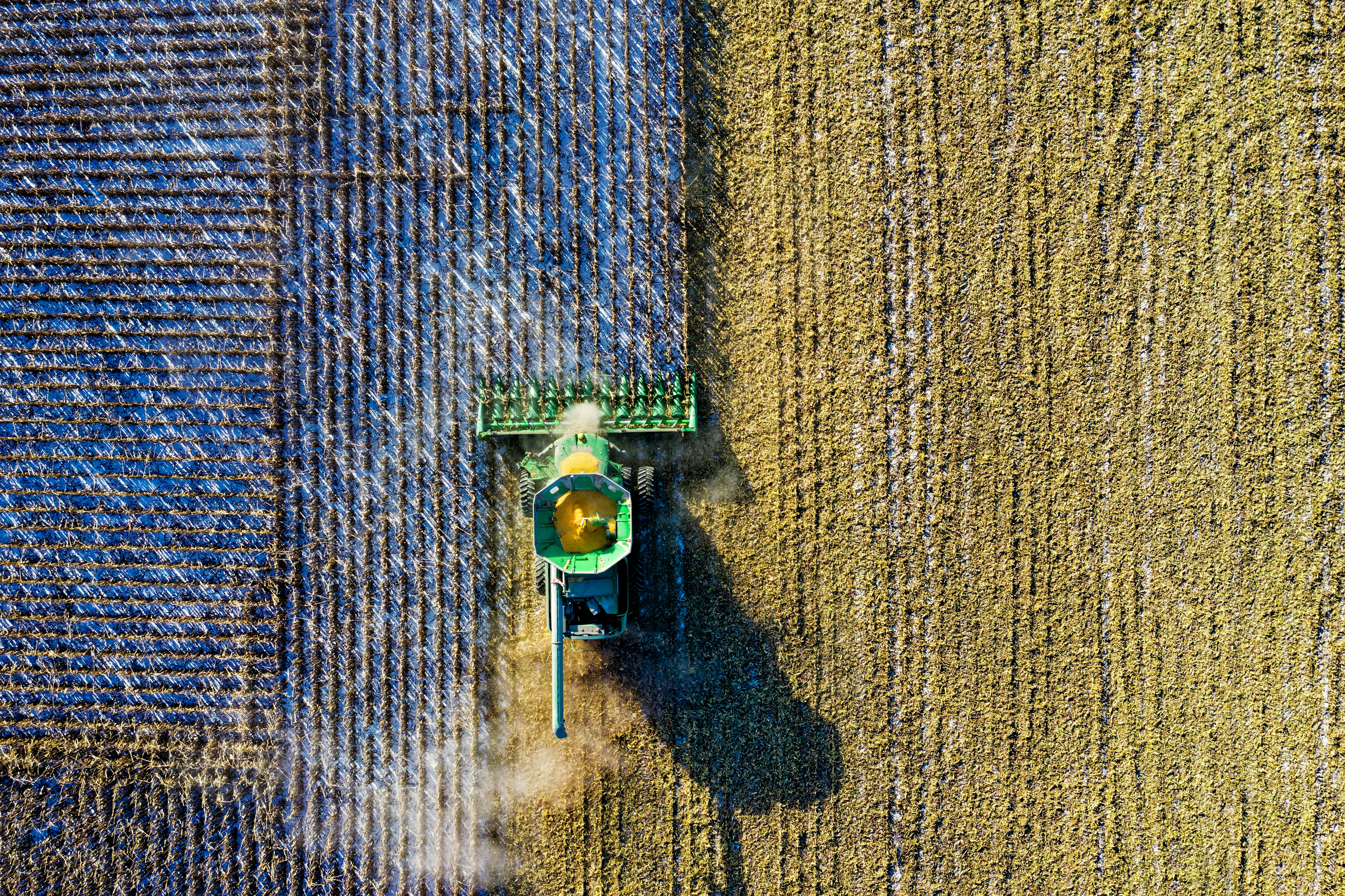
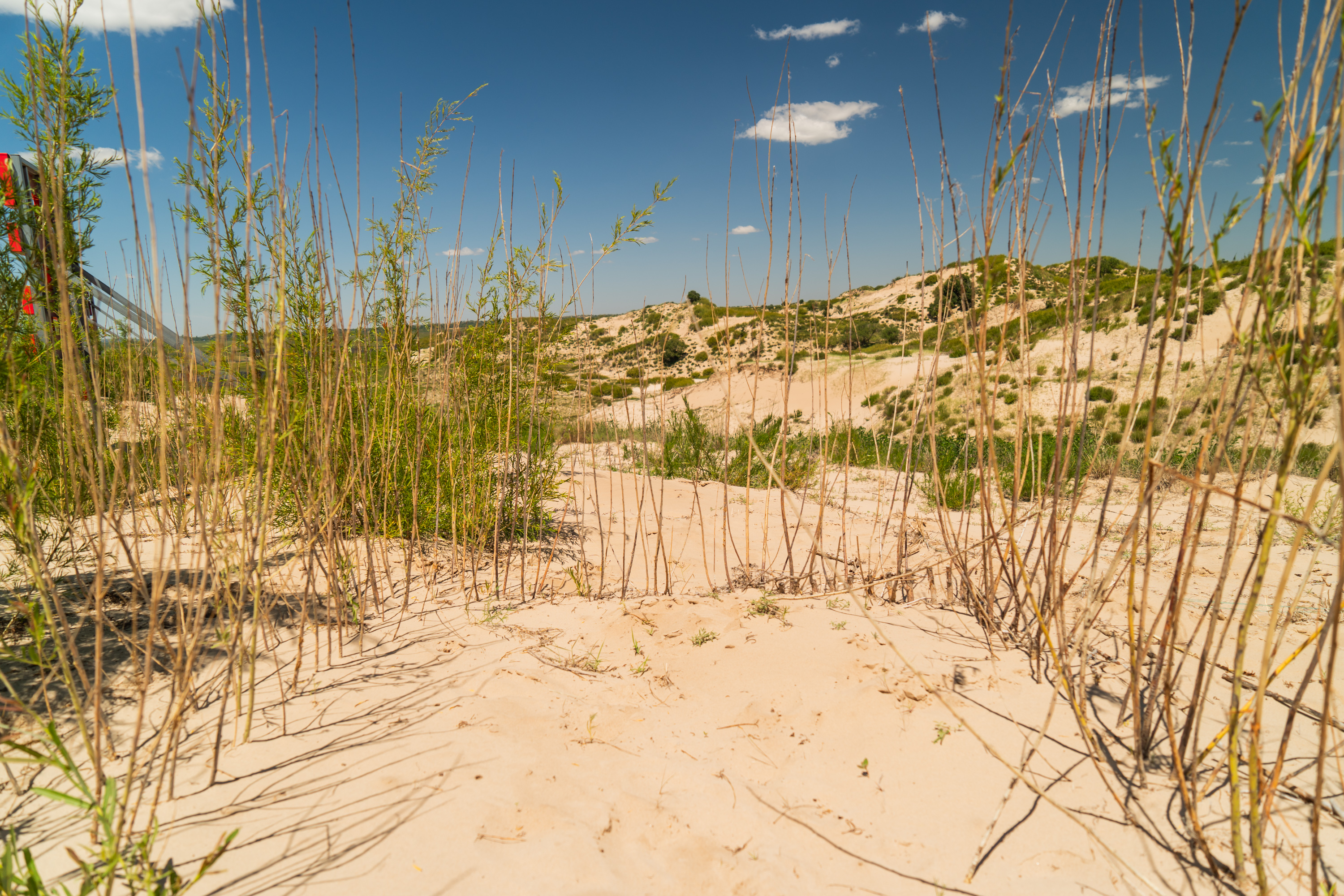
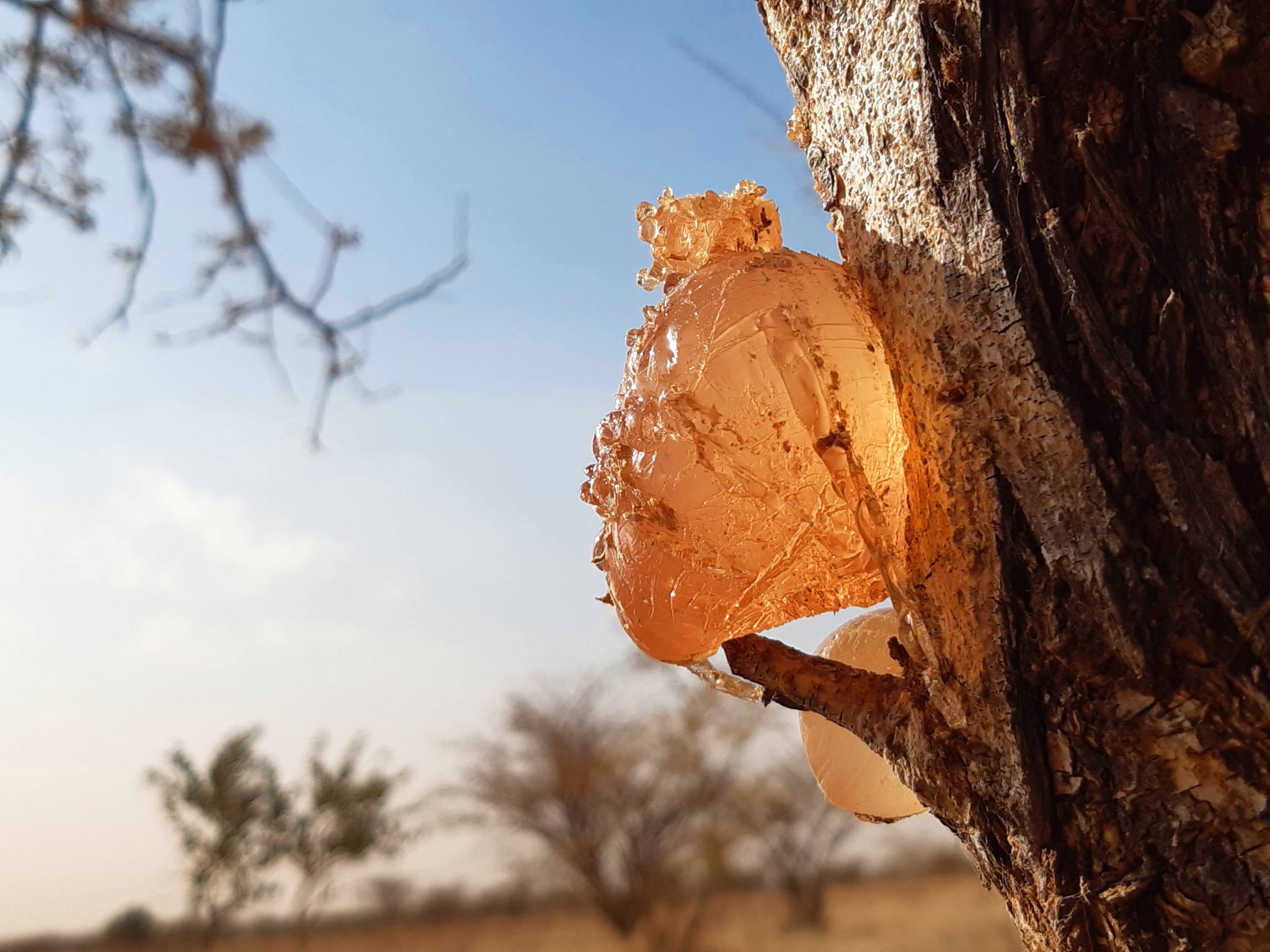


波恩,2025年4月7日今年6月17日的“荒漠化和干旱日”重点关注加快全球土地恢复进程,目标是在全球范围内恢复15亿公顷退化土地,并推动万亿美元级别的土地恢复经济。2025年“荒漠化和干旱日”的主题为“恢复土地,释放机遇”,旨在强调土地恢复带来的多重效益。《联合国防治荒漠化公约》(UNCCD)执行秘书易卜拉欣·蒂奥表示:“土地退化和干旱对全球经济、社会稳定、粮食安全、水资源及人类福祉构成严重威胁,同时加剧气候变化、生物多样性丧失、贫困、被迫移民,以及因争夺肥沃土地和水资源而引发的冲突。土地恢复为扭转这一令人担忧的趋势提供了契机。恢复后的土地蕴藏着无限潜力,现在正是我们释放这些机遇的关键时刻。”健康的土地是经济繁荣的基石,全球超过一半的GDP依赖于自然资源。然而,人类正以惊人的速度消耗这一宝贵资本——每年约有100万平方公里的健康土地退化,相当于埃及的国土面积。当前,联合国生态系统恢复十年(2021-2030)已进入中期,我们必须加快行动,扭转土地退化趋势,实现大规模恢复。如果不采取有效措施,到2030年,我们需要恢复15亿公顷土地,才能实现“土地退化零增长”目标。目前,全球已有10亿公顷退化土地通过各类自愿承诺纳入恢复计划,例如依托于UNCCD的二十国集团(G20)全球土地恢复倡议等。恢复退化土地不仅有助于改善生态环境,也将为人类社会带来广泛收益。数据显示,每投资1美元用于土地恢复,便可带来7至30美元的经济回报。然而,尽管土地恢复的经济效益显著,当前的投资规模和实施进度仍远未达到所需水平。根据UNCCD全球机制的最新资金需求评估,2025年至2030年期间,全球每天需投入10亿美元,以有效应对荒漠化、土地退化和干旱挑战。而目前,每年全球土地恢复及抗旱投资额仅为660亿美元,其中私营部门贡献仅占6%。易卜拉欣·蒂奥执行秘书总结道:“我们必须提升政府和企业的投资力度与行动力。尽管土地恢复的长期回报远超初期投入,但前期资金需求仍高达数千亿美元。我们需要拓展新的融资渠道,创造更多优质的土地相关就业机会,加速技术创新,同时充分发挥传统知识的作用,以实现真正可持续的土地恢复。”关于荒漠化和干旱日联合国大会于1994年正式宣布(A/RES/49/115)每年6月17日为"荒漠化和干旱日",这是一个宣传展示防治荒漠化、土地退化和干旱的实际解决方案的独特场合。“2025 年荒漠化和干旱日 "的主题是 "恢复土地,释放机遇",强调与土地恢复相关的多重益处。世界各国和社区组织活动纪念该国际日。此前的全球荒漠化和干旱日庆祝活动分别在德国(2024 年)、美国(2023 年)、西班牙(2022 年)、哥斯达黎加(2021 年)、大韩民国(2020 年)、土耳其(2019 年)、厄瓜多尔(2018 年)、布基纳法索(2017 年)和中国(2016年)举行。 更多信息,请联系UNCCD新闻办公室press@unccd.int关于UNCCD《联合国防治荒漠化公约》(UNCCD)是全球土地的愿景和代言人。我们将各国政府、科学家、决策者、私营部门和社区团结在一个共同愿景和全球行动周围,为人类和地球的可持续发展恢复和管理世界土地。UNCCD不仅仅是一项由197个缔约方签署的国际条约,它还是一项多边承诺,旨在减轻当今土地退化的影响,促进未来的土地管理,从而以公平和包容的方式为所有人提供食物、水、住房和经济机会。

On the outskirts of Jimma, Ethiopia, a modest tree nursery is thriving against all odds. Here, vibrant green seedlings have sprouted from soil once rendered barren by relentless droughts. Hussein, a local farmer, walks among rows of avocado, banana and papaya seedlings, each symbolizing a new beginning for his family. “These trees are an important source of hope and pride for us,” he says, his voice a mix of pride and relief. This land has endured severe droughts for decades, with erratic rainfall extending the dry season and turning the soil to dust. But in Jimma, an agroforestry project offers a beacon of stability rooted in the soil.The path to Jimma’s environmental rejuvenation commenced with a thorough evaluation of its degraded soil, which had suffered from years of intensive agriculture and persistent droughts. This initiative, the Greening Drylands Partnership, bolstered by the Changwon Initiative, launched by the Republic of Korea during the UNCCD COP10 in 2011, aiming to support the global target of a land degradation-neutral world. Financial backing was provided by the Korea Forest Service through the United Nations Convention to Combat Desertification (UNCCD) and the United Nations Environment Programme (UNEP). They conducted extensive soil sampling throughout the region to assess nutrient and moisture levels and thus the resilience of the soil. Encouragingly, despite its depletion, Jimma’s soil showed potential; with proper care, it was capable of supporting new life.Hussein was one of the first to volunteer, intrigued by the idea that trees could provide benefits beyond his seasonal crops. At first, he didn’t believe trees could survive in this kind of soil, he admits. “We had always relied on corn and tomatoes, but when the drought came, they just dried up.” Today, he stands in the middle of his orchard, surveying the lush canopy that now protects his land. His fruit trees, once tiny saplings, have grown sturdy, their roots reaching deep into the earth. Where corn and peppers once struggled, avocado and banana trees thrive, providing a steady income he’d never imagined. In the past four months alone, he has earned about 72,000 Ethiopian Birr (about $1,300) from fruit sales. For Hussein, the change is more than financial. Hussein is not alone in this transformation. His neighbor, Mohammed, and women’s collectives have also joined the agroforestry project, moving from annual crops to a permanent orchard. They have seen a steady income and now employ other villagers to help with the harvest, extending the project’s impact beyond his land.Jimma’s agroforestry success is part of a larger movement. Across Ethiopia, the Green Legacy Initiative, a national reforestation campaign launched in 2019, has inspired communities to plant trees and protect natural resources. The program has surpassed its initial goal of planting 20 billion trees, setting the country on a path to reverse decades of environmental degradation. The Greening Drylands Partnership, with its direct economic benefits, demonstrates the potential to combine reforestation with income generation, giving struggling farmers a reason to protect their land.In Jimma, agroforestry is gaining traction as a movement, guided by farmers like Hussein, who recognize the importance of selecting the right seeds, planted with care, to ensure resilience.Ethiopia’s droughts persist. Each year, as temperatures rise and rains fail, the country faces increasing pressure to adapt. However, the farmers of Jimma have demonstrated that adaptation is not a matter of surrender. Through agroforestry, they have found a way to thrive in conditions that once seemed impossible. They are actively engaged in reshaping their future, planting trees with a sense of urgency and dedication, as if their very survival depends on it.The roots of resilience are spreading, offering a roadmap for other drought-prone regions in the Horn of Africa and beyond. It serves as a reminder that sometimes the most powerful solution is already present and waiting within our communities.

2025 年 2 月 21 日,波恩--蒙古政府与《联合国防治荒漠化公约》(UNCCD)签署了一项协议,为 2026 年在乌兰巴托召开公约缔约方大会第十七届会议(COP17)铺平了道路。 COP17将把《防治荒漠化公约》的197个缔约方聚集在这个重要的全球论坛上,加快防治荒漠化、土地退化和干旱的行动。作为受荒漠化影响最严重的国家之一,蒙古有近 77% 的土地退化,蒙古将利用第十七届缔约方会议,推动世界各地的土地恢复、可持续土地管理和抗灾能力建设解决方案。 在波恩举行的签字仪式上,蒙古国环境与气候变化部部长奥东图雅-萨尔丹阁下说:"蒙古致力于防治荒漠化和恢复退化土地。通过种植'十亿棵树'运动等举措,我们正在采取果断措施保护我们的环境,确保子孙后代有一个可持续的未来。 《联合国防治荒漠化公约》执行秘书易卜拉欣·蒂奥说:"解决荒漠化和干旱问题的紧迫性怎么强调都不为过。在蒙古举行的第十七届缔约方会议将借助利雅得第十六届缔约方会议的势头,加强全球承诺,强化金融机制,促进跨部门伙伴关系。 根据《联合国防治荒漠化公约》的数据,全球多达 40% 的土地已经退化,影响到近一半的人口,威胁到气候稳定、生物多样性和生计。解决土地退化问题对于粮食安全、水供应和抵御气候变化至关重要。 COP17将于 2026 年联合国大会宣布并由蒙古倡导的 "国际牧场和牧民年"(IYRP)期间举行,届时将进一步努力促进牧场的可持续管理、恢复和保护。 这些广阔的牧场生态系统对经济、粮食安全、生物多样性和气候适应能力至关重要,然而,50%以上的牧场正面临着严重的退化威胁。牧场不仅为小农牧民、农民和土著社区提供了生计支持,还在稳定土壤、调节水循环、维持生物多样性和储存碳等方面发挥着不可替代的作用。加强牧场管理对于全球约5亿牧民的经济福祉至关重要,因此,COP17的议题与土著人民和当地社区的生存与发展息息相关。 中亚和蒙古 60% 的土地被用作牧场,养活着该地区近三分之一的人口,因此可持续土地管理是国家的当务之急。尽管牧场很有价值,但与森林和湿地相比,牧场历来受到的关注和资金投入较少。COP17和国际马铃薯年将为推进可持续土地管理和加强全球对牧场恢复的承诺提供一个重要平台。 在为期两周的会议期间,将举行高级别会议、专题对话和论坛,包括性别问题核心小组和首次举行的土著人民核心小组会议。此外,"青年论坛 "和 "企业为土地服务论坛 "将吸引青年和私营部门参与可持续土地管理解决方案。 在蒙古举行的第十七届缔约方会议将成为应对气候挑战的全球平台,重点关注荒漠化、干旱和可再生能源转型。加强国际合作将是推动气候投资、创造绿色就业机会和促进可持续发展的关键。蒙古面临着严重的环境威胁,包括土壤退化、沙尘暴和荒漠化,因此环境保护和绿色增长成为国家的优先事项。 根据 "土地退化零增长"(LDN)目标,蒙古旨在减少毁林和森林退化,到 2030 年将森林覆盖率保持在总面积的 9%,促进可持续草原管理以阻止进一步退化,提高农业产量,并确保到 2030 年湿地无净损失。 在 2024 年 12 月于沙特阿拉伯利雅得举行的《联合国防治荒漠化公约》缔约方会议第十六届会议所取得进展的基础上,各国将努力最终确定一个全面的全球干旱制度,以加强对日益增加的干旱风险的防备和抵御能力。 如需了解更多信息,请联系 《联合国防治荒漠化公约》新闻办公室,press@unccd.int https://www.unccd.int/, @unccd 关于《联合国防治防治荒漠化公约》 《联合国防治荒漠化公约》(UNCCD)是一项关于良好土地管理的国际协定。它通过确保土地使用者享有可持续土地管理的有利环境,帮助人民、社区和国家创造财富、发展经济,并确保充足的粮食、清洁水和能源。通过伙伴关系,《公约》的 197 个缔约方建立了健全的系统,以便及时有效地管理干旱。以健全的政策和科学为基础的良好土地管理有助于整合和加快实现可持续发展目标,增强抵御气候变化的能力,并防止生物多样性丧失。 https://unccd.int 关于国际牧场和牧民年 在蒙古的倡议下,联合国大会将2026年定为 "国际牧场和牧民年"(IYRP 2026),以加强牧场管理,改善牧民生活。这一宣言呼吁联合国会员国投资于可持续牧场管理,恢复退化的土地,改善牧民的市场准入,加强畜牧业推广服务,填补牧场和牧业方面的知识空白。2026 年国际马铃薯年将与蒙古主办的《联合国防治荒漠化公约》第十七届缔约方会议同期举行。 https://iyrp.info

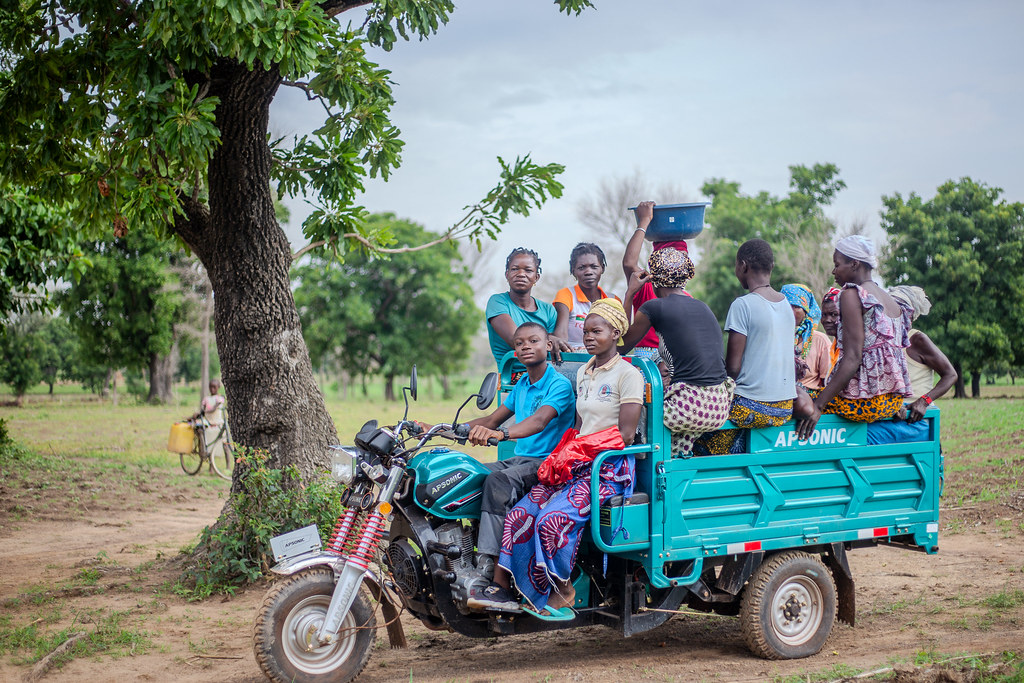
Dano, Ioba province of Burkina Faso - As dawn breaks, the village of Tambiri, in Burkina Faso's Ioba province, is already quite busy. Women like Dabiré Ngalle, head of the Ngongele women's group, start their day with a sense of urgency, shaped by generations of struggle and survival. Dabiré leads her team into the shea groves, which are the main source of income for their families and communities. Yet these emblematic Sahelian trees are now at the heart of a long-running ecological crisis. Dabiré Ngalle, president of the Ngongele Women’s Cooperative | The women of Tambiri stand together at the heart of their community, bearing generations of knowledge and responsibility for preserving shea trees.The shea tree (Vitellaria paradoxa), often called the "tree of life," has long provided shade, food and income throughout West Africa. In Burkina Faso alone, its economic and cultural value is considerable: some 800,000 tons of shea nuts are harvested each year, with women forming the backbone of this supply chain. But these trees are disappearing.Decades of deforestation, unsustainable farming practices and climate change have decimated the shea tree population. Studies show that drought stress alone has led to seedling mortality rates of up to 40% in some regions. Traditional farming methods, based on slow-growing seeds, are no longer sufficient."Every tree we lose is a piece of our history that is disappearing", Dabiré says in a measured but determined voice.The shea tree is more than a commodity; it's a key species in the Sahel's fragile ecosystem. For many rural women, it provides up to 80 percent of their household income. The production of shea butter, valued worldwide for its cosmetic and therapeutic properties, is both a livelihood and a heritage. But the decline of shea plantations has forced women to adapt in ways that strain their already precarious livelihoods.In Niemi, a neighboring village to Tambiri, memories of the abundance of shea trees are fading. "When I was young, shea trees were everywhere," recalls one woman. "Now the groves are like scattered islands, shrinking every year.The challenges women face go beyond the environmental. In Tambiri and beyond, traditional land tenure practices mean that women often have no guaranteed rights to the land on which they depend. This legal insecurity is a major obstacle to long-term investment in agroforestry or soil restoration.If my husband dies, my farm will be taken over by my in-laws," explains one woman. Her story is repeated throughout the region, where patriarchal norms limit women's autonomy in land-use decisions. Advocacy for land reform has gained momentum, with local leaders and NGOs pushing for policies that grant women ownership or long-term leases, but progress remains slow.Despite the challenges, new initiatives are offering a glimmer of hope. The Global Shea Alliance (GSA), in partnership with local NGOs and international bodies like the UNCCD are introducing regenerative agroforestry practices. These methods aim to balance ecological restoration with economic resilience."We used to plant trees without fully understanding how to take care of them," admits a participant in a training program in Niemi. "Now we know how to take care of the seedlings, so they survive."The programs also provide boreholes, which have reduced the backbreaking work of fetching water, and tricycles, which streamline the transportation of heavy shea nuts. These interventions are modest but meaningful, allowing women to reclaim time and energy for other tasks.The GSA's latest call to action - to restore four million hectares of Sahel parkland by 2030 - is ambitious. This restoration effort dovetails with the Great Green Wall Initiative, a broader strategy to address land degradation across the Sahel. But such large-scale projects often face funding gaps and logistical hurdles."It's not just about planting trees," emphasizes Gilles Amadou Ouedraogo, a UNCCD program officer. "It's about restoring ecosystems, empowering women, and ensuring the long-term viability of these landscapes."As daylight fades in Tambiri, Dabiré reflects on the challenges ahead. For her and the women of the Ngongele cooperative, the struggle is personal and generational. Each tree they plant is a seed of hope, an act of quiet defiance against the forces eroding their world."We're not just planting trees; we're panting for the survival of our children and their children," she says. Her words convey the quiet resilience of a community determined to preserve not just a species, but an entire way of life.The future of shea - and the millions who depend on it - will depend on a delicate balance of politics, environmental stewardship and the enduring determination of women like Dabiré.

The world’s population is on track to reaching 10 billion by 2050, just as the planetary systems that sustain life on Earth are being pushed to their limits — and with them, our ability to provide food and water and to prevent large-scale displacements, rippling economic shocks and conflict.

Side events organized within the sidelines of the official sessions of the Conference of the Parties (COP) and/or its subsidiary bodies convened by the UNCCD provide an informal opportunity for Parties and accredited observer organizations to exchange information and experiences on diverse issues related to the objectives of the Convention. Parties and accredited observers wishing to organize a side event during the conference are requested to apply using the following form and submitting it to: sideevent@unccd.int The application form can be downloaded from the Resources tab on this page and should be submitted by 6 September 2024. Participants are advised that the secretariat is responsible only for room allocation. Time slots and rooms will be accommodated according to availability on a first come, first serve basis. For more information, click here.
