Latest
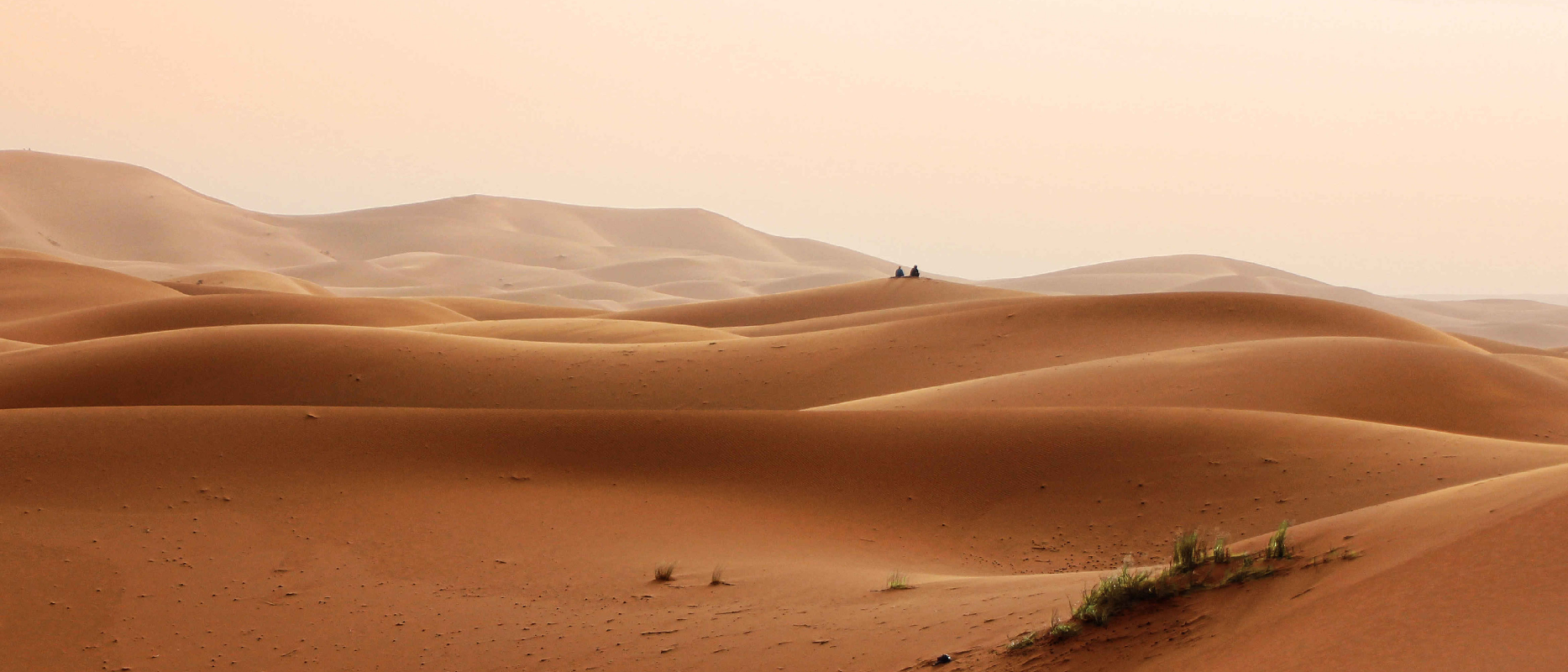
Influential leaders from business, politics, media, the film and music industries gathered at Goals House in New York, to spotlight the Great Green Wall as a practical, low-cost nature-based solution responding to the global climate emergency. Participants called on governments, civil society and business to join a growing global movement to make the Great Green Wall a reality by 2030. The Sahel – where the Great Green Wall is taking root – is a political hotspot. Nearly 80% of the land in this region is degraded, 33 million people are currently food insecure and temperatures are expected by rise by as much as 3-5 degrees by 2050. The most pressing challenges that humanity will face this century are already evident here, from food and water shortages, to climate change, drought, migration, and international terrorism. The Great Green Wall Initiative is a people-centered movement to restore the health of the Sahel’s eco-system and natural resources in order to build the resilience to drought of the communities living here, enhance their food security and empower them to generate new and sustainable income streams. The Initiative was launched a decade ago by the African Union, with the support of many partners that include UNCCD, the World Bank, the Global Environment Facility and the European Commission. The event featured musical performances by Songhoy Blues, Waje and Grammy-winning artist Ricky Kej as well as clips from the upcoming feature documentary titled, The Great Green Wall (Directed by Jared P. Scott), produced by MAKE Waves in association with the United Nations Convention to Combat Desertification (UNCCD). The event was convened by Ibrahim Thiaw, Executive Secretary of the UNCCD jointly with Connect4Climate – World Bank Group. Read more: Press release The Great Green Wall

The framework used for reporting action will be improved to ensure it captures key issues, such as gender equality, drought response and the influence of consumption and production patterns and flows on land degradation. Through the Delhi Declaration, ministers expressed support for new initiatives or coalitions aiming to improve human health and well-being, the health of ecosystems, and to advance peace and security.
The Global Mechanism has released a briefing note that explores interlinkages between land degradation, poverty and inequality, making the case that investing in land degradation neutrality matters for some of the most pressing country priorities, such as ending poverty and reducing inequality.
The launch of the new UNCCD interactive Drought Toolbox became the highlight of the day, offering country parties a practical interactive platform to develop national drought plans and switch to a proactive approach to drought management.
On 11 September the Group of Friends on the Desertification, Land Degradation and Drought (GOF DLDD) met in the margins of UNCCD COP14 in New Delhi. The event, facilitated and attended by Ibrahim Thiaw, UNCCD Executive Secretary, offered the opportunity to recommit to achieving land degradation neutrality (LDN) by 2030. The LDN tool is recognized as an accelerator and integrator to speed up the achievements of Sustainable Development Goals. Further, the Group called on the upcoming Climate Action Summit to harness land-based solutions through sustainable land management and land restoration to address climate change mitigation and adaptation. Noting that women bear the brunt of desertification, land degradation, and drought, members of the GOF affirmed that land restoration, seen as an enabler to achieve land degradation neutrality, will contribute to women’s empowerment for better livelihoods. See also: Press release Climate Action Summit
On the road to the Climate Action Summit, the United Nations Deputy Secretary-General Ms. Amina Mohammed and the Minister of Environment, Forest and Climate Change of India and President of COP14 Mr. Prakash Javedkar, hosted a high-level luncheon on land and climate.