News & stories

Latest
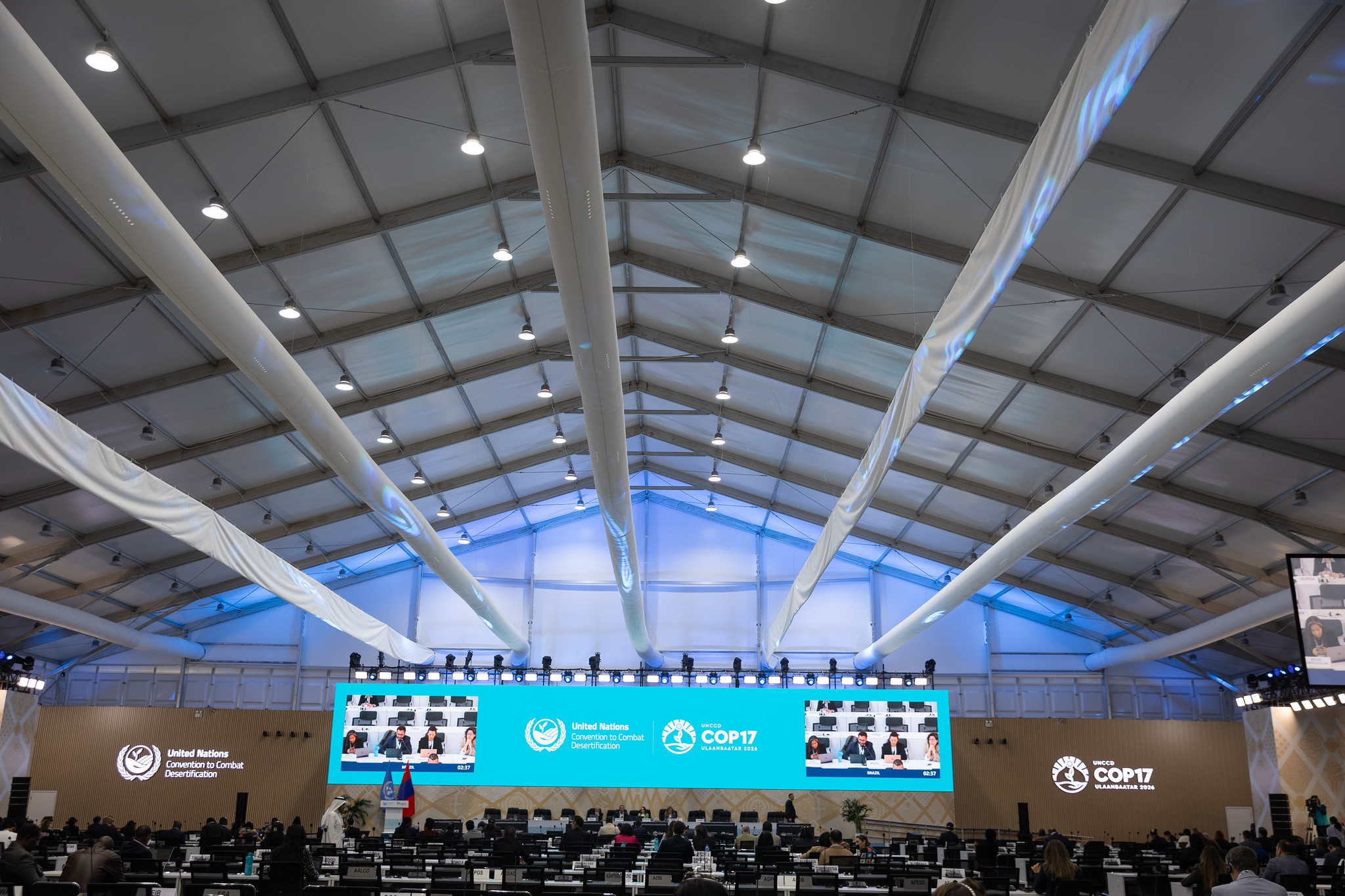
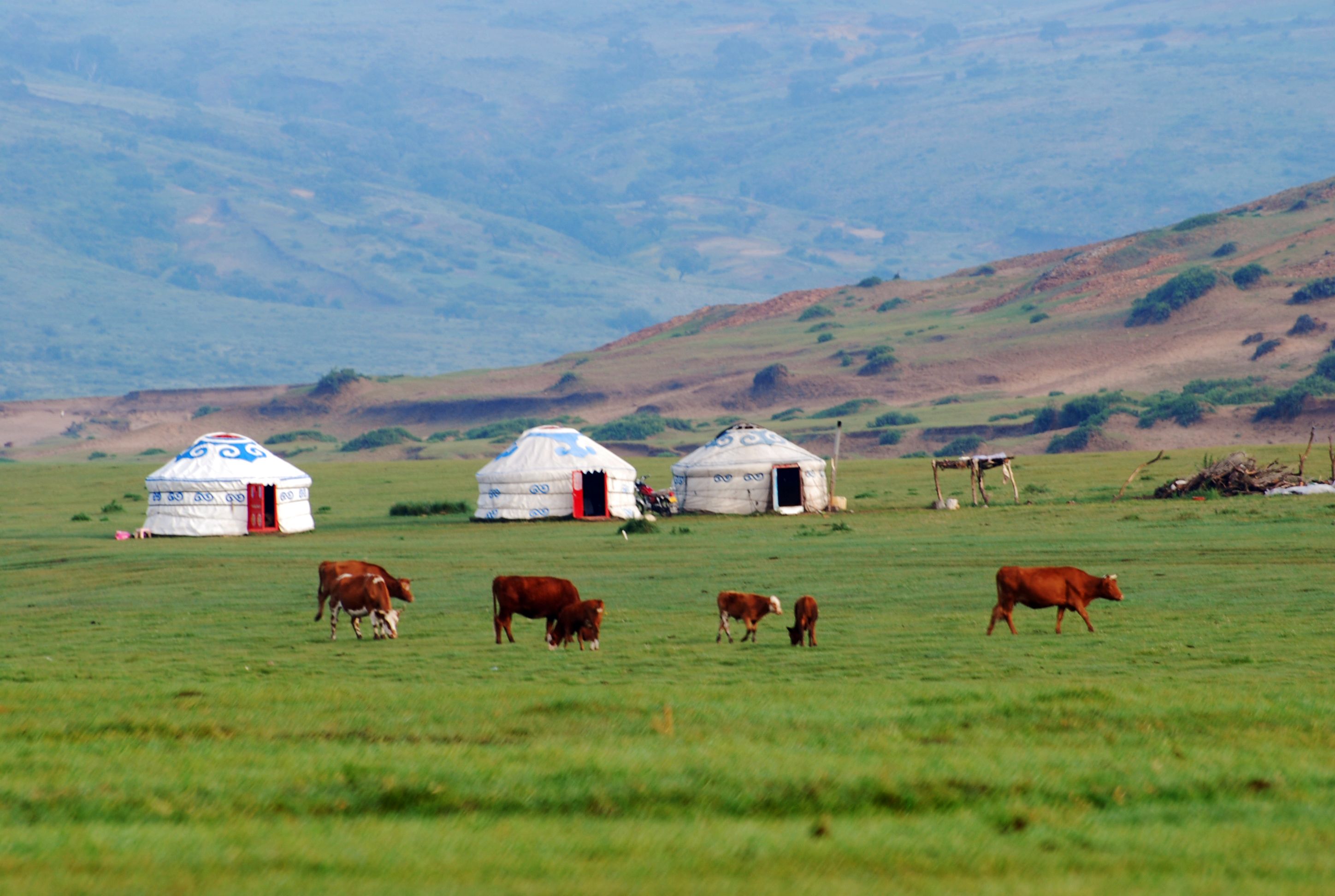
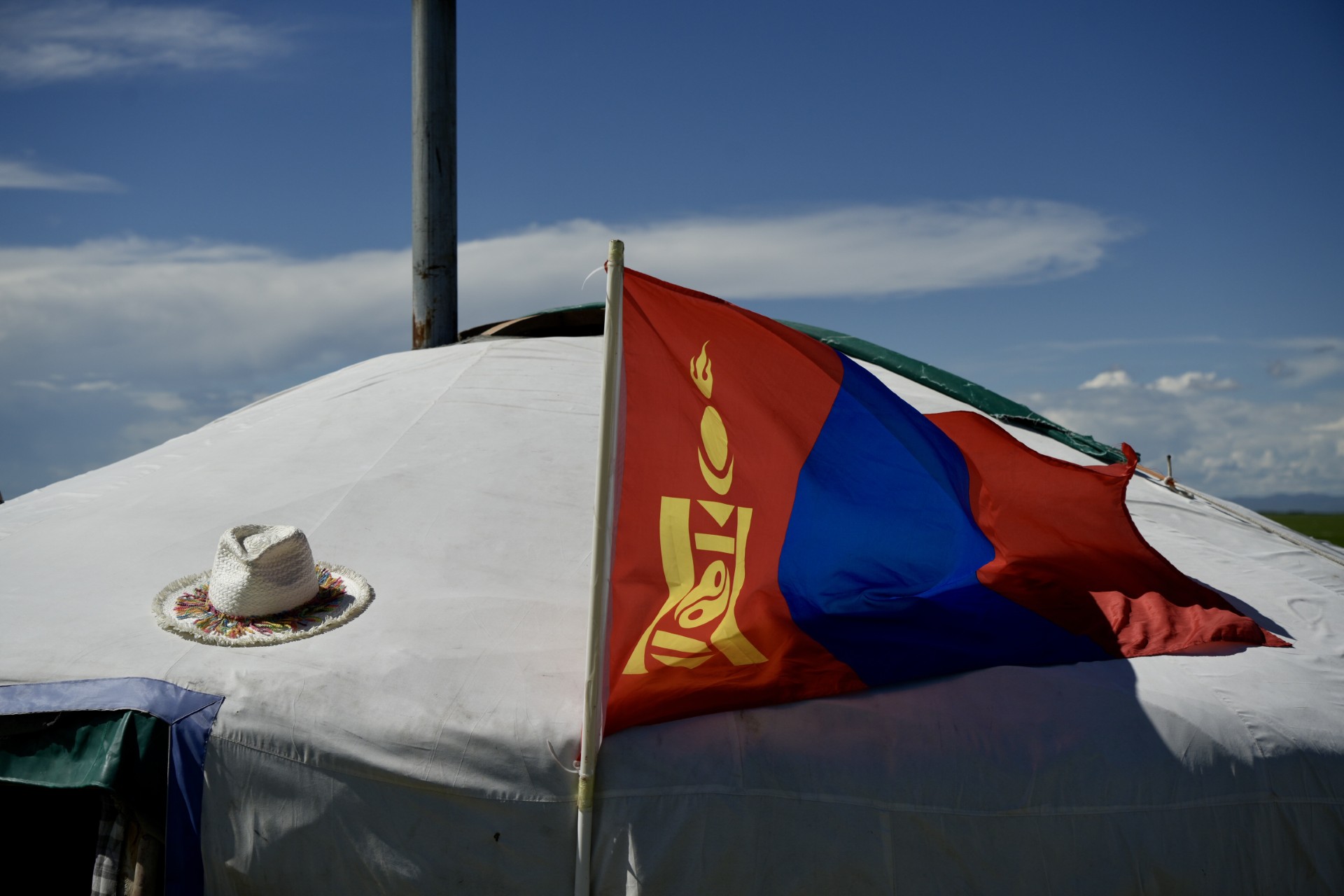
Up to half of the world’s rangelands are degraded or at risk, with drought hitting them hardestRangelands support around two billion people and provide nearly 70 per cent of global livestock feedEurasian grasslands lost up to 43 per cent of productivity under extreme drought, while agricultural expansion is a major threat facing South American rangelandsSouthern Africa’s rangelands support livelihoods and local economies, with around 70 per cent of land used for livestock grazingKilifi County, Kenya/Bonn, 17 June 2026 – From the Eurasian steppes and the grasslands of South America to the savannas of Southern Africa, drought, climate change and unsustainable land use are placing growing pressure on the world’s rangelands — with up to half already degraded or at risk — threatening food systems, water security, biodiversity, livelihoods and the resilience of communities worldwide, the United Nations Convention to Combat Desertification (UNCCD) warned today on this year’s Desertification and Drought Day. Scientists warn that rising temperatures and worsening drought conditions are increasing pressure on rangelands worldwide, contributing to soil erosion, water stress and biodiversity loss.Rangelands cover more than half of the Earth’s land surface, support around two billion people and provide nearly 70 per cent of global livestock feed, making them one of the world's most important yet underappreciated food production systems. As droughts intensify and water shortages affect more communities worldwide, governments, scientists and local communities are calling for urgent action to recognize, protect and restore rangelands and support the pastoralist communities and land stewards who depend on them.In a video message marking Desertification and Drought Day 2026, United Nations Secretary-General António Guterres said: “This year also marks the International Year of Rangelands and Pastoralists – a chance to support the pastoralists and Indigenous Peoples whose traditional knowledge can help safeguard these ecosystems. To protect our future, we must protect the land.”Observed under the theme “Rangelands: Recognize. Respect. Restore.”, Desertification and Drought Day 2026 focused on the growing importance of sustainable pastoralism, drought resilience and ecosystem restoration. Hosted by the Government of Kenya, the global observance of Desertification and Drought Day 2026 brought together high-level national and local authorities, communities, youth representatives and development partners at Vipingo Central Primary School in Kenya’s Kilifi County. Drylands and rangelands cover around 80 per cent of Kenya's land area and support millions of people through pastoralism, livestock production and related value chains. “I commend the Government of Kenya for helping bring global attention to the importance of rangelands and pastoralists. As droughts intensify and competition over land and water resources grows, restoring rangelands must become part of how countries strengthen resilience, secure food systems, reduce risk and support livelihoods. Knowledge and solutions already exist. The challenge now is scaling up investment and implementation,” said UNCCD Executive Secretary Yasmine FouadKenya’s Cabinet Secretary for Environment, Climate Change and Forestry Deborah M. Barasa said:Kenya is proud to host this important global moment. For us, this is not just another global event. It is a conversation that touches the daily lives of our people, especially our pastoralists, farmers, women, youth, and communities living in rangelands, who understand better than anyone the value of land, water, livestock, and nature. As we gather here at Kilifi County, may we use this occasion to listen, to learn from one another, and to renew our commitment to action. We must recognize the true value of rangelands, respect the communities who depend on and care for them, and work together to restore these landscapes for generations to come.From Eurasia to Southern AfricaAcross Eurasia, climate change, worsening drought conditions and unsustainable land management are accelerating degradation across the world’s largest continuous grazing region. Stretching more than 8,000 kilometres from the Black Sea to Northern China, the Eurasian steppes comprise around a quarter of the world’s rangelands and support millions of pastoralists and livestock producers.The UNCCD Silk Road Caravan journey across Eurasia ahead of COP17 in Mongolia is also highlighting the importance of sustainable pastoralism and rangeland restoration across these landscapes.Scientists warn that rising temperatures and increasing drought intensity are contributing to soil erosion, water stress and biodiversity loss across the region. Recent studies also found Eurasian grasslands experienced a 43 per cent reduction in annual productivity under extreme drought conditions, compared to 25 per cent in North American grasslands.In South America, some of the world’s most productive grasslands and savannas are being transformed by agricultural expansion, deforestation and intensive livestock production. The Gran Chaco, Cerrado and Pampas are increasingly under pressure from monoculture farming and land conversion, while prolonged droughts and heatwaves are reducing the resilience of native vegetation and pastoral systems.Meanwhile, in Southern Africa, where around 70 per cent of land is used for livestock grazing, communities are reviving traditional grazing systems and local land management approaches to strengthen drought resilience, restore degraded land and improve soil and water retention.In countries such as Zimbabwe and Angola, locally led initiatives based on rotational grazing and traditional pastoral systems are helping restore ecosystems, improve water availability and reduce conflict over natural resources.Restoration and resilienceDespite growing pressures, the encouraging news is that viable solutions already exist. Rotational grazing, pastoral mobility, silvopastoral systems, Indigenous knowledge and community-based rangeland management are increasingly demonstrating how degraded lands can recover while continuing to support livelihoods, food production and biodiversity.Evidence from multiple regions also shows that healthy rangelands are often more resilient to drought due to their perennial vegetation and deep root systems, which help retain water and protect soils during prolonged dry periods.Rangelands and pastoralists will be in focus at the forthcoming seventeenth session of the Conference of the Parties to the UNCCD (COP17), which will take place in Ulaanbaatar, Mongolia, from 17 to 28 August 2026.COP17 is expected to help advance international cooperation on sustainable land management, drought resilience and land restoration finance as countries intensify efforts to address desertification, land degradation and drought worldwide.-END-Notes to Editors:Website on Desertification and Drought Day 2026 Access audiovisual materials on the global observance event here. For more information, please contact: UNCCD Press Office press@unccd.int About Desertification and Drought Day Officially declared by the United Nations General Assembly in 1994 (A/RES/49/115), Desertification and Drought Day, marked annually on 17 June, is a unique occasion to highlight practical solutions to combating desertification, land degradation and drought. Countries around the world mobilize to mark the Day through educational, cultural, scientific and community-led activities.This year, Desertification and Drought Day was observed through events and initiatives in 18 countries across Africa, Asia, Europe and Latin America, including Egypt, Ecuador, Germany, Spain, Greece and Kenya, as well as through the Silk Road Caravan initiative spanning several Eurasian countries. Events ranged from scientific dialogues and restoration campaigns to pastoralist exchanges and regional policy discussions focused on drought resilience, sustainable rangeland management and ecosystem restoration.

Accreditation for media is now available for the seventeenth session of the Conference of the Parties (COP17) to the United Nations Convention to Combat Desertification (UNCCD). The conference will take place from 17 to 28 August 2026 in Ulaanbaatar, Mongolia. Journalists are invited to apply for accreditation via Indico. Please note that Indico is the only platform through which media accreditation and authorization to cover COP17 can be obtained. The UNCCD secretariat does not process accreditation requests submitted via email or post. Any materials sent outside the ORS will not be processed.Please ensure that all documents comply with the specified requirements and that applicant details are consistent throughout the application process. Kindly note that participation is subject to approval and that all registrations must be approved.Please monitor your email regularly for any additional documentation or information requests that may be required to confirm your application. Once your registration has been confirmed, you will receive a Registration Acknowledgement Letter. Information on accreditation requirements, visas, visual materials and access to the visa portal is available here: Media InformationShould you have any queries, please do not hesitate to contact us via your online registration account or at press@unccd.int.Further details will be made available on the official COP17 website in due course.

By Yasmine Fouad, Executive Secretary, UNCCD Antalya – Türkiye

Nairobi/Bonn, 21 April 2026 – Kenya will host this year’s Desertification and Drought Day two months from now, on 17 June, as droughts and land degradation intensify worldwide, increasing pressure on rangelands and communities that depend on them. Held under the theme “Rangelands: Recognize. Respect. Restore,” Desertification and Drought Day 2026 will focus on the role of rangelands in sustaining livelihoods, strengthening resilience to drought and supporting food systems.Activities will unfold across Kenya in the week leading up to 17 June, culminating at Vipingo Central Primary School in Kilifi County. The day will see participation from high-level officials, community leaders, youth, pastoralists and partners, beginning with a ceremonial tree planting and a tour of exhibitions showcasing land restoration initiatives, followed by cultural performances led by local schools and community groups.As host, Kenya is placing a spotlight on both the realities facing dryland communities and the solutions already taking shape on the ground. Rangelands cover around 80 per cent of the country and sustain millions of people, supporting livelihoods largely through pastoralism and livestock. Their productivity is increasingly affected by climate variability and land degradation.Kenya's Cabinet Secretary for Environment, Climate Change and Forestry Deborah M. Barasa said: “Kenya is honored to host the global Desertification and Drought Day 2026. This is an opportunity to bring the world’s attention to the realities facing dryland communities, but also to the solutions that are already taking shape on the ground. We look forward to welcoming partners from across the world to advance a shared agenda on land restoration and drought resilience.” United Nations Convention to Combat Desertification (UNCCD) Executive Secretary Yasmine Fouad added that the event reflects a broader shift in how land and drought are being addressed: “Rangelands are often treated as marginal land, but they are central to how economies, food systems and communities function under pressure. They are central to global stability yet in some places they are degrading faster than rainforests. This year we are shifting into practical solutions on the ground where rangelands would be at the heart of land, biodiversity and climatediscussion with the new angle of investment for the people and by the people". Why rangelands matterRangelands cover more than half of the Earth’s land surface and support around two billion people worldwide. They also provide almost 70 per cent of livestock feed globally, making them critical to food systems.Up to half of the world's rangelands are degraded or at risk, with direct consequences for food security, water availability and livelihoods.The economic impact is already substantial. Land degradation is costing the global economy close to USD 900 billion each year, while droughts are becoming more frequent and more costly, with losses of at least USD 300 billion annually.Yet viable pathways for action already exist. Investing in land restoration and drought resilience reduces long-term risk and brings strong returns, making it one of the most effective ways to support sustainable development.This year’s Desertification and Drought Day puts rangelands at the centre of efforts to strengthen resilience and sustain livelihoods, highlighting their role in scaling solutions on the ground.Taking place during the International Year of Rangelands and Pastoralists, the observance will also highlight the role of pastoralist communities and local knowledge in managing and restoring these landscapes.These priorities will continue at the seventeenth session of the Conference of the Parties (COP17), to be held in Ulaanbaatar from 17 to 28 August 2026, where governments and partners will advance efforts to address desertification, land degradation and drought. For more information, please contact: UNCCD Press Office press@unccd.int; https://www.unccd.int/events/desertification-drought-day/2026 About Desertification and Drought Day Officially declared by the United Nations General Assembly in 1994 (A/RES/49/115), Desertification and Drought Day, marked annually on 17 June, is a unique occasion to highlight practical solutions to combating desertification, land degradation and drought. Countries around the world are mobilizing to mark Desertification and Drought Day with an array of educational, cultural and sporting activities. About UNCCD The United Nations Convention to Combat Desertification (UNCCD) is the global vision and voice for land. We unite governments, scientists, policymakers, private sector and communities around a shared vision and global action to restore and manage the world’s land for the sustainability of humanity and the planet. Much more than an international treaty signed by 197 parties, UNCCD is a multilateral commitment to mitigating today’s impacts of land degradation and advancing tomorrow’s land stewardship in order to provide food, water, shelter and economic opportunity to all people in an equitable and inclusive manner.

Монгол Улс болон Цөлжилттэй тэмцэх тухай Нэгдсэн Үндэстний Байгууллагын конвенцын Нарийн бичгийн дарга нарын газар хамтран Улаанбаатар хотноо зохион байгуулагдах тус конвенцод нэгдэн орсон талуудын 17 дугаар бага хурлын Цэнхэр бүсэд зохион байгуулагдах сэдэвчилсэн өдрүүдийн хөтөлбөрийг албан ёсоор танилцууллаа.“Эх байгалиа сэргээе, Итгэл найдвараа бадраая” уриан дор 2026 оны 8 дугаар сарын 17-ноос 28-ны өдрүүдэд Улаанбаатар хотноо зохион байгуулагдах Цөлжилттэй тэмцэх тухай Нэгдсэн Үндэстний Байгууллагын конвенцын Талуудын 17 дугаар бага хурал (COP17) болохоос таван сарын өмнө Цэнхэр бүсийн сэдэвчилсэн өдрүүд болон үйл ажиллагааны хөтөлбөрийг өнөөдөр /2026.03.17/ олон нийтэд танилцуулж байна.Тус конвенцод нэгдэн орсон 197 улсын төрийн төлөөлөгчид, шинжлэх ухааны байгууллагууд, хувийн хэвшил болон газар ашиглагчид уур амьсгалын өөрчлөлтөд тэсвэртэй, экологийн хувьд тэнцвэртэй, газрыг зохистой ашиглах замаар хөгжил цэцэглэлтийн үндэс болсон эрүүл газрыг хамгаалах, сэргээх дэлхийн үйлсэд хамтран ажиллахаар Улаанбаатар хотноо цуглах юм.Талуудын 17 дугаар бага хурал нь олон улсын хамтын нийгэмлэгийн өмнө хүлээсэн амлалтуудыг бодит, хэмжигдэхүйц хэрэгжилт болгон хэрэгжүүлэхэд чиглэнэ. Энэ удаагийн бага хурлын хэлэлцүүлгийн гол чиглэл нь ган гачигт тэсвэрлэх чадварыг нэмэгдүүлэх, газрын доройтлыг бууруулах, газрын нөхөн сэргээлтэд чиглэсэн санхүүжилтийг нэмэгдүүлэх, мөн дэлхий дахинаа өргөн тархсан бэлчээрийн экосистем болон нүүдлийн мал аж ахуйн ирээдүйн чиг хандлагыг тодорхойлох асуудал байх юм.Энэ жил тогтвортой хөгжлийн үндсэн тулгуур болсон “Риогийн гурав” буюу биологийн олон янз байдал, уур амьсгалын өөрчлөлт болон газрын асуудлаарх гурван конвенцын Талуудын бага хурлууд зохион байгуулагдана. Эдгээрийн эхнийх болж буй Цөлжилттэй тэмцэх тухай Нэгдсэн Үндэстний Байгууллагын конвенцын Талуудын 17 дугаар бага хурал нь энэ жилийн олон улсын хэлэлцүүлгийн үндсэн чиг хандлагыг тодорхойлохын зэрэгцээ дараагийн жилүүдийн бодлогын яриа хэлэлцээний эхлэлийг тавих ач холбогдолтой юм.Цөлжилттэй тэмцэх тухай Нэгдсэн Үндэстний Байгууллагын конвенцын Гүйцэтгэх нарийн “Ирэх 10 жилийн хугацаанд буюу 2030 он гэхэд улс орнууд нийт нэг тэрбум га доройтсон газрыг нөхөн сэргээх амлалтыг өгөөд байна. Мөн 70 гаруй улс ган гачигт тэсвэртэй байх үндэсний бэлэн байдлын төлөвлөгөөтэй болжээ.Талуудын 17 дугаар бага хурал нь эдгээр амлалтыг бодит үйл ажиллагаа болгох чухал боломж юм. Үүнд гангийн эрсдэлийг бууруулах, газрын нөхөн сэргээлтийн санхүүжилтийг нэмэгдүүлэх, хямрал тохиолдсоны дараа өндөр зардал гарган даван туулахын оронд урьдчилан сэргийлэх бэлэн байдлыг хангахад хөрөнгө оруулах, мөн бэлчээрийг эдийн засаг, соёл, уур амьсгалын тогтолцоонд чухал ач холбогдолтой үнэт нөөц гэдгийг хүлээн зөвшөөрөх асуудал багтана” хэмээн онцоллоо.Монгол Улсын Байгаль орчин, уур амьсгалын өөрчлөлтийн сайд Б.Батбаатар хэлэхдээ:“Монгол Улсын Засгийн газрын хувьд ‘Рияд–Улаанбаатар үйл ажиллагааны хөтөлбөр’ нь бэлчээр болон хөдөө аж ахуйн газар нутгаас эхлэн чухал экосистемүүдийг нөхөн сэргээхэд иргэн, бизнес, хот суурин болон олон улсын түншүүдийн оролцоонд тулгуурласан стратеги юм.Энэхүү стратеги нь ус ба газрын нэгдсэн менежментийг дэмжих, тэдгээрийн уялдаа холбоог сайжруулахад чиглэсэн хөрөнгө оруулалтыг татах, мөн ган гачигт тэсвэртэй байдлыг бэхжүүлэхэд онцгой ач холбогдолтой” гэдгийг онцлон тэмдэглэв.Мөн тэрээр нийгмийн бүхий л салбарын манлайлагчдыг Талуудын бага хуралд идэвхтэй оролцож, эрүүл, тогтвортой эдийн засаг болон нийгмийг цогцлоох шийдлүүдийг хамтдаа хуваалцаж, хэрэгжүүлэхийг уриаллаа.Талуудын 17 дугаар бага хурлын хүрээнд дэлхийн газрын доройтол болон гангийн асуудалд төвлөрөх зорилгоор сэдэвчилсэн өдрүүдийг зохион байгуулахаар төлөвлөсөн байна. Эдгээр өдрүүд нь улс төрийн шийдвэрүүдийг бодит шийдлүүдтэй холбох, газрын нөхөн сэргээлт болон гангийн эрсдэлд тэсвэртэй байдлыг нэмэгдүүлэх үйл ажиллагаанд олон талын оролцоог хангах чухал платформ болно.Сэдэвчилсэн өдрүүдСанхүүжилтийн өдөр (8 дугаар сарын 24): Газрыг өргөн хүрээнд нөхөн сэргээхийн тулд өдөрт ойролцоогоор 1 тэрбум ам.долларын санхүүжилт шаардлагатай боловч одоогийн санхүүжилт үүнээс үлэмж бага байна. Энэхүү өдрөөр сангийн сайд нар, хөгжлийн банкууд, олон улсын санхүүгийн байгууллагууд болон хувийн хэвшлийн төлөөллийг нэгтгэн, санхүүжилтийн зөрүүг багасгах, томоохон хөрөнгө оруулалтын боломжийг бүрдүүлэхэд анхаарна.Усны өдөр (8 дугаар сарын 25): 2050 он гэхэд дэлхийн дөрвөн хүн тутмын гурав нь гангийн эрсдэлд өртөх төлөвтэй байна. Усны өдрөөр гангийн эрсдэлд урьдчилан бэлтгэх менежментийг сайжруулах, усны нөөцийн нэгдсэн менежментийг дэмжих, ус ба газрын нэгдсэн төлөвлөлтийг уялдуулах хамтын ажиллагааг өргөжүүлэхэд төвлөрнө.Газар ба хүн төвт өдөр (8 дугаар сарын 26): Бэлчээрийн экосистем нь дэлхий даяар 500 орчим сая хүний амьжиргааг дэмждэг боловч хамгийн дутууүнэлэгдсэн экосистемүүдийн нэг хэвээр байна. Энэ өдөр газар ашиглагчдын дуу хоолойг сонсож, уугуул болоннутгийн иргэд, малчид, нүүдэлчид, залуучууд, эмэгтэйчүүд, иргэний нийгмийн байгууллагуудын оролцоог онцлонхаруулах болно.Хүнсний систем ба хөрсний эрүүл мэндийн өдөр (8 дугаар сарын 27): 2050 он гэхэд дэлхийн хүнсний хэрэгцээг хангахын тулд хүнсний үйлдвэрлэлийг дор хаяж 50 хувиарнэмэгдүүлэх шаардлагатай боловч өнөөгийн хүнсний систем нь газрын доройтлын гол шалтгаан хэвээр байна. Энэ өдрөөр газрын нөхөн сэргээлтийг хүнсний аюулгүй байдал, хөдөө аж ахуйн бүтээмж болон фермер, малчдынамьжиргаатай уялдуулах шийдлүүдийг хэлэлцэнэ.Эдгээр сэдэвчилсэн өдрүүд нь газрын нөхөн сэргээлт, гангийн эрсдэлд тэсвэртэй байдлыг нэмэгдүүлэх, эрүүлэкосистемийг хамгаалах үйлсэд шаардлагатай шийдэл, түншлэл, хөрөнгө оруулалтыг дэлхий нийтийн анхаарлынтөвд авчрах зорилготой юм.Ижил үнэт зүйлс бүхий Засгийн газрууд, эрдэмтэн судлаачид, бизнесийн салбар, малчид болон олон талыноролцогчдыг нэг дор цуглуулж хэлэлцүүлэх нь яриа хэлэлцээнээс бодит хэрэгжилт рүү шилжих, ирээдүй хойчүедээ эрүүл, бүтээмжтэй экосистем, тогтвортой эдийн засгийн боломжийг хадгалан үлдээхэд чухал хувь нэмэроруулна гэж Цөлжилттэй тэмцэх тухай Нэгдсэн Үндэстний Байгууллагын конвенцын Гүйцэтгэх нарийн бичгийндарга Ясмин Фуад онцлон тэмдэглэлээ.

The UNCCD and the International Drought Resilience Alliance (IDRA) are launching the Land and Drought Media Reporting Fellowship for six journalists to cover COP17 in Ulaanbaatar, Mongolia (August 17–28, 2026).
