News & stories

Latest
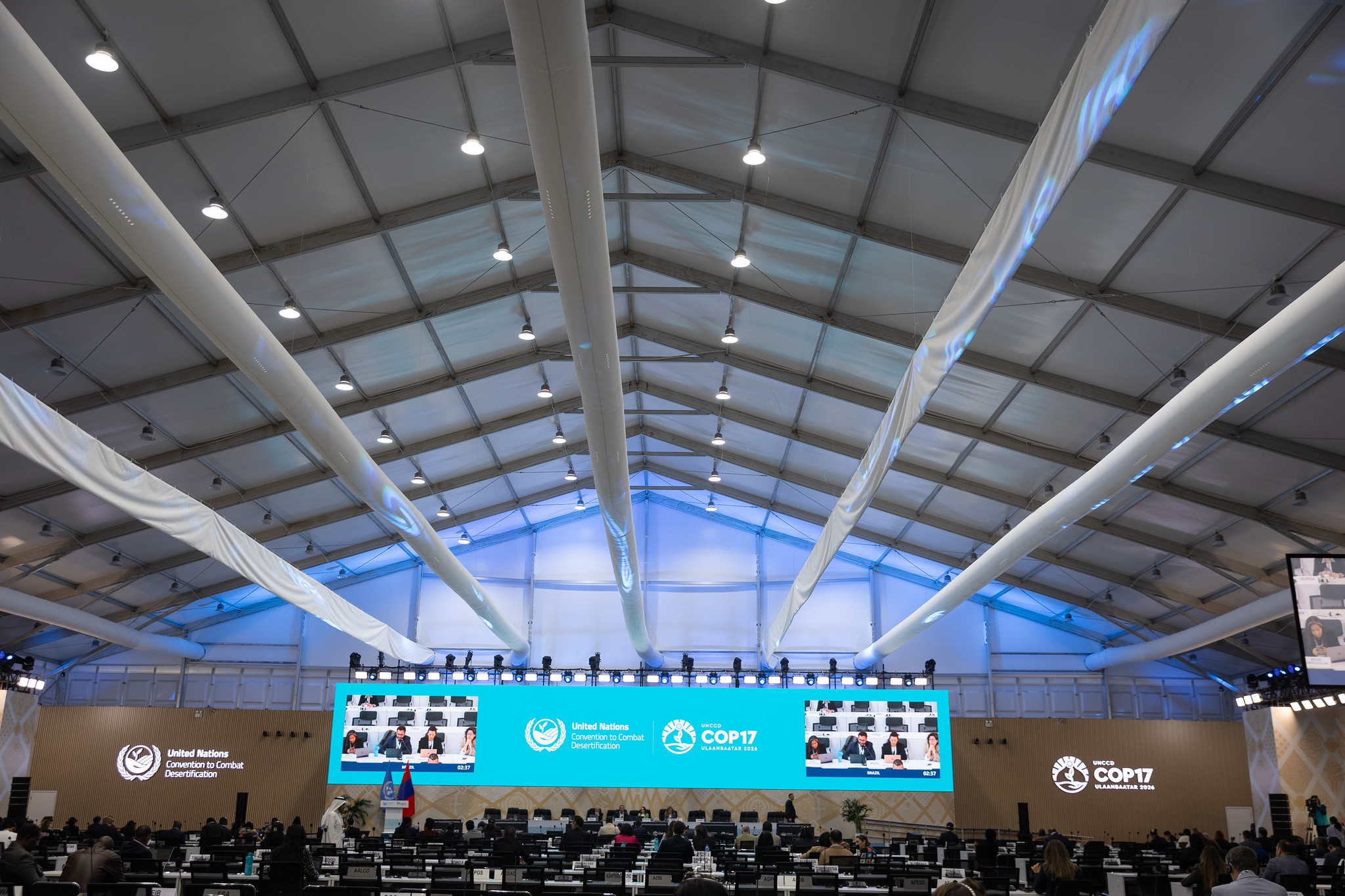
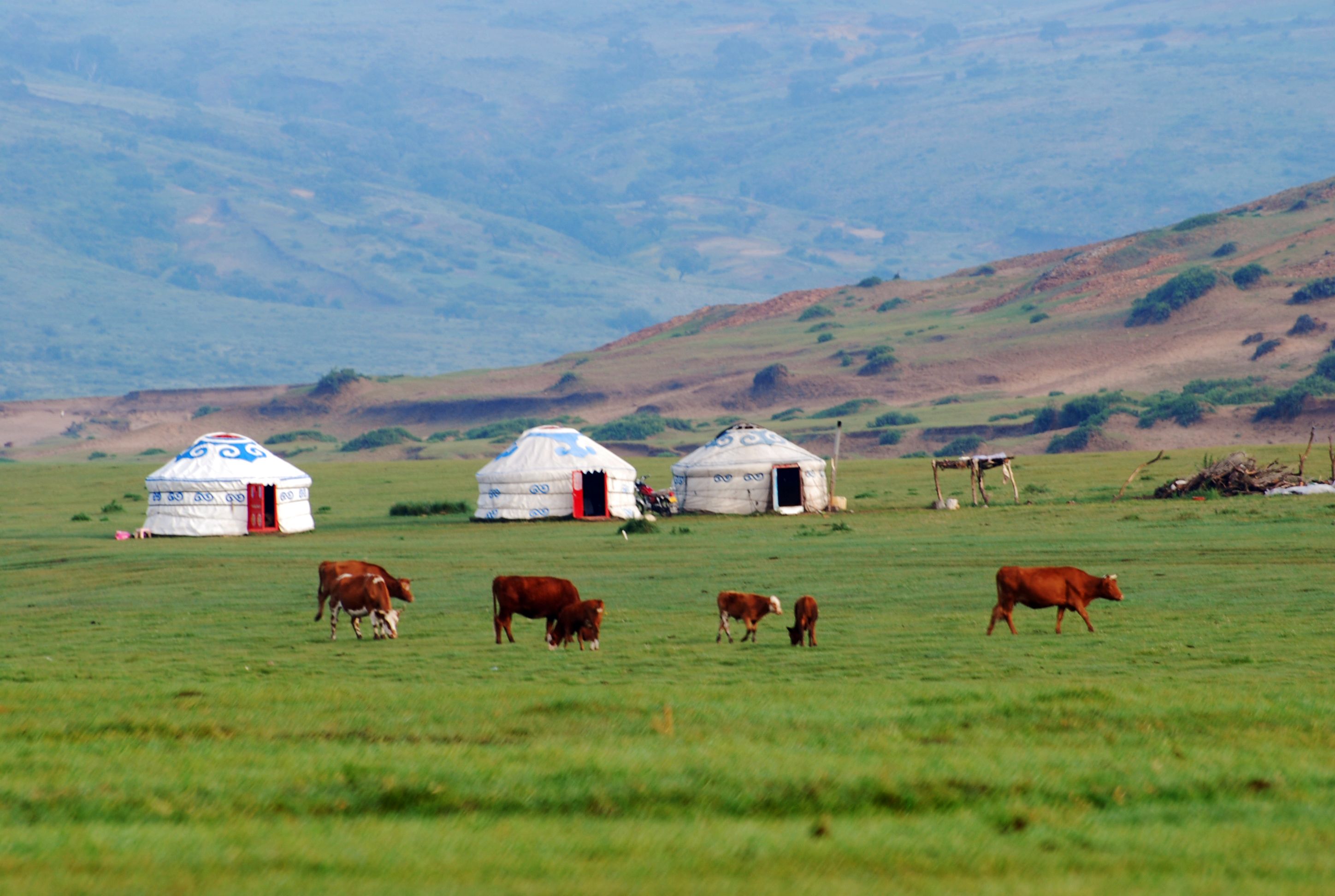
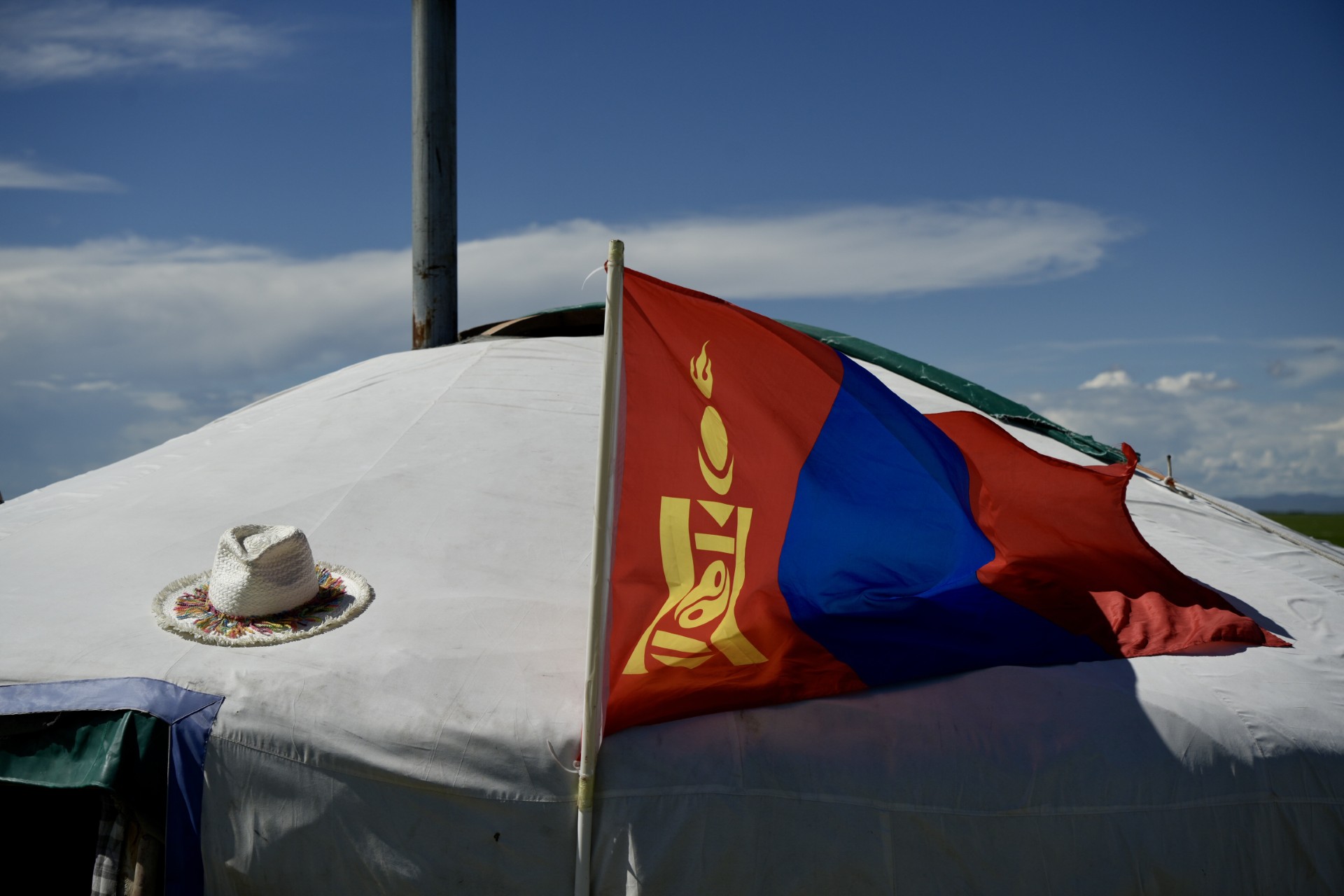
US$1.3 billion portfolio of finance for land restoration and drought resilience across 23 countries, with rangelands at its centre through a US$1.2 billion portfolio spanning 45 projects Progress toward Land Degradation Neutrality (LDN), with Brazil presenting a new voluntary 2030 LDN target comprising 17 sub-targets, while Central Asia has already achieved half of its LDN targets.The Riyadh Global Drought Resilience Partnership, launched by Saudi Arabia at COP16, moved closer to operational delivery in Ulaanbaatar, advancing work on a proposed pooled fund to support around 70 vulnerable countries. UNCCD and Luxembourg launched the Drought Resilience Investment Facility, which aims to mobilize up to US$400 million in public and private capital for drought resilience. ULAANBAATAR, MONGOLIA, 28 August 2026 — After two weeks of negotiations on how to tackle land degradation, desertification and drought, the seventeenth session of the Conference of the Parties to the United Nations Convention to Combat Desertification (UNCCD COP17) concluded today in Ulaanbaatar, Mongolia. Across the negotiated and Action Agenda tracks, Ulaanbaatar brought together key elements of implementation: political direction, science, finance, investment-ready projects, partnerships and stronger participation by the people who manage the world’s land. The biannual meeting of the UNCCD's 197 Parties put the world’s rangelands — which cover 54 per cent of the Earth's land surface, support around two billion people and are stewarded by some 500 million pastoralists — at the centre of the global land agenda. Launched in Ulaanbaatar during the International Year of Rangelands and Pastoralists, the Rangelands Flagship Initiative brings together US$1.2 billion across 45 projects, the largest single mobilization for rangelands in the Convention’s history. Alongside the negotiations, COP17 delivered a series of initiatives and financial commitments aimed at accelerating action on land restoration and drought resilience. Governments, development banks, funds and companies announced a US$1.3 billion portfolio of finance across 23 countries on five continents, at different stages of development. This includes US$644.5 million identified as new finance, of which US$216.4 million is already confirmed and moving towards implementation. UNCCD Executive Secretary Yasmine Fouad said: “We came to Ulaanbaatar saying that COP17 must be a COP of implementation. We leave with more of the architecture needed to make that possible. - political decisions, stronger science, innovative financing mechanisms, investment pipelines and partnerships that can move solutions to scale. But Ulaanbaatar will not be judged by what was announced inside this conference. Its legacy will be measured by what happens next: whether countries are better prepared for drought, whether degraded land and rangelands are restored, whether finance reaches viable projects, and whether the people who manage the land see a real difference in their lives.” H.E. Battsetseg Batmunkh, Minister for Foreign Affairs of Mongolia and UNCCD COP17 President, said: "As the Host Country and President of the 17th Session of the Conference of the Parties to the United Nations Convention to Combat Desertification, Mongolia has worked in the spirit of ensuring open, transparent, inclusive and consensus-driven atmosphere for the discussions and striving to bring Parties’ positions closer in order to achieve tangible results. Within the International Year of Rangelands and Pastoralists, Mongolia has demonstrated to the world that pastures form a strategically important ecosystem which connects food, environment, economy, biodiversity and herdcers’ livelihoods. In exercizing the Presidency of the 17th Session of the Conference of the Parties to the United Nations Convention to Combat Desertification, Mongolia was guided by the principle of “from promises to implementation and from discussions to real work”. H.E. Sandag-Ochir Tsend, Minister of Environment and Climate Change of Mongolia and Chair of the National Committee for the Organization of UNCCD COP17, said: "Mongolia successfully hosted the 17th session of the Conference of the Parties to the United Nations Convention to Combat Desertification (UNCCD COP17), bringing countries from around the world together to advance practical solutions to desertification, land degradation, and drought. One of the conference’s most significant outcomes for Mongolia was securing support from Parties, international organizations, the private sector, and civil society for the “Steppe Plan”a key policy legacy of COP17. Under the Steppe Plan, the Government of Mongolia officially launched three international initiatives: the Rangelands Flagship Initiative, the Water–Land Nexus Initiative, and the Nature-based Solutions for Sustainable Infrastructure Initiative. These initiatives have created new opportunities to develop projects, strengthen international cooperation, and mobilize investment in these priority areas. Although COP17 concludes today, our work does not end here. Our next priority is to translate the decisions adopted, partnerships established, and investment commitments secured at the conference into tangible action and to ensure that the initiatives launched from Mongolia’s steppes deliver measurable results." From commitments to implementation The conference took place against a stark global backdrop. Up to 40 per cent of the world’s land is degraded, while countries have committed to restoring more than one billion hectares by 2030. More than 70 countries now have national drought plans, compared with only three in 2013, but financing and implementation continue to lag behind the scale and speed of the challenge. Against this backdrop, Parties called for greater mobilization of financial resources, capacity-building and technical cooperation to strengthen proactive drought management, particularly in African countries, without neglecting other affected developing countries. A significant body of new evidence presented in Ulaanbaatar highlighted both the costs of inaction and the benefits of investing in healthy land. New reports examined the economics of restoring the world’s rangelands, the growing human and economic impacts of drought, the particular challenges facing Small Island Developing States and Central Asia, and the value of investing in soil health. The findings showed that 18.8 million hectares of land are degraded across SIDS, while in Central Asia more than 80 million hectares — over a quarter of the region — are already degraded, affecting 24 million people. At the same time, all five Central Asian countries have adopted voluntary Land Degradation Neutrality targets, half of which have already been met. Together, the reports showed how land degradation and drought are affecting food and water security, livelihoods and economies across diverse regions, while making the economic case for prevention, sustainable land management and restoration. Alongside this new evidence, Brazil presented a major national commitment through its voluntary Land Degradation Neutrality (LDN) target for 2030, comprising 17 sub-targets linked to national policies, plans and programmes. The target includes the recovery or restoration of more than 163,000 km², including through native vegetation recovery and agroforestry systems, while a further 3.51 million km² are covered by measures aimed at preventing degradation through conservation and sustainable land management. Together, the 17 sub-targets cover approximately 3.67 million km². This commitment supports Brazil’s efforts to achieve Sustainable Development Goal 15.3 by avoiding, reducing and reversing land degradation, while strengthening food and water security, biodiversity and climate resilience. A new global architecture for drought resilience Following sustained negotiations, Parties decided to continue discussions at COP18, building on progress made at COP16 and COP17, with a view to adopting a decision on the proactive management of drought at all levels. Parties also decided that drought will remain a stand-alone agenda item at COP18 and at each ordinary session thereafter. The Riyadh Global Drought Resilience Partnership, established at COP16, moved towards implementation in Ulaanbaatar. Its first Assembly of Partners advanced work on a proposed pooled fund intended to help around 70 low- and lower-middle-income countries through capacity-building, investment-ready programmes and financing for drought resilience. COP17 also saw the launch of the Drought Resilience Investment Facility (DRIF), the first global catalytic financing platform dedicated to drought resilience. Co-created by UNCCD and Luxembourg with support from the International Drought Resilience Alliance, the Facility aims to mobilize up to US$400 million in public and private capital for investments in water security, sustainable agriculture, nature-based solutions and land restoration. Its first strategic partnership with the Global Environment Facility will explore opportunities to unlock private and philanthropic finance. Phase II of the International Drought Resilience Observatory also introduced the world’s first Drought Resilience Index, providing countries with a new tool to assess their capacity to anticipate, prepare for and adapt to drought and to better target policies and investment. Finance for land moves up the agenda COP17 also sought to narrow the gap between global land commitments and the finance available to deliver them. z zzzz An estimated US$355 billion a year is needed through 2030 to meet global land restoration commitments, compared with around US$77 billion currently invested, leaving an annual financing gap of US$278 billion. Private finance accounts for only around six per cent of global investment in land restoration. Governments, development banks, funds and companies announced a US$1.3 billion portfolio of finance for land restoration and drought resilience across 23 countries on five continents, at different stages of development. Of this, US$644.5 million is identified as new finance, with US$216.4 million already confirmed and moving towards implementation. The portfolio spans rangeland and landscape restoration, drought resilience and locally led adaptation. Discussions in Ulaanbaatar also focused on addressing barriers that have kept investment in land low, including how to make land, soil health and drought resilience more visible and trackable within existing nature-finance categories. Participants also explored greater use of guarantees, first-loss capital, insurance and project-preparation facilities to turn restoration plans into investment-ready projects. Host country Mongolia launched the first national Business 4 Land (B4L) Hub, alongside sustainable finance principles, a national green taxonomy and a target for 10 per cent green lending by 2030. Russia followed with its own national hub, while Luxembourg moved to establish a B4L Foundation and Germany supported a B4L Finance Expert Group. Rangelands: from overlooked ecosystems to economic assets Hosted by Mongolia during the United Nations International Year of Rangelands and Pastoralists, COP17 gave particular prominence to rangelands and the people who manage them. Parties recognized pastoralists as essential stewards of rangeland ecosystems, highlighting the importance of transboundary mobility and the value of pastoralists’ knowledge and experience. Despite their global importance, rangelands remain largely overlooked in policy and investment: they contain roughly onethird of the world’s key biodiversity areas, yet feature in the national climate plans of only 24 countries, compared with 181 for forests. New economic analysis presented in Ulaanbaatar estimated that rangelands generate US$21–47 trillion in ecosystem services every year — up to nearly half of global GDP — through benefits including food production, water, carbon storage and biodiversity. Restoring rangelands typically returns US$4–6 for every dollar invested, rising to as much as US$36 when wider public benefits such as water supply are included. The Rangelands Flagship Initiative announced at COP17 seeks to translate that economic case into investment, bringing together projects supporting sustainable rangeland management, restoration and pastoralist livelihoods. The Global Environment Facility is supporting coordination of the initiative through a US$3.3 million investment in the UNCCD COP17 Legacy Project. Over the past four years, the Fund has also approved more than 50 projects worth over US$300 million benefiting rangelands and pastoralist communities. Indigenous Peoples and local communities convene new caucuses at COP17 The conference marked the first formal meetings of the UNCCD Indigenous Peoples Caucus and Local Communities Caucus, following the decision by Parties at COP16 in Riyadh to establish the two bodies and provide dedicated spaces for their perspectives and priorities within the Convention. It also brought together the largest representation of Indigenous Peoples in the history of a UNCCD Conference of the Parties. A high-level special event on Land and People Day highlighted Indigenous Peoples as rights holders, knowledge holders and implementation partners, focusing on Indigenous knowledge systems, customary governance, sustainable pastoralism, land stewardship and direct access to finance for Indigenous-led action. Across COP17, Indigenous Peoples, pastoralists and local communities called for stronger land and mobility rights, greater direct access to finance, meaningful participation in decision-making and recognition of Indigenous and traditional knowledge in land restoration and drought resilience. Discussions also highlighted women and youth leadership, including calls to invest in young people as land restoration leaders and strengthen their participation in action on land and drought. From Mongolia to Egypt The next session of the UNCCD Conference of the Parties, COP18, is expected to take place in Egypt, in 2028, carrying forward the momentum built in Ulaanbaatar. Looking ahead, Egypt has emphasized the importance of strengthening cooperation and promoting integrated approaches to land degradation, climate change and biodiversity loss that strengthen food and water security and resilience. COP18 will provide the next major milestone for countries to assess progress on land restoration and drought resilience and build on the outcomes reached in Ulaanbaatar. Notes to editors For media enquiries and interview requests: UNCCD Press Office: press@unccd.int COP17 decisions are available here: https://www.unccd.int/cop17/official-documents About UNCCD The United Nations Convention to Combat Desertification (UNCCD) is the global vision and voice for land. We unite governments, scientists, policymakers, private sector and communities around a shared vision and global action to restore and manage the world’s land for the sustainability of humanity and the planet. Much more than an international treaty signed by 197 Parties, UNCCD is a multilateral commitment to mitigating today’s impacts of land degradation and advancing tomorrow’s land stewardship in order to provide food, water, shelter and economic opportunity to all people in an equitable and inclusive manner.

Rangelands Rising, launched at UNCCD COP17, calls on investors and governments to recognize the world’s largest overlooked landscape and to back the 500 million pastoralists who sustain it Ulaanbaatar, 24 August 2026 — Rangelands cover more than half the planet's land surface, hold a third of its key biodiversity areas and generate benefits worth an estimated US$21–47 trillion a year (up to US$5,000 per hectare). Yet these landscapes remain almost invisible to the people who finance and govern the natural world. A new global report launched today at the 17th session of the Conference of the Parties (COP17) to the United Nations Convention to Combat Desertification (UNCCD) makes the economic case for investing in rangelands and recognizes the labor and stewardship of the 500 million pastoralists who manage them. Rangelands Rising: Investing in Sustainable Management and Restoration—published by the International Livestock Research Institute (ILRI), GIZ, the Economics of Land Degradation Initiative, UNCCD and the International Union for Conservation of Nature (IUCN)—overturns a century-old assumption. Mobile livestock herding has long been blamed for driving land degradation. Research increasingly demonstrates that many rangelands have evolved with grazing and that well-managed pastoral systems have created and maintained some of the world's most biodiverse landscapes. Yet that stewardship is under growing strain, as drought intensifies and grazing land is lost to crop expansion, urban encroachment and fragmentation. “For too long, the world has looked at rangelands and seen empty, degraded land, and looked at pastoralists and seen a problem to be fixed,” said Prof. Appolinaire Djikeng, Director General, ILRI. “The evidence tells a different story. These are among the most valuable landscapes on Earth, and the people who manage them are their frontline investors.” Far from being the wasteland they are often taken for, rangelands are a mainstay of the food supply, producing high-value animal protein — meat, milk and more — from land that could not support crops without heavy and costly inputs. In Sub-Saharan Africa, pastoralism contributes an estimated 5–10 per cent of national GDP and accounts for 15–40 per cent of the value added in agriculture. But their full worth — in water, carbon, biodiversity and protection against drought — stays invisible to markets. The cost of that neglect is steep. Land degradation drains trillions of dollars a year in lost services, while restoring rangelands typically returns US$4–6 for every dollar invested, and, where public benefits such as water supply are counted, as much as 36 to one. The report's most striking economic finding is a mismatch between who does the work and who captures the value. In Jordan, reviving a traditional practice of resting grazing land returned just US$0.80 for every dollar the herders themselves spent. But the return to Jordanian society as a whole was 18 to one, driven mainly by groundwater recharge. It is a vivid illustration of the report's central argument. Pastoralists are already the primary investors in rangelands, putting in labour, knowledge, livestock and generations of stewardship, yet they cannot capture the value they create for everyone else. Public investment is needed to reward that stewardship and unlock the private capital that follows. “We are not asking for rangelands to be treated as a special case. We are asking for them to be counted. A landscape worth up to US$47 trillion a year cannot remain a blank space on the investment map,” Jonathan Davies, co-author of the report and independent rangelands researcher. For governments, the report also reframes a familiar budget line. Drought response is overwhelmingly reactive, with aid typically arriving well into a crisis, after families have already started to lose their animals. The bill can be enormous: drought relief reached an estimated 7 per cent of national GDP in Niger during the 2021 crisis. Yet, one evaluation cited in the report found that every US$1 spent on timely support is worth an estimated US$3 in later humanitarian spending. The report's central call to funders and finance ministries is to shift from paying for disasters to investing in resilient rangeland management before they strike. The report also guides where money should go, noting that the strongest returns come not from the most degraded land, but from restoring lightly to moderately degraded rangelands. Restoring the latter can cost as little as US$20 per hectare, against more than US$70,000 for severely degraded land. It also cautions against “green” fixes — planting trees on natural grassland, or ploughing drylands for crops — that often damage ecosystems adapted to open grazing. For most drylands, the smartest investment works with the pastoral systems already there rather than replacing them. But money alone is not the answer. The report is clear that financial investment on its own often fails without the conditions that let it work: secure land rights, strong community institutions and inclusive governance. Where tenure is contested or pastoralists are shut out of decisions, restoration funding may go to waste. Where rights are secure and communities lead, it endures. Getting the governance right, the report argues, is as important as the finance itself. “Rangelands are not marginal landscapes. They cover more than half of the world’s land and are fundamental to food security, biodiversity, water security and resilience to drought,” said Dr. Barron Joseph Orr, UNCCD Chief Scientist. “This report shows that investing in rangelands is not simply about restoring degraded land. It is about recognizing the value of these ecosystems and supporting the pastoralists whose knowledge and management have sustained them for generations. As governments gather at UNCCD COP17, the evidence provides a strong case for putting rangelands more firmly into land restoration, drought resilience and investment decisions.” The climate opportunity hiding in plain sight The report makes the case that rangelands’ neglect is the starkest when it comes to climate policy. The word “rangelands” appears in the national climate plans of just 24 countries under the Paris Agreement; “forests” appear in the plans of 181 countries. That blind spot overlooks two climate services rangelands already provide at scale: they are a vast carbon store and they are one of the world's most effective natural defences against drought. Rangelands offer mitigation, adaptation and resilience to climate change from a single investment across more than half the planet's land. Writing rangelands into national climate plans, and directing climate finance towards them, represents one of the largest and most cost-effective opportunities for governments and investors seeking greater climate returns. The report’s launch comes during the International Year of Rangelands and Pastoralists and at UNCCD COP17 in Mongolia, one of the world's great pastoral nations, where the future of rangelands and the communities who depend on them is a major focus of the conference agenda. The findings bring new economic evidence to COP17 discussions on land restoration, drought resilience and sustainable rangeland management. Notes to editors Read the full report: https://www.ilri.org/rangelands-rising-investing-sustainable-management-and-restorationFunding: This work was funded by the German Federal Ministry for Economic Cooperation and Development (BMZ)Interviews with report authors and pastoralist representatives are available before and during the launchMedia contact: Anne-Marie Schryer-Roy, ILRI, a.schryer-roy@cgiar.org

Ulaanbaatar, Mongolia, 7 August 2026 – The Silk Road Caravan, a global outreach campaign shining the spotlight on rangelands and pastoralists, today begins its journey across Mongolia, just days before the start of the seventeenth session of the Conference of the Parties (COP17) to the United Nations Convention to Combat Desertification (UNCCD) in Ulaanbaatar on 17 August. For millennia, the Mongolian steppe has witnessed the movement of people, goods and ideas across Eurasia. The Orkhon Valley, one of Mongolia's most important historical landscapes, served as the political and cultural centre of successive nomadic empires, while generations of pastoralists developed a way of life that still defines Mongolia today. This August, that story continues. Ahead of UNCCD COP17, the UNCCD Silk Road Caravan arrives in Mongolia after travelling more than 6,000 kilometres, across Eurasia. Along the way, it has brought together pastoralists, scientists, policymakers, young people and local communities to share experiences and practical solutions for restoring rangelands and building resilience to increasing drought conditions. Launched by the UNCCD in support of the International Year of Rangelands and Pastoralists 2026 (IYRP 2026), the Silk Road Caravan follows the spirit of the historic routes that once linked Asia and Europe. Since departing Türkiye in May, participants have travelled through the Russian Federation, Uzbekistan, Kazakhstan, Kyrgyzstan and China, visiting restoration initiatives and meeting local communities along the way. The journey has highlighted how dedicated efforts and cooperation at all levels can help restore degraded land. Dr. Yasmine Fouad, Executive Secretary of the UNCCD, said: Throughout the Silk Road Caravan journey, we have seen how countries and communities are managing and restoring rangelands that are inseparable from their identities, cultures, economies and ways of life. Every stop along the journey has reinforced one simple truth: people are at the heart of restoration. Those experiences remind us that there is no single path to restoration. As we gather in Mongolia for COP17, our responsibility is to turn these local experiences into global action, strengthening international cooperation and investing in the people who have been caring for these landscapes for generations." Ts. Sandag-Ochir, Minister of Environment and Climate Change of Mongolia: Land degradation, desertification and climate change know no borders. They are shared challenges that demand shared solutions. The Silk Road Caravan arrives in Mongolia after connecting experiences, local solutions and the voices of people across countries along its journey. It is particularly meaningful that the Caravan’s journey concludes where UNCCD COP17 begins. Our goal is to carry the experiences and lessons gathered along the way forward in Ulaanbaatar — turning them into concrete commitments, stronger cooperation and practical solutions that can be put into action.Tsagaankhuu Iderbat Minister of Food, Agriculture and Light Industry of Mongolia, said: Mongolia has a long tradition of pastoralism and a deep connection to its vast rangelands, which have shaped our nomadic culture for generations. Recognizing the global importance of rangelands and pastoralists, Mongolia was proud to initiate the proposal that led the United Nations General Assembly to proclaim 2026 the International Year of Rangelands and Pastoralists. The arrival of the Silk Road Caravan in Mongolia, followed by UNCCD COP17, provides a unique opportunity to bring global attention to rangelands, land degradation and climate change. It also reminds us that the knowledge and experience of pastoralists, developed over generations of living in harmony with nature, remain an essential part of the solutions we need today. Rangelands cover 54 per cent of the Earth's land surface, support around two billion people, provide nearly 70 per cent of global livestock feed and store vast amounts of carbon. Yet up to half are already degraded, putting biodiversity, food production and rural livelihoods at risk. The experiences gathered along the Caravan will now be carried into COP17, where countries will consider the next steps for restoring and protecting rangelands. In Mongolia, rangelands are the foundation of pastoral life. Covering around 70 per cent of the national territory, they support the livelihoods of approximately one third of the population and form one of the world's largest remaining pastoral landscapes. Yet these same landscapes are under increasing pressure. Nearly 77 per cent of Mongolia's land is affected by degradation. Droughts are becoming more frequent, while the annual number of sand and dust storm days has more than tripled since the 1960s. In 2023–2024, a devastating combination of summer drought followed by the harsh winter known as dzud resulted in the loss of more than seven million livestock. The disaster showed how exposed pastoral communities are to drought and climate extremes. Avirmed Gan-Ochir, an Animal Breeding Specialist at the Greengold Mongolian Rangeland Research Center and a participant in the Silk Road Caravan, said: " As someone who grew up on Mongolia's rangelands, it has been inspiring to travel through Uzbekistan and Kazakhstan and meet pastoralists whose lives are so different, yet so similar to my own. Every community has taught us something new, from how they adapt to a changing climate to how they preserve traditions that have been passed down through generations. I am proud that the Caravan is now arriving in Mongolia, and I look forward to welcoming everyone to our country, sharing our own experiences, and continuing this exchange of knowledge ahead of COP17. Aldarjavkhlan Jukov Minister of Culture, Sports, Tourism and Youth of Mongolia, said: "For centuries, the Silk Road connected countries, peoples and civilizations. As the Silk Road Caravan reaches Mongolia, it offers an opportunity to share our nomadic culture, traditions and long-standing heritage of living in harmony with nature. Hosting the Caravan's final stage and welcoming the world to UNCCD COP17 creates a meaningful connection between Mongolia's cultural heritage and today's global challenges, including land degradation, desertification and ecosystem restoration. It is an opportunity to learn from the knowledge of the past while working together towards a more sustainable future." The challenges facing Mongolia are shared by many dryland countries. From 17 to 28 August, COP17 will bring together governments, scientists, Indigenous Peoples, pastoralists, civil society organizations, businesses and international organizations in Ulaanbaatar to discuss practical solutions for land restoration, drought and sustainable rangeland management. As the first of this year's three Rio conventions’ Conferences of the Parties (COP), it is expected to help shape the international agenda on land. Coinciding with the International Year of Rangelands and Pastoralists, UNCCD COP17 will also highlight the vital role of rangelands in supporting food security, biodiversity conservation, climate resilience and rural livelihoods. Silk Road Caravan participants will spend a week travelling across Mongolia, from the Gobi Desert to the forests and grasslands of the country's centre. They will meet nomadic herder families, researchers, local authorities and pastoral cooperatives, and visit land restoration projects. The route includes Hustai National Park, the UNESCO World Heritage-listed Orkhon Valley Cultural Landscape, the Ramsar-listed Ugii Lake and the Mini Naadam festival. Participants will see first-hand how people across Mongolia's rangelands are responding to land degradation and drought. They will also join activities marking the International Year of Rangelands and Pastoralists before reaching Ulaanbaatar in time for COP17. NOTE TO EDITORS Media opportunities During the Mongolian leg of the Silk Road Caravan, accredited media will have opportunities to: Visit land restoration sites across the Gobi Desert and central Mongolia. Meet nomadic herder families and pastoral cooperatives. Learn about community-based rangeland restoration and sustainable grazing practices. Visit Hustai National Park, the UNESCO World Heritage-listed Orkhon Valley Cultural Landscape and the Ramsar-listed Ugii Lake. Interview international Caravan participants, Mongolian experts and UNCCD representatives. Cover the conclusion of the Silk Road Caravan ahead of the opening of UNCCD COP17. Media accreditation Accreditation for media representatives covering UNCCD COP17 is now open. Journalists are encouraged to apply through the United Nations Online Registration System (ORS), the official platform for media accreditation. Further information for media is available at the COP17 media page. Follow COP17 Follow @UNCCD on X, Instagram, LinkedIn and Facebook. Official hashtag #COP17Mongolia Additional hashtags: #UNCCDCOP17 | #RestoringLandRestoringHope | #UNited4Land | #HerLand | #Sport4Land | #Youth4Land Resources Media kit UNCCD COP17 website Host country website UN WebTV – Live broadcast of key plenary sessions with live interpretation in all six UN languages UNCCD COP17 Visual Assets and Branding Resources Earth Negotiations Bulletin (daily coverage, photographs and analysis) About the Silk Road Caravan For centuries, caravans travelling on the Silk Road carried not only goods, but also ideas, cultures and knowledge between civilizations. The Silk Road Caravan seeks to revive that spirit of connection, sharing stories of people working to restore land, protect ecosystems and sustain pastoral ways of life in regions where culture, land and climate are deeply intertwined. The Silk Road Caravan is a flagship UNCCD campaign linking COP16 in Riyadh (2024) to COP17 in Ulaanbaatar (2026), in support of the International Year of Rangelands and Pastoralists 2026. From the deserts of the Arabian Peninsula to the vast grasslands of Eurasia, this symbolic and physical caravan journey will shine a light on rangeland ecosystems and the pastoral communities that have shaped life along these routes for generations. It aims to raise awareness of the critical role of rangelands, which cover more than half of the Earth’s land surface and support two billion people globally. Through a combination of field visits, storytelling, and a documentary film, the initiative highlights both the challenges of land degradation and the solutions emerging from local communities. More information about the Silk Road Caravan: silkroadcaravan.org About UNCCD The United Nations Convention to Combat Desertification (UNCCD) is the global vision and voice for land. We unite governments, scientists, policymakers, private sector and communities around a shared vision and global action to restore and manage the world’s land for the sustainability of humanity and the planet. Much more than an international treaty signed by 197 Parties, UNCCD is a multilateral commitment to mitigating today’s impacts of land degradation and advancing tomorrow’s land stewardship in order to provide food, water, shelter and economic opportunity to all people in an equitable and inclusive manner.

The journey across Eurasian rangelands links land restoration with viable pastoral livelihoods on the road to Ulaanbaatar Bonn, Germany/Xilinhot, Inner Mongolia, China (17 July 2026 ) — The Silk Road Caravan today reached its 6,000-kilometer mark in northern China, exactly one month before the seventeenth session of the Conference of the Parties (COP17) to the United Nations Convention to Combat Desertification (UNCCD) opens in Ulaanbaatar, Mongolia. Since leaving Erzurum, Türkiye on 6 May on a symbolic journey connecting Riyadh COP16 to Ulaanbaatar COP17 in support of the International Year of Rangelands and Pastoralists 2026, the Caravan has travelled through Russia, Uzbekistan, Kazakhstan and Kyrgyzstan before arriving in China earlier this week. Pastoralists and researchers from Africa, Asia, Europe and South America have joined UNCCD Goodwill Ambassadors and Sport4Land champions to explore how communities across countries are restoring degraded rangelands while sustaining the livelihoods that depend on them. Rangelands cover more than half of the Earth’s land surface, support around two billion people and provide nearly 70 per cent of global livestock feed. Yet up to half are degraded or at risk. At UNCCD COP16 in Riyadh, countries adopted the Convention’s first decision devoted to rangelands, calling for stronger policies and investment, action against conversion, overexploitation and fragmentation, and a greater role for pastoralists in decisions on land management and tenure. Along the way, the Caravan has served as a living showcase of restoration in practice, gathering ideas and experiences that will help inform discussions at COP17. From dune stabilization to sustainable grazing and value-added livestock products, each stop has offered a different perspective on the Eurasian rangelands—the world's largest continuous grazing region stretching 8,000 kilometers—that are under increasing pressures from the combined effects of drought and soil erosion. Carrying the knowledge, experiences and voices gathered along the route, the Silk Road Caravan journey will continue across Mongolia before culminating at UNCCD COP17 taking place from 17-28 August under the theme of “Restoring Land, Restoring Hope.” Insights from the journey In China’s Otindag Sandy Land, willow branches are woven into grids across shifting dunes, stabilizing the sand long enough for grasses to take root. But restoration does not end with planting. Sites are monitored over time, and livestock numbers are matched to the land’s carrying capacity and local communities—including women— receive technical support and incentives to maintain restored areas. China is just one example of a broader pattern that emerged across the Silk Road Caravan's journey. Each country offered different solutions, but many pointed to the same underlying principles. In Türkiye, seasonal mobility distributes grazing pressure across the landscape and gives pastures time to recover. Around Erzurum, it also supports household economies, with milk processed locally into cheese and other products. The system depends on secure access to grazing land and the transmission of pastoral knowledge between generations. In Russia's Kalmykia region, one of the most affected by desertification, hardy dzhuzgun shrubs are transforming shifting sands into productive pasture, with survival rates of around 95 per cent. The shrubs stabilize the dunes and reduce wind erosion, allowing fodder grasses to be planted between the dzhuzgun rows. As vegetation recovers, degraded land gradually returns to productive pasture. Mobile research units monitor the results while training students in the field. Restoration here follows a sequence: stabilize the soil, rebuild vegetation, recover grazing value and monitor results. Meanwhile, Uzbekistan offered a lesson in the economics of patience. In Nurabad District, drought-tolerant pistachio trees are being established on degraded, low-productivity pastures. Local residents are paid to plant and maintain them; once the trees mature, five-hectare plots are intended for lease to lower-income families. The trees take years to yield. The model addresses a gap many restoration programmes leave open: communities need income while land recovers, and a lasting stake once it becomes productive. In Kazakhstan, soil science and new technologies are helping transform the way rangelands are managed. Decades of soil surveys, herbarium records and aerial imagery are being integrated with GPS, satellite data and digital agricultural maps. These systems can track pasture condition, water infrastructure and early signs of degradation, while supporting reporting under the UNCCD Land Degradation Neutrality framework. The resulting evidence helps detect degradation early, before land's health and productivity are compromised. In Kyrgyzstan, the Caravan journey highlighted another dimension of restoration ---one rooted in people and culture. Young activists from the Innovation Center in Bishkek brought elders and youth together through an intergenerational exchange on pastoral knowledge. On Desertification and Drought Day, 17 June, a dialogue at the Ministry of Agriculture convened policymakers, UN and international partners, researchers and pastoralists to develop recommendations on rangeland restoration and sustainable pasture management. Near Lake Issyk Kul, an association of women artisans invited Caravan participants to weave a commemorative felt carpet, demonstrating how traditional skills, value-added local products, and fair market access create resilient rural livelihoods. Message to COP17 Together, these experiences showed that while restoration solutions differ from place to place, the conditions for success are remarkably consistent and extend far beyond the countries visited by the Silk Road Caravan. What unites these examples ---and makes them scalable--- is a common set of principles: communities need the authority and incentives to sustainably manage their land; grazing pressure must remain within ecological limits; land restoration must generate economic value; women and youth must have a voice in decision-making and land health must be monitored over time. In Ulaanbaatar, the Silk Road Caravan will deliver a clear message: the most successful restoration efforts are those that strengthen livelihoods, build resilience and create economic opportunity, showing that restoring rangelands is as much a development challenge as an environmental one.

UNCCD COP17: Ulaanbaatar, Mongolia | 17–28 August 2026: Media accreditation is open

From the grasslands of Kalmykia and the North Caucasus to the vast steppes that stretch across Eurasia, land has long connected people, cultures and livelihoods across one of the world's largest rangeland regions.
