Rangelands and pastoralists

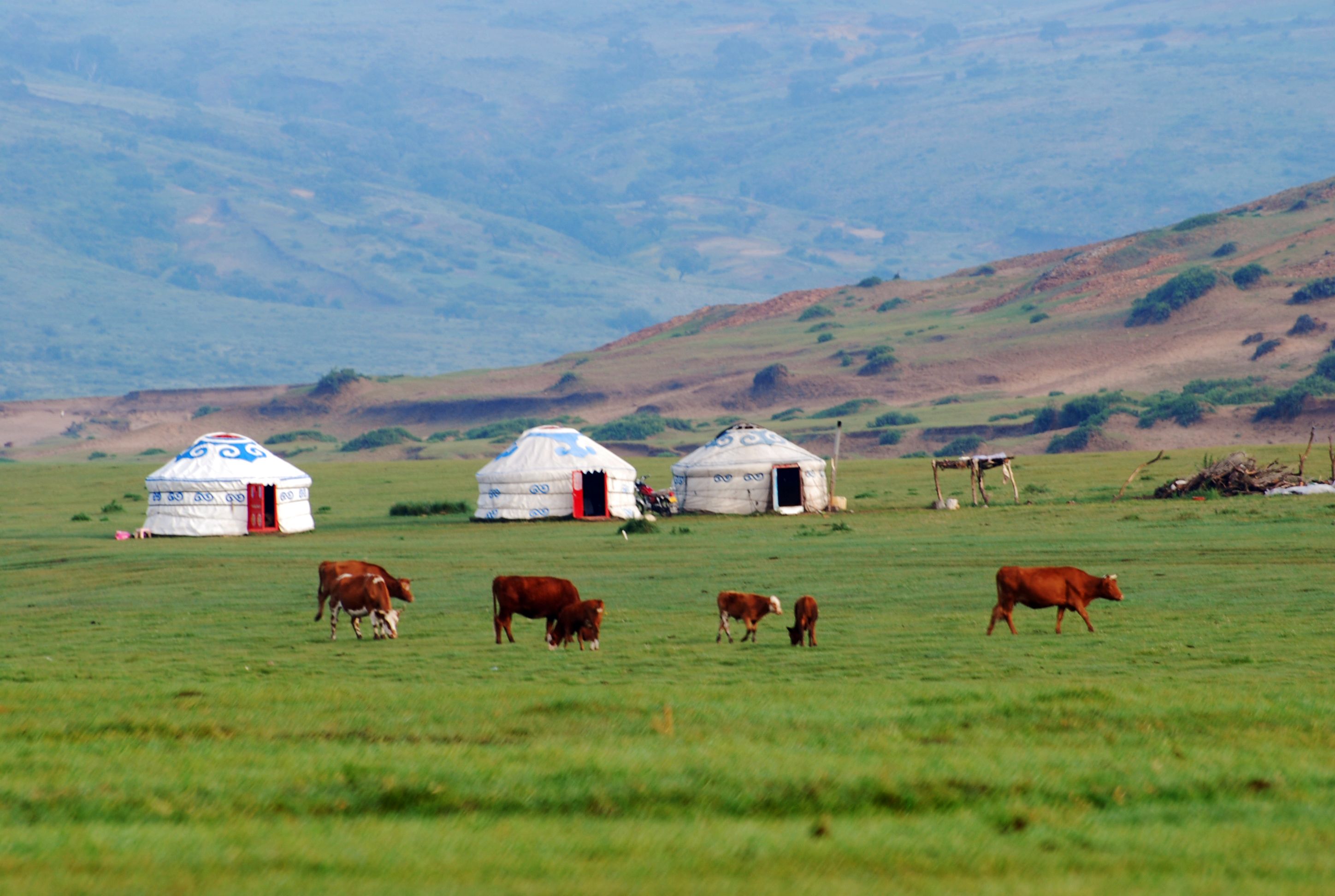
Rangelands cover more than half of the Earth’s land surface and sustain over 500 million people who rely on pastoralism for their livelihoods. These diverse landscapes—spanning grasslands, savannahs, deserts and shrublands—play a crucial role in biodiversity conservation, ecosystem regulation and climate resilience. Despite their importance, rangelands often receive little public attention and face increasing threats from land conversion, degradation and unsustainable policies.
Pastoralists and rangeland communities have a unique and deeply rooted relationship with these ecosystems. Rangelands provide essential goods and services – including soil and water conservation – that support the livelihoods, resilience and cultural identity of millions. Beyond local benefits, these landscapes contribute to global sustainability by serving as habitats for biodiversity and playing a vital role in climate change adaptation and mitigation. Recognizing the importance of rangelands for Indigenous Peoples, local communities, women, youth and other vulnerable groups underscores the need for sustainable land and water management practices that protect their way of life and these invaluable ecosystems.
2026: A pivotal year for rangelands and pastoralists
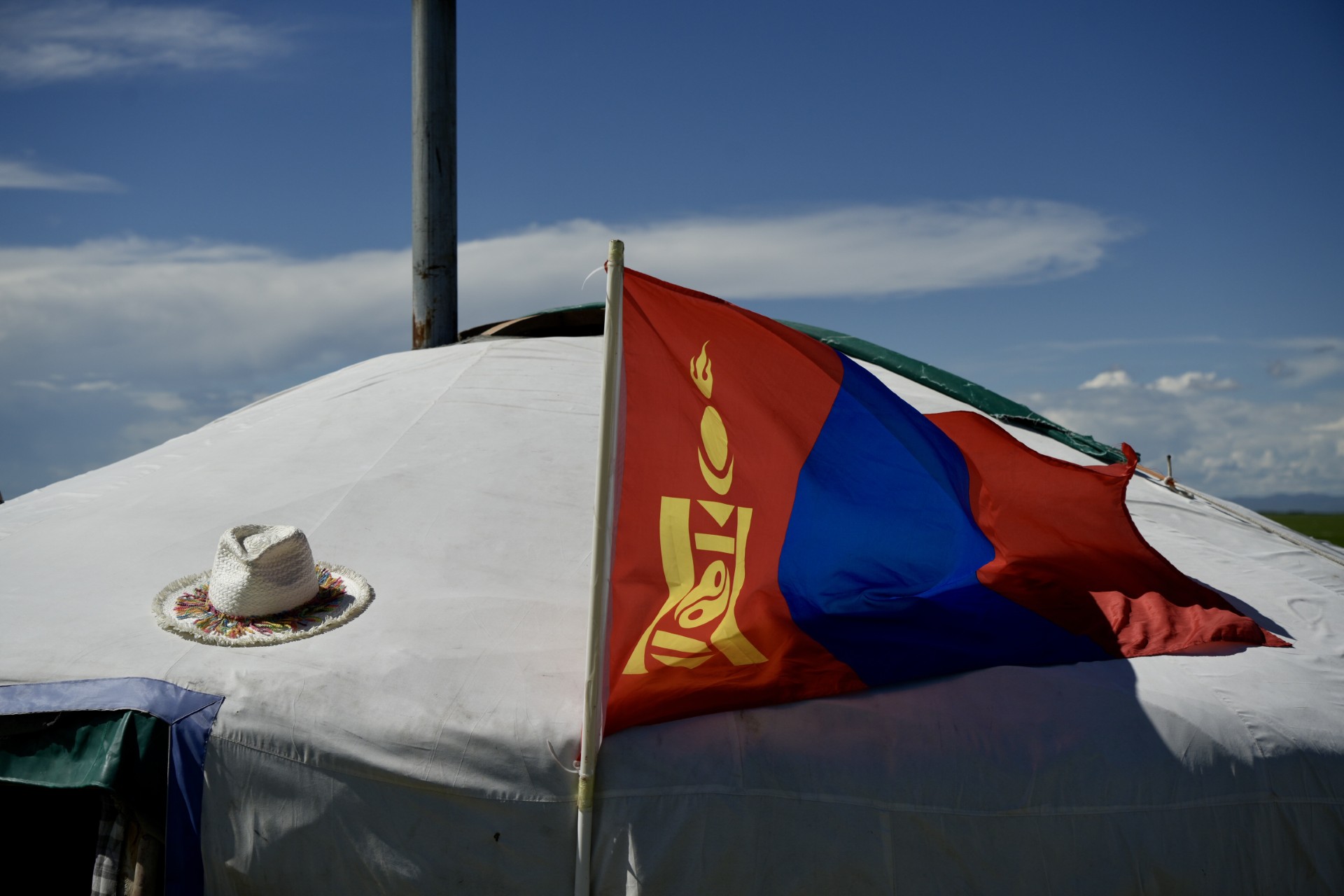
To bring much-needed attention to these landscapes and their stewards, the United Nations has declared 2026 as the International Year of Rangelands and Pastoralists (IYRP). Led by Mongolia and supported by a broad coalition of organizations, this initiative aims to raise awareness, encourage responsible investments and shape policies that safeguard rangelands and pastoralist livelihoods. The UNCCD, as the leading authority on land degradation, is committed to ensuring that rangelands gain the visibility and action they urgently require.
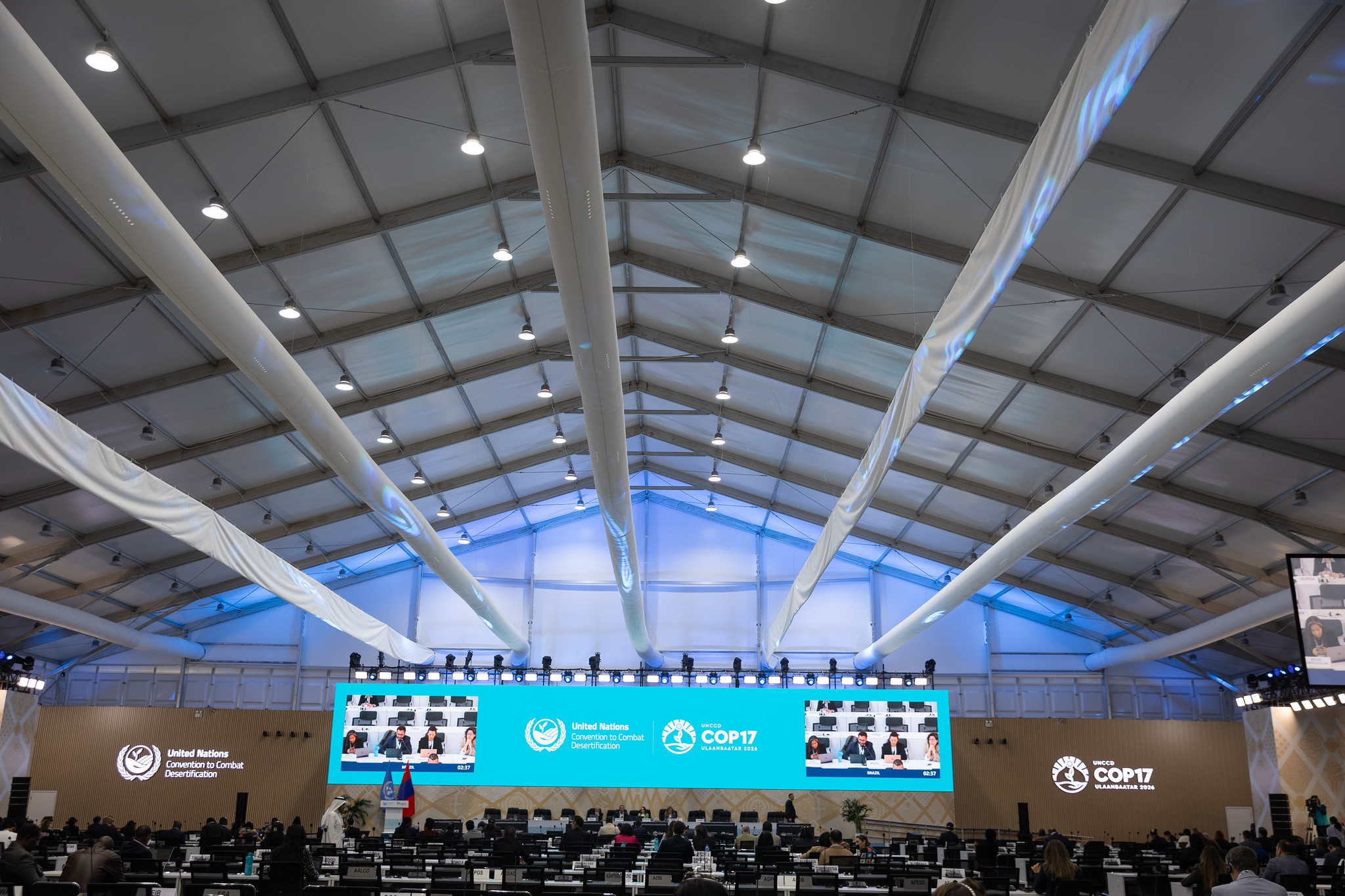
A key milestone in 2026 will be the 17th Conference of the Parties (UNCCD COP17), hosted by Mongolia. This global event will provide a crucial opportunity for governments, scientists and communities to strengthen commitments, scale up solutions and integrate rangeland management into international policy frameworks.
Strengthening knowledge and cooperation for rangelands
The recent UNCCD COP16 made momentous decisions on rangelands, urging Parties to prioritize policies and investments for their sustainable management. These decisions recognize rangelands’ essential role in addressing food insecurity, desertification, land degradation and drought, biodiversity loss and climate change. They also emphasize the importance of responsible and inclusive governance, improved tenure security and community engagement. Additionally, the COP16 decisions call for strengthening public–private partnerships and mobilizing resources for transformative projects that support rangeland health and pastoralist resilience.
The UNCCD Global Land Outlook (GLO) Thematic Report on Rangelands and Pastoralists is a major contribution to these efforts. The report outlines the ecological, social and economic significance of rangelands while addressing the pressing challenges they face. It offers evidence-based recommendations for policymakers and practitioners, ensuring that sustainable management strategies are informed by both scientific research and traditional knowledge.
Securing the future of rangelands
Today, rangelands and pastoralists are at a crossroads. While pastoralism is one of the most sustainable livestock production systems, it is often misclassified alongside intensive farming, leading to policies that fail to address its distinct needs. UNCCD and partners seek to change this perception by advocating for policies and investments that recognize the unique value of rangelands and the role of pastoralist communities in their protection and sustainable use.
To ensure a sustainable future, we must prioritize rangelands in global and national agendas. This includes preventing their indiscriminate conversion, promoting sustainable land management practices, investing in research and empowering pastoralist communities. By leveraging the momentum of IYRP2026 and UNCCD COP17, we can drive meaningful change and safeguard rangelands as essential ecological and cultural landscapes.
Explore our Rangelands section to learn more about areas for action, success stories, visual assets and key reports that will shape the future of these invaluable landscapes.
Related news
2026: International Year of Rangelands and Pastoralists - global monthly themes
- January: Rangelands and pastoralists: a global overview
Who are pastoralists? What are rangelands?
Pastoralism is not nostalgia but a sustainable future.
Sustainable and equitable governance and management are key to thriving rangelands and resilient pastoralists- February: Mobility, land and water security
What is pastoral mobility?
Pastoral mobility is essential for rangelands and pastoralists and must be accommodated within land tenure and water resource laws.- March: Livelihoods and economics
Pastoralism is an economic powerhouse that is largely unrecognized.
Rangelands are not wastelands.
Pastoralists are food security champions.- April: Climate Change and resilience
Pastoralism is an integrated strategy to simultaneously tackle adaptation to and mitigation of climate change while enhancing the resilience of peoples.
- May: Biodiversity and ecosystem services
Pastoral land management preserves biodiversity of rangelands and safeguards a host of ecosystem services.
- June: Sustainable rangeland use and restoration
Pastoralists serve as custodians of rangelands and their practices help to conserve and restore them.
Stop indiscriminate conversion of rangelands to cropland and other inappropriate uses and prevent the abandonment of rangelands.- July: Services and infrastructure for pastoralists
Pastoralists need services and infrastructures compatible with and adapted to their ways of life. Improve access to health, education, financial, internet, and other services.
Create mobility corridors and landscape connectivity.- August: Indigenous and local knowledge, culture and innovation
Recognise, value and equally respect indigenous and local knowledge of rangeland management.
Help preserve knowledge and pass it down through generations.
Celebrate cultural diversity and conserve cultural heritage of pastoralists.- September: Benefits to society
Pastoralist traditions have provided many value systems and cultural identities in shaping our world. Rangeland products contribute to nutrition, health and hygiene; celebrate the diversity of these products.
Pastoralist production can make a significant contribution to global protein supply and meet rising demand for healthy food.- October: Pastoralist women
Promote gender-inclusive approaches, and the equitable and inalienable rights of pastoralist women to own and inherit livestock, access and use land, natural resources, biodiversity, technology, knowledge and information, and appropriate health, education and social services.
Ensure safe, non-discriminatory and violence-free workplaces for pastoralist women.- November: Pastoralist youth
The future of pastoralism will depend on the innovation and inspiration of future generations.
Address high entry barriers by enabling pastoralist youth to access land, participate in governance, and maintain their pastoralist mobility and flexibility.
Improve access to mobile schools and vocational training, entrepreneurship, and internet-literacy.- December: Innovative solutions for a sustainable future
Innovate in herd and rangeland management, beneficial technologies and infrastructure, economic, insurance and other services.
Recognise and promote pastoralists, including women and youth, to participate in co-production of knowledge and innovation.
Publications


Global Land Outlook (GLO)
In anticipation of the International Year of Rangelands and Pastoralists (IYRP) in 2026, this report serves as a catalyst for global awareness and action. It analyses numerous case studies and good practices from around the world, drawing on the experience and lessons…

Rangelands and pastoralists
Rangelands cover 80 million square kilometers, over 54 per cent of the terrestrial surface, constituting the largest land use type in the world. As much as 50 per cent are degraded, imperiling 1/6th of humanity's food supply and 1/3rd of Earth's carbon reservoir. The…