Stories
Latest
In Kyrgyzstan, where steep mountains and deep valleys define both the landscape and daily life, land degradation and drought are no longer distant threats — they’re reshaping everyday reality. These slow-onset crises erode not just soil and biodiversity, but the livelihoods and resilience of rural communities whose well-being depends on healthy land.Today, nearly 1.9 million people — or 35.5 per cent of the population — are directly exposed to land degradation. In 2019 alone, 1.83 million hectares of land were classified as degraded, accounting for nearly one-tenth of Kyrgyzstan’s total land area.While many countries face similar threats, Kyrgyzstan’s high-altitude terrain and dependence on pastoralism make it particularly vulnerable. In recent years, climate variability has intensified pressure on natural resources, disrupting crop yields, altering grazing patterns and straining water supplies across rural areas.Between 2018 and 2021, the Greening Drylands Partnership (GDP) launched a major effort to restore Kyrgyzstan’s fragile landscapes. It aimed to breathe new life into degraded ecosystems, protect biodiversity and help communities adapt to a changing climate. But with mounting deforestation, shrinking grasslands and escalating climate impacts, the challenge proved anything but simple.The Changwon Initiative: A driving force for land restorationThe Changwon Initiative — a flagship programme of the Korea Forest Service and the UNCCD — helped turn restoration from vision to reality. It became a regional catalyst for action, supporting land restoration not only in Kyrgyzstan, but also across Eastern Europe and Central Asia, including Kazakhstan, Tajikistan, Belarus, Armenia and Mongolia.In Kyrgyzstan, the Changwon Initiative aligned restoration efforts with national environmental goals and long-term sustainability. It ensured that recovery initiatives were not isolated projects, but part of a broader, coordinated vision for change. By bringing together governments, non-governmental organizations and international partners, it laid the groundwork for meaningful, lasting action on the ground.Planting the seeds of changeFrom 2019 to 2022, one of the most impactful efforts under this partnership was a community-focused reforestation project supporting rural and forestry nurseries. The aim was both simple and ambitious: to plant trees, raise awareness and build skills that would last well beyond the project’s end.Four nurseries were established in the Chui and Talas regions, covering a total of eight hectares. They became home to a range of fruit and ornamental trees — not just to green the land, but to promote sustainable farming and land use.Farmers and forestry workers received practical training in nursery management, pest control and pruning — blending scientific techniques with local traditions.The project didn’t stop with adults. Twenty-four school-based nurseries were also created, inviting the next generation to become caretakers of the land. Young people across Kyrgyzstan engaged directly with their environment, taking part in reforestation — one sapling at a time.To expand impact beyond the project sites, a national UNCCD information center helped disseminate tools and insights across the country, while roundtables shaped new policy recommendations for sustainable land management.Tools for long-term restorationThe project went beyond planting trees. It provided communities with the tools to understand and protect their environment long after the initial phase ended. Risk assessment maps identified areas most vulnerable to land degradation. Restoration activities were aligned with national policies and embedded in the broader Land Degradation Neutrality (LDN) framework.Most importantly, people were placed at the center — not just involved but empowered. From farmers to students, local communities became stewards of their own recovery.While these efforts planted the seeds of progress, scaling up to achieve nationwide transformation is the next frontier. Moving beyond pilot projects will require sustained investment, stronger institutions and continued commitment from both governments and civil society. Sharing lessons regionally — from Mongolia to Belarus — will be key to ensuring success beyond borders.In countries like Belarus, restoration projects are already entering their second phase. Kyrgyzstan now stands ready to do the same — the foundation is solid, the knowledge is growing and community engagement is real. What’s needed next is a renewed investment in people, supportive policies and the natural systems that sustain life.A growing legacyWith support from the Changwon Initiative, Kyrgyzstan has taken meaningful steps toward restoring its land — and its future. Skills have been strengthened, forests are returning and a new understanding is taking root: land restoration is not only possible, but essential.Through strong partnerships and a shared commitment, Kyrgyzstan is proving that degraded land can recover — and that when the land heals, so do the communities that depend on it. Healthier ecosystems, more resilient livelihoods and a renewed bond between people and nature — this isn’t just an ideal. It’s a future already beginning to take shape.

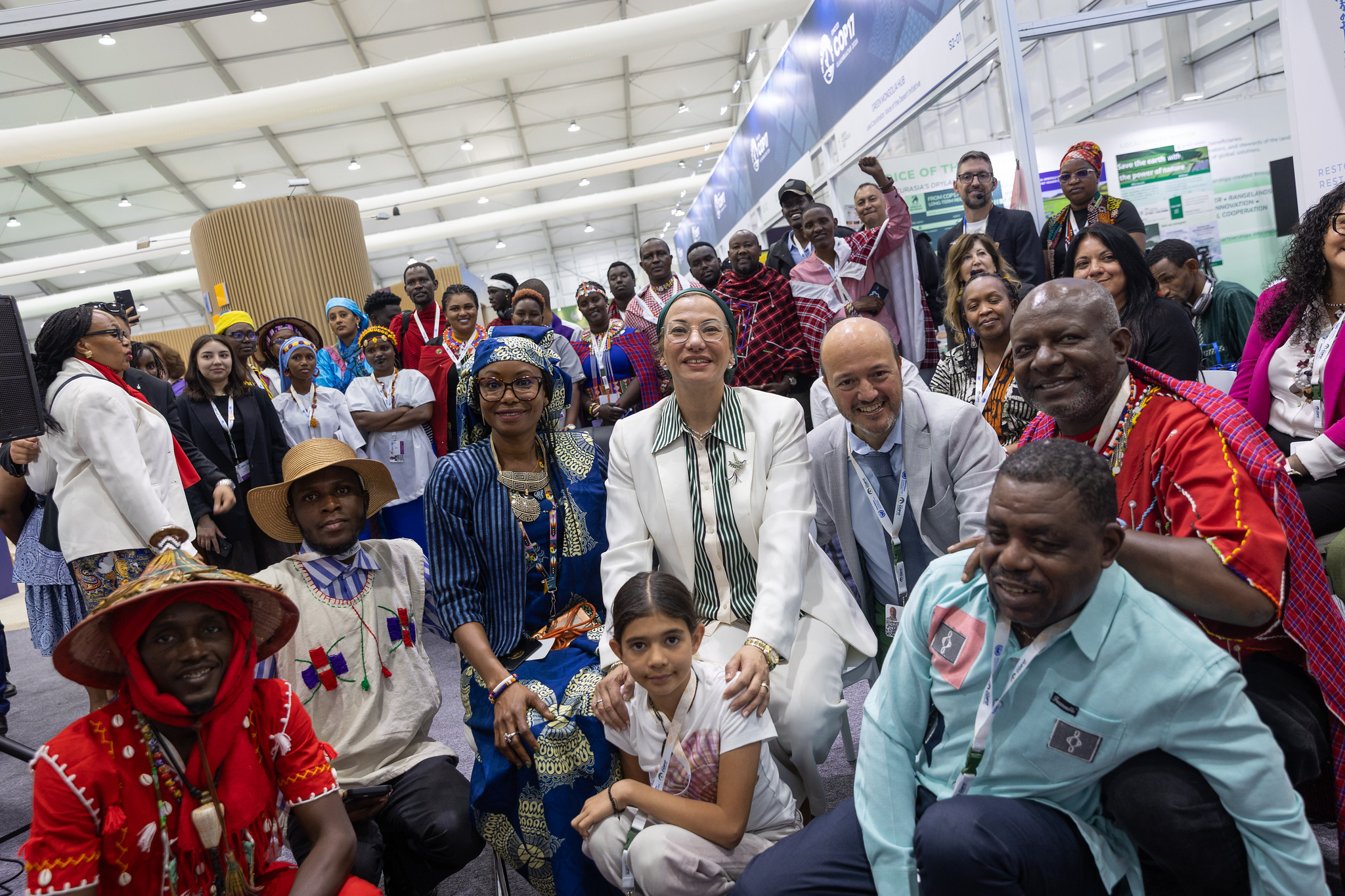
For centuries, people’s lives have been tied to the land and the water – herders depending on the rangelands, farmers relying on the flow of rivers to nourish their fields. These landscapes have shaped cultures, livelihoods and traditions across the world. But today, human-made pressures – climate change, land degradation and drought – are undoing in just a few years what communities built and protected for centuries. Globally, up to 40 per cent of land is degraded, putting nearly half of humanity at risk. Droughts alone already affect over 1.8 billion people worldwide, placing water systems under unprecedented strain. Together, these pressures threaten not only ecosystems and biodiversity, but also food security, water supplies and climate stability. At the World Food Forum 2025 (10–17 October) in Rome, the United Nations Convention to Combat Desertification (UNCCD) joined the Food and Agriculture Organization of the United Nations (FAO) in two dialogues with one message: healthy land and sustainable water management must go hand in hand. The joint session on Indigenous Peoples and rangelands stressed land rights and the cultural value of these ecosystems. At the FAO-led Rome Water Dialogue 2025, communities shared how restoring soils and protecting water can secure harvests and help families face climate change. On the sidelines of the Forum, FAO and the UNCCD renewed the partnership to strengthen cooperation on sustainable land, soil and water management. The Memorandum of Understanding which was signed on 15 October by FAO Director-General Dr QU Dongyu and UNCCD Executive Secretary Dr Yasmine Fouad, establishes a joint framework to avoid, reduce and reverse land and soil degradation, enhance drought resilience and promote integrated solutions linking land restoration, agrifood systems transformation and climate action. The partnership will be implemented through a Joint FAO–UNCCD Action Plan, which mobilizes expertise across institutional networks and aligns with both FAO and UNCCD priorities. The Action Plan focuses on three key areas: supporting policy dialogue and capacity development to combat land degradation, building drought resilience and promoting data-driven approaches and knowledge sharing. Custodians of the world’s rangelands Rangelands cover more than half of Earth’s surface and are home to a third of global biodiversity hotspots. They provide livelihoods for half a billion people and store nearly one-third of terrestrial carbon, making them critical for both climate stability and cultural heritage. Yet unsustainable practices and climate change are driving many of these ecosystems toward dangerous thresholds. For the people who depend on them, this reality is lived every day. Herders travel longer distances in search of pasture. Ancestral knowledge, passed down for generations, is now under threat. Women are often the first to feel these impacts - walking further for water and fuel, stretching meagre harvests to feed their children. Yet these same communities are also leading the way in solutions. Women are reviving soils and protecting seeds. Indigenous Peoples are safeguarding customary governance and ancestral knowledge. Local communities are striving hard to sustain their livelihood within their own families. Youth are bringing innovation to bridge tradition and technology. Their stewardship shows that restoring rangelands is not only possible but provides vast opportunities of rewards for all. “Protecting Indigenous lands is not optional – it is survival, dignity and justice,” said UNCCD Executive Secretary Yasmine Fouad. “Indigenous Peoples and pastoralists are indispensable partners in our global efforts.” Building on momentum from the 16th session of the Conference of the Parties to the UNCCD (COP16) in Riyadh, where countries adopted the first global decision on rangelands and pastoralists and established an Indigenous Peoples Caucus, participants in Rome called for stronger land rights, recognition of customary governance and full participation of Indigenous communities in shaping policy. Restoring rangelands, they stressed, is not only about protecting livelihoods but also about absorbing carbon, buffering communities against climate shocks and safeguarding biodiversity. Water as culture, memory and survival The Rome Water Dialogue 2025, the FAO flagship forum on water and agriculture, echoed the urgency. Droughts are now one-third more frequent than in 2000 and already cost the global economy more than 300 billion US dollars each year across multiple sectors. Land degradation and drought together drain nearly 900 billion US dollars annually. If current trends continue, three in four people worldwide could face drought by 2050. But water is not only an economic asset. It is culture, memory and survival. When rivers dry or deltas turn saline, communities lose not just crops, but stories, songs and ways of life bound to them. Healthy land and water systems nourish families, regulate climate and safeguard biodiversity. Protecting them means defending both livelihoods and the planet’s capacity to sustain life. At the Dialogue, FAO, UNCCD and more than 80 partners showcased decades of solutions - from irrigation and disaster-risk reduction to regenerative farming, wetland restoration and sustainable grazing. Evidence shows that each dollar invested yields between USD 7 and USD 30 in returns across livelihoods, climate resilience, food- and ecosystems. “Water is life. But water is also land, food and peace,” noted UNCCD’s Yasmine Fouad. “Food systems cannot be resilient without resilient water systems. And water systems cannot be resilient without healthy land.” Message from Rome By the close of the two dialogues, the threads of land and water had been woven together into one key message: the crises cannot be solved in isolation. Restoring rangelands and securing water systems are two sides of the same coin - essential for food, climate and peace. As summed up by the UNCCD Executive Secretary Yasmine Fouad, “Sustainable management of water and rangelands to ensure food security: one action with double result. The global community will deliver together at UNCCD COP 17.” The meetings also highlighted the importance of inclusion. Women, Indigenous Peoples and youth are not only among the most affected - they are also at the forefront of solutions. From pastoralists restoring grasslands in the Sahel, to young innovators designing climate-smart tools, to women safeguarding seeds and heritage, their leadership is already reshaping the future. With UNCCD COP17 in Mongolia and the International Year of Rangelands and Pastoralists approaching, the message from Rome is clear: the tools and knowledge exist. What is needed now is the political will to scale them up, protecting both the natural systems that sustain life and the cultures that give them meaning.

Across Mexico’s rural and indigenous communities, land is more than a resource – it is central to daily life, food production and cultural identity. Yet for many – especially women and indigenous peoples – secure access to land remains out of reach.Over 70 per cent of Mexico’s land is at risk of degradation. At the same time, women – who produce more than half of the country’s food – own less than 30 per cent of farmland. This growing gap between those who care for the land and those who control it threatens sustainable land use. Without secure land rights, many are excluded from decisions that shape their environment and future.To tackle these challenges, Mexico launched a series of national consultations on land tenure and Land Degradation Neutrality (LDN). Designed to improve land governance systems, the consultations emphasized gender equality, indigenous rights and local perspectives as key pillars of the country’s LDN strategy.Held across several regions, they brought together 45 participants – 30 women and 15 men – including indigenous leaders from Chiapas, Oaxaca, Veracruz, Sonora and other states. Almost all of these leaders were women, who shared their experiences managing community lands and protecting ecosystems.The Changwon Initiative: Making inclusion possibleThe consultations were made possible in part by support from the Changwon Initiative – a programme of the Korea Forest Service and UNCCD – with additional backing from international partners. Funding through the Food and Agriculture Organization of the United Nations (FAO) helped cover key logistical costs, ensuring rural and indigenous voices could be heard.This support ensured that traditionally excluded groups – especially indigenous women from ejidos (communal lands) – were not only present, but central to the dialogue. Many shared firsthand stories about barriers to land inheritance, being sidelined in local decision-making and the urgent need to revive degraded soil and ecosystems.“Women living in the countryside are becoming the protagonists of social, political and economic change,” said Dr. Maribel Méndez de Lara, Magistrate of the Superior Agrarian Court. “Land ownership gives women legal protection, autonomy to make decisions and the ability to fully participate in their communities.”From dialogue to actionThe consultations generated concrete proposals, including a Strategic National Programme to regularize land rights for women and indigenous communities, legal guarantees of female representation in ejido decision-making bodies and greater integration of sustainable practices into collective land systems.Participants – particularly rural and indigenous women – gained skills through leadership training, project planning workshops and awareness campaigns that emphasized their right to land and participation in land governance. Government officials and policymakers also benefited, gaining a better understanding of how to design more inclusive land governance systems that truly reflect community needs.“There are 13.6 million women living in rural areas in Mexico,” said Dr. Beatriz Casas Arellanes, Director of Social and Political Participation for Equality of the National Women's Institute (INMUJERES),. “Many of them are already leading community life and preserving biodiversity. What they need is recognition and access to rights.”Innovative tools and approachesThe consultations were guided by a participatory approach developed under the UNCCD–FAO Joint Initiative and based on the Voluntary Guidelines on the Responsible Governance of Tenure (VGGT). Adapted to Mexico’s social and political context, this method ensured that rural leaders, women, government officials and international experts all had a voice.Gender-sensitive tools were used not just to include women, but to ensure their perspectives shaped the outcome.The Dialogue opened with a ceremonial offering called a Tlalmanalli, led by indigenous grandmothers. Made of flowers, seeds and traditional medicines, it served as a reminder that the Earth is alive – and its care, a shared responsibility.Participants also shared inspiring examples already underway, such as mobile legal clinics helping women resolve land disputes and forestry programmes advancing gender equality – small but meaningful signs of change.Lessons learned and the path forwardOne of the key lessons from the consultations is that long-term progress on land tenure requires consistent effort, strong coordination and engagement at all levels. Local and regional consultations – alongside national ones – proved essential for identifying the diverse challenges communities face across the country.Just as important was the finding that inclusive participation leads to better, more grounded solutions. When women, indigenous leaders and local actors are part of the process, outcomes are more relevant – and more likely to last.While the broader policy impact is still unfolding, the consultations helped establish a foundation for more inclusive land governance in Mexico. These conversations laid the groundwork for future strategies and reforms that reflect the realities of those who live and work on the land.Shaping the future of land rights and restorationThe Changwon Initiative played a pivotal role in making these consultations possible – not only by providing funding, but by championing inclusion as a core principle of land restoration. Its support helped ensure that rural and indigenous voices, especially those of women, were not just heard but helped shape the conversation.By backing this process, the Changwon Initiative demonstrated how targeted international cooperation can drive national progress – setting a global example for integrating land tenure security into LDN strategies.Thanks to this support, communities across Mexico now have stronger tools – and a stronger voice – to secure their land, protect their environment and build a more sustainable and inclusive future.

How the Changwon Initiative helped build the UNCCD Drought ToolboxDrought is no longer a rare or distant event. It is becoming one of the most serious and far-reaching challenges of our time. Since 2000, droughts have become 29 percent more frequent and intense. By 2050, as much as three-quarters of the world’s population could be affected.For millions of people, this means more than just dry weather — it means failed harvests, shrinking water supplies, rising food prices and displacement from their homes and livelihoods.But drought, unlike sudden disasters, offers a unique opportunity: it gives us time. And when time is used wisely, it can turn risk into readiness.From crisis to preparedness: The birth of the Drought ToolboxFaced with the growing impact of drought, the United Nations Convention to Combat Desertification (UNCCD) recognized the need for a shift — from reacting to crises after they hit, to preparing before they begin. This led to the creation of the Drought Toolbox: a science-based, globally accessible platform that helps countries and communities assess, monitor and reduce drought risk.Designed as a practical support tool, the Toolbox brings together resources for developing national drought plans, identifying vulnerable areas, setting up early warning systems and learning from real-world examples of drought resilience. Behind this comprehensive platform lies a key driver: the Changwon Initiative.The Changwon Initiative: Turning vision into actionLaunched by the Korea Forest Service in partnership with the UNCCD, the Changwon Initiative was instrumental in transforming the Drought Toolbox from concept to reality. Through targeted funding and technical support, the Initiative helped bring together global experts, institutions and local stakeholders to co-create the platform.Workshops convened with its support became spaces for cross-sector collaboration. Government agencies, scientists and land managers worked side by side to align methodologies, share regional knowledge and design an interface that could speak to both policymakers and practitioners. The result was not just a digital tool, but a living, evolving resource for drought resilience.When Tools Reach People: Global Examples of ImpactAcross the world, the Drought Toolbox is helping countries move from crisis response to long-term resilience — with real results on the ground. In Costa Rica, it became the foundation for a national workshop that brought together ministries, improved coordination and led to drought strategies based on shared data and clear priorities. In Andhra Pradesh, India, local leaders used the Toolbox to identify the most drought-prone areas, translating data into practical action — from installing rainwater harvesting systems to planting drought-resistant crops and training farmers to monitor conditions themselves.In South Africa, the Toolbox supported the integration of early warning systems into land-use and agricultural planning, enabling farmers to adopt more sustainable practices and authorities to act on forecasts before droughts took their toll. Meanwhile, in Central Asia, countries facing similar climate pressures used the platform to harmonize monitoring efforts and coordinate their responses — showing how regional cooperation can strengthen resilience across borders.Collaboration is keyOne of the most important lessons from the Toolbox’s creation is that preparedness is not just technical — it’s collaborative. The platform draws from the expertise of partners such as the Food and Agriculture Organization of the United Nations (FAO), the World Meteorological Organization (WMO), the United Nations Environment Programme (UNEP) and the International Center for Agricultural Research in the Dry Areas (ICARDA), and grounds that knowledge in the real-life experiences of those facing drought on a daily basis.This spirit of collaboration also sparked the development of complementary tools like the Sand and Dust Storms (SDS) Toolbox, recognizing the interconnectedness of climate risks, land degradation and human health.A lasting legacyThe Changwon Initiative did more than fund a product. It helped shape a process that placed accessibility, usability and inclusivity at the heart of drought preparedness. Thanks to this investment, the Drought Toolbox has become a vital global asset — used by countries, institutions and communities to plan ahead and protect what matters most.As droughts grow more frequent and complex, the need for practical, integrated solutions becomes more urgent. The Drought Toolbox — born of international collaboration and local insight — shows us what’s possible when we choose to act before crisis hits.It is a reminder that while we cannot stop the rain from disappearing, we can prepare wisely for its absence — and that preparation begins not with fear, but with the right tools in the right hands.

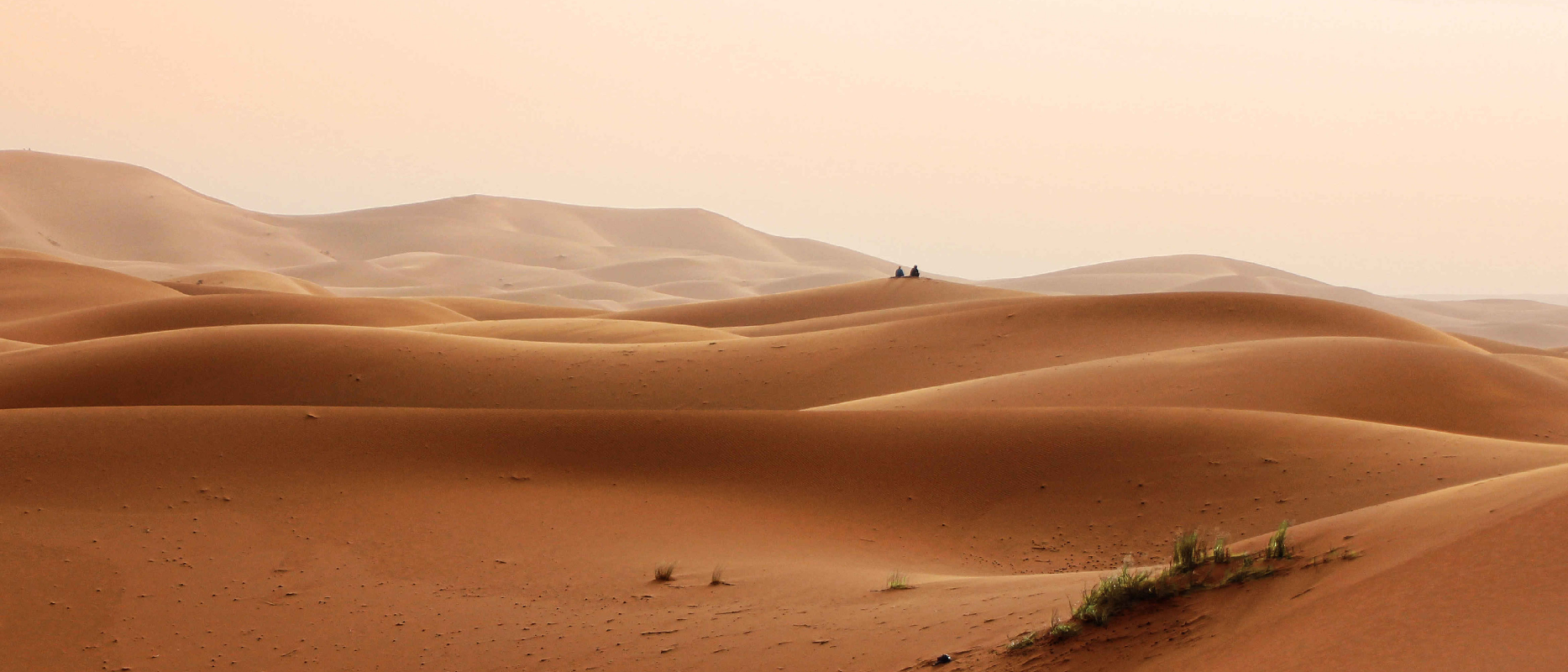
Once known as China’s “Sea of Death” for its shifting dunes and frequent sandstorms, the Kubuqi Desert has changed dramatically over the past three decades. This week, that progress provided the backdrop for the 10th Kubuqi International Desert Forum in Ordos, Inner Mongolia. The gathering, co-organized by the UNCCD and the United Nations Environment Programme (UNEP), alongside China’s National Forestry and Grassland Administration and the Inner Mongolia Autonomous Regional Government, brought together international organizations, government officials, experts, scholars and entrepreneurs to exchange solutions for land restoration under the theme “Combat Desertification Scientifically and Promote Green Development.” A global challenge that cannot wait Across the globe, land degradation is accelerating worldwide. Today, 40 per cent of the world’s land is already degraded, directly affecting nearly half of humanity. Every year, at least 100 million hectares of healthy land are lost-an area the size of Egypt-driven by unsustainable land use and climate change. The economic impact is severe: nearly USD 900 billion is lost annually to desertification, land degradation and drought. Droughts, already more frequent and intense, are now up by one third since 2000, causing more than USD 300 billion in losses each year. By 2050, three out of four people on Earth are expected to be affected. Yet solutions exist. UNCCD data shows that every dollar invested in land restoration can generate up to USD 27 in returns, strengthening food systems, creating jobs and helping communities withstand climate shocks. From “Sea of Death” to productive land Against this backdrop, the Kubuqi Desert shows what is possible when science, policy and community action come together. In recent years, restoration has expanded rapidly across the dunes. Forests and vegetation now cover areas that once produced only sand and dust. More than half a million hectares have been restored, reducing sandstorms, stabilizing soils and preventing huge volumes of sediment from flowing into the Yellow River. Bringing renewable energy into restoration made a real difference. Solar farms established on degraded land not only generate clean power but also create conditions for vegetation to grow. This approach—known as “PV + Desertification Control”—has created new jobs, raised household incomes and demonstrated that tackling land degradation can also drive prosperity. In parts of Inner Mongolia, farmers now earn much of their income from forestry and fruit grown on once-barren land — proof that healthy ecosystems can support sustainable economies. When we restore our land, we restore human dignity In her video message to the Forum, UNCCD Executive Secretary Yasmine Fouad underlined that the lessons of Kubuqi extend far beyond China, showing how land restoration can transform both ecosystems and societies: “The Kubuqi model teaches us a fundamental truth: When we restore our land, we restore human dignity. It means jobs, over one hundred thousand of them. It means new industries that sustain families. It means communities that no longer see the desert as an adversary but as a partner in their future. And this transformation was not the work of one sector alone. It was a collective work — of government, business, and communities standing shoulder to shoulder, working hand in hand.” Shared lessons, shared future The Forum was not only about Inner Mongolia. Delegates from regions severely affected by desertification, from Mongolia to the Sahel, shared their own efforts and highlighted how cooperation is essential. Mongolia’s forestry officials described their national campaign to plant one billion trees, while voices from Africa and Latin America pointed to the value of exchanging technologies and practices — from fire monitoring to sustainable pastoralism. The Forum also featured voices from the UNCCD Land Heroes, which showcases young leaders advancing land restoration and sustainable livelihoods worldwide. Among them was Rokiatou Traoré, a Malian entrepreneur who founded Herou Alliance to empower women and youth through sustainable Moringa production. She highlighted the power of collective action: “China has proven to the world that, with political commitment and community engagement, we can turn a desert into an oasis. Beyond preserving our environment, growing trees can increase GDP and provide income for communities. Science and technology are our best allies to restore degraded land and improve our economies.” Takudzwa Ashley Mlambo of Zimbabwe, Founder and Head of Agroforestry and Innovation at Forestry & Citrus Research (FACIR), where he leads The Greater Green Project, stressed the importance of technology: “The Forum has shown me innovative drone, satellite and IoT solutions for restoring degraded land, alongside models that integrate photovoltaic systems with plants and animals. If scaled to Sub-Saharan Africa, I believe we can achieve our Land Degradation Neutrality goals.” Linking local success to global goals For UNCCD, the experience in Kubuqi offers lessons with global relevance. Governments have pledged to restore one billion hectares of degraded land by 2030, with nearly half of these commitments made under the Convention’s framework. Meeting this goal will require mobilizing at least USD one billion per day over the next five years, but the gains in resilience, food security and livelihoods make it clear this investment is worth it. Local communities, farmers and herders have played a strong role in restoration—from planting vegetation and leading cooperatives to running small businesses. Their efforts demonstrate how recovery of the land can also bring social and economic benefits. As the Forum concludes, its message is clear: land can be restored, and when it is, both people and nature benefit.

The leaders of the three Rio Conventions recently met in Bonn to chart the next stage of their collaboration. Yasmine Fouad, the new UNCCD Executive Secretary, chaired the meeting of the Joint Liaison Group, welcoming her counterparts Simon Stiell of the UN Framework Convention on Climate Change (UNFCCC) and Astrid Schomaker of the UN Convention on Biological Diversity (CBD). Together, they discussed priority actions for 2025–2026 and pledged to strengthen cooperation to address the triple planetary crisis of climate change, biodiversity loss and land degradation. One immediate outcome of the meeting is the launch of the Rio Synergies platform, unveiled to showcase how the three conventions are stepping up joint action. The new website highlights the benefits of integrated approaches and provides a window into how countries, communities and institutions can work across climate, biodiversity and land agendas.Some 30 years ago, at the Rio Earth Summit, the world agreed on three landmark treaties to protect the planet: the UNCCD, the CBD and the UNFCCC. Each tackles a different piece of the environmental puzzle—but all share one truth: climate change, biodiversity loss and land degradation are deeply connected, and solving one equals tackling them together.The rationale for closer cooperation is clear: Humanity is on track to reach ten billion people by 2050, just as nature’s life-support systems are reaching breaking point. Almost one million species are at risk of extinction. Three-quarters of the planet’s land has been transformed by human activity. And if greenhouse gas emissions continue unchecked, the world is set to overshoot the 1.5°C warming limit within decades.At the heart of cooperation is a shared conviction: when climate, land and biodiversity goals are pursued together, the results are stronger, more cost-effective and longer lasting. By linking their mandates, the Rio conventions are committed to turning overlapping challenges into shared opportunities—delivering solutions that benefit people, economies and ecosystems alike.The new platform demonstrates how this can work in practice. It showcases key areas for action, such as sustainable land use planning, nature-positive food production, renewable energy transition and gender-responsive action. It also highlights country case studies where integrated projects are already making a difference: Rwanda’s nationwide restoration strategy combining reforestation, agroforestry and land recovery; Central Asia’s efforts to restore vast degraded steppes as carbon sinks; and Panama’s “Nature Pledge,” which unites its climate, biodiversity and land commitments under a single national framework, among others.The Rio synergies approach is centered around three pillars. First is country support: helping governments strengthen policies, develop integrated plans and build negotiation skills through joint capacity-building. Second is coherence and complementarity: aligning work on shared themes like food systems, forests and water, and engaging Indigenous Peoples and youth. Third is outreach and visibility: speaking with one voice at global events, promoting a joint narrative and sharing inspiring examples of synergy in action.As the three Executive Secretaries agreed, climate change, biodiversity loss and land degradation are not separate challenges—they are different symptoms of one planetary crisis. By strengthening synergies, the Rio Conventions aim to help humanity heal its relationship with nature and build a more resilient, sustainable future for all. The Rio journey now leads to 2026 — the triple COP year when all three conventions will hold their governing conferences— a pivotal convergence to align national commitments, showcase joint solutions and generate the political momentum needed to translate promises into action on the ground.Join the Rio journey at https://rioconventions.org
