Stories
Latest
In the past decade, the world has made a historic push to prepare for drought before it strikes, unlocking solutions in policy, practice, and finance. Humanity has never been better equipped to face this growing challenge. The next step, experts say, is using all the available knowledge and expertise to build drought resilience for everyone, everywhere. At World Water Week, held in Stockholm from 24 to 28 August, The Nature Conservancy (TNC), the German Agency for International Cooperation (GIZ), and the UN Convention to Combat Desertification (UNCCD), co-convened leading experts to highlight success cases and new initiatives for drought resilience.Here are five takeaways from the session ‘Accelerating Drought Resilience in a Changing Climate:’Systemic measures for a systemic riskFar from only affecting agriculture, drought can have long-lasting impacts on all sectors of society, the economy and ecosystems —-uprooting people from their lands, stunting the development of entire generations, and causing GDPs to plummet by up to 10 per cent. Drought is a systemic risk, but too often, it is addressed with piecemeal measures.“Water crosses so many boundaries as it moves from the tops of mountains through ecosystems towards the ocean: administrative, legal, cultural, ecological boundaries,” said Global Director of Freshwater Outcomes at TNC Nicole Silk. “That is why we need to work across systems, sectors, borders, and scales to build drought resilience”.In that spirit, the nonprofit is supporting the implementation of nature-based solutions across entire watersheds in collaboration with communities, the private sector, and governments. Protecting key ecological functions is a nature-based solution, as are financial innovations.One example is TNC's work in the Tana River in Kenya, which supplies 95% of the water for Nairobi’s 4 million residents, feeds one of the country’s main agricultural areas, and provides half of the country’s hydropower output. In the past 50 years, the substitution of agricultural fields for forests and wetlands had reduced the ability of the land to store runoff water and hold the soil, compromising the water security of millions.Enter the Upper Tana-Nairobi Water Fund. The mechanism, which TNC kickstarted in 2015 as is now an independent Kenyan-registered entity, has public and private donors and major water consumers downstream contribute resources to support water and soil conservation measures upstream, which is improving water quality and supply.No-regret investments Protecting ecosystems, managing land and water resources sustainably, and restoring degraded land are some of the most effective and sustainable ways of building drought resilience. But the benefits of nature-based solutions go way beyond drought.Every dollar invested in nature-based solutions (NbS) can generate up to US$27 in improved ecosystem services and livelihoods —-a no-regret investment, according to a recent report launched at UNCCD COP16 and as evidenced by the Economics of Land Degradation (ELD) Initiative.“More intense and frequent droughts are the new normal,” said Senior Policy Officer at BMZ Mario Lootz-Petersen. “Our goal is to make nature-based solutions a new normal, as well. The evidence and the tools are definitely there.” For the expert, one of the keys is continuing to build robust business cases and models around sustainable land and water management with a view to scaling up the many successful initiatives around the world.Tailored approaches While the pillars of drought resilience are universal, each context requires its own tailored solutions. Hence the importance of adapting drought resilience approaches to different realities.“A key question is how we can localize drought resilience solutions such as climate-smart agriculture, drought insurance, and water-storage innovation,” said Giriraj Amarnath, Principal Researcher on Disaster Risk Management and Climate Resilience at the International Water Management Institute (IWMI).Through the Drought Action Catalyst, experts, decision-makers, and communities can come together to co-design and scale solutions for drought. The IWMI-led platform, launched at UNCCD COP16, also promotes South-South learning; an integrated action across sectors like agriculture, health, and infrastructure, and even an AI-based chatbot to help farmers tackle drought.From policies to practice With support from UNCCD, more than 70 countries have put in place national plans to manage drought risk, up from three only a decade ago. In parallel, the convention is hosting two major initiatives on drought resilience and is collaborating with academic, research and civil society organizations to bridge policy and practice.One of the UNCCD-hosted initiatives is the International Drought Resilience Alliance (IDRA), which is building political momentum and developing tools to help countries anticipate, prepare for, and adapt to drought —for example, the International Drought Resilience Observatory (IDRO). The other is the Riyadh Drought Resilience Partnership (RDRP), which will financially support 74 vulnerable countries in implementing their national drought plans from early 2026, as explained by Policy Officer with the UNCCD Daniel Tsegai. The idea is to invest in people, land, and ecosystems today, so that communities can thrive tomorrow.Additionally, the Convention and the Global Water Partnership (GWP) have launched a series of regional and global Communities of Learning and Practice (CLP) —an agora where practitioners, decision-makers and scientists can learn from each other, ask for advice, and share new developments on drought-related matters.“I cannot overstate how important peer-to-peer learning is when it comes to accelerating drought action on the ground,” said Tsegai, who stressed the importance of sustainable land and water management. “Together, we can go further, faster —and the CLPs provide a safe space to do just that.”Beyond early warningIn Africa, UNCCD teamed up with the Sahara and Sahel Observatory (OSS) —an IDRA partner— and the National Drought Mitigation Center/ University of Nebraska-Lincoln (NDMC/UNL) to create a drought impact tracker for countries in the region. The tool looks to empower farmers to report on drought signs and impacts using their phones, contributing to improve drought management.A project led by the GWP is now integrating the impact tracker into efforts to improve early warning systems in Eastern Africa. For GWP specialist Anjali Lohani, the move shows the importance of integrating existing tools and insights, instead of trying to reinvent the wheel.“So much knowledge already exists, so a priority is to make it available and accessible to those who need it,” said Lohani, who also noted the importance of building the capacity of communities to act on early warning messages. “Knowing that drought is coming is not enough; you need to have preparedness and response capabilities in place.”

As the planet continues to warm, harsher droughts, extreme heat and erratic rainfall are eroding the food security and livelihoods of millions – especially the smallholder farmers who produce one third of the world’s food. Over the past three decades, disasters have caused US$3.8 trillion in crop and livestock losses globally. But in regions like Africa, only three per cent of family farmers have agricultural insurance, leaving millions exposed to shocks. Meanwhile, land degradation and drought are pushing rural communities deeper into poverty, jeopardizing the ability to feed a growing world population. One way to address the challenge is reducing insurance premiums for farmers who manage the land sustainably, as explained by a new report commissioned by UNCCD and funded by the International Drought Resilience Alliance (IDRA) This innovative model leverages mobile and satellite technologies, behavioral science and systems thinking to provide financial protection while promoting sustainable land use. The report, called ‘Securing Land and Livelihoods: Insurance for Drought Resilience,’ shows the practical and economic benefits of the model through case studies from Ethiopia, Kenya, Malawi and the Horn of Africa. To put it in practice, authors recommend building public-private partnerships, establishing pilot projects and embedding these solutions into national development plans and climate risk strategies. This integrated model reflects UNCCD’s commitment to solutions that align land management, insurance innovation and resilience-building for the communities most affected by land degradation and drought. A pilot project is underway in Namibia, with progress to be shared at UNCCD CRIC23 this December, and the project findings to be presented at a dedicated insurance event during UNCCD COP16 in 2026.

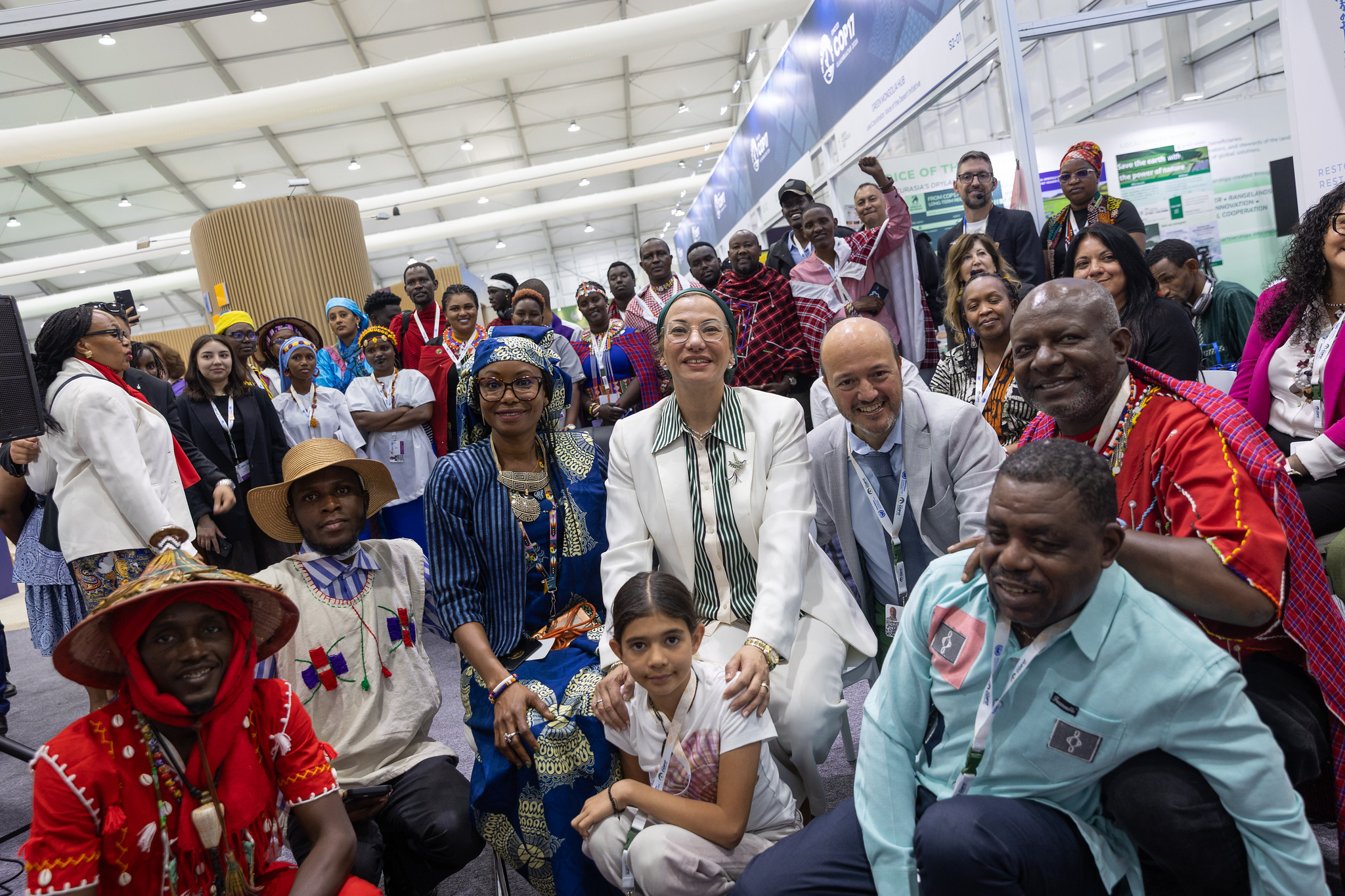
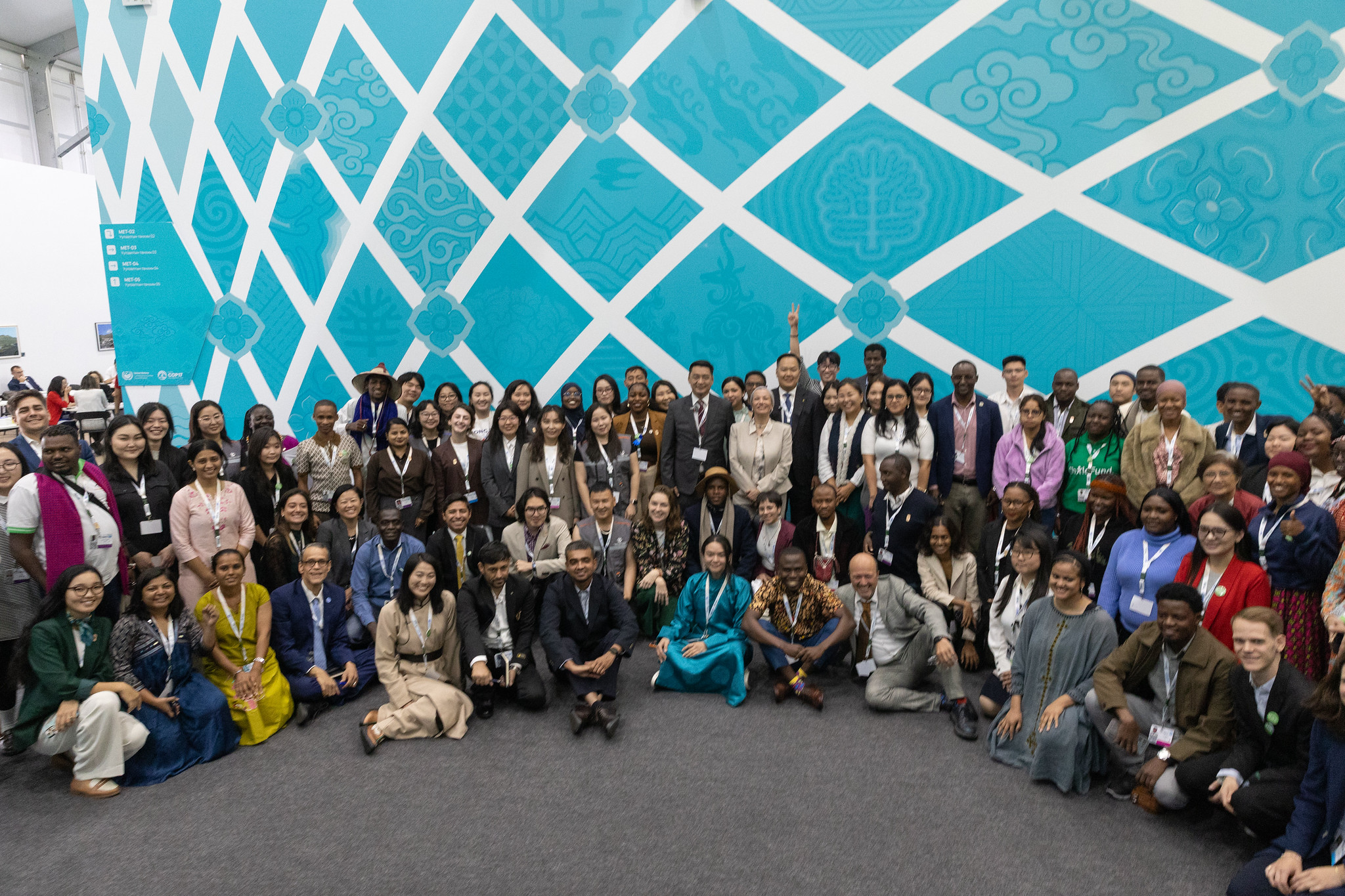
Civil society is on the frontline of the land challenge — and they are essential partners for the UNCCD. From farmers’ associations to women’s cooperatives and youth networks, civil society organizations (CSOs) bring local realities to the global stage. The CSOs amplify the lived reality that land degradation is not only an environmental issue but as a direct challenge to livelihoods, food security and the future of our communities. Today, nearly 1,200 are accredited to the UNCCD and their engagement supported and coordinated through the UNCCD CSO Panel. This structure ensures that voices from local communities are heard in international negotiations, connecting grassroots experience with global policymaking on the future of our land.At the heart of the Convention’s work is Land Degradation Neutrality (LDN) — the global commitment to balance the amount of healthy and productive land with the land being degraded. The goal is simple but urgent: by 2030, reduce degradation, restore what has been lost and make sure there is no net loss of healthy, productive land. To turn this ambition into action, the Global Environment Facility (GEF) launched the Medium Size Project “Strengthening Civil Society Role in Achieving Land Degradation Neutrality (CS4LDN).” Backed by two million USD in funding, this three-year initiative is implemented by the International Union for Conservation of Nature (IUCN) and executed by Both ENDS on behalf of the Drynet network, with IUCN also serving as co-executor. The project is carried out in close partnership with the UNCCD CSO Panel, the UNCCD Secretariat and other global stakeholders. Through CS4LDN, civil society organizations are better positioned to influence LDN policy and practice — linking community-driven initiatives with international decision-making. The project focuses on two main areas: Influencing LDN – raising the visibility and policy impact of CSOs in LDN efforts. This includes building skills in advocacy and communication, promoting local initiatives and supporting CSO participation in global forums such as UNCCD COP and CRIC events.Leveraging LDN – Improving CSO access to funding by strengthening fundraising skills and building connections with donors. Activities range from training and donor roundtables to a study on funding barriers, with special focus on challenges faced by CSOs in the Global South. CS4LDN follows a collaborative, cross-learning approach. Webinars, mentorships and workshops strengthen CSO capacity, while knowledge is shared through an online platform, newsletters and storytelling. A strong focus is placed on amplifying voices from youth- and women-led initiatives. The project is guided by a Project Management Unit (Both ENDS and IUCN) and a Steering Committee that includes the Drynet Board, IUCN, the UNCCD CSO Panel and the UNCCD Secretariat. It will also support CSO consultations and participation in major gatherings, including UNCCD CRIC23 in Panama this December as well as Désertif’actions and UNCCD COP17 in 2026. Photo: © IISD/ENB Anastasia Rodopoulou

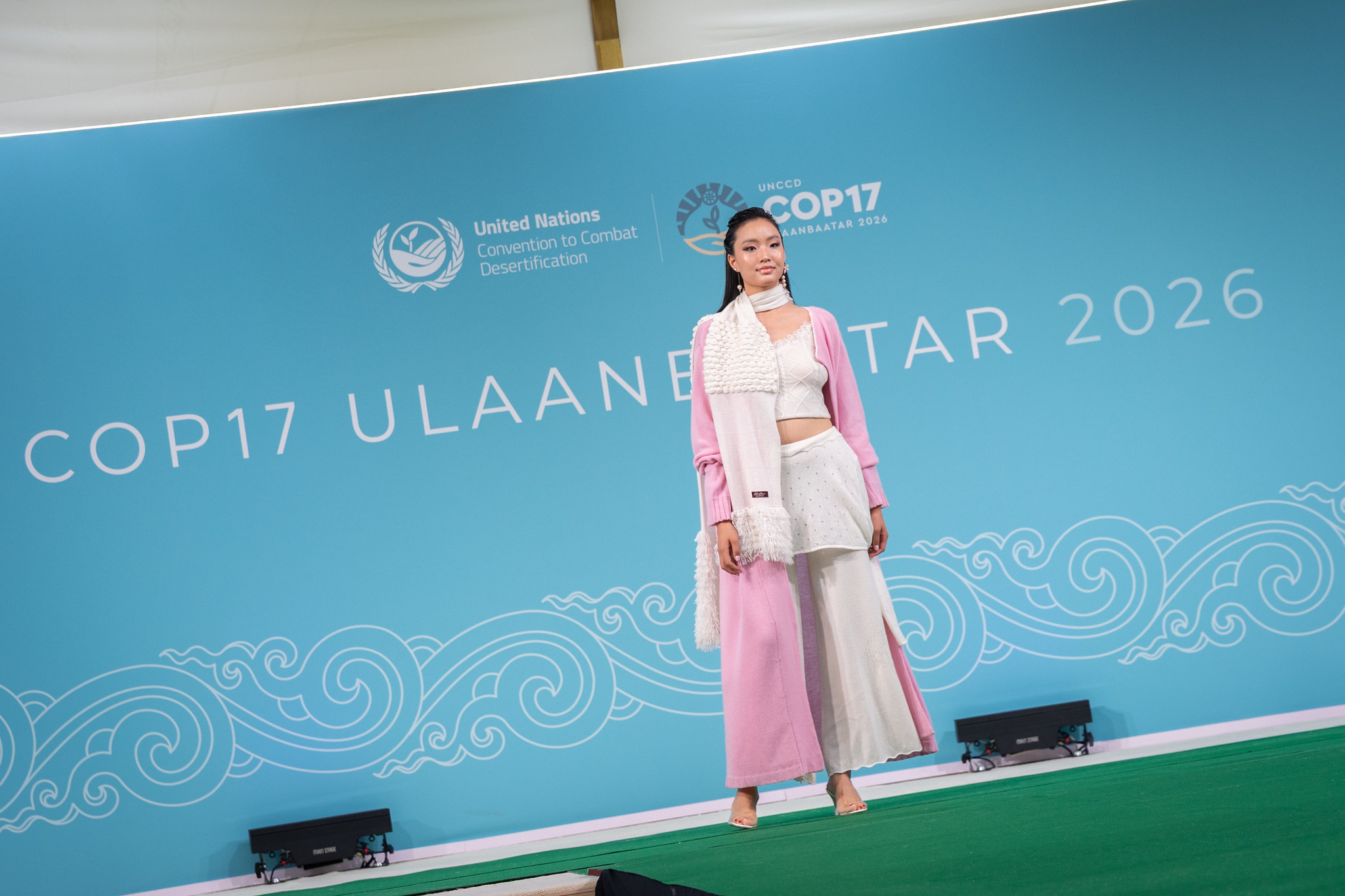
Mongolia has unveiled the official logo for the 17th session of the Conference of the Parties (COP17) to the United Nations Convention to Combat Desertification (UNCCD), taking place in Ulaanbaatar from 17 to 28 August 2026. The emblem blends deep cultural symbolism with a call to global action, reflecting UNCCD’s mission to unite nations in finding solutions to desertification, land degradation and drought. The unveiling of the logo marks the beginning of one-year countdown to UNCCD COP17. More than a visual identity, it is an invitation to join hands in planting seeds of unity, resilience and shared trust — so that lands once degraded may flourish again. At the top of the logo, radiating sunrays recall the eternal expanse of the sky — a life-giving force in Mongolian cosmology — which echoes the Sustainable Development Goals and represents the solutions to environmental challenges faced by humanity. The rays flow into the silhouette of a traditional Mongolian ger (yurt), crowned with a toono — the circular opening through which the sky enters the home. This symbol of harmony between people and nature echoes the timeless wisdom of nomadic life and the belief that the earth is both homeland and heritage. Beneath, an open hand cradles the Earth with gentle strength, a gesture of stewardship and protection, while from the palm a green sprout emerges — a sign of resilience, renewal and the promise of a restored world. Together, these elements express COP17’s central message: that our collective efforts, diverse knowledge and shared responsibility can transform the challenges of land degradation into opportunities. With over 75 per cent of its land affected by degradation, Mongolia has made land restoration a national priority through initiatives such as the “Billions of Trees” movement, the “White Gold” rural development programme and the “Food Revolution” agri-soil campaign. Hosting UNCCD COP17 will provide a platform to share these experiences while catalyzing global cooperation to address the interlinked crises of land degradation, climate change and biodiversity loss. UNCCD COP17 will bring together delegates from 197 Parties, academia, civil society and private sector to advance drought resilience and land restoration goals. The conference aligns with the UN International Year of Rangelands and Pastoralists (IYRP 2026), an initiative championed by Mongolia to highlight sustainable rangeland management and the needs of over one billion people who depend directly on these ecosystems.

In the desert village of Lodhera, Rajasthan, a grassroots environmental initiative has taken shape under the leadership of UNCCD Land for Life Award laureate Professor Shyam Sunder Jyani and Kavita Jyani, co-founder of the Familial Forestry movement. As part of the broader Familial Forestry Mission, the duo has launched the “Plastic-Free Kitchen” campaign—starting with a small but symbolic step: replacing plastic tea strainers with safer alternatives. The initiative aims to raise awareness about the potential health and environmental risks associated with everyday plastic utensils. While scientific consensus on long-term health effects is still evolving, microplastic pollution from common plastic items has become a growing concern worldwide. Items like plastic tea strainers, when exposed to heat, can degrade over time and contribute to microplastic presence in domestic environments. This local campaign was introduced at a community gathering, where women from Lodhera village pledged to avoid plastic tea strainers in favor of more durable and eco-friendly materials such as stainless steel and natural fibers. Speaking at the event, Kavita Jyani emphasized how behavioral change at the household level can reinforce broader environmental values. “Transforming small habits in our kitchens can help build a culture of sustainability and health,” she said. The plastic-free campaign is closely linked with the Familial Forestry approach, which integrates environmental responsibility into family and community life. A unique concept developed by Professor Jyani, it treats each planted tree as a green “family member”. Placing the family at the center of environmental stewardship, the concept embeds ecological values into everyday family life. Since 2006, more than one million families from over 15,000 desert-prone villages in northwest Rajasthan have planted over 2.5 million saplings, with the active participation of students and desert dwellers. Addressing the rally, Professor Jyani spoke about the importance of community-led ecological action and the relevance of native vegetation in addressing climate challenges. “From tree planting to kitchen choices, each decision contributes to a more resilient ecosystem,” he said. The Plastic-Free Kitchen campaign brings a domestic dimension to the broader goals of land conservation and sustainability, aligning closely with UNCCD priorities to promote ecosystem health and sustainable livelihoods. As governments meet in Geneva the week of 4 August for the final round of negotiations on a global plastics treaty, grassroot initiatives like the one in Lodhera highlight the power of community-led action alongside global policymaking.

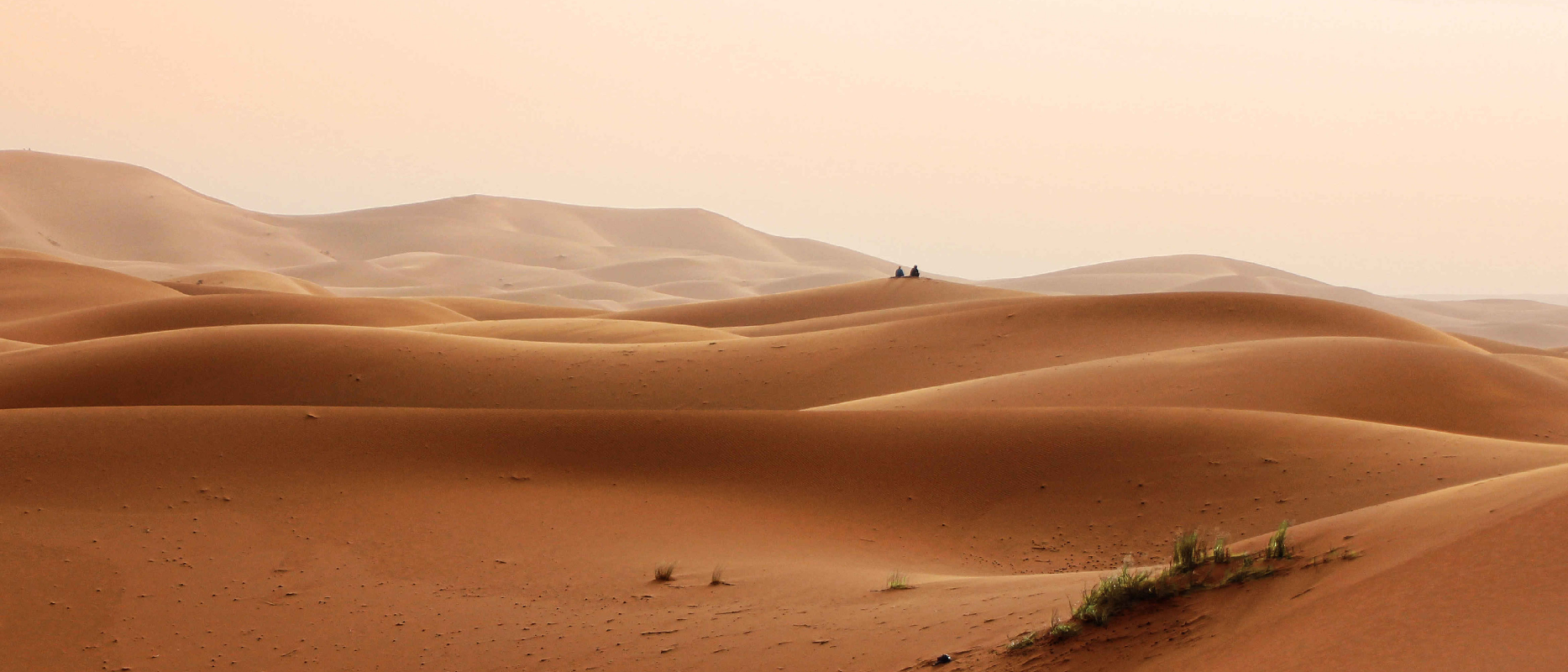
Land degradation and drought are fueling a hidden health crisis – but we still have time to act. When we speak of desertification or drought, we often think of dry rivers, cracked soil and failed harvests. But there is another, less visible toll - one that strikes deep into the lungs, hearts and daily lives of the world’s most vulnerable people. A new policy brief from the UNCCD reveals the far-reaching health impacts of land degradation and drought — and it delivers a stark message: the health of the planet and the health of people are inseparable. Around the world, land is deteriorating at an alarming pace. Between 2015 and 2019, more than 100 million hectares of productive land were lost each year. That’s an area roughly the size of Egypt — gone annually. This degradation doesn’t just threaten biodiversity and food production. It destabilizes communities, weakens immune systems and increases the spread of disease. The damage is particularly acute in regions like sub-Saharan Africa, Latin America and Southeast Asia, where fragile ecosystems support large and growing populations. As land dries out or is stripped of its fertility, the impact cascades: water becomes scarce, crops fail, dust storms multiply and health systems buckle under the strain. And the data is clear. In drylands — which already cover more than 40 per cent of the Earth’s surface — rates of malnutrition, respiratory illness and waterborne disease are rising. Children are particularly at risk. Malnutrition, stunting and underweight are now among the top drivers of childhood disease burden globally. In places like Zambia, droughts have pushed up food prices, leaving pregnant mothers undernourished and babies born weaker. In parts of South America, dust from degraded soil increases the risk of respiratory illness and exposure to infectious diseases. In Australia, prolonged drought has been linked to rising levels of anxiety, depression and rural suicide. This is not a coincidence. These are complex, systemic failures driven by the intertwined forces of environmental degradation and climate change. The UNCCD brief lays out how drought, land degradation and desertification — collectively referred to as DLDD — contribute to a spectrum of public health challenges, ranging from infectious diseases like cholera, malaria and even HIV, to chronic conditions such as asthma and cardiovascular disease. Poor air quality from wildfires and sandstorms, unsafe water due to reduced availability and contamination and disrupted food systems all contribute to rising illness and mortality. What’s more, DLDD increases the risk of emerging zoonotic diseases — illnesses transmitted from animals to humans — by disturbing ecosystems and bringing humans into closer contact with disease reservoirs. This is how Ebola spreads. This is how pandemics begin. It’s critical that we connect the dots: land degradation, desertification, and drought are not just environmental issues — they directly impact human health,” says Dr. Barron Joseph Orr, UNCCD Chief Scientist. “The good news is that by restoring land and managing drought proactively, we can reduce health risks, strengthen communities and improve lives."The solution, the brief argues, lies in breaking these dangerous feedback loops. This requires more than restoring land or investing in health. It demands a radical rethinking of how we govern the relationship between ecosystems and wellbeing. The UNCCD calls for integrated, cross-sectoral responses — ones that recognize land not as a passive backdrop to human life, but as a living, dynamic system on which health depends. That means reorienting land use planning, agricultural policies and environmental management to include health as a central concern. It means empowering communities with tools and knowledge to respond to climate threats. It means supporting women and girls, who often carry the greatest burdens — collecting water, caring for the sick, or suffering silently from the physical and mental toll of degraded environments. “We have to realize that human health is closely linked with the health of our land and our ecosystems. The quality of the food we produce from healthy soil is akin to a pharmacy. says Ibrahim Thiaw, Executive Secretary of the UNCCD. "This is a call to all sectors — from health to agriculture to finance — to come together and build resilience where it matters most: in our soil, in our systems, and in our communities.” The brief also emphasizes the need to implement the World Health Organization’s Global Action Plan on Climate Change and Health and to strengthen the One Health approach — which sees the health of people, animals and ecosystems as deeply interlinked. The benefits of action far outweigh the costs, the brief stresses. From reduced hospital admissions to increased agricultural resilience, the returns on investing in land-health synergy are profound. Time, however, is running short. As climate extremes intensify and drylands expand, more communities will be pushed beyond their coping capacity. Unless we act, the health consequences of inaction will grow — quietly, inexorably and with devastating effects. The UNCCD stands ready to support countries in this effort — by providing the data, guidance and partnerships needed to develop integrated responses, empower the most vulnerable and restore the health of the land so that people, too, can thrive. Because when the land gets sick, so do we.
