News & stories

Latest
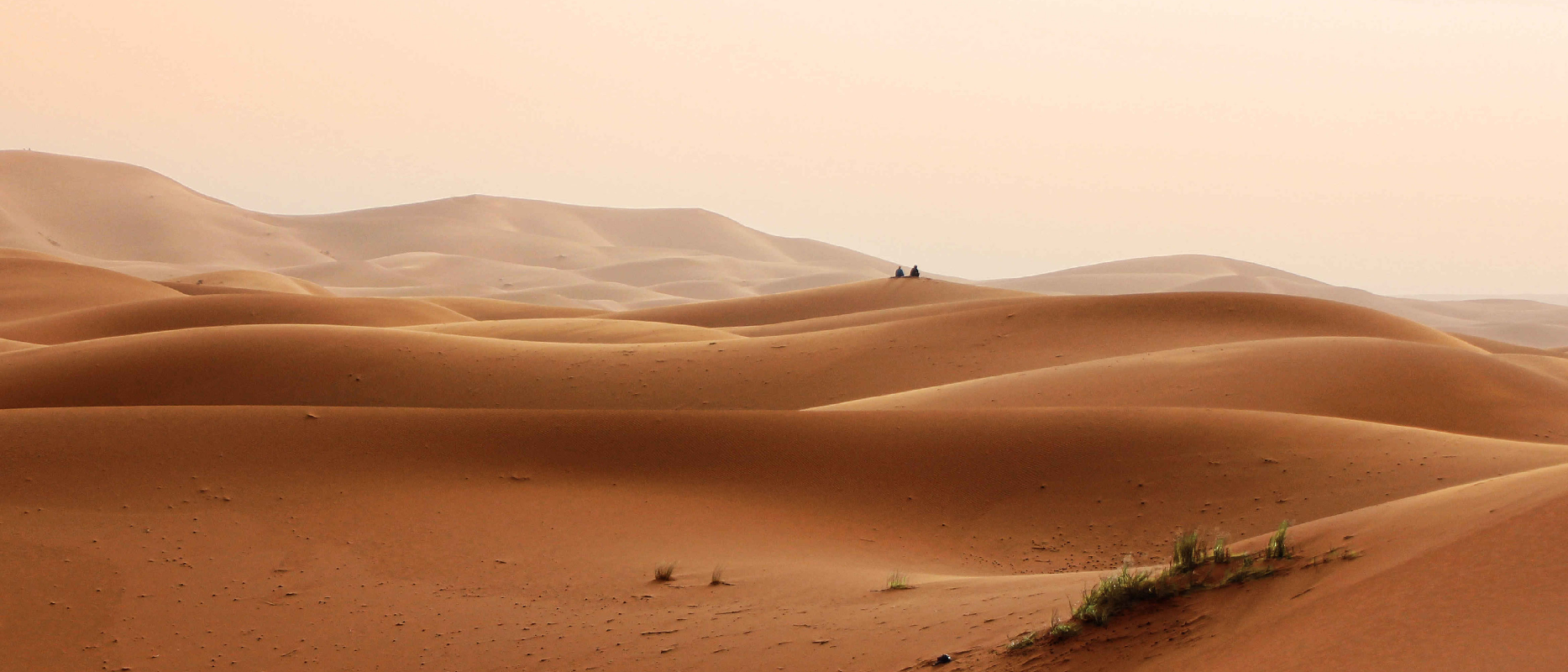
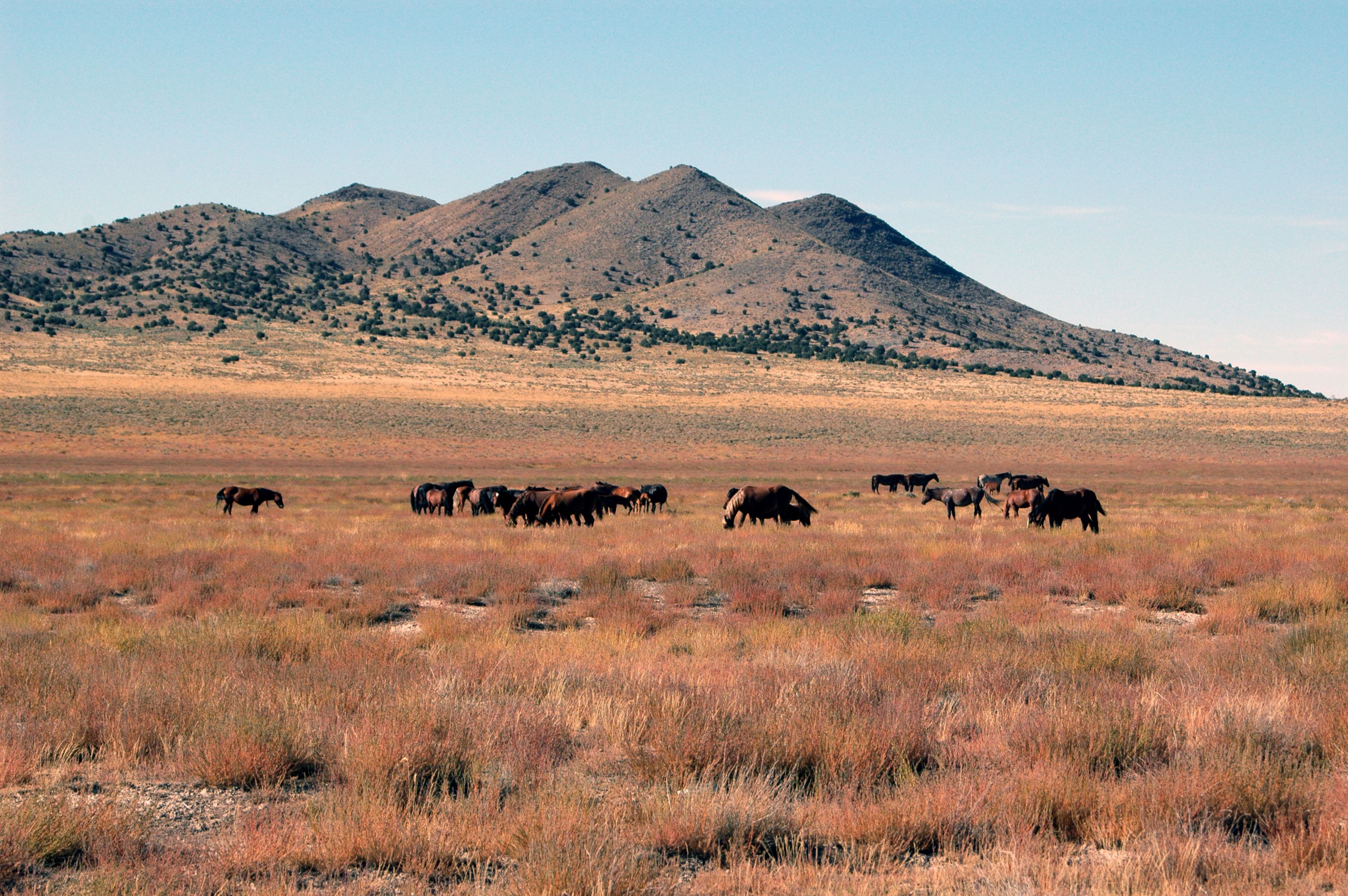
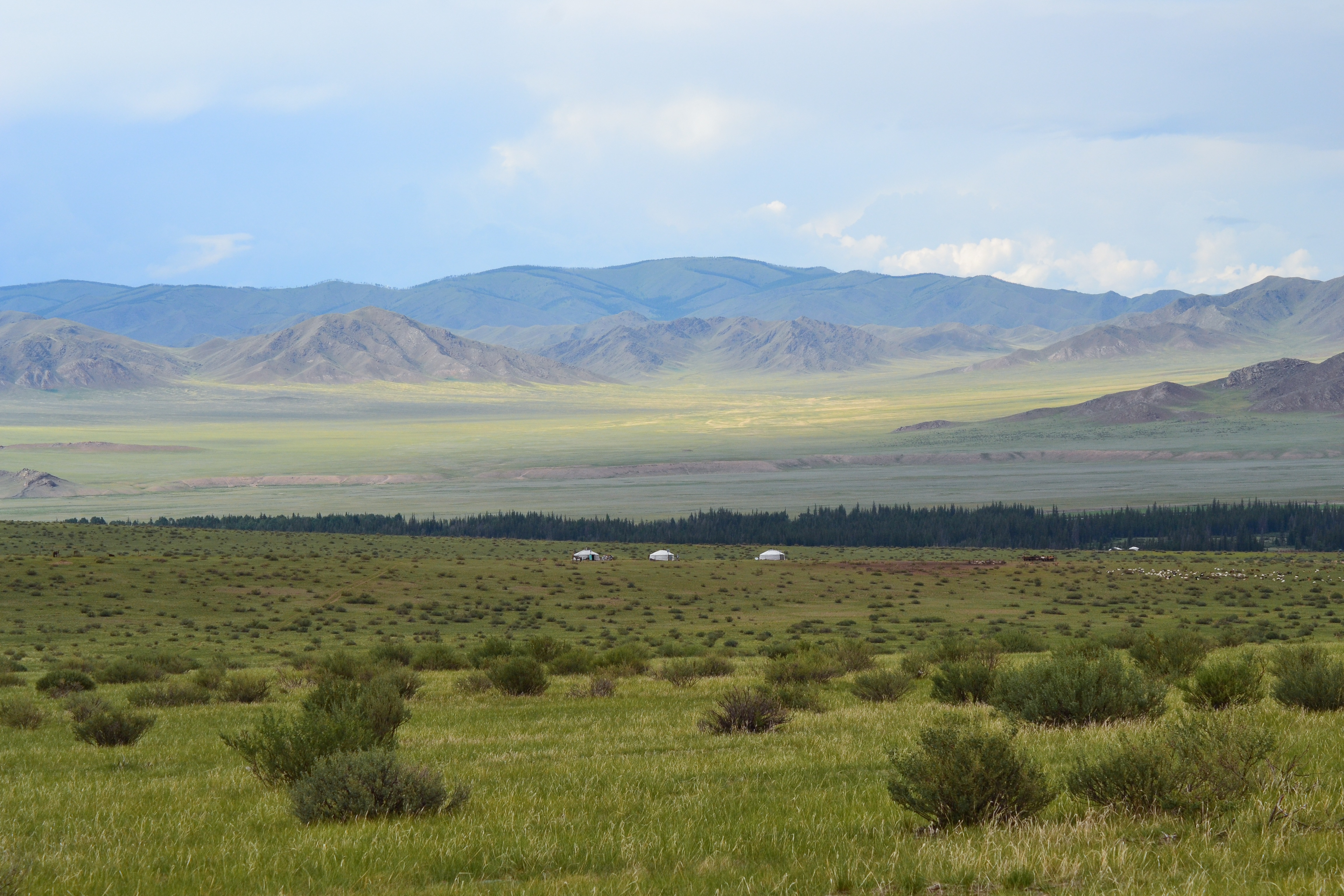
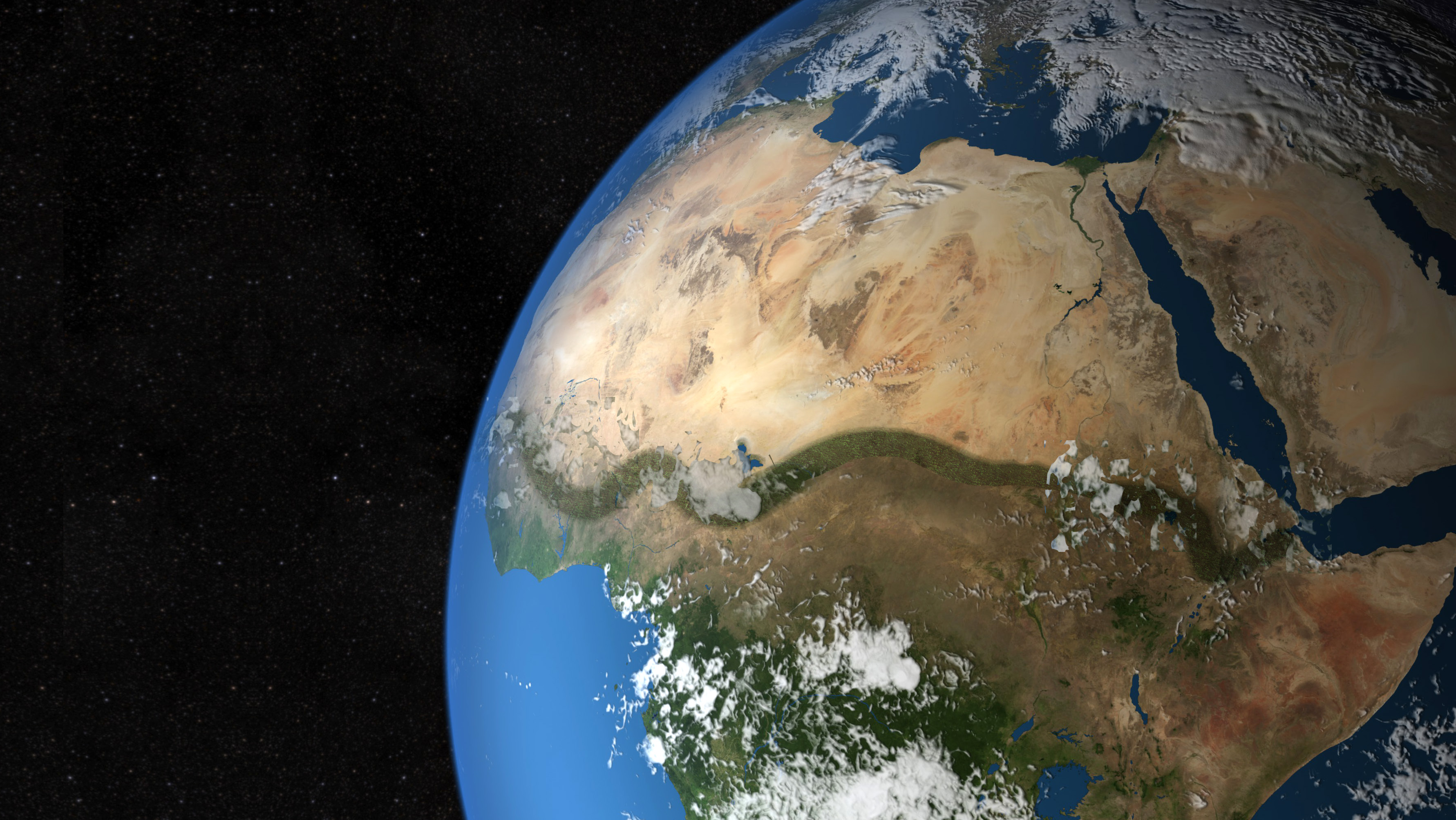
Avis aux médias L'Asie centrale accueille pour la première fois une réunion des Nations Unies sur la désertification, la dégradation des terres et la sécheresse 21ème réunion du Comité chargé de l'examen de la mise en œuvre de la Convention (CRIC21) à Samarkand, Ouzbékistan, 13-17 novembre 2023. Bonn/Samarkand, 09/11/2023 - La vingt-et-unième session du Comité chargé de l'examen de la mise en œuvre de la Convention (CRIC 21) de la Convention des Nations Unies sur la lutte contre la désertification (CNULCD) se tiendra à Samarkand, en Ouzbékistan, du 13 au 17 novembre 2023. Le CRIC21 réunira environ 500 délégués de 196 pays et de l'Union européenne, de la société civile et du monde universitaire pour se pencher sur les progrès accomplis dans la réalisation des objectifs stratégiques de la Convention. C'est la première fois depuis sa création que la CNULCD organise l'une de ses plus importantes réunions en Asie centrale. Cette réunion intervient à un moment crucial, alors que des données récentes publiées par la CNULCD montrent que le monde perd chaque année près de 100 millions d'hectares de terres saines et productives. Si la tendance actuelle se poursuit, il faudra restaurer 1,5 milliard d'hectares de terres d'ici 2030 pour parvenir à la neutralité en matière de dégradation des terres dans le monde. Toutefois, l'arrêt de toute dégradation supplémentaire et l'accélération des engagements existants pourraient à eux seuls permettre de dépasser l'objectif de neutralité. Le secrétaire exécutif de la CNULCD, Ibrahim Thiaw, a déclaré : "Les sécheresses, les incendies de forêt et les vagues de chaleur dont nous avons été témoins dans le monde entier sont les symptômes de crises climatique et naturelle de plus en plus graves et interdépendantes, les terres étant au cœur de ces deux crises. Depuis 2015, quelque 4 millions de kilomètres carrés de terres saines et productives ont été perdus, soit une superficie équivalente à celle de l'Asie centrale. Nous devons de toute urgence mettre un terme à la dégradation des terres et restaurer au moins 1 milliard d'hectares pour atteindre les objectifs mondiaux en matière de terres d'ici 2030." Le CRIC21 se tiendra au centre des congrès Silk Road Samarkand. Les Parties auront l'occasion d'examiner les progrès accomplis et de formuler des recommandations en vue d'atteindre les objectifs mondiaux visant à prévenir et à inverser la dégradation des terres, conformément aux cadres stratégiques et de mise en œuvre 2018-2030 de la CNULCD. Voici quelques points forts du programme du CRIC21 : Session plénière d'ouverture le 13 novembre de 10h00 à 13h00 avec des déclarations introductives du président du CRIC, du secrétaire exécutif de la CNULCD et du représentant du gouvernement de l'Ouzbékistan. Caucus sur le Genre de la CNULCD les 14 et 16 novembre de 13h00 à 15h00 : des experts internationaux se réuniront pour discuter des droits fonciers des femmes, condition préalable au succès des efforts mondiaux de restauration des terres et de résilience à la sécheresse. Un événement politique de haut niveau sur les tempêtes de sable et de poussière, organisé par le gouvernement de l'Ouzbékistan, se tiendra le 15 novembre de 10h00 à 13h00. Ces dernières années, les tempêtes de sable et de poussière ont augmenté en fréquence et en gravité en Ouzbékistan et dans les pays voisins. Pour la première fois, plus de 30 événements parallèles seront organisés lors du CRIC21. Ces événements constituent une occasion informelle pour les Parties et les organisations d'observateurs accrédités d'échanger des informations et des expériences sur diverses questions liées aux objectifs de la Convention. Des points-presse seront organisés tout au long du CRIC21 entre 13h00 et 15h00 (heure locale), notamment : Le 13 novembre : Focus sur l'Asie centrale : tendances mondiales et régionales de la désertification, de la dégradation des sols et de la sécheresse avec le scientifique en chef de la CNULCD, Dr. Barron Orr, et la responsable de programme au sein de l'unité Science, technologie et innovation, Mme Olga Andreeva (à confirmer). Le 14 novembre : Femme. Sa terre. Ses droits : efforts mondiaux et régionaux pour faire progresser les droits fonciers des femmes et leur engagement dans les efforts de restauration des terres et de résilience à la sécheresse avec la CNULCD et des experts régionaux (à confirmer). Le 15 novembre : Tempêtes de sable et de poussière : les dernières données sur ce phénomène croissant avec la CNULCD et des experts régionaux, ainsi que les résultats de l'événement de haut niveau organisé par le gouvernement de l'Ouzbékistan. Le 17 novembre : Conférence de presse de clôture : un aperçu des principaux résultats du CRIC21 avec M. Ibrahim Thiaw, secrétaire exécutif de la CNULCD, Mme Biljana Kilibarda, présidente du CRIC, et M. Aziz Abdukhakimov, ministre ouzbek de l'écologie, de la protection de l'environnement et du changement climatique. FIN Notes aux rédacteurs Les représentants des médias accrédités sont invités à assister au CRIC21 et aux événements associés et à en rendre compte. Des visites de terrain permettant aux journalistes de voir des projets de restauration des terres et de résilience à la sécheresse auront lieu immédiatement avant et après le CRIC21. Le Bulletin des Négociations de la Terre de l'IIDD fournira des informations quotidiennes sur le CRIC21 : https://enb.iisd.org/unccd-committee-review-implementation-convention-cric21 Le programme des événements parallèles est disponible à l'adresse suivante : https://www.unccd.int/sites/default/files/2023-10/Side%20Events%20CRIC21.pdf Des visuels sur le CRIC21 et le tableau de bord des données de la CNULCD sont disponibles ici : https://trello.com/b/zq0kxtkK/unccd-cric21-samarkand-uzb-2023 L'inscription en ligne pour les médias est disponible au lien suivant : www.unccd.int/cric-21-online-registration. Pour vous inscrire, veuillez fournir les documents suivants : · Une photo d'identité récente ; · Une carte de presse valide ; · Une copie (photo et pages de signature) de votre passeport (pour les journalistes étrangers) ou de votre carte d'identité nationale (pour les demandeurs locaux) ; · Une lettre d'introduction du chef de bureau ou de l'entreprise qui sponsorise votre voyage à la session. Pour les journalistes indépendants, une lettre de l'organe de presse qui vous confie la couverture de la conférence est nécessaire ; · Un formulaire d'accréditation dûment complété. Les journalistes enregistrés en ligne pourront retirer leur accréditation au Silk Road Samarkand Congress Center sur présentation d'une carte de presse valide et d'une pièce d'identité. Pour plus d'information sur les réglementations relatives aux demandes de visa et à l'introduction de matériel de reportage en Ouzbékistan, veuillez consulter le lien suivant : https://e-visa.gov.uz/main_ Pour toute question concernant l'accréditation des médias ou la couverture de l'événement, veuillez contacter : press@unccd.int Un espace de travail réservé à la presse et aux médias sera disponible sur le lieu de la conférence. Des informations supplémentaires et des mises à jour pour les médias sur la Convention et le CRIC 21 seront disponibles sur le site web de la CNULCD : https://www.unccd.int/cric21 À propos de la CNULCD La Convention des Nations Unies sur la lutte contre la désertification (CNULCD) est la vision et la voix mondiale pour la terre. Elle rassemble les gouvernements, les scientifiques, les décideurs, le secteur privé et les communautés autour d'une vision commune et d'une action mondiale visant à restaurer et à gérer les terres du monde pour la durabilité de l'humanité et de la planète. Bien plus qu'un traité international signé par 197 parties, la CNULCD est un engagement multilatéral visant à atténuer les effets actuels de la dégradation des terres et à promouvoir la gestion des terres de demain afin de fournir de la nourriture, de l'eau, un abri et des opportunités économiques à toutes les personnes d'une manière équitable et inclusive.

As the UNCCD high-level meeting in Central Asia draws near, we welcome you to this discussion on why global and regional gatherings are an essential part of the UNCCD process. The twenty-first session of the Committee for the Review of the Implementation of the Convention (CRIC 21) in Samarkand is set to serve as a vital marker in the Convention’s ongoing efforts to accelerate progress on land restoration and drought resilience. By bringing together experts, leaders and delegates from 196 nations and the European Union, the meeting sets a major arena for the exchange of cutting-edge insights. This pooling of global expertise not only fosters productive solutions but also facilitates joint decision-making, ensuring a coordinated approach to pressing environmental challenges. CRIC21 will focus on strategic objectives ranging from sustainable land management and drought resilience to secure and equal land rights for women. The event will also provide a platform to discuss emergent crises exacerbated by climate change, such as sand and dust storms and wildfires. Taking place at the halfway point between the biannual Confrences of the Parties (COP) to UNCCD, the insights coming out of CRIC21 will aid in defining the next steps for all stakeholders, providing a clear and focused roadmap to UNCCD COP16, scheduled to take place in Riyadh, Saudi Arabia in 2024.

Excellency, Abdulrahman Al Fadhley, Minister of Environment, Water and Agriculture of the KSA Excellency Salam Al Malik, Director General of ISESCO, Excellency Hussein Brahim Taha, SG of the Organization of Islamic Cooperation Excellencies, Ministers Esteemed delegates, and honored guests Ladies and gentlemen, As-Salaamu aleykum As we gather today in the beautiful city of Jeddah, I wish to express our profound appreciation to the Kingdom of Saudi Arabia for graciously hosting this gathering today. My appreciation extends to ICESCO, the linchpin behind our convening today. Now more than ever before, as we witness the catastrophic effects of environmental changes, redefining our relationships with nature is of critical importance. Allow me to bring to your attention the Centrality of sustainable land management to green transformation. Land is not merely the terrain beneath our feet. Land has always been the cradle of our civilizations. Land provides us with the essential food we eat. Land clothes us; land provides us with the water we drink and the clean air we breathe. It nurtures our ecosystems, supports our economies, and sustains our cultures. The health of our lands is therefore the cornerstone upon food security. Land degradation and drought amplify competition over access to land and water. Conflicts between farmers and pastoralists are exploding all over. Consider this: any land degradation anywhere in the world, is a depreciation of our global economy and an erosion of human wellbeing. Any efforts to « green the economy » are therefore doomed to fail, unless we prioritize investments in this crucial natural capital. We know this well: nature provides 30% of the solutions to climate change. Sadly, nature-based solutions only receive 3% of the climate funding. Sadly, investments on land restoration and drought mitigation are shockingly insufficient. This should change, and this group of countries has to power to bring positive change. Arguably, countries of the Islamic World have more power to bring positive change to the Planet than any other similar group. The Islamic World, perhaps more than other groups, needs to control its narrative on climate and environmental change. Unleashing that power can be truly transformative and bring positive change to the world. Coming back specifically to land loss, the challenge is huge. According to the UNCCD’s Global Land Outlook report, up to 40 % of the global land has been degraded. If the current trend continues, by 2050, we will further degrade an area the size of South America. The good news is the solution is literally in our hands: it’s called Land Restoration. By restoring degraded land, we improve food security and, even more importantly, food sovereignty. Whether in Arid Lands, in grasslands or in more humid ecosystems, we have one billion hectares of land that can be put back to health by 2030. Healing one billion hectares of ailing land and putting it back to the global economy is a smart and wise investment. One good example of such powerful change is the critical role played by Saudi Arabia during its G20 Presidency, when it led G20 Leaders to adopt the Global Land Restoration Initiative. The ambitious G20 Global Land Initiative, housed within the UNCCD, has set an audacious goal: halve land degradation in the world by 2040. This initiative is global in scope and is committed to working with all countries, including those of the Islamic World and with the ICESCO. We are also very pleased with the Middle East Green Initiative, which has received substantive financial support from Saudi Arabia and aims at restoring 200 million hectares of degraded land. We are confident that building on Islamic Civilization and its great principles of solidarity, more countries will support large-scale land restoration as well Drought Mitigation in the world. Indeed, islamic civilizations were visionaries in fields like sustainable agriculture, water conservation, and harmonious land practices. It's a heritage—a treasure of knowledge- that can be drawn upon. Yet, as we honor our past, we must confront silent killers that are chocking our economies, namely land degradation and drought. As we build our futures, we must ensure that our progress is in harmony with nature. To achieve this, we need to combine ancestral wisdom with contemporary innovation. Weaving together Islamic principles of stewardship and reverence for nature with cutting-edge land management techniques, we can chart a course towards a green transformation. Allow me, before I conclude, to say a word about the Road to UNCCD COP16. Saudi Arabia’s role as the host of the upcoming UNCCD COP 16 is a testament of commitments to addressing these global challenges. Climate COP 27 in Sharm Es-Sheikh and COP28 in Dubai, while Morocco just hosted the WB/IMF annual assemblies …there is no mistake. There is a clear indication of Islamic Countries strong commitment to multilateralism. UNCCD COP16 in December 2024, in Riyadh, presents a unique platform for countries of this group to demonstrate their leadership in combating desertification, land degradation, and drought. We can make the next UNCCD 16th COP the moon-shoot moment for land restoration and drought resilience, for people, for the planet and for prosperity. Shukran!

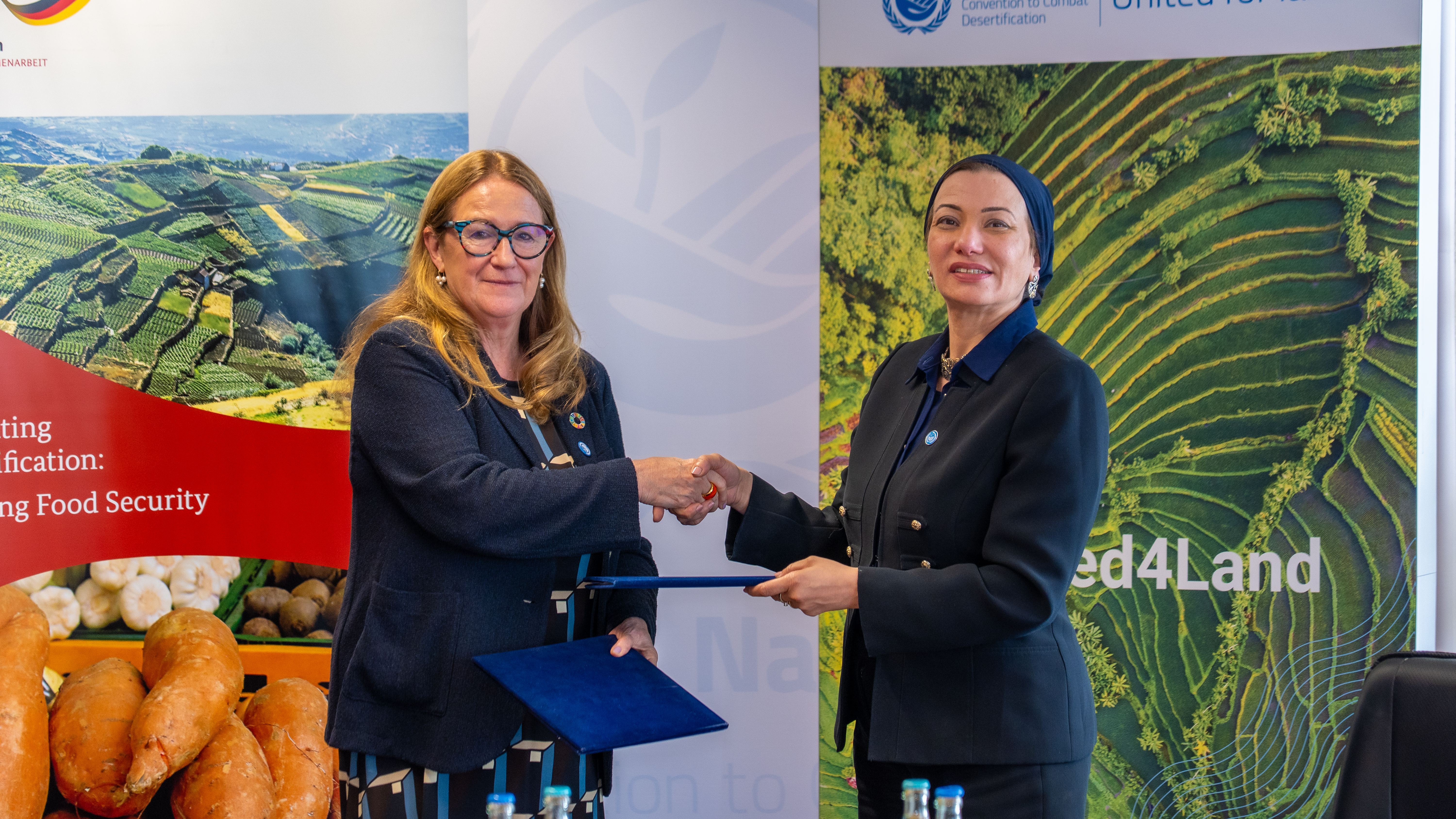
Bonn/Samarkand, 10 October 2023 – Today the United Nations Convention to Combat Desertification (UNCCD) entered into a landmark agreement with the government of the Republic of Uzbekistan. The Host Country Agreement marks the culminating chapter in the preparations for the upcoming 21st session of the UNCCD Committee on the Review of the Implementation of the Convention (CRIC21), to be held from 13-17 November 2023 in Samarkand. For the first time since its inception, UNCCD is convening one of its most important meetings in the heart of Central Asia. The highly anticipated CRIC21 will serve as a global platform for cutting-edge insights into land degradation and drought while assessing the progress the countries are making in restoring productive land. Welcoming the UNCCD delegation to the historic crossroads of culture and civilization in the city of Samarkand, Uzbekistan's Minister of Ecology, Aziz Abdukhakimov emphasized the upcoming UN conference's role in bolstering global partnerships and environmental innovation. Among the inspiring examples of the successful project in land restoration he shared is the ongoing tree-planting efforts on 2 million hectares to combat the Aral Sea environmental crisis. UNCCD Executive Secretary Ibrahim Thiaw noted that CRIC21 meets at a time of increasing environmental turbulence: cataclysmic heatwaves in Europe and North America, devastating droughts in the Horn of Africa, torrential monsoons and cyclones across Asia. The significance of land degradation as both a contributor to and a consequence of these phenomena cannot be overstated. Recent UN data paints a sobering picture, demonstrating that 420 million hectares of fertile and productive land between have been degraded between 2015 and 2019 – an area exceeding the combined landscapes of Kazakhstan, Kyrgyzstan, Tajikistan, Turkmenistan and Uzbekistan. CRIC21 – a global symposium of delegates from 196 nations and the European Union, leaders of the civil society, academia, and international organizations – will delve into progress on the Convention's strategic objectives. These range from sustainable land management and drought resilience to ensuring fair land rights for women and tackling the sand and dust storms and wildfires exacerbated by the climate change and environmental degradation. The UNCCD secretariat wishes to express its sincere gratitude to the Republic of Uzbekistan for graciously assuming the role of the host for this pivotal event. Like an intricate carpet weaved by expert hands unfurls to reveal its detailed patterns, CRIC21 will roll out at the Silk Road Samarkand Congress Centre in Uzbekistan this November.

Mr. Chairman, Bureau members, distinguished delegates, Ladies and Gentlemen, Permítame trasladar mis sinceras felicitaciones a su Excelencia el Embajador Carlos Amorin, Representante Permanente de Uruguay ante las Naciones Unidas y Presidente de la Segunda Comisión de la Asamblea General. I also congratulate your fellow Bureau members. We will spare no efforts to support your work. Let me also salute the delegations of the Kingdom of Saudi Arabia, Mongolia and Uzbekistan. Saudi Arabia will host UNCCD COP 16 in Riyadh in December 2024, Mongolia COP 17 in 2026. Uzbekistan is hosting next month the 21st session of the Committee for the Review of the implementation of the Convention in Samarkand. I wish to express my gratitude and appreciation to these countries which are playing a leadership role in the UNCCD processes and implementation. Excellencies, Three weeks ago, the UN Secretary-General drew the world leaders’ attention to the fact that only 15 per cent of the SDG targets are on track and many are, on the contrary, going in reverse. The Secretary-General sounded alarm bells warning that instead of leaving no one behind, we risked leaving the SDGs behind. And this is the case for land and its SDG 15.3, in the 2023 report[1], the findings are worrisome: “Between 2015 and 2019, the world lost at least 100 million hectares of healthy and productive land every year, affecting food and water security globally. " Worldwide, poverty, hunger, environmental degradation, and conflicts are indeed increasing. And we can see a correlation where globally the poorest and the hungriest are found in areas affected by land degradation, desertification, and drought, and the Sahel and the Dry Corridor in Central America, to name few, are clear examples of this reality. These intertwined crises of nature-climate-land degradation and conflicts require the implementation of solutions that generate multiple benefits and the mobilization of technical and economic resources at an unprecedented scale. Investing in land restoration and drought resilience are win-win and cost- effective solutions with multiple benefits for a safe and sustainable future. Land restoration and drought resilience are critical to guarantee water and food security, livelihoods, to reduce irregular migration of people and conflicts over resource scarcity. These solutions also constitute building blocks to achieve climate and biodiversity goals. Excellencies, Within this framework let me now proceed to the introduction of the Report of the Secretary-General contained in document A/78/209, section II. The report suggests some recommendations that we hope would feature the UNCCD resolution that you will negotiate in these coming days. Since this report has been before you for quite some time, I will not go into its details. Regarding the outcome of COP 15, the Secretariat is working with the country Parties to support the implementation of the COP decisions adopted in Abidjan. In the context of achieving land degradation neutrality, we noted some important political signals. For instance, in 2020 in Riyadh, the G20 Group declared their ambition to reduce 50 per cent of the world’s degraded land by 2040. This declaration and the launch of the G20 Global Land Initiative are contributing to consolidating a land restoration movement. Over the past two years, the presidencies of G20 have included land restoration as an important political priority within their communique, and have promoted the restoration of peatlands and mangroves, as well as land affected by mining and forest fires. LDN is becoming an important vehicle to achieve the SDGs: 130 countries are currently involved in the process for setting land degradation neutrality targets, and a number of flagship initiatives on land restoration are being promoted globally: such as Great Green Wall in the Sahel and in the SADC region, the Dry Corridor, the Middle East Green Initiative. We need to continue enhancing collaboration and cooperation to accelerate action on the ground. In terms of outreach activities, the highlight has been the observance of the World Day to Combat Desertification and Drought on June 17, celebrated in the General Assembly Hall. That day a global campaign under the theme “Her Land. Her Rights” was launched to advocate for women and girls’ access to land. Several global leaders, UN agencies and partners participated in the event and are part of this global campaign that recognizes that land restoration, conservation and sustainable management can be accelerated if we address land tenure and gender issues in an integrated manner. On the drought front, we are moving forward. We see an appetite from the international community to operate a paradigm shift in drought management – from reactive to proactive action that better prepares countries and communities for future droughts, but more information sharing, resources, and political will is needed. It is in this context that the International Drought Resilience Alliance (IDRA) was established to generate more political momentum for this agenda and to accelerate action. I invite the General Assembly to encourage its members to join this coalition. Regarding the implementation of the COP 15 decision, the Intergovernmental Working Group on Drought has been analyzing how to strengthen drought management system within the convention. Its members are currently discussing policy options to be considered by COP 16. The next COP which will be held in December 2024 in the Kingdom of Saudi Arabia aspires to be a moonshot moment for the land and drought resilience agenda. We hope to see you there. Before I close my presentation, allow me to pay a short tribute to my colleague, Mr. Melchiade Bukuru, Director of our Office in New York who is about to retire after over a quarter of a century with you, for his long dedication and commitment to UNCCD processes. [1] https://hlpf.un.org/sites/default/files/2023-04/SDG%20Progress%20Report%20Special%20Edition.pdf

Reconnaissant que la sécheresse sévère affecte l'Afrique plus que tout autre continent, les dirigeants réunis au Sommet africain sur le climat à Nairobi ont présenté une vision commune de la résilience à la sécheresse dans la perspective des prochains sommets sur le climat et la désertification - la COP28 de la CCNUCC en novembre 2023 et la COP16 de la CNULCD en décembre 2024. L'objectif est de réduire les coûts des futures sécheresses pour les sociétés et les économies grâce à des investissements stratégiques dans la gestion durable des terres et de l'eau.
