News & stories

Related news
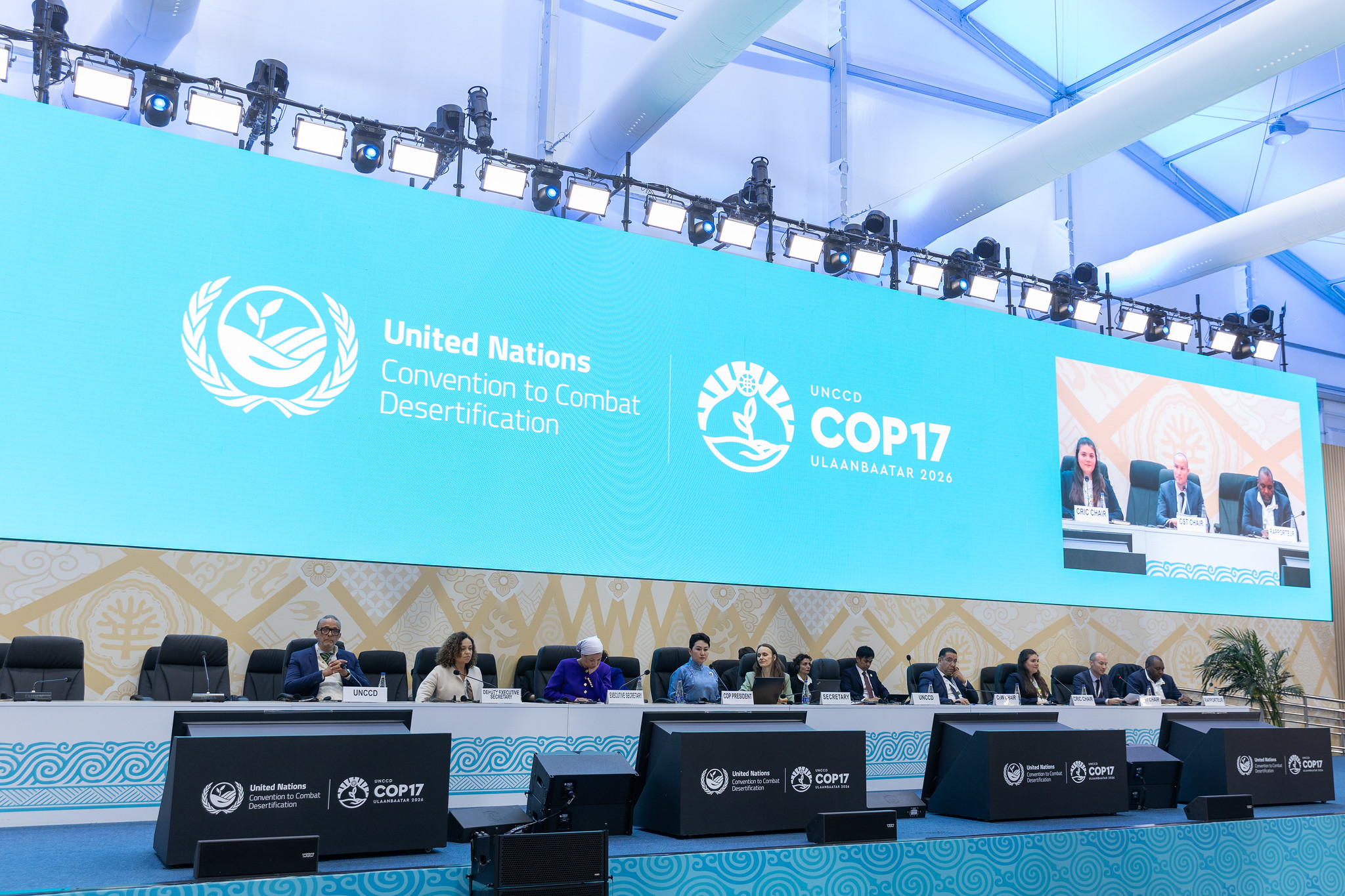
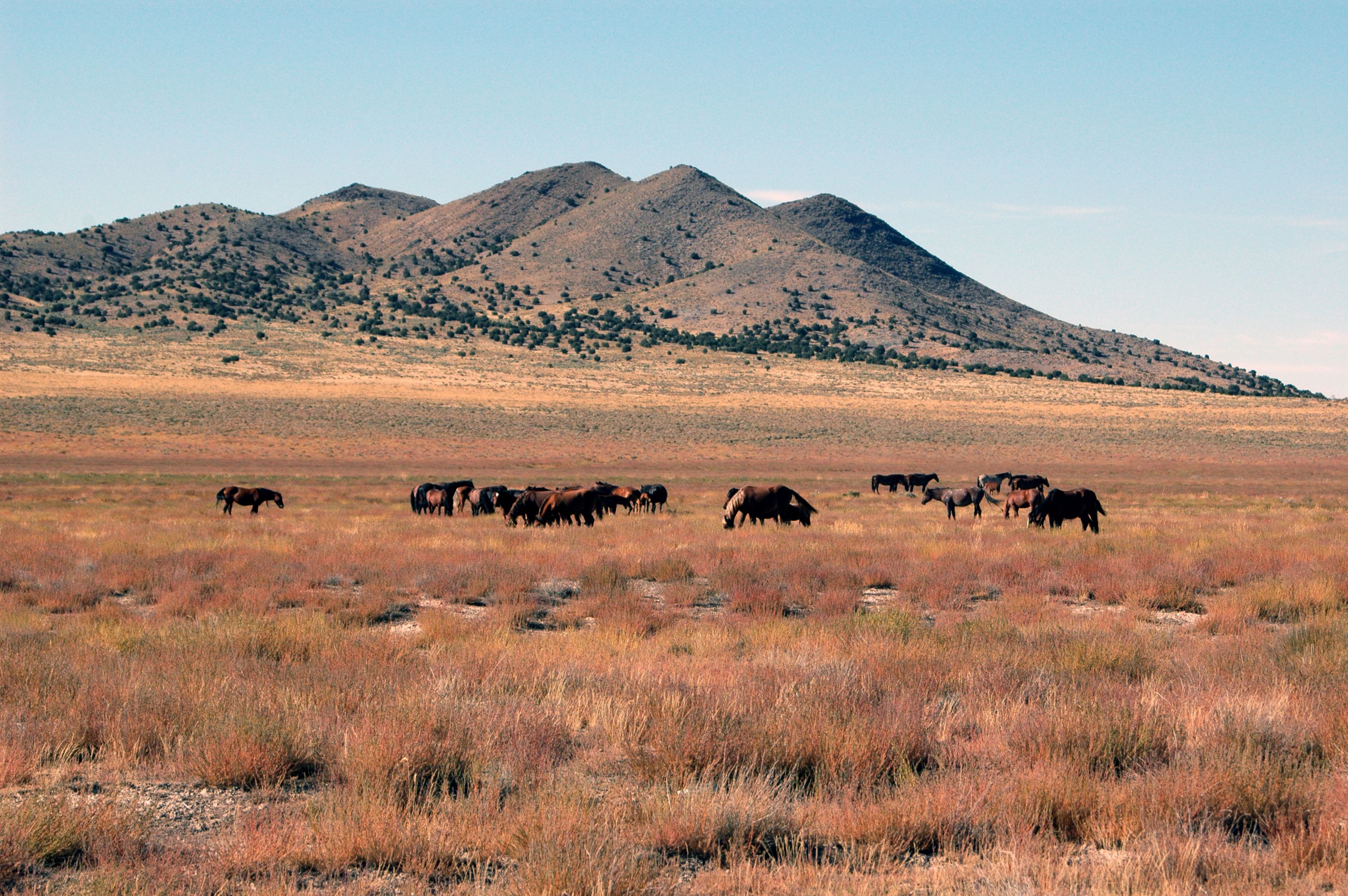

The UNCCD Data Dashboard is the first global tool to monitor land degradation based on information reported by countries. Its latest update makes it easier to see how countries are responding to the crisis by bringing together, in one platform, the voluntary Land Degradation Neutrality (LDN) targets and actions submitted by governments. Until now, this information was scattered across many various reports.With support from the European Commission, the UNCCD secretariat created a system to gather and manage national commitments, including a map showing geospatial data from 2022 reports. The new public update means anyone can now search, filter and download this data to see what countries are doing to stop and reverse land degradation.The Dashboard’s first release showed just how severe the crisis is: every year between 2015 and 2019, the world lost at least 100 million hectares of healthy land — roughly the size of Egypt. But the Dashboard also shows success stories: Botswana cut land degradation by more than half, while the Dominican Republic restored vast areas of farmland and watersheds.The new section on LDN targets adds to other UNCCD tools such as the Drought Toolbox, which helps countries to design drought policies and resilience strategies, and the Sand and Dust Storms Toolbox, which identifies storm sources, assess risks and design mitigation measures.By providing a clear, accessible overview of global progress, the updated Data Dashboard will support informed decision-making and facilitate more targeted discussions at CRIC 23 in Panama this December and at COP 17 in Mongolia next year, where parties will review implementation, raise ambition and shape the next phase of collective action. It will also strengthen collaboration and foster greater synergies with partners such as the Convention on Biological Diversity and the UN Framework Convention on Climate Change.Together, these tools and processes aim to accelerate global efforts toward restoring 1.5 billion hectares of degraded land by 2030 — a goal still within reach if countries act swiftly and work together.

When Southern Africa experienced its third consecutive year of severe drought between 2015 and 2017, Bongani Simon Masuku — now Principal Secretary in Eswatini’s Ministry of Agriculture — saw firsthand how fragmented responses could deepen a crisis. As a longtime advocate for science-based policy and former Chair of the United Nations Convention to Combat Desertification (UNCCD) Committee on Science and Technology, Masuku recalls how the lack of coordination and shared learning left many countries struggling to respond effectively.Those hard lessons, nearly a decade old, laid the groundwork for more coordinated and inclusive approaches to drought management — culminating in a significant breakthrough at UNCCD COP16 in 2024.A turning point at COP16Officially launched at UNCCD COP16 in December 2024, the Communities of Learning and Practice on Drought Management (CLP) marked a step change in how countries approach drought.Supported under the Changwon Initiative, the CLP has grown into five regional and one global community: multilingual, interactive spaces for peer learning, co-creation and practical capacity-building.The CLP directly supports Land Degradation Neutrality (LDN) goals and offers a space where policymakers, scientists, youth leaders and local actors share strategies, challenges and successes.Why it mattersOnce seen as sporadic disasters, droughts are becoming a chronic threat. Since 2000, their frequency and intensity have risen by 29 per cent — and by 2050, three out of four people could face their impacts.Yet solutions often remain locked in silos, out of reach for those on the front lines. The CLP breaks those silos by enabling real-time collaboration and cross-regional exchange.Masuku emphasized the importance of reaching all decision-makers:“Knowledge is power. A platform for sharing information is a powerful tool — especially when it reaches those who might otherwise be left out. With the right knowledge, you can make the right decisions.”A living knowledge networkBuilding on earlier regional knowledge-sharing efforts, the CLP has grown rapidly since its launch in late 2024, bringing together over 300 members from across sectors and regions.It has held regional workshops and case clinics tackling both technical and policy challenges. Five global online exchanges have drawn 687 participants worldwide.The platform has published more than 300 multilingual resources — ranging from technical guides to policy briefs — and sparked new partnerships, helping countries co-create tools and strategies.The network is also turning the UNCCD Drought Toolbox into a dynamic, user-driven resource, shaped by field realities and continuous feedback.Voices of changeThe platform isn’t just for governments and experts. It’s opening doors for the next generation of land and climate leaders. Juliet Grace Luwedde, Global Coordinator of the UNCCD Youth Caucus, sees the CLP as an inclusive gateway:“It’s a great place for young people to start learning and connecting — people who can answer their questions and help them grow. No question is too small. It’s also a fantastic resource for young negotiators to build confidence and find their voice.”Tools that drive actionOne of the CLP’s most powerful features is its close link to the Drought Toolbox — a suite of tools for assessing risk, monitoring drought and designing early warning systems.Through the platform, these tools are made more user-friendly and widely accessible. Interactive offerings — from expert clinics and regional competitions to self-paced learning — ensure these tools lead to action, not just information.Looking aheadAs climate stress intensifies, the need for coordinated drought management is growing rapidly. The CLP is expanding to include more countries — particularly in drought-prone regions like the Sahel and the Horn of Africa — while adapting its tools to fit national priorities.Rooted in the spirit of the Changwon Initiative, the CLP fosters innovation, strengthens partnerships andscales solutions that bridge local realities with global goals. Continued collaboration is helping position it as a vital global hub — connecting knowledge, building capacity anddriving action where it’s needed most. A movement rooted in practiceThis is more than a platform. It’s a movement — one that turns collective knowledge into shared resilience. At its core is a simple but powerful idea: investing in people, not just policies, is what ensures no voice is left behind.Sustained support through the Changwon Initiative has helped make that idea real — enabling communities once excluded from critical discussions to take the lead. Today, they are not just included — they are equipped, connected and shaping global solutions from the center.Photo: © ILRI/Stevie Mann

In Kyrgyzstan, where steep mountains and deep valleys define both the landscape and daily life, land degradation and drought are no longer distant threats — they’re reshaping everyday reality. These slow-onset crises erode not just soil and biodiversity, but the livelihoods and resilience of rural communities whose well-being depends on healthy land.Today, nearly 1.9 million people — or 35.5 per cent of the population — are directly exposed to land degradation. In 2019 alone, 1.83 million hectares of land were classified as degraded, accounting for nearly one-tenth of Kyrgyzstan’s total land area.While many countries face similar threats, Kyrgyzstan’s high-altitude terrain and dependence on pastoralism make it particularly vulnerable. In recent years, climate variability has intensified pressure on natural resources, disrupting crop yields, altering grazing patterns and straining water supplies across rural areas.Between 2018 and 2021, the Greening Drylands Partnership (GDP) launched a major effort to restore Kyrgyzstan’s fragile landscapes. It aimed to breathe new life into degraded ecosystems, protect biodiversity and help communities adapt to a changing climate. But with mounting deforestation, shrinking grasslands and escalating climate impacts, the challenge proved anything but simple.The Changwon Initiative: A driving force for land restorationThe Changwon Initiative — a flagship programme of the Korea Forest Service and the UNCCD — helped turn restoration from vision to reality. It became a regional catalyst for action, supporting land restoration not only in Kyrgyzstan, but also across Eastern Europe and Central Asia, including Kazakhstan, Tajikistan, Belarus, Armenia and Mongolia.In Kyrgyzstan, the Changwon Initiative aligned restoration efforts with national environmental goals and long-term sustainability. It ensured that recovery initiatives were not isolated projects, but part of a broader, coordinated vision for change. By bringing together governments, non-governmental organizations and international partners, it laid the groundwork for meaningful, lasting action on the ground.Planting the seeds of changeFrom 2019 to 2022, one of the most impactful efforts under this partnership was a community-focused reforestation project supporting rural and forestry nurseries. The aim was both simple and ambitious: to plant trees, raise awareness and build skills that would last well beyond the project’s end.Four nurseries were established in the Chui and Talas regions, covering a total of eight hectares. They became home to a range of fruit and ornamental trees — not just to green the land, but to promote sustainable farming and land use.Farmers and forestry workers received practical training in nursery management, pest control and pruning — blending scientific techniques with local traditions.The project didn’t stop with adults. Twenty-four school-based nurseries were also created, inviting the next generation to become caretakers of the land. Young people across Kyrgyzstan engaged directly with their environment, taking part in reforestation — one sapling at a time.To expand impact beyond the project sites, a national UNCCD information center helped disseminate tools and insights across the country, while roundtables shaped new policy recommendations for sustainable land management.Tools for long-term restorationThe project went beyond planting trees. It provided communities with the tools to understand and protect their environment long after the initial phase ended. Risk assessment maps identified areas most vulnerable to land degradation. Restoration activities were aligned with national policies and embedded in the broader Land Degradation Neutrality (LDN) framework.Most importantly, people were placed at the center — not just involved but empowered. From farmers to students, local communities became stewards of their own recovery.While these efforts planted the seeds of progress, scaling up to achieve nationwide transformation is the next frontier. Moving beyond pilot projects will require sustained investment, stronger institutions and continued commitment from both governments and civil society. Sharing lessons regionally — from Mongolia to Belarus — will be key to ensuring success beyond borders.In countries like Belarus, restoration projects are already entering their second phase. Kyrgyzstan now stands ready to do the same — the foundation is solid, the knowledge is growing and community engagement is real. What’s needed next is a renewed investment in people, supportive policies and the natural systems that sustain life.A growing legacyWith support from the Changwon Initiative, Kyrgyzstan has taken meaningful steps toward restoring its land — and its future. Skills have been strengthened, forests are returning and a new understanding is taking root: land restoration is not only possible, but essential.Through strong partnerships and a shared commitment, Kyrgyzstan is proving that degraded land can recover — and that when the land heals, so do the communities that depend on it. Healthier ecosystems, more resilient livelihoods and a renewed bond between people and nature — this isn’t just an ideal. It’s a future already beginning to take shape.

How the Changwon Initiative helped build the UNCCD Drought ToolboxDrought is no longer a rare or distant event. It is becoming one of the most serious and far-reaching challenges of our time. Since 2000, droughts have become 29 percent more frequent and intense. By 2050, as much as three-quarters of the world’s population could be affected.For millions of people, this means more than just dry weather — it means failed harvests, shrinking water supplies, rising food prices and displacement from their homes and livelihoods.But drought, unlike sudden disasters, offers a unique opportunity: it gives us time. And when time is used wisely, it can turn risk into readiness.From crisis to preparedness: The birth of the Drought ToolboxFaced with the growing impact of drought, the United Nations Convention to Combat Desertification (UNCCD) recognized the need for a shift — from reacting to crises after they hit, to preparing before they begin. This led to the creation of the Drought Toolbox: a science-based, globally accessible platform that helps countries and communities assess, monitor and reduce drought risk.Designed as a practical support tool, the Toolbox brings together resources for developing national drought plans, identifying vulnerable areas, setting up early warning systems and learning from real-world examples of drought resilience. Behind this comprehensive platform lies a key driver: the Changwon Initiative.The Changwon Initiative: Turning vision into actionLaunched by the Korea Forest Service in partnership with the UNCCD, the Changwon Initiative was instrumental in transforming the Drought Toolbox from concept to reality. Through targeted funding and technical support, the Initiative helped bring together global experts, institutions and local stakeholders to co-create the platform.Workshops convened with its support became spaces for cross-sector collaboration. Government agencies, scientists and land managers worked side by side to align methodologies, share regional knowledge and design an interface that could speak to both policymakers and practitioners. The result was not just a digital tool, but a living, evolving resource for drought resilience.When Tools Reach People: Global Examples of ImpactAcross the world, the Drought Toolbox is helping countries move from crisis response to long-term resilience — with real results on the ground. In Costa Rica, it became the foundation for a national workshop that brought together ministries, improved coordination and led to drought strategies based on shared data and clear priorities. In Andhra Pradesh, India, local leaders used the Toolbox to identify the most drought-prone areas, translating data into practical action — from installing rainwater harvesting systems to planting drought-resistant crops and training farmers to monitor conditions themselves.In South Africa, the Toolbox supported the integration of early warning systems into land-use and agricultural planning, enabling farmers to adopt more sustainable practices and authorities to act on forecasts before droughts took their toll. Meanwhile, in Central Asia, countries facing similar climate pressures used the platform to harmonize monitoring efforts and coordinate their responses — showing how regional cooperation can strengthen resilience across borders.Collaboration is keyOne of the most important lessons from the Toolbox’s creation is that preparedness is not just technical — it’s collaborative. The platform draws from the expertise of partners such as the Food and Agriculture Organization of the United Nations (FAO), the World Meteorological Organization (WMO), the United Nations Environment Programme (UNEP) and the International Center for Agricultural Research in the Dry Areas (ICARDA), and grounds that knowledge in the real-life experiences of those facing drought on a daily basis.This spirit of collaboration also sparked the development of complementary tools like the Sand and Dust Storms (SDS) Toolbox, recognizing the interconnectedness of climate risks, land degradation and human health.A lasting legacyThe Changwon Initiative did more than fund a product. It helped shape a process that placed accessibility, usability and inclusivity at the heart of drought preparedness. Thanks to this investment, the Drought Toolbox has become a vital global asset — used by countries, institutions and communities to plan ahead and protect what matters most.As droughts grow more frequent and complex, the need for practical, integrated solutions becomes more urgent. The Drought Toolbox — born of international collaboration and local insight — shows us what’s possible when we choose to act before crisis hits.It is a reminder that while we cannot stop the rain from disappearing, we can prepare wisely for its absence — and that preparation begins not with fear, but with the right tools in the right hands.

By Yasmine Fouad, UNCCD Executive SecretaryThe global energy transition is often portrayed as a challenging, complex, costly and urgent necessity. But this perspective fails to capture the full picture. What if this monumental transformation offers one of the greatest opportunities of our time to restore our planet? This is an opportunity both to change how we power our world and to restore the land itself, addressing the interconnected crises of climate change, biodiversity loss and food insecurity at their source. A bucket-wheel excavator, one of the world's largest land vehicles, looms against the sky at the Hambach open-pit mine. This machine symbolizes the large-scale extraction of lignite coal that has shaped the region for generations. I witnessed this firsthand in Eschweiler, Germany, this week. For generations, this region was defined by the massive machinery of the Hambach open pit mine, which spans 85 square kilometers (about the area of Manhattan) and plunges 400 meters (about half the height of the Burj Khalifa, the tallest building in the world) deep. With a delegation of parliamentarians from around the world for our Global Changemaker Academy, I visited this former mine site. Through a meticulous, multi-decade effort, the landscape is being transformed into what I can only describe as a "friendly land": an ecosystem reborn from an industrial scar that is teeming with new life. The vast pit is destined to become Germany's second-largest lake after 2029. UNCCD Executive Secretary Yasmine Fouad joined the global delegation of parliamentarians from the Global Changemaker Academy, who were welcomed by the deputy mayor of Eschweiler at City Hall (Stadt Eschweiler Rathaus). What is happening in Eschweiler is powerful and tangible, going beyond a "good story." It is a prime example of what can happen when investment, technology, law and community dialogue converge. But Eschweiler's story is a complex narrative of a just transition that acknowledges the decades of community displacement and environmental degradation that preceded it. The most important lesson from this visit is not found in the soil or the newly planted trees. It is found in the law. The remarkable restoration we have seen did not happen by virtue of corporate goodwill alone. It was the direct result of a robust, forward-thinking legislative framework: Germany's Federal Mining Act. The law shows the principle that those who profit from extracting resources are responsible for restoring the land afterward. It requires companies to submit detailed, science-based reclamation plans for approval before any earth is moved. This legal framework designs the end from the beginning. The successful restoration of the land was achieved because the law required it, setting ambitious standards and ensuring the land was returned to the people in a healthy, productive and ecologically diverse state. UNCCD Executive Secretary Yasmine Fouad This is the critical framework we must bring from Eschweiler to the rest of the world. For the parliamentarians who joined me, this was the primary takeaway. While the specific restoration techniques or financial scale of this "Rolls Royce" project may not be replicable everywhere, the principle of strong, enforceable policies is universal. As lawmakers, they are the architects of this change. For three decades, the international community has addressed our planet's greatest challenges through three related agreements stemming from the Rio Earth Summit. Too often, these agreements tended to be pursued in relative isolation. Eschweiler shows us, in contrast, that on-the-ground action creates the constructive collaboration we need. Here, land restoration is the unifying, practical action that allows us to address climate change, biodiversity loss and desertification all at once. The restored Inde River flows through a lush, green landscape that was once an open pit mine. Wind turbines in the background represent the successful integration of a revived ecosystem and a clean energy future. Healthy soil and thriving ecosystems act as powerful carbon sinks, absorbing vast amounts of CO2 from the atmosphere. Restored lands become our best defense against climate shocks. They act like natural sponges, absorbing floodwaters and keeping moisture during droughts. At the same time, restoration is the engine of biodiversity's return. By rebuilding healthy soil and restoring water cycles, we lay the foundation for life. Reintroducing native plants sets the stage for the return of pollinators, insects, birds and mammals, transforming a barren landscape into a complex, resilient web of life. My journey from Eschweiler starts locally but will go globally. This first field visit as Executive Secretary served as a clear statement of intent. I am here for the land. Seeing this restoration firsthand alongside these dedicated lawmakers reinforces my conviction. My message to them and to leaders everywhere is this: "The UNCCD stands ready to be your partner on the ground. We will come to your countries, walk your landscapes and work with you to craft the people-centric policies that will bring your land back to life." The Blausteinsee, a popular recreational lake formed from an old open pit mine, features a visible power plant in the distance. Its transformation from an industrial scar to a community hub for nature and leisure exemplifies the ultimate vision of restoration.

Civil society is on the frontline of the land challenge — and they are essential partners for the UNCCD. From farmers’ associations to women’s cooperatives and youth networks, civil society organizations (CSOs) bring local realities to the global stage. The CSOs amplify the lived reality that land degradation is not only an environmental issue but as a direct challenge to livelihoods, food security and the future of our communities. Today, nearly 1,200 are accredited to the UNCCD and their engagement supported and coordinated through the UNCCD CSO Panel. This structure ensures that voices from local communities are heard in international negotiations, connecting grassroots experience with global policymaking on the future of our land.At the heart of the Convention’s work is Land Degradation Neutrality (LDN) — the global commitment to balance the amount of healthy and productive land with the land being degraded. The goal is simple but urgent: by 2030, reduce degradation, restore what has been lost and make sure there is no net loss of healthy, productive land. To turn this ambition into action, the Global Environment Facility (GEF) launched the Medium Size Project “Strengthening Civil Society Role in Achieving Land Degradation Neutrality (CS4LDN).” Backed by two million USD in funding, this three-year initiative is implemented by the International Union for Conservation of Nature (IUCN) and executed by Both ENDS on behalf of the Drynet network, with IUCN also serving as co-executor. The project is carried out in close partnership with the UNCCD CSO Panel, the UNCCD Secretariat and other global stakeholders. Through CS4LDN, civil society organizations are better positioned to influence LDN policy and practice — linking community-driven initiatives with international decision-making. The project focuses on two main areas: Influencing LDN – raising the visibility and policy impact of CSOs in LDN efforts. This includes building skills in advocacy and communication, promoting local initiatives and supporting CSO participation in global forums such as UNCCD COP and CRIC events.Leveraging LDN – Improving CSO access to funding by strengthening fundraising skills and building connections with donors. Activities range from training and donor roundtables to a study on funding barriers, with special focus on challenges faced by CSOs in the Global South. CS4LDN follows a collaborative, cross-learning approach. Webinars, mentorships and workshops strengthen CSO capacity, while knowledge is shared through an online platform, newsletters and storytelling. A strong focus is placed on amplifying voices from youth- and women-led initiatives. The project is guided by a Project Management Unit (Both ENDS and IUCN) and a Steering Committee that includes the Drynet Board, IUCN, the UNCCD CSO Panel and the UNCCD Secretariat. It will also support CSO consultations and participation in major gatherings, including UNCCD CRIC23 in Panama this December as well as Désertif’actions and UNCCD COP17 in 2026. Photo: © IISD/ENB Anastasia Rodopoulou
