News & stories

Related news
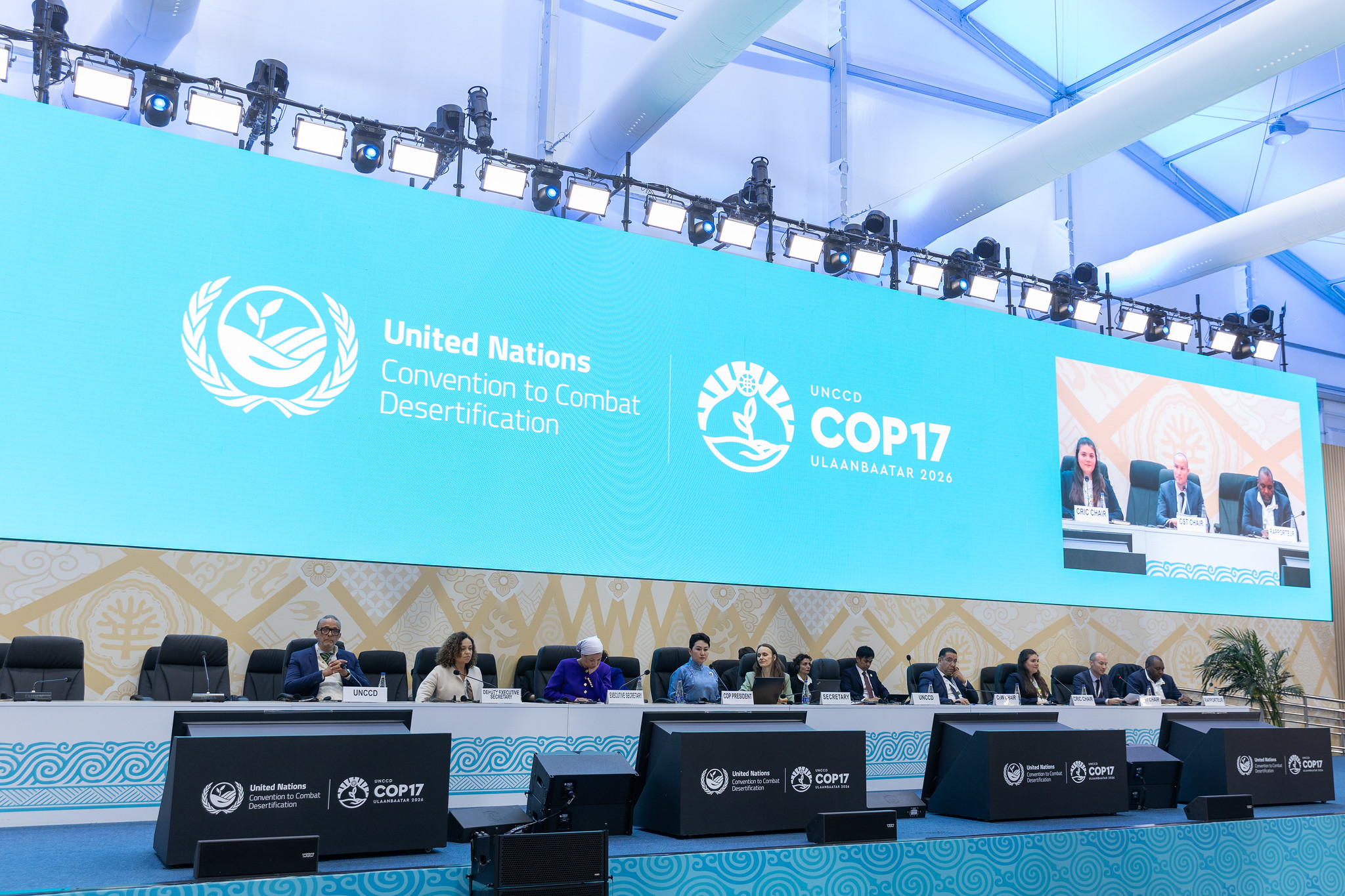
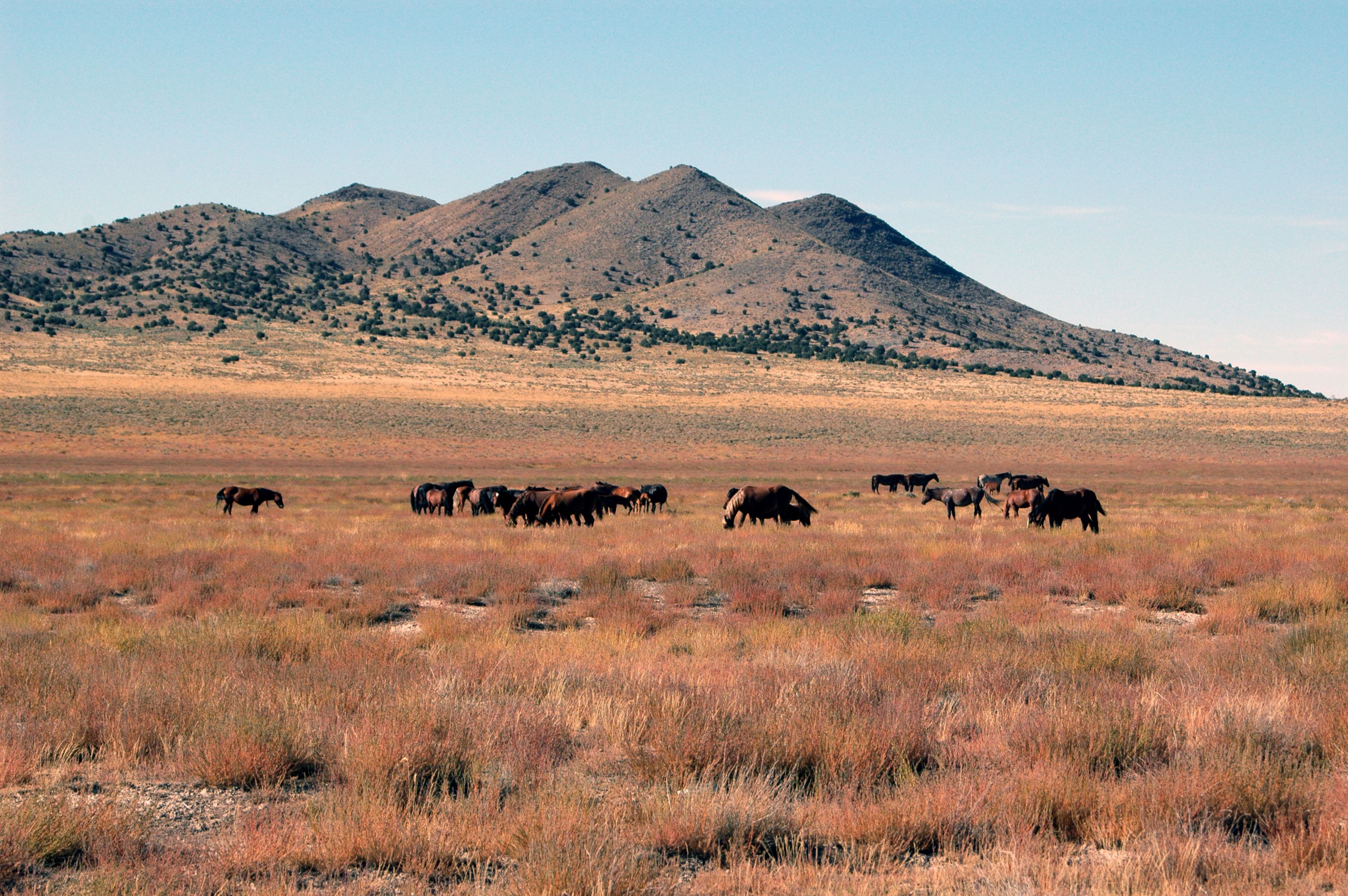

The UNCCD participated the Structured Expert Dialogue of the UNFCCC second Periodic Review to help identify gaps and opportunities in the efforts to keep global warming in check below 1.5 degrees. Together with representatives of CBD and WHO they outlined the linkages between the work of their agencies and climate change, illustrating the major challenges and potential solutions, while a representative of the GEF described their approach to supporting countries in addressing many of these challenges. The UNCCD described the potential for Land Degradation Neutrality to deliver multiple benefits while ensuring no further land degradation in net terms. The secretariat experts also outlined pathways to boost nature-positive production systems and catalyze global efforts to turn restoration commitments in to action on the ground. The UNCCD team introduced the ongoing work of PBL in developing a restoration scenario which will be published as part of the 2nd Edition of the Global Land Outlook. Watch the full recording here...

The country Parties to UNCCD are required to submit national reports on the status of land degradation and desertification every four years. The UNCCD Secretariat and Global Mechanism provide technical advice and capacity building support in this process through a Global Environment Facility (GEF) funded and UNEP (UN Environment) implemented Global Support Programme (GSP). GEF has recently approved two million USD funding to help the countries complete the next reporting cycle in 2021-2022. A new reporting platform planned for the project would ensure that a higher level of accurate assessment and analysis of land degradation trends at national and regional levels is achieved and that policy makers can make informed land management decisions.

A poster featuring Land Degradation Neutrality (LDN) programme in South Africa created by M.Sc. student Laura Quast has become a part of the gallery "Global Change Poster Explorer" developed as part of the "Hot Spots of Global Change" module of the Master's programme in Physical Geography at the University of Freiburg. As one of the countries in the LDN programme, South Africa has set national and sub-national targets to address land degradation. With 91 per cent of land surface made up of drylands and population highly dependent on agriculture, LDN is a high priority, as evident from the Sustainable Land Management Programme that works to implement nationwide policies and secure multiple ecosystem benefits in three pilot sites. The poster gallery, conceptualized and supervised by Prof. Dr. Rüdiger Glaser and developed by Michael Kahle on FreiDok is used as part of the Global Change lecture series. Posters in the gallery follow a variety of topics and can be filtered by theme, location, concept and landscape types as well as displayed on a map. Read more: Land Degradation Neutrality Countries setting LDN targets

The Group on Earth Observation Land Degradation Neutrality (GEO-LDN) Initiative announced the winner of its international technology innovation competition on the development of tools to support land use planning for Land Degradation Neutrality (LDN). The team that presented the “LUP4LDN”(Land Use Planning for Land Degradation Neutrality) tool won the competition and will receive financial and technical support valued at USD 100,000 to transform their prototype into an operational and scalable tool. LUP4LDN integrates LDN into participatory land use planning via an interface that allows users to evaluate land use and land management transition scenarios, providing visual and quantitative representation of land degradation gains and losses. “LUP4LDN supports users to answer where is most crucial to focus land restoration efforts and what sustainable land management interventions are optimal and feasible ito achieve LDN” said Pythagoras Karampiperis, CEO of SCiO, and leader of the LUP4LDN team, which includes experts in agriculture, sustainable land management, land preservation and conservation, as well as users from Tunisia and Burkina Faso. On behalf of the Jury Panel, Douglas Cripe, Senior Scientific Adviser at the Group on Earth Observation Secretariat, highlighted the achievements of the winning team during an online award ceremony in the margins of UNCCD CRIC19. “Of the tools presented, the LUP4LDN tool is the most innovative and the most directly responsive to the Competition’s challenge. LUP4LDN goes beyond analyzing data – it brings stakeholders together. It directly facilitates collaborative land use planning and the process guidance provided is applicable globally. We recognize the value of the tool in training land use planners toward embedding LDN in planning processes,” said Cripe. In his welcoming remarks, Neil Sims, Co-Chair of the GEO-LDN Initiative and Chair of the Jury Panel, expressed his satisfaction in the large turnout for the competition. “We received entries from 23 teams, with participants from 36 countries across all continents, which reflects the significance of land degradation to countries around the world. The high level of engagement for this competition also demonstrated the value of coordination efforts such as the GEO-LDN Initiative,” he added. Other finalists included the LDN Analytics tool, developed by a team led by Vanja Westerberg, co-Founder of Altus Impact, jointly with Simon Reynolds and Luis Costa, and users from Haiti and Ghana; and the Multi-layered Land-Dynamics Tool (ML-LDT) developed by a team led by Claudio Zucca, University of Sassari, and technical implementers and users from the Republic of Korea, India and Mongolia. “We would like to thank all three finalists' teams for their outstanding efforts, their contribution toward more transparent and well-informed land use planning and management, and their commitment to solving one of the world’s greatest environmental challenges,” said the jury in its official statement. “We were very impressed by the quality and the diversity of the finalists' tools, with approaches ranging from neural networks to expert knowledge. Through the direct engagement and co-development of the tools with end users from Africa, Asia and Latin America and the Caribbean, the finalists' teams created tools that have the potential to better address the specific context, behaviors and expectations of the people who will directly interact with the technology. Especially in these difficult times, the competition provided an indispensable space for innovation and collaborative action,” said the Jury. In her closing remarks, Sara Minelli, Programme Officer at the UNCCD Secretariat, invited country Parties to express their interest in supporting further development, testing and pioneering of the winning tool. On behalf of the UNCCD Science Policy Interface, which was represented in the jury panel by Nichole Berger and Peter Verburg, Minelli said: “Land use planning is the place where different land objectives come together to enhance productivity and support livelihoods, while conserving biodiversity and combating climate change. The tools developed for this competition will provide the critical step for policy makers to include LDN in land use planning. We look forward to watching how these winning solutions – will contribute to bringing a scientific understanding of LDN into land use planning practice.” For more information or to express interest in supporting further development and testing of the winning tool, please contact Ms. Sara Minelli sminelli@unccd.int, Programme Officer on Monitoring and Assessment. Learn more: LUP4LDN tool at a glance LUP4LDN demonstration Statement of the jury GEO-LDN Competition Competition playlist on UNCCD YouTube channel GEO-LDN Initiative
January 2021 marked a grim milestone in the COVID-19 pandemic, with over two million people dead. Since the new strain of coronavirus (SARS-CoV-2) emerged on the global stage in early 2020, an historical and unprecedented effort has been deployed to quell this global health crisis. As we settle into a new year with increased optimism following the successful development of vaccines against COVID-19, we are turning our sights toward the future, with critical policy questions in mind.

The Food and Agriculture Organization (FAO) and the UNCCD secretariat are organizing a round table discussion on “Good land governance and land degradation neutrality” in the margins of the Second Arab Land Conference on 22 February 2021 from 12:30 to 14:00 (UTC/GMT+2). The round table will bring together speakers from Egypt, Tunisia and Lebanon to discuss the role of land tenure in addressing desertification, land degradation and drought in the Arab region. The session will also present the ongoing cooperation of FAO and UNCCD on a technical guide on how to integrate the Voluntary Guidelines on Responsible Governance of Tenure on Land, Fisheries and Forest in the context of National Food Security (VGGT) into achieving land degradation neutrality (LDN). Participants in the round table will be encouraged to actively engage in the discussion and provide feedback that can enrich the technical guide with regional examples. Simultaneous interpretation in Arabic and English will be provided. To participate in the round table discussion, please register on the conference website. You can download the event concept note here.
