Brine Cap
The brine cap method involves flooding areas with highly saline water (brine). When this evaporates, it leaves behind a solid salt crust that seals the soil and significantly reduces its vulnerability to wind erosion. Although brine capping is considered suitable for both sandy and clay-rich soils, it has only been used in flat terminal basins where a 1.5 cm thick cap provides long-term dust emission control. Brine capping requires a significant initial investment in surface grading, berm construction and water delivery infrastructure, but incurs relatively minimal ongoing maintenance costs once a cap is established. Overall costs also depend on the availability and salinity of the brine used.
Case Study
During the 20th century, the city of Los Angeles diverted the surface water flowing into Owens Lake in Utah for its own water supply. This transformed the large, closed-basin saline lake into a small brine pool surrounded by dry playa. When exposed to high winds, the lakebed produced large amounts of airborne dust, resulting in high concentrations of airborne particulate matter with an aerodynamic diameter of 10 micrometres or less. In 2020, establishing a brine cap cost approximately USD 24 million per square mile, with maintenance accounting for just 1% of this amount. Access the full case study here: https://www.unccd.int/media/50354/open
Brine Cap at Owens Lake, Utah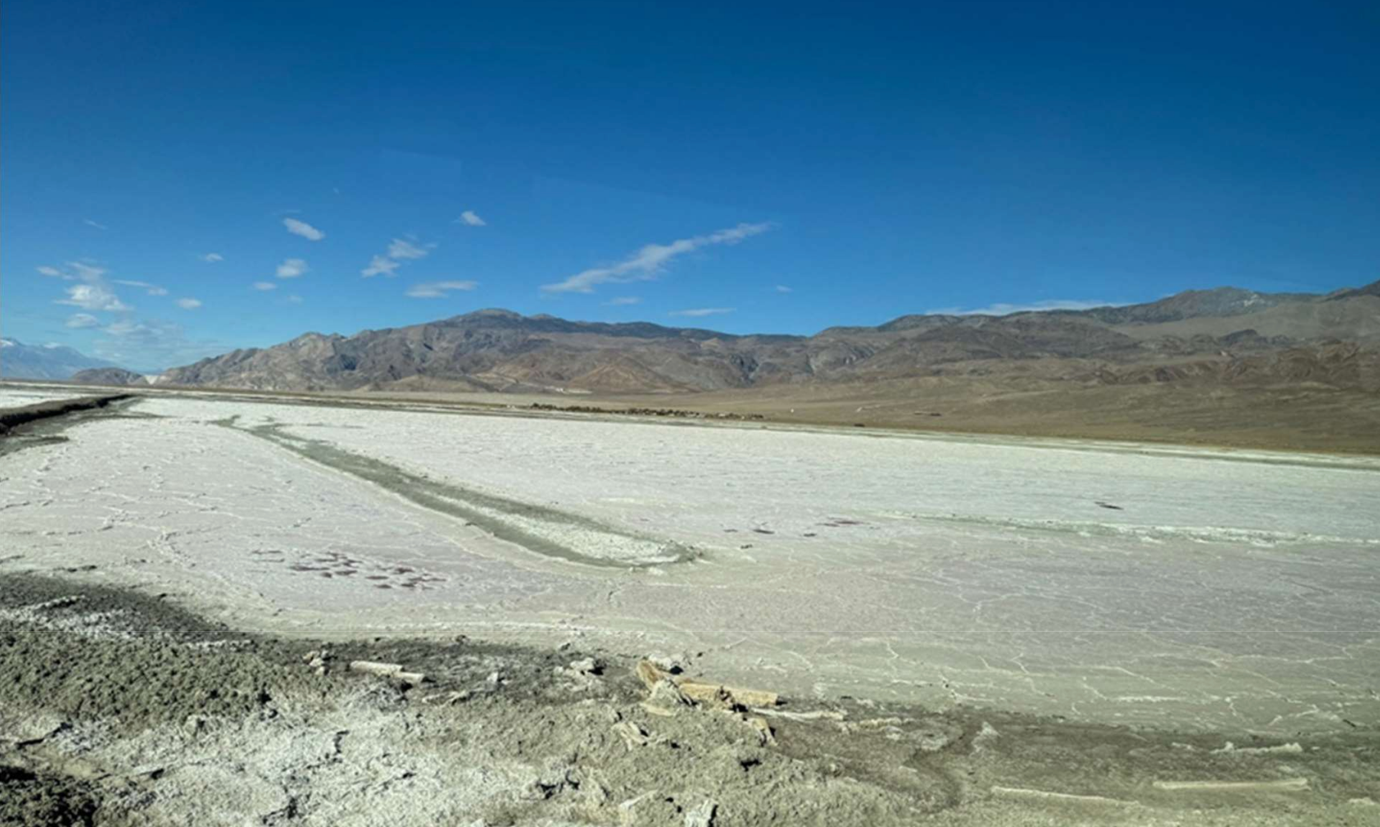
References and Good Practice Guidance
Biome/Climatic Zone
Anthropogenic/Land Use