Dust Palliatives/Suppressants
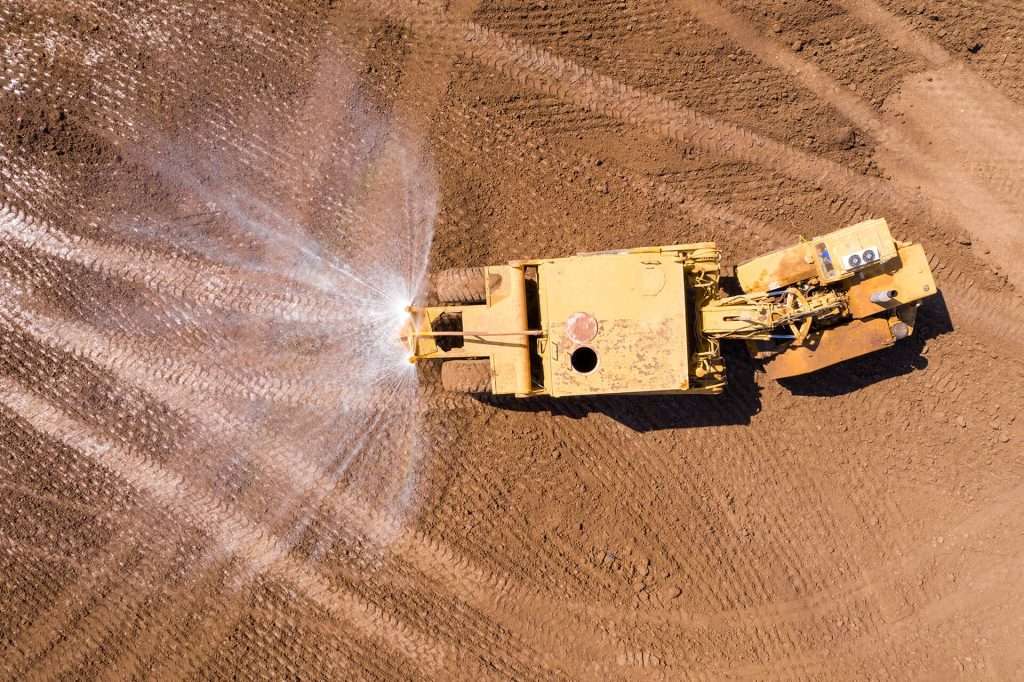
Dust palliatives, often referred to as chemical dust suppressants, are a range of products that bind soil particles or form protective surface films to retain moisture and reduce dust emissions. Chemical dust suppressants are typically used as part of a short-term source mitigation strategy for roads, infrastructure development, and industrial areas such as mining sites. Some dust palliatives can also be applied to desiccated wetlands and basins, as well as coastal and desert dunes, where stabilisation can encourage vegetative regrowth. Some of these products on the market include:
Hygroscopic salts attract and retain atmospheric moisture, helping to cement soil particles together and maintain surface compaction.
Organic non-petroleum binders, such as lignosulfonates and molasses derivatives, act as natural adhesives, forming viscous films when the water used for application evaporates.
Petroleum-derived products coat and glue particles together to produce a semi-hardened surface.
Synthetic polymers form flexible, durable films that encapsulate dust and stabilise the surface layer.
Electrochemical products, including enzymes, ionic additives and surfactants, modify the soil's chemical and physical properties to enhance aggregation and reduce erodibility.
Although dust palliatives can be efficiently applied to large areas from a vehicle, they can be costly and often require repetitive application. Due consideration also needs to be given to the harmful effects on biodiversity, soil and water resources, and human health.
Application of Dust Suppressants
References and Good Practice Guidance
- Eco-friendly polymer formulations for wind erosion suppression in arid areas: experience of Uzbekistan
- Dust, Dust Suppression, and Dust Control: A Comprehensive Glossary
- Description and Costs of Potential Dust Control Options for Great Salt Lake
- Fighting wind erosion. One aspect of the combat against desertification
- Government of Alaska What are Dust Palliatives?
- US Department of Transportation Unpaved Road Dust Management - A Successful Practitioner’s Handbook
Biome/Climatic Zone
Anthropogenic/Land Use