Sustainable Grazing
Sustainable grazing involves managing livestock to enhance the long-term health and productivity of the land by mimicking natural grazing patterns, in which herbivores play a vital role in shaping the landscape. It involves controlling the density, timing, and duration of livestock on pasture in order to improve ecological health, soil carbon sequestration, and biodiversity values, all the while maintaining economic viability. This distinguishes it from conventional grazing practices, where livestock have unrestricted access to pasture and stocking rates are often determined by short-term economic considerations rather than the ecological carrying capacity of the land, which leads to overgrazing. By maintaining higher vegetation cover in rangelands, sustainable grazing minimises the fraction of bare ground and thus lowers the potential for dust emissions. Although sustainable grazing may incur short-term costs resulting from reduced stocking rates, fencing and monitoring, it breaks the cycle of rangeland degradation by restoring healthy ecosystem functioning, thereby improving drought resilience and long-term livestock productivity.
In rotational grazing, also known as adaptive multi-paddock grazing, grazing land is divided into segments using permanent or temporary fencing. Animals are moved from one segment to another, allowing grazed paddocks to recover before they are grazed again. The length of the grazing and rest periods varies depending on the yield of the pasture, but is long enough to allow forage grasses to rejuvenate between grazing periods. This results in greater grass output of a higher nutritional quality, reduces wind erosion, and improves long-term productivity.
Split ranch grazing, also known as the Riaan Dames Grazing Strategy, is similar to rotational grazing but is better adapted to the wet and dry seasons of Southern African rangelands. The grazing land is divided into two paddocks: one for grazing and one for resting. Livestock graze in the grazing paddock until midway through the dry season, while the resting paddock remains undisturbed for a full year. This extended resting period enables grasses to maximise their uptake of nutrients and store them in their deep root systems and crowns. When the resting paddock is grazed in the following season, the grasses benefit from efficient absorption of soil moisture and nutrients through their roots, as well as the ability to reallocate stored nutrients from their roots to new leaf growth after each grazing event. This cycle optimises the supply of high-quality forage for livestock throughout the growing season.
Forage conservation techniques, such as dehydration (haymaking), anaerobic fermentation (silage), and forage banks, are used to supply during dry seasons or prolonged droughts. Haymaking involves sun-drying harvested fodder to reduce its moisture content whereas silage is produced by packing chopped fodder into airtight conditions to enable anaerobic fermentation. Forage banks are typically those grassland areas that are not grazed during the wet season and are instead saved for periods of scarcity. Both silage and haymaking require significant capital investment in machinery, storage infrastructure, and ongoing management, but the advantage is that no additional land is required. Forage banks, by contrast, require no harvesting machinery and simply depend on physically excluding grazing animals during establishment and regeneration periods.
Case Study
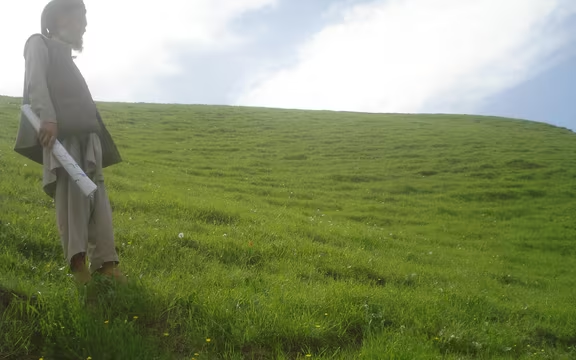
In Afghanistan, rotational grazing plans were introduced to combat the severe pasture degradation caused by overgrazing and soil erosion. This approach involved temporarily closing grazing areas to allow them to recover and dividing remaining pastures into paddocks to enable controlled grazing cycles. Local communities then developed plans to organise the use and seeding of pastures to prevent further degradation. Frequent meetings with community livestock stakeholders provided a better understanding of rotational grazing and the collective benefits of improving pastures. Some pasture users remain reluctant to adhere to the new plans as they are concerned about the feasibility of feeding livestock during the summer exclusion period. Furthermore, women involved in livestock management are often not informed about the rotational grazing plans. This highlights the importance of inclusive and equitable participation in the design and implementation of pasture management plans.
Rotational Grazing Outcomes in Afghanistan
References and Good Practice Guidance
- IUCN Sustainable Rangeland Management Toolkit for Resilient Pastoral Systems
- FAO and IUCN Sustainable Land Management in Rangeland and Grasslands
- CIAT Sustainable livestock farming practices for resilience UK Government Graze with livestock to maintain and improve habitats
- Government of Manitoba: Rotational Grazing
- University of Kentucky Rotational Grazing University of Wisconsin Pastures for profit: A guide to rotational grazing
- Sustainable grazing strategies that meet ecological demands
- Temporary Fencing for Rotational Grazing
- Grazing management for sustainable grazing systems
- Conservation of forages in the tropics and subtropics
- Assessing the Economic Viability of Sustainable Pasture and Rangeland Management Practices: A Review
- Managing Grazing to Restore Soil Health, Ecosystem Function, and Ecosystem Services
- Drought and grazing patch dynamics under different grazing management
- Short-duration rotational grazing leads to improvements in landscape functionality and increased perennial herbaceous plant cover
Biome/Climatic Zone
Anthropogenic/Land Use