Stories
Latest


The UNCCD Data Dashboard is the first global tool to monitor land degradation based on information reported by countries. Its latest update makes it easier to see how countries are responding to the crisis by bringing together, in one platform, the voluntary Land Degradation Neutrality (LDN) targets and actions submitted by governments. Until now, this information was scattered across many various reports.With support from the European Commission, the UNCCD secretariat created a system to gather and manage national commitments, including a map showing geospatial data from 2022 reports. The new public update means anyone can now search, filter and download this data to see what countries are doing to stop and reverse land degradation.The Dashboard’s first release showed just how severe the crisis is: every year between 2015 and 2019, the world lost at least 100 million hectares of healthy land — roughly the size of Egypt. But the Dashboard also shows success stories: Botswana cut land degradation by more than half, while the Dominican Republic restored vast areas of farmland and watersheds.The new section on LDN targets adds to other UNCCD tools such as the Drought Toolbox, which helps countries to design drought policies and resilience strategies, and the Sand and Dust Storms Toolbox, which identifies storm sources, assess risks and design mitigation measures.By providing a clear, accessible overview of global progress, the updated Data Dashboard will support informed decision-making and facilitate more targeted discussions at CRIC 23 in Panama this December and at COP 17 in Mongolia next year, where parties will review implementation, raise ambition and shape the next phase of collective action. It will also strengthen collaboration and foster greater synergies with partners such as the Convention on Biological Diversity and the UN Framework Convention on Climate Change.Together, these tools and processes aim to accelerate global efforts toward restoring 1.5 billion hectares of degraded land by 2030 — a goal still within reach if countries act swiftly and work together.

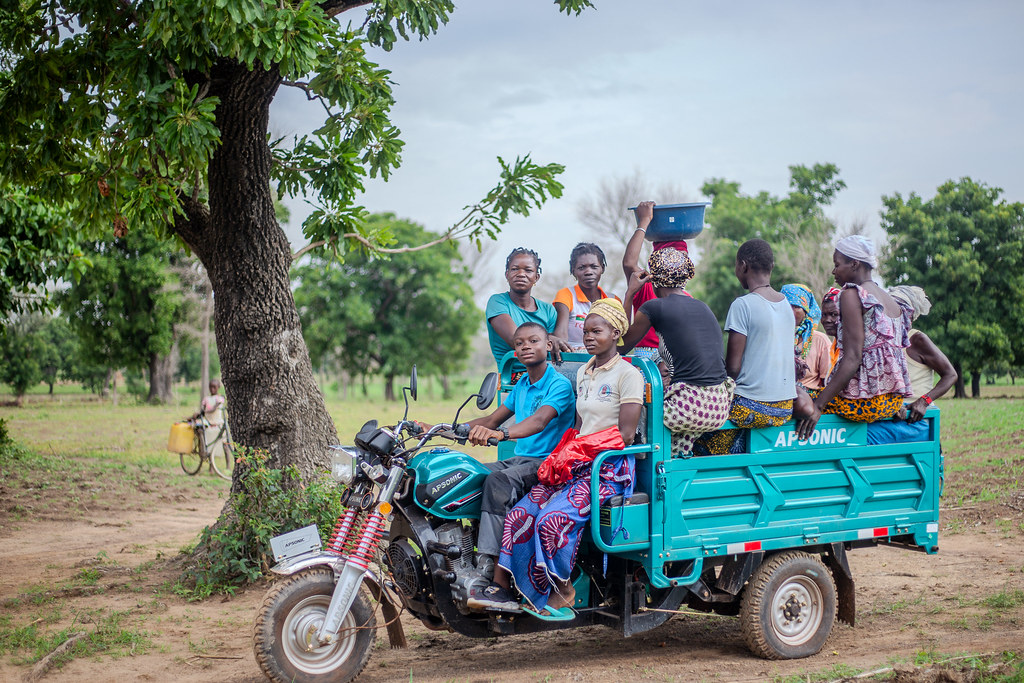
When Southern Africa experienced its third consecutive year of severe drought between 2015 and 2017, Bongani Simon Masuku — now Principal Secretary in Eswatini’s Ministry of Agriculture — saw firsthand how fragmented responses could deepen a crisis. As a longtime advocate for science-based policy and former Chair of the United Nations Convention to Combat Desertification (UNCCD) Committee on Science and Technology, Masuku recalls how the lack of coordination and shared learning left many countries struggling to respond effectively.Those hard lessons, nearly a decade old, laid the groundwork for more coordinated and inclusive approaches to drought management — culminating in a significant breakthrough at UNCCD COP16 in 2024.A turning point at COP16Officially launched at UNCCD COP16 in December 2024, the Communities of Learning and Practice on Drought Management (CLP) marked a step change in how countries approach drought.Supported under the Changwon Initiative, the CLP has grown into five regional and one global community: multilingual, interactive spaces for peer learning, co-creation and practical capacity-building.The CLP directly supports Land Degradation Neutrality (LDN) goals and offers a space where policymakers, scientists, youth leaders and local actors share strategies, challenges and successes.Why it mattersOnce seen as sporadic disasters, droughts are becoming a chronic threat. Since 2000, their frequency and intensity have risen by 29 per cent — and by 2050, three out of four people could face their impacts.Yet solutions often remain locked in silos, out of reach for those on the front lines. The CLP breaks those silos by enabling real-time collaboration and cross-regional exchange.Masuku emphasized the importance of reaching all decision-makers:“Knowledge is power. A platform for sharing information is a powerful tool — especially when it reaches those who might otherwise be left out. With the right knowledge, you can make the right decisions.”A living knowledge networkBuilding on earlier regional knowledge-sharing efforts, the CLP has grown rapidly since its launch in late 2024, bringing together over 300 members from across sectors and regions.It has held regional workshops and case clinics tackling both technical and policy challenges. Five global online exchanges have drawn 687 participants worldwide.The platform has published more than 300 multilingual resources — ranging from technical guides to policy briefs — and sparked new partnerships, helping countries co-create tools and strategies.The network is also turning the UNCCD Drought Toolbox into a dynamic, user-driven resource, shaped by field realities and continuous feedback.Voices of changeThe platform isn’t just for governments and experts. It’s opening doors for the next generation of land and climate leaders. Juliet Grace Luwedde, Global Coordinator of the UNCCD Youth Caucus, sees the CLP as an inclusive gateway:“It’s a great place for young people to start learning and connecting — people who can answer their questions and help them grow. No question is too small. It’s also a fantastic resource for young negotiators to build confidence and find their voice.”Tools that drive actionOne of the CLP’s most powerful features is its close link to the Drought Toolbox — a suite of tools for assessing risk, monitoring drought and designing early warning systems.Through the platform, these tools are made more user-friendly and widely accessible. Interactive offerings — from expert clinics and regional competitions to self-paced learning — ensure these tools lead to action, not just information.Looking aheadAs climate stress intensifies, the need for coordinated drought management is growing rapidly. The CLP is expanding to include more countries — particularly in drought-prone regions like the Sahel and the Horn of Africa — while adapting its tools to fit national priorities.Rooted in the spirit of the Changwon Initiative, the CLP fosters innovation, strengthens partnerships andscales solutions that bridge local realities with global goals. Continued collaboration is helping position it as a vital global hub — connecting knowledge, building capacity anddriving action where it’s needed most. A movement rooted in practiceThis is more than a platform. It’s a movement — one that turns collective knowledge into shared resilience. At its core is a simple but powerful idea: investing in people, not just policies, is what ensures no voice is left behind.Sustained support through the Changwon Initiative has helped make that idea real — enabling communities once excluded from critical discussions to take the lead. Today, they are not just included — they are equipped, connected and shaping global solutions from the center.Photo: © ILRI/Stevie Mann

In Kyrgyzstan, where steep mountains and deep valleys define both the landscape and daily life, land degradation and drought are no longer distant threats — they’re reshaping everyday reality. These slow-onset crises erode not just soil and biodiversity, but the livelihoods and resilience of rural communities whose well-being depends on healthy land.Today, nearly 1.9 million people — or 35.5 per cent of the population — are directly exposed to land degradation. In 2019 alone, 1.83 million hectares of land were classified as degraded, accounting for nearly one-tenth of Kyrgyzstan’s total land area.While many countries face similar threats, Kyrgyzstan’s high-altitude terrain and dependence on pastoralism make it particularly vulnerable. In recent years, climate variability has intensified pressure on natural resources, disrupting crop yields, altering grazing patterns and straining water supplies across rural areas.Between 2018 and 2021, the Greening Drylands Partnership (GDP) launched a major effort to restore Kyrgyzstan’s fragile landscapes. It aimed to breathe new life into degraded ecosystems, protect biodiversity and help communities adapt to a changing climate. But with mounting deforestation, shrinking grasslands and escalating climate impacts, the challenge proved anything but simple.The Changwon Initiative: A driving force for land restorationThe Changwon Initiative — a flagship programme of the Korea Forest Service and the UNCCD — helped turn restoration from vision to reality. It became a regional catalyst for action, supporting land restoration not only in Kyrgyzstan, but also across Eastern Europe and Central Asia, including Kazakhstan, Tajikistan, Belarus, Armenia and Mongolia.In Kyrgyzstan, the Changwon Initiative aligned restoration efforts with national environmental goals and long-term sustainability. It ensured that recovery initiatives were not isolated projects, but part of a broader, coordinated vision for change. By bringing together governments, non-governmental organizations and international partners, it laid the groundwork for meaningful, lasting action on the ground.Planting the seeds of changeFrom 2019 to 2022, one of the most impactful efforts under this partnership was a community-focused reforestation project supporting rural and forestry nurseries. The aim was both simple and ambitious: to plant trees, raise awareness and build skills that would last well beyond the project’s end.Four nurseries were established in the Chui and Talas regions, covering a total of eight hectares. They became home to a range of fruit and ornamental trees — not just to green the land, but to promote sustainable farming and land use.Farmers and forestry workers received practical training in nursery management, pest control and pruning — blending scientific techniques with local traditions.The project didn’t stop with adults. Twenty-four school-based nurseries were also created, inviting the next generation to become caretakers of the land. Young people across Kyrgyzstan engaged directly with their environment, taking part in reforestation — one sapling at a time.To expand impact beyond the project sites, a national UNCCD information center helped disseminate tools and insights across the country, while roundtables shaped new policy recommendations for sustainable land management.Tools for long-term restorationThe project went beyond planting trees. It provided communities with the tools to understand and protect their environment long after the initial phase ended. Risk assessment maps identified areas most vulnerable to land degradation. Restoration activities were aligned with national policies and embedded in the broader Land Degradation Neutrality (LDN) framework.Most importantly, people were placed at the center — not just involved but empowered. From farmers to students, local communities became stewards of their own recovery.While these efforts planted the seeds of progress, scaling up to achieve nationwide transformation is the next frontier. Moving beyond pilot projects will require sustained investment, stronger institutions and continued commitment from both governments and civil society. Sharing lessons regionally — from Mongolia to Belarus — will be key to ensuring success beyond borders.In countries like Belarus, restoration projects are already entering their second phase. Kyrgyzstan now stands ready to do the same — the foundation is solid, the knowledge is growing and community engagement is real. What’s needed next is a renewed investment in people, supportive policies and the natural systems that sustain life.A growing legacyWith support from the Changwon Initiative, Kyrgyzstan has taken meaningful steps toward restoring its land — and its future. Skills have been strengthened, forests are returning and a new understanding is taking root: land restoration is not only possible, but essential.Through strong partnerships and a shared commitment, Kyrgyzstan is proving that degraded land can recover — and that when the land heals, so do the communities that depend on it. Healthier ecosystems, more resilient livelihoods and a renewed bond between people and nature — this isn’t just an ideal. It’s a future already beginning to take shape.

Durante siglos, la vida de las personas ha estado ligada a la tierra y al agua: los pastores dependen de los pastizales y los agricultores del caudal de los ríos para regar sus campos. Estos paisajes han moldeado culturas, medios de vida y tradiciones en todo el mundo. Pero hoy en día, las presiones provocadas por el ser humano —el cambio climático, la degradación de tierral y la sequía— están destruyendo en pocos años lo que las comunidades han construido y protegido durante siglos. A nivel mundial, hasta el 40 % de la tierra está degradada, lo que pone en peligro a casi la mitad de la humanidad. Solo las sequías ya afectan a más de 1.800 millones de personas en todo el mundo, lo que somete a los sistemas hídricos a una presión sin precedentes. En conjunto, estas presiones amenazan no solo los ecosistemas y la biodiversidad, sino también la seguridad alimentaria, el suministro de agua y la estabilidad climática. En el Foro Mundial de la Alimentación 2025 (10-17 de octubre) celebrado en Roma, la Convención de las Naciones Unidas de Lucha contra la Desertificación (CNULD) se unió a la Organización de las Naciones Unidas para la Alimentación y la Agricultura (FAO) en dos diálogos con un mismo mensaje: la salud de las tierras y la gestión sostenible del agua deben ir de la mano. La sesión conjunta sobre los pueblos indígenas y los pastizales hizo hincapié en los derechos sobre la tierra y el valor cultural de estos ecosistemas. En el Diálogo de Roma sobre el Agua 2025, dirigido por la FAO, las comunidades compartieron cómo la restauración de los suelos y la protección del agua pueden garantizar las cosechas y ayudar a las familias a hacer frente al cambio climático. Al margen del Foro, la FAO y la CNULD renovaron su asociación para fortalecer la cooperación en materia de gestión sostenible de la tierra, el suelo y el agua. El memorando de entendimiento, firmado el 15 de octubre por el Director General de la FAO, Dr. QU Dongyu, y la Secretaria Ejecutiva de la CNULD, Dra. Yasmine Fouad, establece un marco conjunto para evitar, reducir y revertir la degradación de tierras y del suelo, mejorar la resiliencia a la sequía y promover soluciones integradas que vinculen la restauración de tierras, la transformación de los sistemas agroalimentarios y la acción climática. La asociación se llevará a cabo mediante un Plan de Acción Conjunto FAO-CNULD, que moviliza los conocimientos especializados de las redes institucionales y se ajusta a las prioridades tanto de la FAO como de la CNULD. El Plan de Acción se centra en tres áreas clave: apoyar el diálogo sobre políticas y el desarrollo de capacidades para combatir la degradación de tierras, fomentar la resiliencia frente a la sequía y promover enfoques basados en datos y el intercambio de conocimientos. Custodios de los pastizales del mundo Los pastizales cubren más de la mitad de la superficie terrestre y albergan un tercio de los puntos críticos de biodiversidad del planeta. Proporcionan medios de vida a 500 millones de personas y almacenan casi un tercio del carbono terrestre, lo que los hace fundamentales tanto para la estabilidad climática como para el patrimonio cultural. Sin embargo, las prácticas insostenibles y el cambio climático están llevando a muchos de estos ecosistemas a umbrales peligrosos. Para las personas que dependen de ellos, esta realidad se vive cada día. Los pastores recorren distancias más largas en busca de pastos. Los conocimientos ancestrales, transmitidos de generación en generación, se encuentran ahora amenazados. Las mujeres suelen ser las primeras en sentir estos impactos, ya que deben caminar más para obtener agua y combustible, y estirar las escasas cosechas para alimentar a sus hijos. Sin embargo, estas mismas comunidades también están liderando las soluciones. Las mujeres están revitalizando los suelos y protegiendo las semillas. Los pueblos indígenas están salvaguardando la gobernanza tradicional y los conocimientos ancestrales. Las comunidades locales se esfuerzan por mantener sus medios de vida dentro de sus propias familias. Los jóvenes aportan innovación para tender puentes entre la tradición y la tecnología. Su gestión demuestra que la restauración de los pastizales no solo es posible, sino que ofrece enormes oportunidades de recompensa para todos. «Proteger las tierras indígenas no es opcional: es una cuestión de supervivencia, dignidad y justicia», afirmó Yasmine Fouad, secretaria ejecutiva de la CNULD. «Los pueblos indígenas y los pastores son socios indispensables en nuestros esfuerzos globales». Aprovechando el impulso de la 16.ª sesión de la Conferencia de las Partes de la CNULD (COP16) celebrada en Riad, donde los países adoptaron la primera decisión global sobre pastizales y pastores y establecieron un Caucus de Pueblos Indígenas, los participantes en Roma pidieron que se reforzaran los derechos sobre la tierra, se reconociera la gobernanza tradicional y se garantizara la plena participación de las comunidades indígenas en la elaboración de políticas. Destacaron que la restauración de los pastizales no solo tiene que ver con la protección de los medios de vida, sino también con la absorción de carbono, la protección de las comunidades frente a las crisis climáticas y la salvaguarda de la biodiversidad. El agua como cultura, memoria y supervivencia El Diálogo de Roma sobre el Agua 2025, el foro insignia de la FAO sobre el agua y la agricultura, se hizo eco de la urgencia. Las sequías son ahora un tercio más frecuentes que en 2000 y ya le cuestan a la economía mundial más de 300.000 millones de dólares al año en múltiples sectores. La degradación de tierras y la sequía juntas suponen unos costes anuales de casi 900,000 millones de dólares. Si las tendencias actuales continúan, tres de cada cuatro personas en todo el mundo podrían enfrentarse a la sequía en 2050. Pero el agua no es solo un activo económico. Es cultura, memoria y supervivencia. Cuando los ríos se secan o los deltas se salinizan, las comunidades pierden no solo sus cosechas, sino también las historias, las canciones y las formas de vida vinculadas a ellas. Los sistemas terrestres e hídricos saludables nutren a las familias, regulan el clima y protegen la biodiversidad. Protegerlos significa defender tanto los medios de vida como la capacidad del planeta para sustentar la vida. En el Diálogo, la FAO, la CNULD y más de 80 socios presentaron soluciones desarrolladas a lo largo de décadas, desde el riego y la reducción del riesgo de desastres hasta la agricultura regenerativa, la restauración de humedales y el pastoreo sostenible. Las pruebas demuestran que cada dólar invertido genera entre 7 y 30 dólares de rendimiento en medios de vida, resiliencia climática, alimentos y ecosistemas. «El agua es vida. Pero el agua también es tierra, alimentos y paz», señaló Yasmine Fouad, de la CNULD. «Los sistemas alimentarios no pueden ser resilientes sin sistemas hídricos resilientes. Y los sistemas hídricos no pueden ser resilientes sin tierras saludables». Mensaje desde Roma Al término de los dos diálogos, los hilos de la tierra y el agua se habían entrelazado en un mensaje clave: las crisis no pueden resolverse de forma aislada. La restauración de los pastizales y la protección de los sistemas hídricos son dos caras de la misma moneda, esenciales para la alimentación, el clima y la paz. Como resumió la secretaria ejecutiva de la CNULD, Yasmine Fouad: «Gestionar el agua y los pastizales de forma sostenible para garantizar la seguridad alimentaria conlleva múltiples beneficios. La comunidad mundial avanzará en estos frentes en la COP 17 de la CNULD». Las reuniones también pusieron de relieve la importancia de la inclusión. Las mujeres, los pueblos indígenas y los jóvenes no solo se encuentran entre los más afectados, sino que también están a la vanguardia de las soluciones. Desde los pastores que restauran las praderas en el Sahel, hasta los jóvenes innovadores que diseñan herramientas climáticamente inteligentes, pasando por las mujeres que protegen las semillas y el patrimonio, su liderazgo ya está remodelando el futuro. La COP 17 de la CNULD en Mongolia y el Año Internacional de los Pastizales y los Pastores se están acercando. En este contexto, el mensaje de Roma es claro: las herramientas y los conocimientos existen; lo que se necesita ahora es la voluntad política para ampliarlos, protegiendo tanto los sistemas naturales que sustentan la vida como las culturas que les dan sentido.

Across Mexico’s rural and indigenous communities, land is more than a resource – it is central to daily life, food production and cultural identity. Yet for many – especially women and indigenous peoples – secure access to land remains out of reach.Over 70 per cent of Mexico’s land is at risk of degradation. At the same time, women – who produce more than half of the country’s food – own less than 30 per cent of farmland. This growing gap between those who care for the land and those who control it threatens sustainable land use. Without secure land rights, many are excluded from decisions that shape their environment and future.To tackle these challenges, Mexico launched a series of national consultations on land tenure and Land Degradation Neutrality (LDN). Designed to improve land governance systems, the consultations emphasized gender equality, indigenous rights and local perspectives as key pillars of the country’s LDN strategy.Held across several regions, they brought together 45 participants – 30 women and 15 men – including indigenous leaders from Chiapas, Oaxaca, Veracruz, Sonora and other states. Almost all of these leaders were women, who shared their experiences managing community lands and protecting ecosystems.The Changwon Initiative: Making inclusion possibleThe consultations were made possible in part by support from the Changwon Initiative – a programme of the Korea Forest Service and UNCCD – with additional backing from international partners. Funding through the Food and Agriculture Organization of the United Nations (FAO) helped cover key logistical costs, ensuring rural and indigenous voices could be heard.This support ensured that traditionally excluded groups – especially indigenous women from ejidos (communal lands) – were not only present, but central to the dialogue. Many shared firsthand stories about barriers to land inheritance, being sidelined in local decision-making and the urgent need to revive degraded soil and ecosystems.“Women living in the countryside are becoming the protagonists of social, political and economic change,” said Dr. Maribel Méndez de Lara, Magistrate of the Superior Agrarian Court. “Land ownership gives women legal protection, autonomy to make decisions and the ability to fully participate in their communities.”From dialogue to actionThe consultations generated concrete proposals, including a Strategic National Programme to regularize land rights for women and indigenous communities, legal guarantees of female representation in ejido decision-making bodies and greater integration of sustainable practices into collective land systems.Participants – particularly rural and indigenous women – gained skills through leadership training, project planning workshops and awareness campaigns that emphasized their right to land and participation in land governance. Government officials and policymakers also benefited, gaining a better understanding of how to design more inclusive land governance systems that truly reflect community needs.“There are 13.6 million women living in rural areas in Mexico,” said Dr. Beatriz Casas Arellanes, Director of Social and Political Participation for Equality of the National Women's Institute (INMUJERES),. “Many of them are already leading community life and preserving biodiversity. What they need is recognition and access to rights.”Innovative tools and approachesThe consultations were guided by a participatory approach developed under the UNCCD–FAO Joint Initiative and based on the Voluntary Guidelines on the Responsible Governance of Tenure (VGGT). Adapted to Mexico’s social and political context, this method ensured that rural leaders, women, government officials and international experts all had a voice.Gender-sensitive tools were used not just to include women, but to ensure their perspectives shaped the outcome.The Dialogue opened with a ceremonial offering called a Tlalmanalli, led by indigenous grandmothers. Made of flowers, seeds and traditional medicines, it served as a reminder that the Earth is alive – and its care, a shared responsibility.Participants also shared inspiring examples already underway, such as mobile legal clinics helping women resolve land disputes and forestry programmes advancing gender equality – small but meaningful signs of change.Lessons learned and the path forwardOne of the key lessons from the consultations is that long-term progress on land tenure requires consistent effort, strong coordination and engagement at all levels. Local and regional consultations – alongside national ones – proved essential for identifying the diverse challenges communities face across the country.Just as important was the finding that inclusive participation leads to better, more grounded solutions. When women, indigenous leaders and local actors are part of the process, outcomes are more relevant – and more likely to last.While the broader policy impact is still unfolding, the consultations helped establish a foundation for more inclusive land governance in Mexico. These conversations laid the groundwork for future strategies and reforms that reflect the realities of those who live and work on the land.Shaping the future of land rights and restorationThe Changwon Initiative played a pivotal role in making these consultations possible – not only by providing funding, but by championing inclusion as a core principle of land restoration. Its support helped ensure that rural and indigenous voices, especially those of women, were not just heard but helped shape the conversation.By backing this process, the Changwon Initiative demonstrated how targeted international cooperation can drive national progress – setting a global example for integrating land tenure security into LDN strategies.Thanks to this support, communities across Mexico now have stronger tools – and a stronger voice – to secure their land, protect their environment and build a more sustainable and inclusive future.

How the Changwon Initiative helped build the UNCCD Drought ToolboxDrought is no longer a rare or distant event. It is becoming one of the most serious and far-reaching challenges of our time. Since 2000, droughts have become 29 percent more frequent and intense. By 2050, as much as three-quarters of the world’s population could be affected.For millions of people, this means more than just dry weather — it means failed harvests, shrinking water supplies, rising food prices and displacement from their homes and livelihoods.But drought, unlike sudden disasters, offers a unique opportunity: it gives us time. And when time is used wisely, it can turn risk into readiness.From crisis to preparedness: The birth of the Drought ToolboxFaced with the growing impact of drought, the United Nations Convention to Combat Desertification (UNCCD) recognized the need for a shift — from reacting to crises after they hit, to preparing before they begin. This led to the creation of the Drought Toolbox: a science-based, globally accessible platform that helps countries and communities assess, monitor and reduce drought risk.Designed as a practical support tool, the Toolbox brings together resources for developing national drought plans, identifying vulnerable areas, setting up early warning systems and learning from real-world examples of drought resilience. Behind this comprehensive platform lies a key driver: the Changwon Initiative.The Changwon Initiative: Turning vision into actionLaunched by the Korea Forest Service in partnership with the UNCCD, the Changwon Initiative was instrumental in transforming the Drought Toolbox from concept to reality. Through targeted funding and technical support, the Initiative helped bring together global experts, institutions and local stakeholders to co-create the platform.Workshops convened with its support became spaces for cross-sector collaboration. Government agencies, scientists and land managers worked side by side to align methodologies, share regional knowledge and design an interface that could speak to both policymakers and practitioners. The result was not just a digital tool, but a living, evolving resource for drought resilience.When Tools Reach People: Global Examples of ImpactAcross the world, the Drought Toolbox is helping countries move from crisis response to long-term resilience — with real results on the ground. In Costa Rica, it became the foundation for a national workshop that brought together ministries, improved coordination and led to drought strategies based on shared data and clear priorities. In Andhra Pradesh, India, local leaders used the Toolbox to identify the most drought-prone areas, translating data into practical action — from installing rainwater harvesting systems to planting drought-resistant crops and training farmers to monitor conditions themselves.In South Africa, the Toolbox supported the integration of early warning systems into land-use and agricultural planning, enabling farmers to adopt more sustainable practices and authorities to act on forecasts before droughts took their toll. Meanwhile, in Central Asia, countries facing similar climate pressures used the platform to harmonize monitoring efforts and coordinate their responses — showing how regional cooperation can strengthen resilience across borders.Collaboration is keyOne of the most important lessons from the Toolbox’s creation is that preparedness is not just technical — it’s collaborative. The platform draws from the expertise of partners such as the Food and Agriculture Organization of the United Nations (FAO), the World Meteorological Organization (WMO), the United Nations Environment Programme (UNEP) and the International Center for Agricultural Research in the Dry Areas (ICARDA), and grounds that knowledge in the real-life experiences of those facing drought on a daily basis.This spirit of collaboration also sparked the development of complementary tools like the Sand and Dust Storms (SDS) Toolbox, recognizing the interconnectedness of climate risks, land degradation and human health.A lasting legacyThe Changwon Initiative did more than fund a product. It helped shape a process that placed accessibility, usability and inclusivity at the heart of drought preparedness. Thanks to this investment, the Drought Toolbox has become a vital global asset — used by countries, institutions and communities to plan ahead and protect what matters most.As droughts grow more frequent and complex, the need for practical, integrated solutions becomes more urgent. The Drought Toolbox — born of international collaboration and local insight — shows us what’s possible when we choose to act before crisis hits.It is a reminder that while we cannot stop the rain from disappearing, we can prepare wisely for its absence — and that preparation begins not with fear, but with the right tools in the right hands.
