News & stories

Latest


About UNCCD Land Heroes The UNCCD Land Heroes campaign recognizes and supports young individuals and youth-led/based organizations making positive impacts against desertification, land degradation, and drought. Through online engagement, we raise awareness, share success stories, and empower youth as change agents in sustainable land management, engaging them in implementing the convention. Building on the success of the inaugural 2020 cohort, the second cohort of Land Heroes continues to inspire and mobilize youth to promote the UNCCD's objectives. About the Land Heroes campaign Part of the Land for Life Programme, #LandHeroes showcases youth's dedication to sustainable land management. These organizations and individuals share transformative journeys through social media, videos, blogs, and our dedicated website, amplifying their contributions and recognizing both young men and women as critical forces for positive change. Join us in celebrating these remarkable land champions. Objective The Land Heroes campaign aims to identify, celebrate, and support youth aged 18-35 engaged in sustainable land management, raising awareness of land's link to biodiversity and climate. By sharing stories, we inspire change, unite youth, provide mentorship, and showcase the transformative power of collective efforts. Campaign goals Raise awareness of land's connection to biodiversity and climate Spotlight diverse ways youth positively impact the land Share inspiring stories showcasing collective progress Empower youth to spread campaign messages and take action Provide mentorship in sustainable land management Share success stories to foster understanding and awareness Categories of Land Heroes Drought resilience: Early warning systems: Implementing proactive measures to anticipate and respond to drought conditions effectively. Mitigating the effects of drought: Innovative strategies for drought impact mitigation and ensure water availability. Adopting scalable and inclusive approaches: Promoting strategies that can be expanded to larger scales and inclusive of vulnerable populations to enhance drought resilience. Land restoration: Large-scale land restoration: Leadership in restoring degraded land on a large scale, contributing to ecosystem restoration and biodiversity conservation. Community-level land restoration: Impactful initiatives restoring degraded land at the community level, enhancing livelihoods and resilience. Inclusivity and equality: Gender equality and women's empowerment: Initiatives promoting gender equality in land ownership, decision-making, and conservation efforts Social equity: Initiatives promoting poverty eradication, social cohesion, etc. Indigenous knowledge: Amplifying indigenous knowledge and practices, recognizing their vital role in sustainable land management Science and innovation: Innovation: Innovative approaches in sustainable land management Technology: Harnessing technology for land monitoring, data analysis, and knowledge-sharing on sustainable practices Science and research: Contributions to scientific research and evidence-based decision-making in land management Key features of Land Heroes Youth engagement (18-35) in addressing land challenges Role models inspiring peers through dedication Inspirational leadership mobilizing youth for collective responsibility Passionate and dedicated to combating desertification and degradation Vision for change: Clear understanding and innovative strategies Collaboration with stakeholders for effective partnerships Strong communication: Effective online presence to inspire action Benefits for Land Heroes Grant of US$1,000 for top finalists in each category Attendance at high-level UNCCD meetings Publicity and recognition through interviews, media, and social platforms Mentorship for leadership, communication, and project management Opportunities to support UNCCD through advocacy, workshops, and content creation Participation in challenges and innovation forums Coordination with other Land Heroes for workshops and collaborative projects Identification of Land Heroes Ten Land Heroes are selected over two years based on criteria aligned with categories. Timeline Deadline extended: 29 February 2024 June 2024: Desertification and Drought Day December 2024: Participation in COP16 Meet the current cohort: Land Heroes Follow Us on social media: Twitter X | Facebook | Instagram | LinkedIn

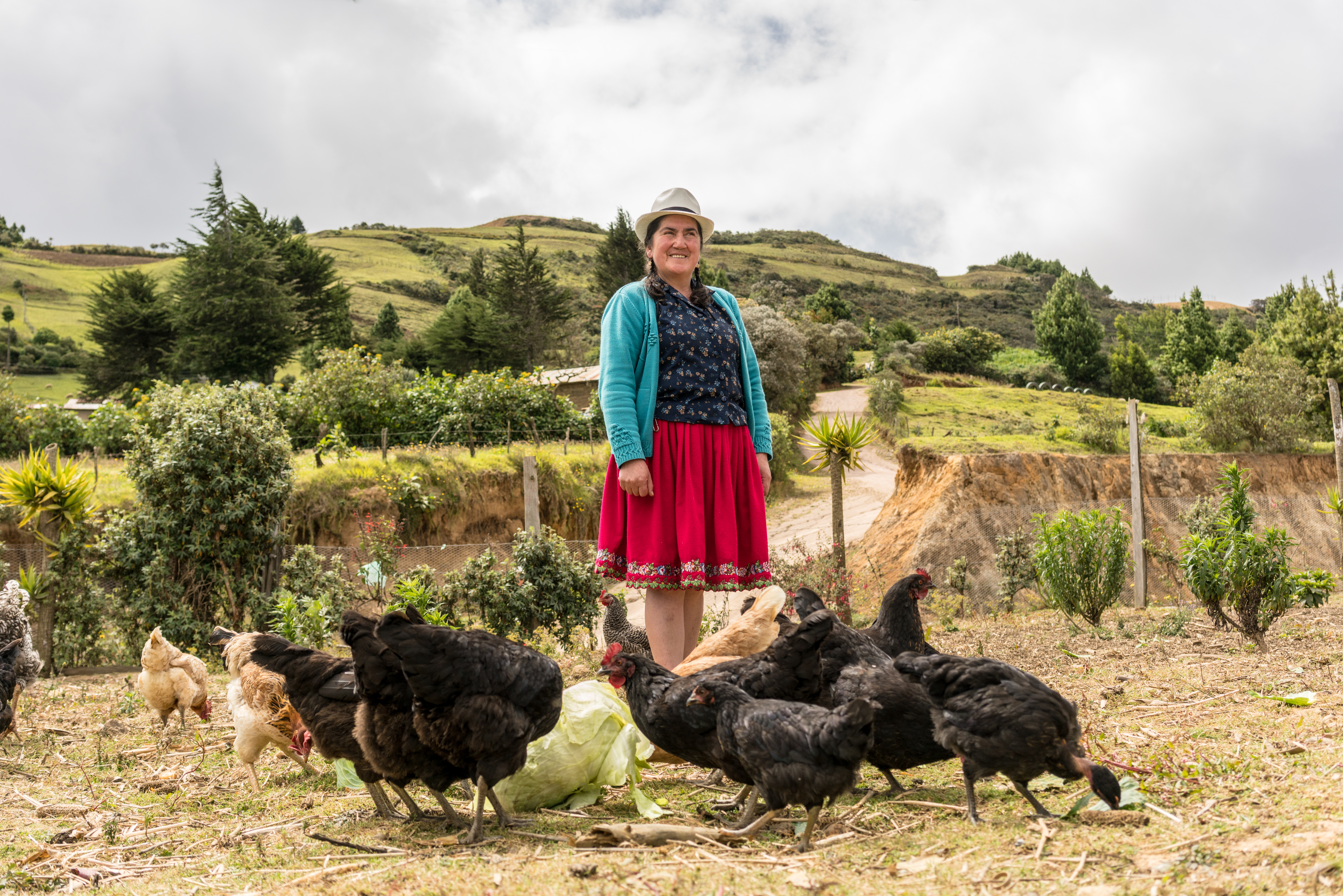
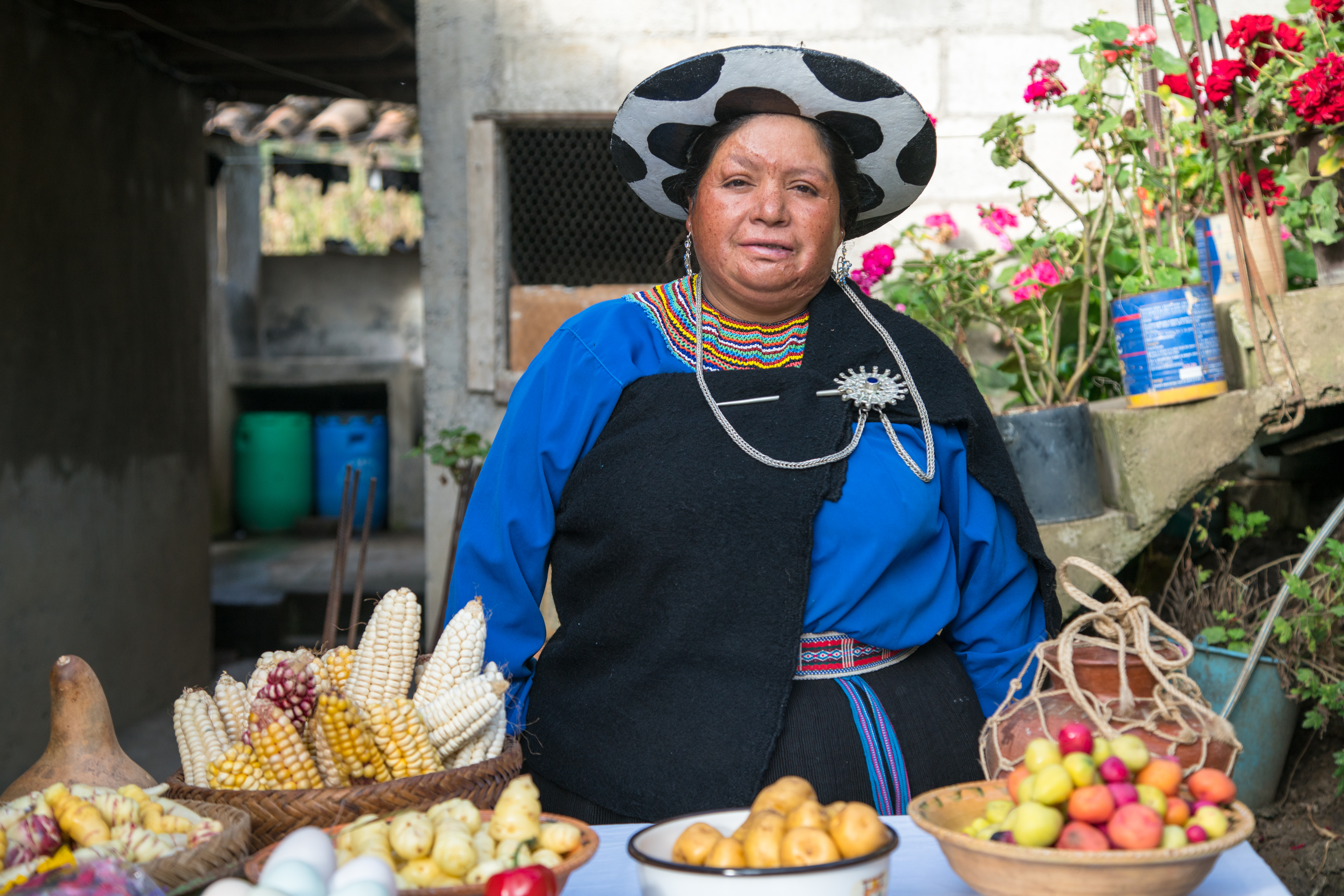
UNCCD and FAO are collaborating in a joint initiative to identify the most innovative and effective women-led initiatives.

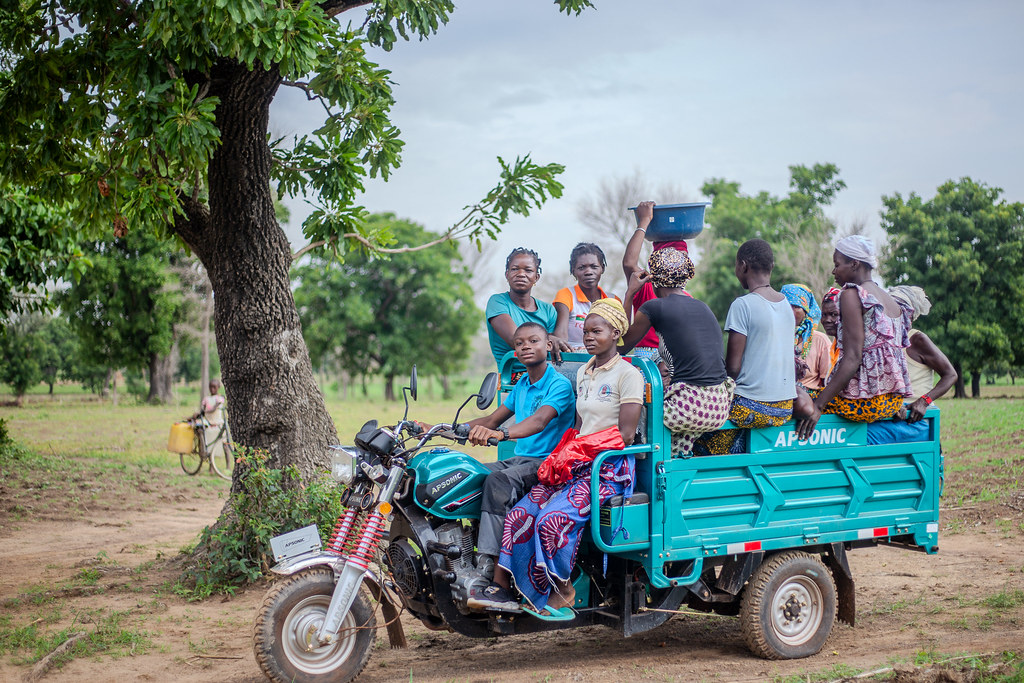
Together KenGrow, Flux, Hiveonline and CYNK will deliver digital infrastructure alongside new regenerative agriculture techniques to increase climate finance inclusion for Kenyan women in rural communities. Dubai, December 2023. CYNK, a leading climate finance platform founded in Nairobi, Kenya, announces a new partnership with KenGrow and the United Nations Convention to Combat Desertification (UNCCD) to provide funding and expertise to women smallholder farmers in emerging economies. The first climate smart regenerative agriculture project, based in Kisumu, Kenya, will see CYNK teaming up with KenGrow, a foundation that builds bridges between communities within Kenya and Flux, an organisation specialised in Enhanced Rock Weathering (ERW), headquartered in Nairobi. Leveraging Hiveonline’s digital community finance platform KenGrow members will have access to financial inclusion tools that give women greater control of their finances. CYNK's cutting-edge technology is set to empower women members of the KenGrow group in rural communities through a groundbreaking UNCCD Climate Smart Agriculture project. This partnership unlocks a triple win: increased income, climate resilience, and digital inclusion. Women farmers will generate additional income by sequestering carbon on their farms and earning carbon credit revenue streams via CYNK's platform. This reduces their reliance on expensive synthetic fertilizers, further boosting their profits and yields. Additionally, CYNK's virtual training empowers them to adopt innovative, nature-positive farming techniques, specifically tailored to the cyclical nature and seasonality of agriculture. This builds resilience and paves the way for long-term success. The Kisumu-based project will combine Flux’s pioneering regenerative agriculture technique, with KenGrow’s networking and training opportunities. Flux reduces the overreliance on synthetic fertilizers by providing a natural soil health improver in the form of volcanic rock powders. This technique has the potential to sequester up to 5 gigatons of CO2 per year globally. It will support the socio-economic development of 2,000 Kenyan women in grassroots rural and peri-urban communities. Sudhu Arumugam, CEO at CYNK, commented: “We are proud to partner with these prestigious organisations to provide female smallholder farmers an opportunity to enhance their farming expertise and generate additional revenue streams via our carbon credit platform. It is critical to deploy scalable technology like regenerative agriculture to promote women’s financial resilience, protect soils relied upon by local communities and contribute to global climate goals.” Louise Baker, Managing Director of the Global Mechanism at UNCCD, added: “We are excited to launch our Climate Smart Agriculture project in partnership with KenGrow and CYNK. It is clear that female smallholder farmers need to be at the forefront of climate action - this program will strengthen their capacity to apply positive agricultural and climate resilient practices. Investing in women’s access to funding and expertise is not only a question of justice but a commitment to the prosperity of our lands.” For media inquiries contact London Tristan Peniston-Bird, Portland Communications +44 7772 031 886, Tristan.Peniston-Bird@Portland-Communications.com Pauline Guenot, Portland Communications +44 7379 068 832, Pauline.Guenot@Portland-Communications.com Nairobi Joel Chacha, Portland Communications +254 722 909 251, Joel.Chacha@Portland-Communications.com About CYNK CYNK is an end-to-end platform that covers the lifecycle of a carbon or biodiversity credit. From origination, financing and secondary trading of carbon, CYNK is a one-stop platform for the origination of high-integrity credits with fully immutable audit trails of digital Monitoring Reporting and Verification (dMRV) via blockchains. https://www.CYNK.io

Open from 18 May to 15 August 2023, a call for requests to support national multi-stakeholder consultations on integrating tenure security into LDN and land restoration initiatives elicited over 30 applications. Global, regional, and national staff from the UNCCD and FAO conducted an assessment and evaluation of all applications. Based on the established selection criteria and taking into consideration regional balance and current availability of funds, the following were selected as part of the first group of countries to receive support to undertake national consultations on land tenure: Kazakhstan, Kenya, Mexico, Senegal, and Sri Lanka. The UNCCD, FAO, and partners in the joint initiative look forward to working closely with the 5 selected countries in 2024 and supporting their efforts to enhance tenure security as both a means and outcome of LDN activities and a broad range of regenerative land-based projects and programmes. UNCCD-FAO staff are developing a longer-term plan to support additional national consultations to countries that have applied as resources become available. In parallel, the UNCCD and FAO are engaging with partners and ongoing projects and programmes to identify opportunities for co-funding and leveraging synergies to support additional national consultations in 2024.
By Zohra (20) from Sudan via UNICEF Middle East and North Africa Regional Office I've got a story that needs to be heard. Imagine waking up to the realities of climate change daily. That's our life here. Imagine the heaviest rain you've ever seen. Now imagine it wreaking havoc on your home, your community. That was our June last year. 161,000 of us were affected; unfortunately, most were my fellow sisters and friends. And beyond the immediate threats like food insecurity, more lurked in the shadows, like increased malnutrition. Flooding isn't new to us, but this... it was something we hadn’t seen for decades. Over 15,000 homes were washed away. But it’s not just about bricks and mortar. For many girls, this disaster meant a pause in education, and sadly, a heightened risk of early marriages and facing violence at home. For our friends relying on farming, particularly in places like Al-Manqal, the floods hit them hard. Picture this: 2,900 acres of farmland underwater. That’s like someone swiping away your entire year's allowance! And, ugh, the power outages that followed? Let’s just say candlelit dinners lost their charm real fast. Regions like Kassala Sennar, North Darfur, South Kordofan, and the White Nile were the epicentres of this disaster. Already wrestling with past conflicts, climate change just turned up the heat on their challenges. And approximately 6,500 children don’t have a school to return to. We need to act, like, yesterday. Clean water supplies are a must to kick out water-borne diseases. And we need to get some educational supplies for the flood-hit zones. It's a race against time and every little help matters. It’s a tug-of-war between increasing conflicts, massive displacements, and an ever-growing fight for resources. Climate change is just fanning the flames. But together, we can make a difference. Let's stop this cycle before it spirals out of control.

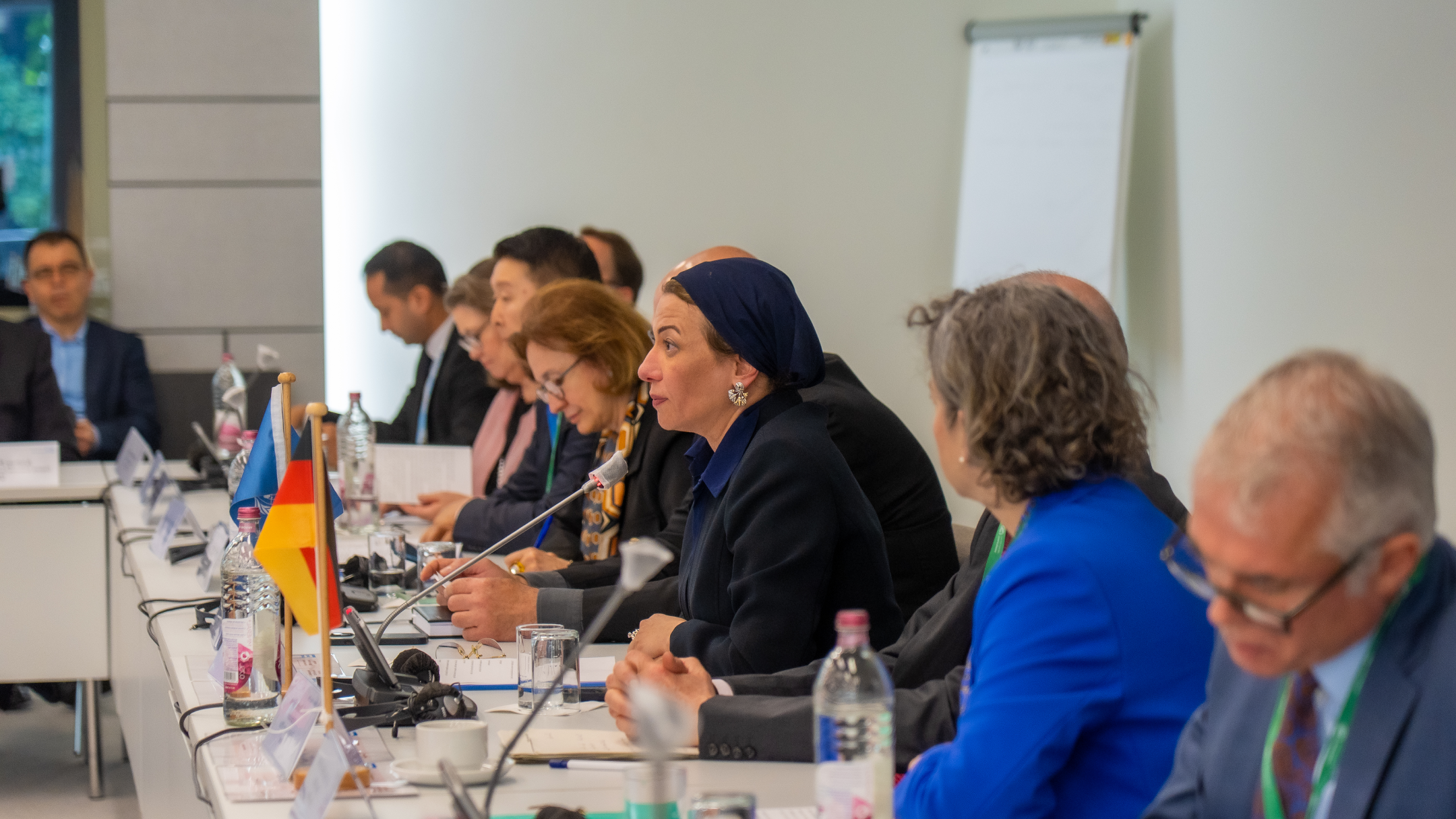
UNCCD has an unwavering commitment to advancing gender equality and women’s empowerment, based on decisions taken by our Parties. This commitment is expressed in our Gender Action Plan, in implementation since 2014. At our COP15 held in Abidjan in 2022, a Gender Road Map to accelerate implementation of our Gender Action Plan was also approved, to ensure that we pick up the pace towards transformative change. We have established a Gender Caucus comprised of country champions, selected UN agencies and CSO partners, to provide expert guidance on how to focus our strategies on gender issues in drought, land degradation and desertification. The Gender Caucus is convened at each CRIC and UNCCD COP. Established at COP14, the Gender Caucus has proven to be an effective platform to advance gender related conversations within the Convention. A strong Gender Caucus can contribute more meaningfully to the work of the Parties and help to effectively accelerate implementation of the Gender Action Plan. In its official statement from its 19th session, the Committee for the Review of Implementation of the Convention (CRIC 19/5) noted that “the Gender Caucus proved to be an excellent tool to increase gender-aware action among delegates and should be continued.” The principal objective of the multi-stakeholder Gender Caucus is to provide support to strengthen the gender responsiveness of the policy and programme agenda and initiatives of the UNCCD as outlined in the approved Gender Action Plan. Support the acceleration of the implementation of the UNCCD Gender Action Plan (GAP) at the international and country level for all Annexes. Assist in identification of bottlenecks to GAP implementation at the international, country and local level Serve as a platform for exchange of gender expertise, information, training and tools among UNCCD stakeholders interested in gender issues and the UNCCD Secretariat During CRIC21 – to be held in Samarkand, Uzbekistan, in November 2023 – two sessions of the Gender Caucus will be held. All Parties are cordially invited and encouraged to attend these sessions: Gender Caucus session 1: 14 November, 13:00 to 15:00, location TBD Opening words by UNCCD Executive Secretary or Deputy Executive Secretary Overview of Gender Action Plan and Gender Road Map Review and discussion of CRIC Recommendations to optimize gender phrasing Gender Caucus session 2: 16 November, 13:00 to 15:00 hours Panel led by FAO: “How can we utilize local knowledge and women's empowerment to create more drought-resilient dryland forests and silvopastoral ecosystems?” Final review and discussion of CRIC recommendations
