News & stories

Latest
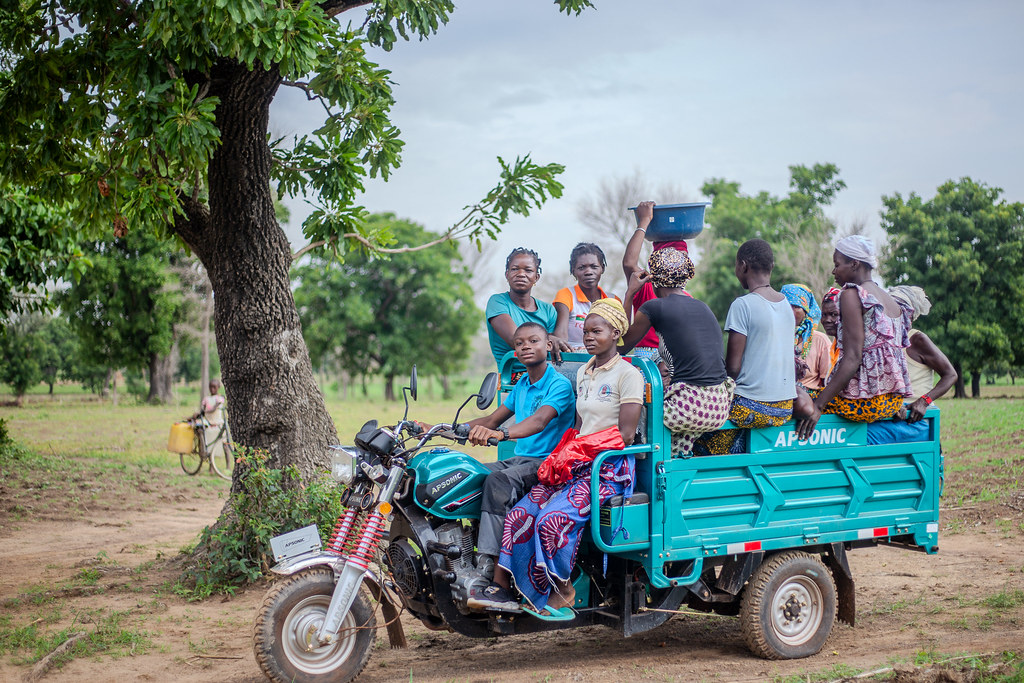
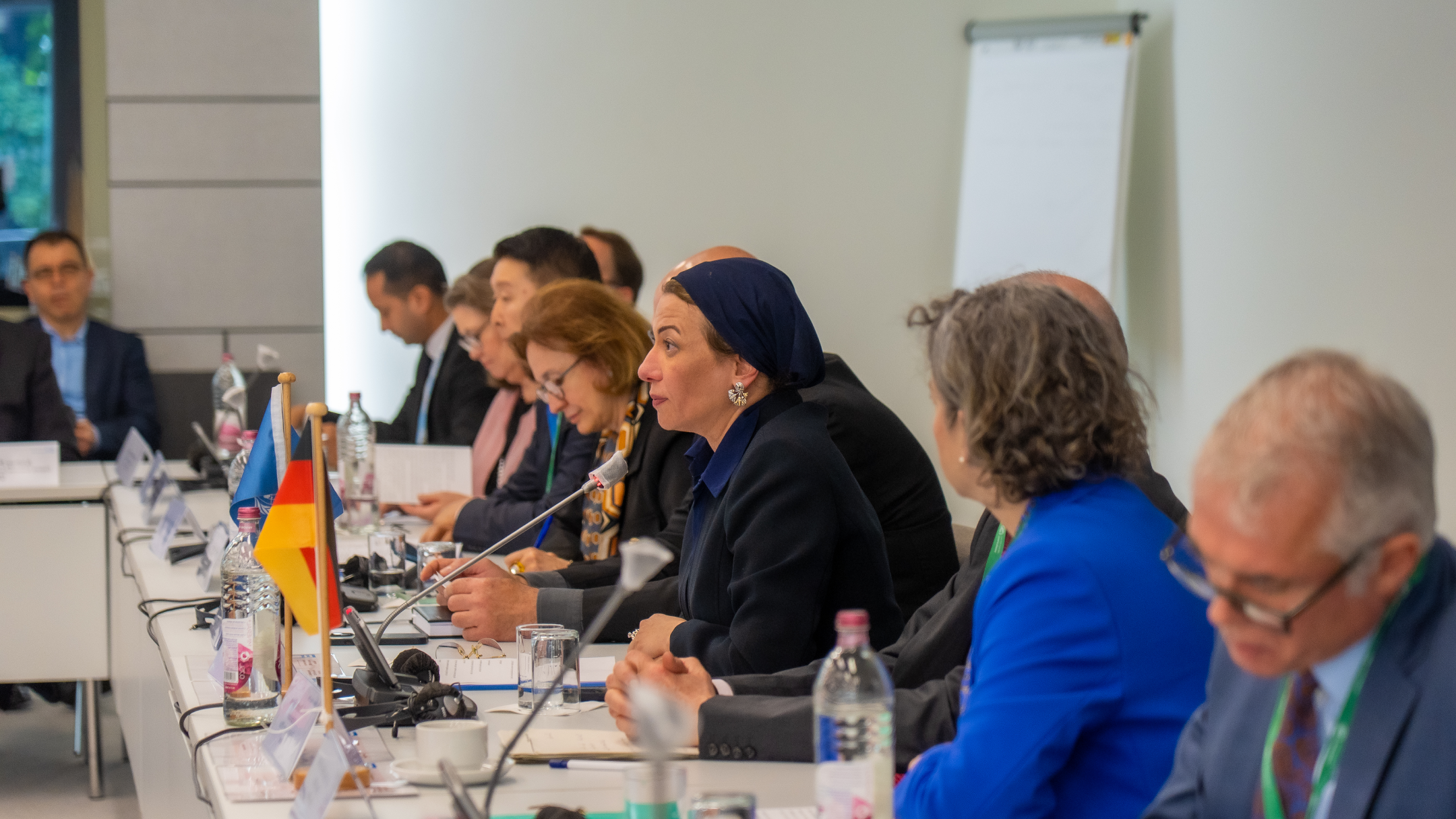


Disruptive financial innovations and technologies can play a key role in advancing global efforts to address desertification, land degradation and drought while delivering greater opportunities for agricultural producers and national economies. Many financial solutions already exist, but they are often unevenly implemented or not widely available. Close to one-third of adults – 1.7 billion about half of whom were women – still did not have access to financial services in 2017, according to the latest Findex data. Financial inclusion is also instrumental to the secure disbursement of funds by donors as well as to the operation of civil society organizations, especially in remote rural areas. It is an enabler of eight of the seventeen Sustainable Development Goals and is a key tool for achieving gender equality and empowering women financially. A new report "Financial and digital inclusion for last mile payments: Trends, sustainable land use and disruptive financial service options," published by the Global Mechanism of UNCCD, explores the range of elements that make up financial inclusion and last-mile payments, and can significantly contribute to addressing the challenges of land degradation and drought while empowering the most vulnerable and underserved populations, specifically women and youth. Mobile banking and payments provide affordable and convenient access to financial services, especially in rural areas, while carbon credits can create incentives for landholders and farmers adopting sustainable land management practices to combat land degradation and desertification. The report provides successful examples of innovative financial solutions and technologies that can be scaled up to support new business models and generate economic benefits while restoring soil health, reducing land degradation, preventing forced migration, improving food security, protecting biodiversity and supporting climate resilience.

The United Nations Convention to Combat Desertification (UNCCD) is proud to announce that Baaba Maal and Inna Modja have been appointed as its Goodwill Ambassadors.

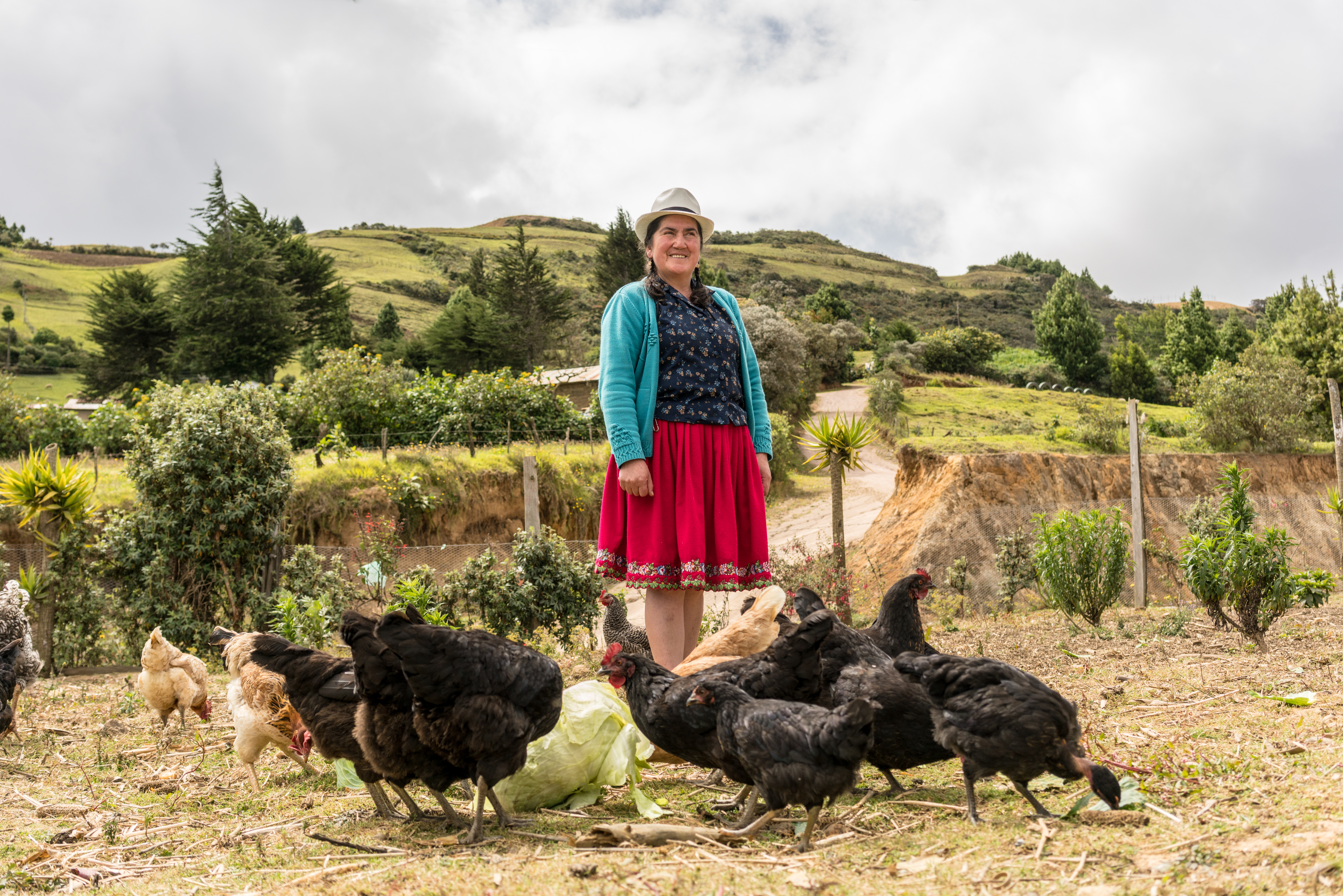
Under the theme “Her Land. Her Rights,” the focus of this year’s Desertification and Drought Day, marked worldwide on 17 June, is on women’s land rights as a key element of achieving the connected global goals of gender equality and land degradation neutrality by 2030. While land is the most critical economic resource for most rural poor, women around the world are less likely to own or control land than men, which exposes them to poverty, hunger, gender-based violence and displacement. “Women are major actors in the global efforts to reduce and reverse land degradation. They restore land, they protect land, they cherish, nourish and care for the land, while also caring for others. However, in the vast majority of countries, women have unequal and limited access to and control over land. We cannot achieve land degradation neutrality without gender equality, and we cannot exclude half the population from land management decisions because of their gender." – Ibrahim Thiaw, UNCCD Executive Secretary Investing in women’s equal access to land and associated assets is a direct investment in their future and the future of humanity. UNCCD will reaffirm its commitment to gender equality with these Desertification and Drought Day 2023 objectives: Raise awareness of the disproportionate impact of desertification, land degradation and drought on women and girls and the barriers they face in decision-making on land issues Highlight women's contributions to sustainable land management and broader SDGs Mobilize global support to advance land rights for women and girls around the world “Solving gender inequalities is not just the right thing to do. If we ensure that women are fully able to use their abilities, knowledge, talents, and leadership potential, our societies are simply better off.” – Former President of Finland, Tarja Halonen UNCCD Land Ambassador This year’s global observance of Desertification and Drought Day will be held at the United Nations Headquarters in New York, with events taking place in all parts of the world. Together with UN partners, civil society activists and influencers, we are launching the campaign #HerLand to recognize excellence and leadership in sustainable land management by women and girls; amplify the voices of women and girls living on the frontlines of desertification, land degradation and drought and call to action for stronger women’s leadership and decision-making power to advocate for issues affecting women in the context of desertification, land degradation and drought. You too can lend your support by reaching out to your communities and advocating the key role of gender equality in empowering women and girls to be at the forefront of global land restoration and drought resilience efforts. We invite you to discover more and join: https://www.unccd.int/land-and-life/gender/herland

A new study by the United Nations Convention to Combat Desertification (UNCCD) reveals that gender inequalities are pervasive when it comes to land, and that securing women’s rights is imperative to achieve the intertwined global goals on gender equality and land degradation neutrality by the 2030 deadline. As emphasized by UNCCD Executive Secretary Ibrahim Thiaw, “Women are major actors in the global efforts to reduce and reverse land degradation. They restore land, they protect land, they cherish, nourish and care for the land, while also caring for others. However, in the vast majority of countries, women have unequal and limited access to and control over land. We cannot achieve land degradation neutrality without gender equality, and we cannot exclude half the population from land management decisions because of their gender." The new study titled “The Differentiated Impacts of Desertification, Land Degradation and Drought on Women and Men” showcases how and to what extent desertification, land degradation, and drought raze the life and livelihoods of women and girls. The study advocates that gender inequalities should be addressed as part of biodiversity conservation, land restoration, adaptation, and mitigation of climate change. It also emphasizes the importance of efforts to transition to an inclusive and regenerative green economy, especially in the post-pandemic world. “Gender continues to be one of the world’s strongest markers of disadvantage. Like all crises, the ongoing environmental crisis caused by land degradation, desertification, and drought has a more severe impact on women than men. Women and girls are doubly affected—first by the crisis itself and further by enduring repercussions specific to women’s lives, which we should tackle as an equal priority,” says the study lead author Lorena Aguilar. The study shows that land degradation, desertification, and drought have a more severe impact on women than men and offers lessons on the changes needed to address gender inequalities in land access and tenure. Based on extensive literature research, expert interviews, data analysis and case studies from 55 countries, the study provides compelling evidence that without swift action, legal systems that promote equal land ownership might fail to harness the most needed transformative power of half of the global population. Gender equality remains unfinished business The study clearly shows that gender equality remains an unfinished business in every region of the world. The non-recognition of women as farmers, lack of land ownership, the restricted access to resources, technology, education, and training, as well as limited participation in decision making continue to be main barriers preventing women and girls to thrive and prosper. In many countries, women have unequal and limited opportunities to access or own or inherit land in their name. For instance, discrimination against women’s rights to own, use and control land and non-land assets was found in over two-thirds of the countries in the East Asia and the Pacific region. In the Middle East and North Africa only 4% of women hold land titles. In sub-Saharan Africa, women represent half of the agricultural workforce but only 18% of agricultural holders. Even in countries where women have the same legal rights as men to own and access land – as is the case in Costa Rica – only 15.6% of farm ownership is in the hands of women. While strengthening women’s land rights enables better protection of ecosystems and benefits household incomes, food security, children’s education and health, women’s rights to inherit their husband’s property continue to be denied in 102 countries under customary, religious, or traditional laws and practices, and disinheritance of the surviving spouse still occurs in 96 countries. The fact that it doesn't have to be that way and that change is possible is demonstrated by the advocacy campaign called “I want my inheritance” in Egypt. The campaign aimed to promote women’s rights to inheritance through raising the community’s awareness and mobilizing local relevant actors in Sohag. At the end of the advocacy campaign, 100 Christian and Muslim public figures and community leaders had promoted women’s rights to inheritance. In addition, 87 conflicts were settled amicably, 26 cases were referred to the courts and 10 women obtained their inheritance (they became role models encouraging other women to claim their rights). Furthermore, 17 Members of Parliament representing Sohag Governorate advocated a reform of the law to increase sanctions against those who deprive women of their inheritance rights. “I am the last one to eat” Women and other disadvantaged groups are more susceptible to climate shocks due to the lack of diversification of their assets, as well as less access to resources to cope with and recover from the damages. Once again, not having land titles that can be used as collateral, or the lack of secure tenure, hinder women’s access to loans and credit and limit their access to extension services and technology rendering drought preparedness to a real steeplechase for women and their families. Globally, women already spend a collective 200 million hours every day collecting water. Droughts tend to increase the burden of unpaid care and domestic work shouldered by women and girls. When droughts become full-fledged disasters, women bear the primary responsibility for the family’s daily survival, even during natural disasters. Not only, that the result of “caring for others” is expressed partly by standing in line and waiting for water, walking, and carrying water long distances, women often tent to eat less or adjusting portions of food. In rural Latin America, women use the expression “I am the last one to eat” highlighting the dire common practice in many societies to distribute food according to sex, age and status. Under this system, males usually get served first, followed by boys, then girls, and lastly, the women. Despite these stark realities, women continue to push the needle for change. Bhungroo a women-led irrigation system developed by Indian women farmers that relies on rainwater harvesting. A water management system injects and stores excess rainfall underground and lifts it out for use during dry spells. The system serves more than 18,000 impoverished farmers (with over 96,000 dependent family members) and is a fully women-driven process. Advancing global gender and land restoration goals “Effectively facing the interconnected challenges of land degradation, biodiversity loss and climate change requires profound structural changes. It is crucial to recognize that resolving gender inequalities is not only a matter of righting a wrong but also a significant opportunity to use previously underused and under-recognized abilities, knowledge, and talents,” UNCCD Executive Secretary Thiaw adds. UNCCD has a long track record in placing gender equality firmly at the core of its mandate as a vital catalyst of progress. By adopting the Gender Action Plan back in 2017, Parties to the Convention already acknowledged the specific role of women in land restoration and sustainable land management, as well as the importance of gender equality as a guiding principle in all policies and decisions associated to the fulfillment of the objectives of the Convention. At the UNCCD COP15 in Abidjan, Côte d’Ivoire, in May 2022, the Convention’s 197 Parties called for improving women’s involvement in land management as important enablers for effective land restoration, by addressing commonly encountered land tenure challenges by people in vulnerable situations, and collecting gender-disaggregated data on the impacts of desertification, land degradation and drought.

Before investing in land degradation neutrality projects and other restoration efforts, it is vital to document the land rights of those living in the targeted areas.

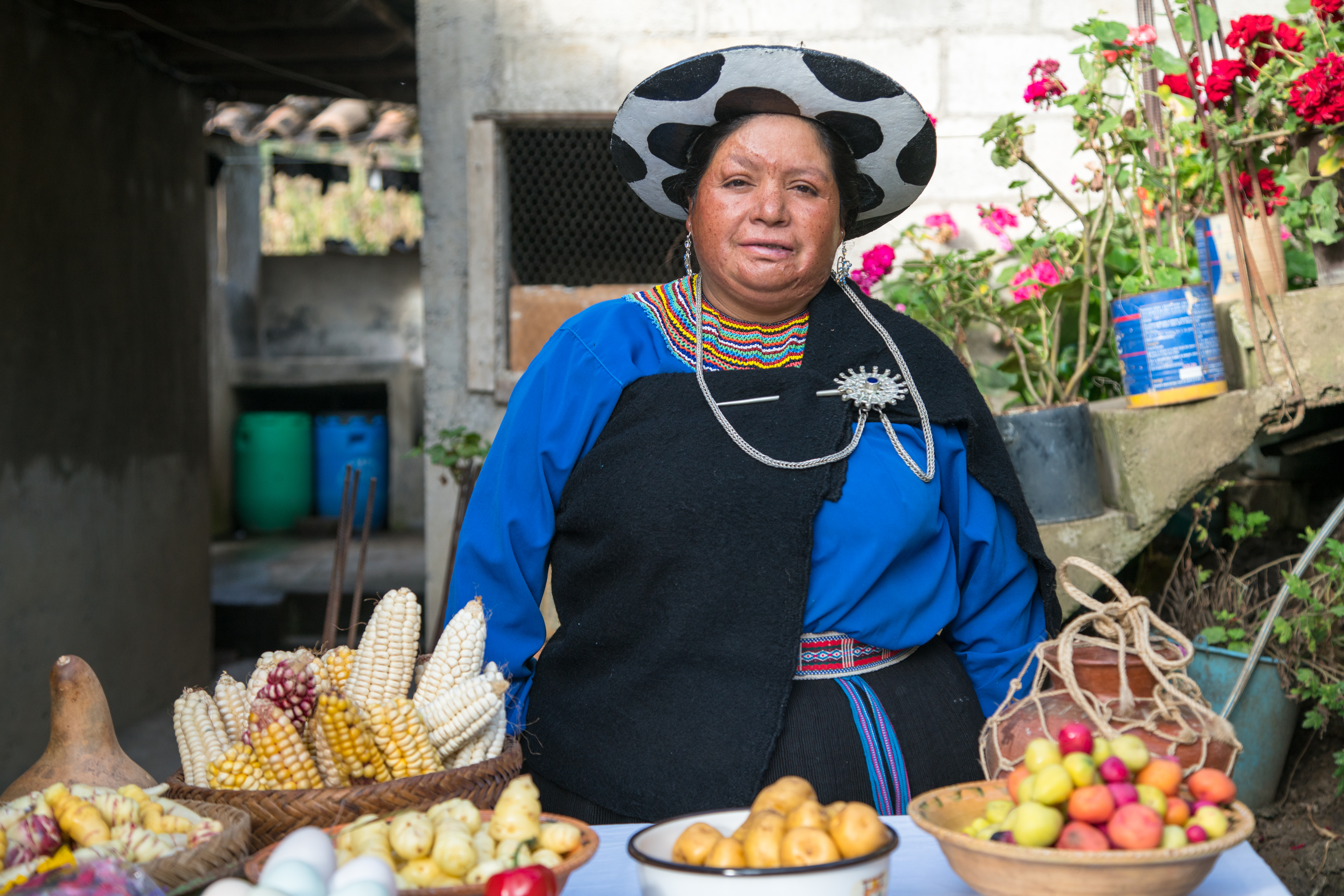
To highlight the crucial role of women as agents of change for sustainable land management during recent UNCCD COP15, the UNCCD Secretariat collected original and exceptional photos to showcase promising practices which demonstrate women’s leadership and innovation in adapting to land degradation, desertification and drought. Efforts to combat and address land degradation, desertification, and droughts require a more thorough understanding of human rights and gender equality considerations. Numerous studies and experiences worldwide have confirmed that gender inequalities must be addressed as part of biodiversity conservation, land restoration, adaptation and mitigation to climate change, and efforts to transition to an inclusive and regenerative green economy, especially after the pandemic. Land degradation and desertification action can thus reinforce or exacerbate inequalities—or intentionally aim to overcome and transform them, for the resilience of all people. The UNCCD emphasizes that both men and women must be active participants at all levels in programs to combat desertification and mitigate the effects of drought. Resolving gender inequalities is not only a matter of “righting a wrong” but also a significant opportunity to make use of women’s often under-recognized abilities, knowledge, talents, and leadership. Photos highlighting good practices that demonstrated role of women as agents of change for sustainable land management have been submitted by civil society organizations (national and international), indigenous peoples’ organizations, women organizations, foundations, UN entities and other relevant actors. The accompanying stories outline the promising practice featured in the photo, and present the impact of the initiative or project for promoting women’s empowerment and gender equality in the context of land degradation, desertification, and drought. You can find the highlights of the exhibition under "documents" menu on the right. Photo: (c) www.migdev.org
