News & stories

Latest
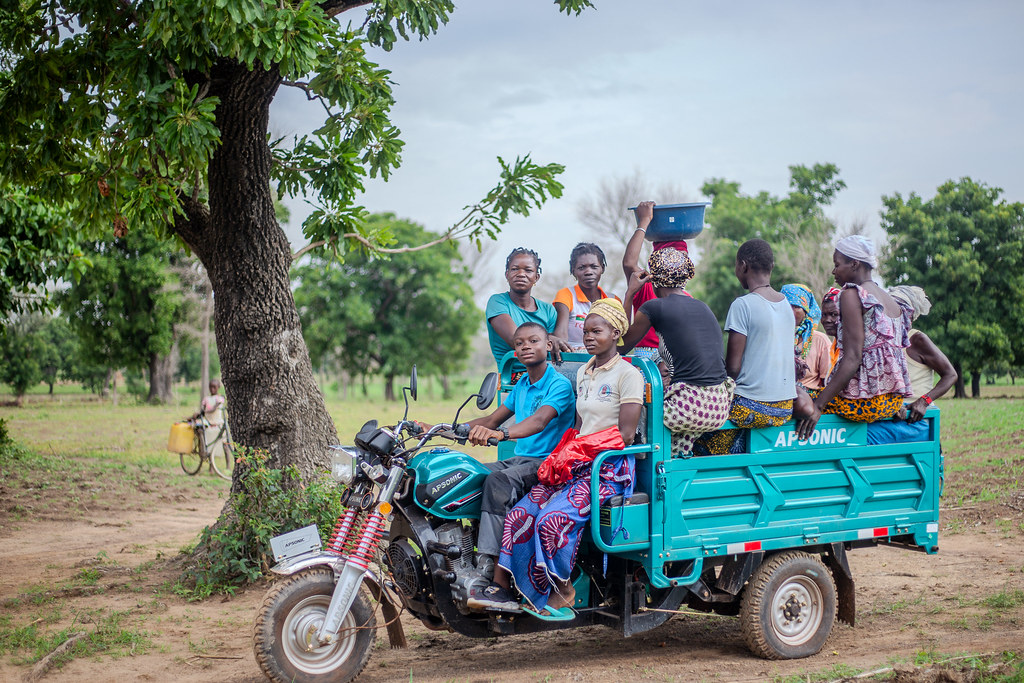
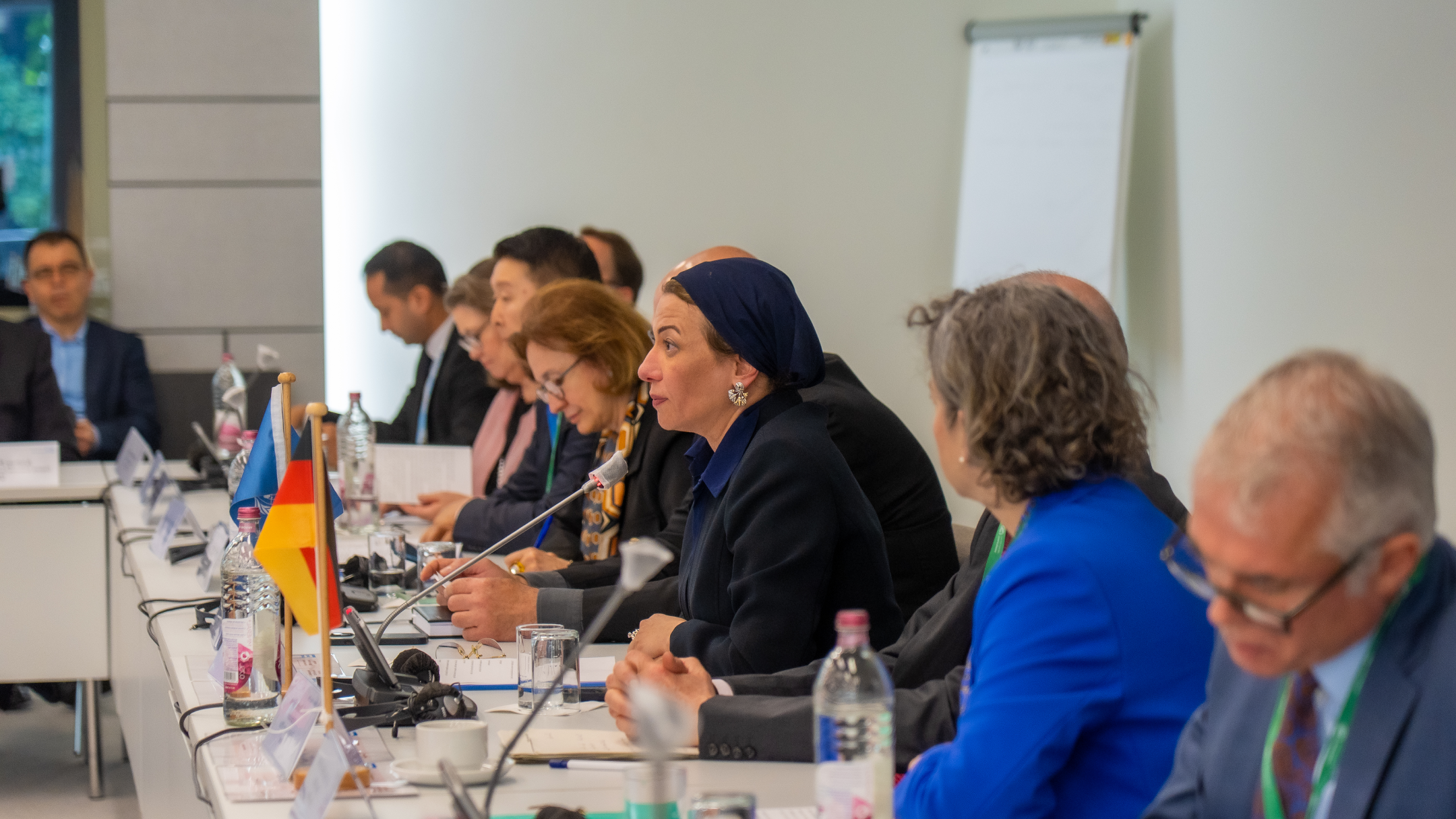


As rich in culture, music and inspired people as the Sahel itself, the UNCCD event at Expo Dubai 2020 “Spotlight on Africa | Spotlighting the Sahel: Climate-Resilient Solutions towards achieving Food Security” marked a big step toward changing the world’s perception of the region. Rather than an area hindered by civil unrest and economic turmoil, the positive narrative of the Sahel’s showcases its potential: the abundance of natural resources, infinite deposits of renewable energy and the youngest population in the world. Along with a strong momentum for positive change, Sahel faces major development challenges, including the pressing need to adapt to changing climate and create opportunities for the new generation. In his opening remarks, the UNCCD Executive Secretary Ibrahim Thiaw highlighted that the potential of the Sahel to overcome these hurdles lies in the abundant resources including vast landscapes waiting to be restored to productivity. Sahel’s natural endowments offer immense potential for economic diversification, value-chain development and livelihoods. And its population is the youngest in the world – a challenge that can be turned into an opportunity. — UNCCD Executive Secretary Ibrahim Thiaw The event at Dubai Expo placed youth, women and smallholder farmers, herders and social entrepreneurs at the center of the conversation on the challenges and opportunities facing the Sahel. It featured initiatives that are accelerating socio-economic growth and enabling shared prosperity in the Sahel, such as Great Green Wall, to find solutions to address food security and climate change in the Sahel, including in implementing the Agenda 2030. Reflecting on the progress of the Great Green Wall Initiative, the participants agreed that it has far surpassed its initial vision of planting trees, becoming a platform that translates positive thinking into actions. The restoration of 20 million hectares of land in the Sahel, creation of 350,000 jobs, training of 10 million people on sustainable ways to manage the land and water and subsequent mobilization of nearly 20 billion hectares to move forward has inspired action at the local level. Harnessing indigenous knowledge and creating diversified value chains have been emphasized as essential to supporting the future progress of the initiative. The event showcased successful green entrepreneurs, many of them young women, who are convinced that in the Sahel, all the opportunities the youth needs exist at home. From agroforestry to producing eco-friendly coffee alternatives, the Sahel is awaiting young hands to revive the land, mine its “green gold,” drive climate action and achieve zero hunger. Performances of Sahelian visual and music artists, including the Malian singer and UNCCD Land Ambassador Inna Modja, have also made the event very memorable. Inna shared what motivated her to travel along the Great Green Wall and meet with communities engaged in land restoration: “I am awed by the ambition of the project and what it can achieve. The Great Green Wall is the future. We sow the seeds in this lifetime, so that the future generations can reap the harvest.” The event was co-organized by UNCCD and the African Union in association with the United Arab Emirates Ministry of the Environment and Climate Change. Learn more: Watch the recording Land and the Sustainable Development Goals Achieving Land Degradation Neutrality Great Green Wall Accelerator

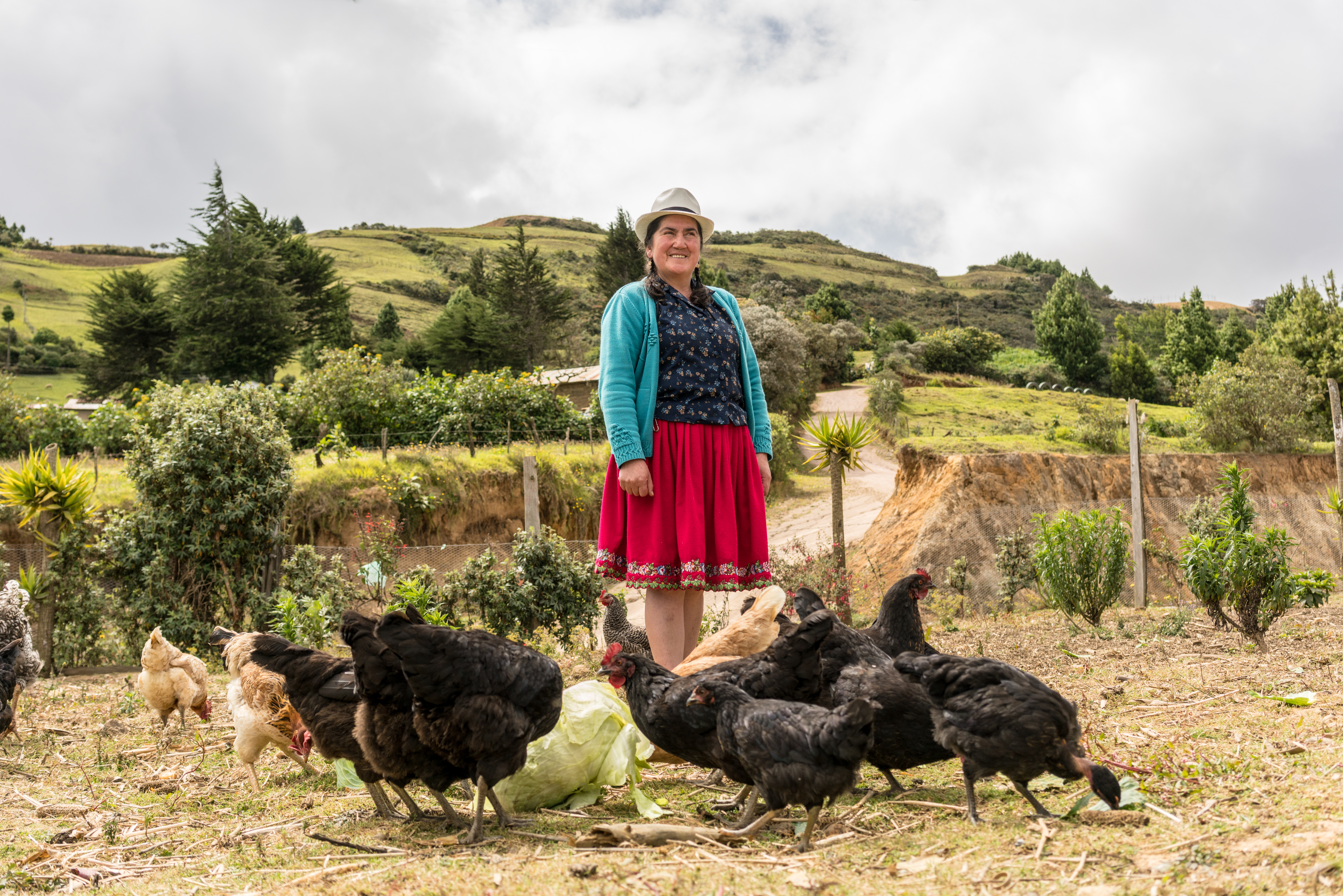
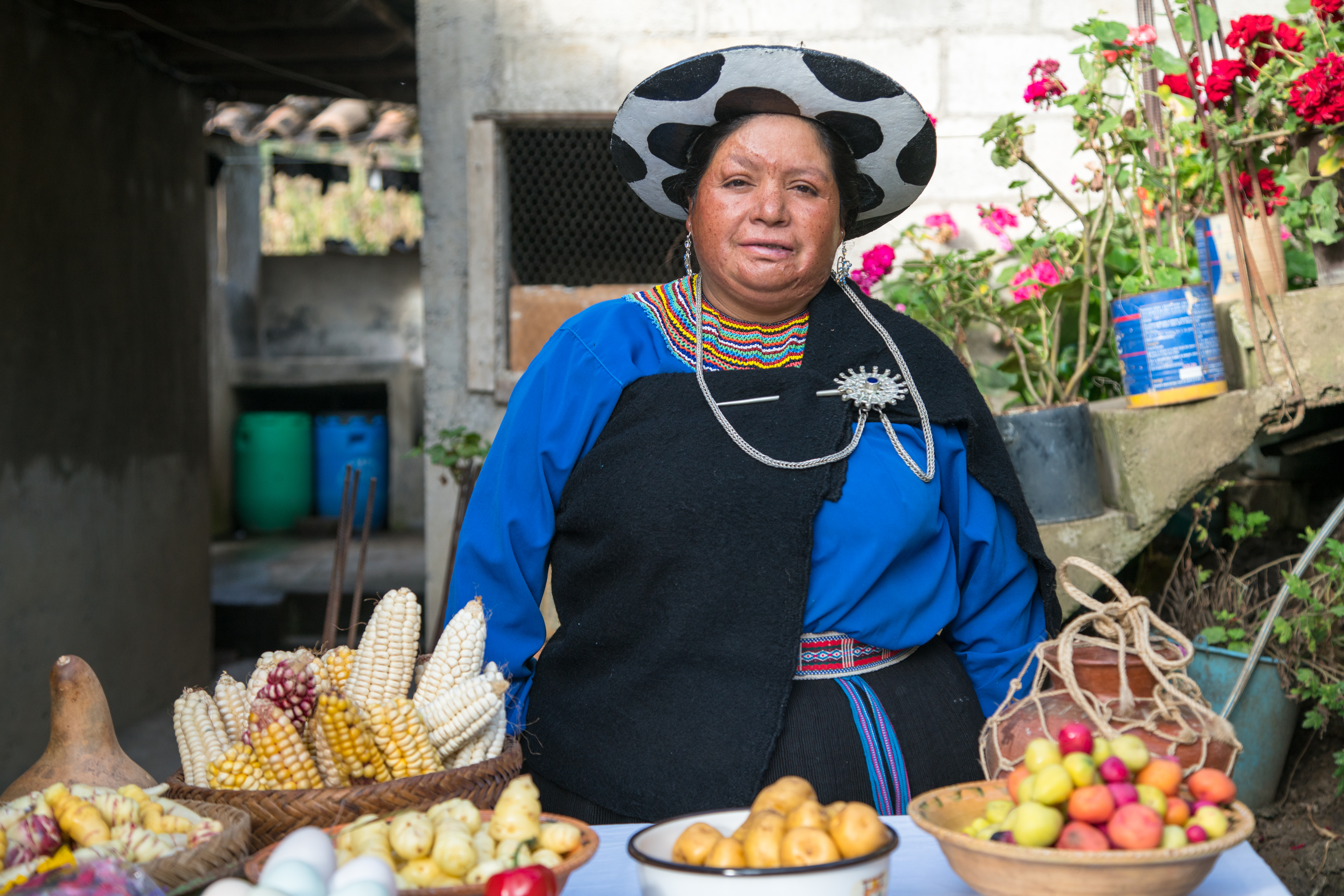
This is a Call for Content by the United Nations Convention to Combat Desertification - Capacity Development and Innovations Office (UNCCD-CDIO) for people to show the world the voices of the women. It is part of a new project being developed by the CDIO called “Women and the UNCCD". The UNCCD Secretariat invites women of the world to be part of the project, which aims inter alia to tell the stories of women’s tremendous contributions to the successful implementation of the Convention thus far. Whether you work on a farm, in a village, in a school, at the sub-regional, regional or international levels to help promote the message and implement the actions to Support Sustainable Land Management. You have a story to tell, and lessons to teach. The world is waiting to hear and to learn from you! The United Nations Convention to Combat Desertification wants to give a face and a voice to all women who gave their hearts and souls to reverse desertification through the “Women’s Project”. If you are (or know) one of them, send us a video, an artwork, an essay, or audio telling your story! Show us how you work to combat desertification by including a description of yourself, together with a visual representation of your efforts. We look forward to hearing from you. On this year's, International women's day, we are releasing a new website. Check out this latest video by the amazing girls from St Vincent and the Grenadines to know more: To follow the social media updates using the hashtag #womenandunccd Eligibility of participants Participation in the Call is FREE! Participation in the Call means an agreement to the Call Rules. All entries must be original works produced by the participant. The UNCCD reserves the right to modify the original video such as, but not limited to include the corporative elements of the UNCCD or modify the length. Submissions must not include any endorsements of products or services, or any obscene, violent, racist, religious intolerance, or defamatory content. Submission process Send your video to cdioprojects@unccd.int including the title of the video and your name and country. Stay tuned, your video will most likely be shown to the world soon. Contact: If participants have any questions or comments or if they need assistance, they should send an email to cdioprojects@unccd.int

Since its inception, the UNCCD has held a firm mandate on the involvement of women in policy planning and decision-making at the local, national, and regional levels. The Convention stresses the importance of ensuring the full participation of both men and women at all levels in programs to combat desertification and to mitigate the effects of drought.

The latest episode of the 'Inside UN Bonn' podcast, released on 2 February, features the Malian musician and UNCCD Land Ambassador Inna Modja who talks about her work for the Great Green Wall (GGW) Initiative. "We're growing new lungs for the planet" – this is how Inna describes the GGW Initiative that aims to restore Africa’s degraded landscapes, fight the climate crisis and transform millions of lives. Inna says that her passion for the project reflects in all her work – as a musician, visual artist and women's right advocate. It also inspires her to explore new outlets to generate support for the GGW. In collaboration with other digital artists, she recently launched a charitable non-fungible token (NFT) art drop to help finance women-led land restoration solutions in the Sahel. The podcast is available on Spotify | Google podcasts | Apple podcasts Read more: Great Green Wall initiative Land and gender Land and climate UNCCD Land Ambassadors Charitable NFT event will fund women-led solutions along the Great Green Wall

Women and climate is the focus of a new charitable non-fungible token (NFT) art drop, launched 21 January on the margins of the World Economic Forum’s digital edition of Davos. It will land on the pioneering marketplace SuperRare, featuring digital artwork inspired by the interlinked challenges of gender equality and climate justice. This carbon-net negative event is a collaboration between the climate tech non-profit Code Green co-founded by UNCCD Land Ambassador Inna Modja and the World of Women NFT collection that unites female artists to celebrate women’s diversity and power. Inna says she was inspired to create this auction by her experience traveling along the Great Green Wall — an African-led initiative growing an 8000-km green corridor across the continent to improve the lives of millions of women on the frontline of climate change. "Being from Mali, I have seen with my own eyes that women and girls disproportionately bear the brunt of the global climate emergency. They are the main stewards of natural resources like land, making up 80 per cent of the agricultural workforce. Through absolutely no fault of their own, climate change is destroying their livelihoods and sparking widespread food insecurity, mass migration and conflict. The Great Green Wall is a powerful solution that can help empower women to take charge of their own destinies." — Inna Modja Inna contributed some of her own artwork to the Women and Climate charitable NFT drop that will channel 70 per cent of all proceeds to women-led land restoration solutions along the Great Green Wall. Image: Twin Mamas by Inna Modja Read more: Great Green Wall initiative Land and gender UNCCD Land Ambassadors NFT community supports climate action, sustainably

Enhancing knowledge on the differentiated impacts of land degradation, desertification and drought on women and men With a view to strengthening gender-related knowledge, the United Nations Convention to Combat Desertification (UNCCD) secretariat is currently conducting a "Study on the differentiated impacts of land degradation, desertification, and drought on women and men." The study aims to address the socio-economic dimensions of land degradation and desertification with a gender lens and document existing practices. In line with objective 4 of the UNCCD Gender Action Plan, this study will also contribute to developing a baseline on gender-related issues in land degradation and desertification. It builds on the efforts of the UNCCD Parties to produce gender-related knowledge and sex-disaggregated data on matters relevant to the Convention. The Secretariat seeks to collect cases studies and promising practices from Convention Parties, international organizations, civil society organizations (national and international), indigenous peoples’ organizations, academia, and other relevant actors on 5 different topics: Information and data on differentiated gender roles in the communities fighting land degradation, desertification, and drought. How women and men experience changes in environmental conditions, in particular land degradation, desertification, and drought. How land degradation affects women’s empowerment (including participation, economic empowerment, health, mobility, access to and use of resources, access to social services). How land degradation exacerbates the socio-economic vulnerability of specific groups of women. How gender is mainstreamed in national policies related to desertification and land degradation. Transformative actions taken by governments at the national level to ensure that women and men benefit equally from policies and programs addressing land degradation, desertification, and drought. Case studies submitted in English, French, or Spanish will be reviewed and collated, and the Secretariat may follow up to gather further information on individual projects or case studies. Case studies should be sent by 1 December 2021 to the following address: gender@unccd.int .You can also contact us at this address in case you have any questions. Download the questionnaire: PDF | WORD Read more: UNCCD Gender Action Plan Land tenure
