News & stories

Latest
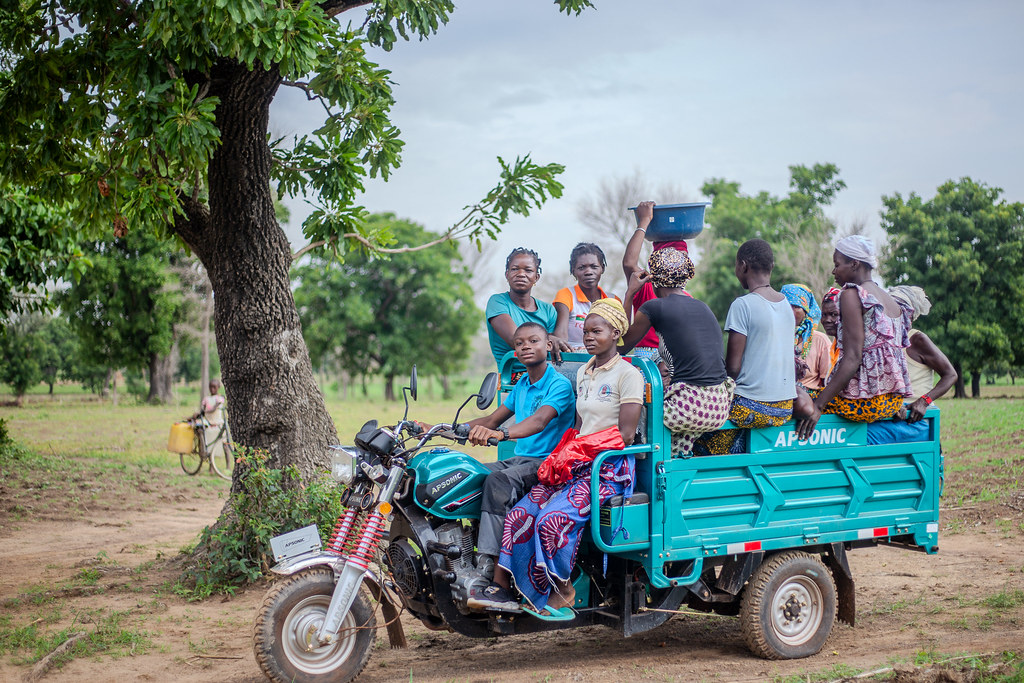
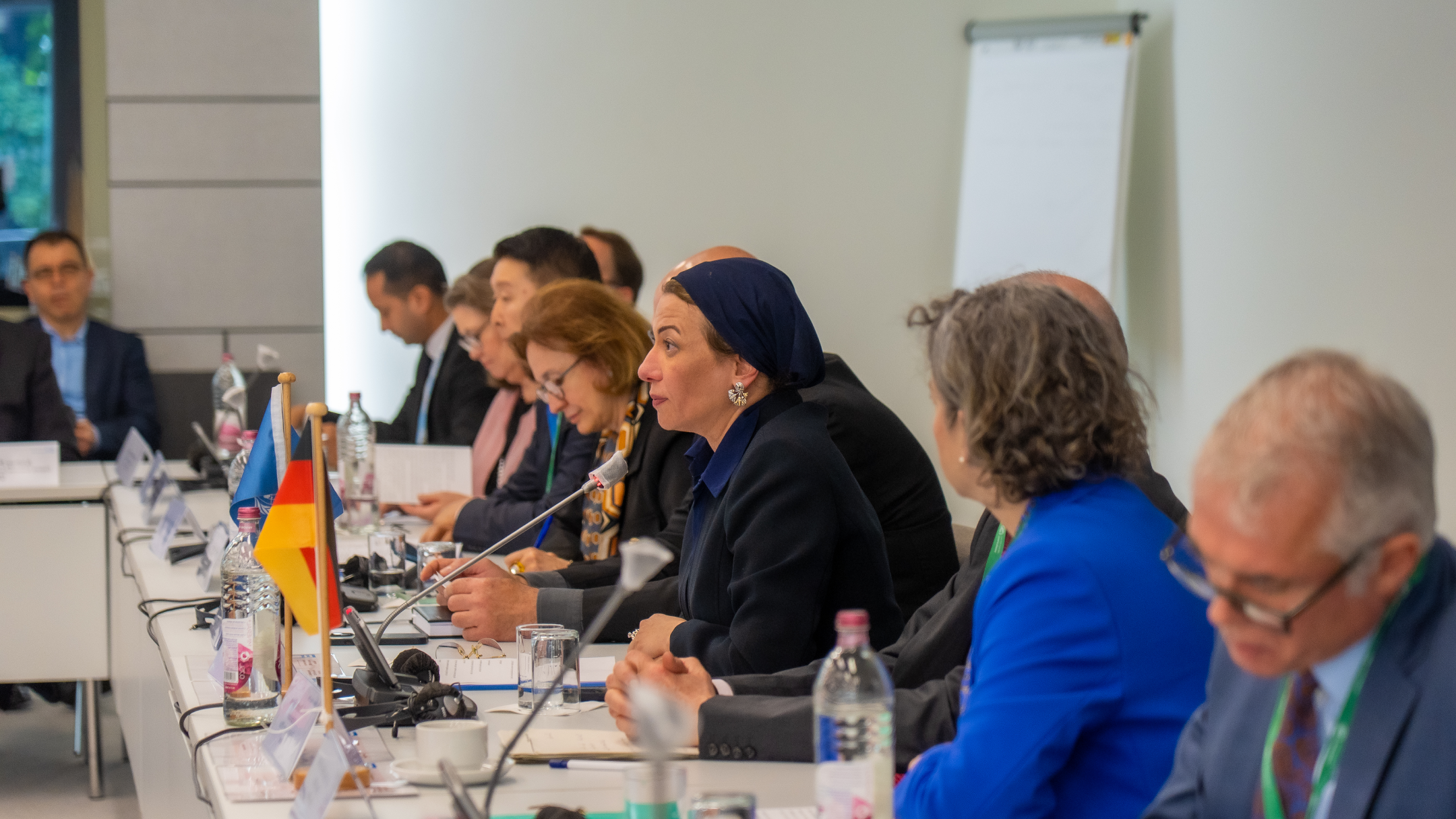
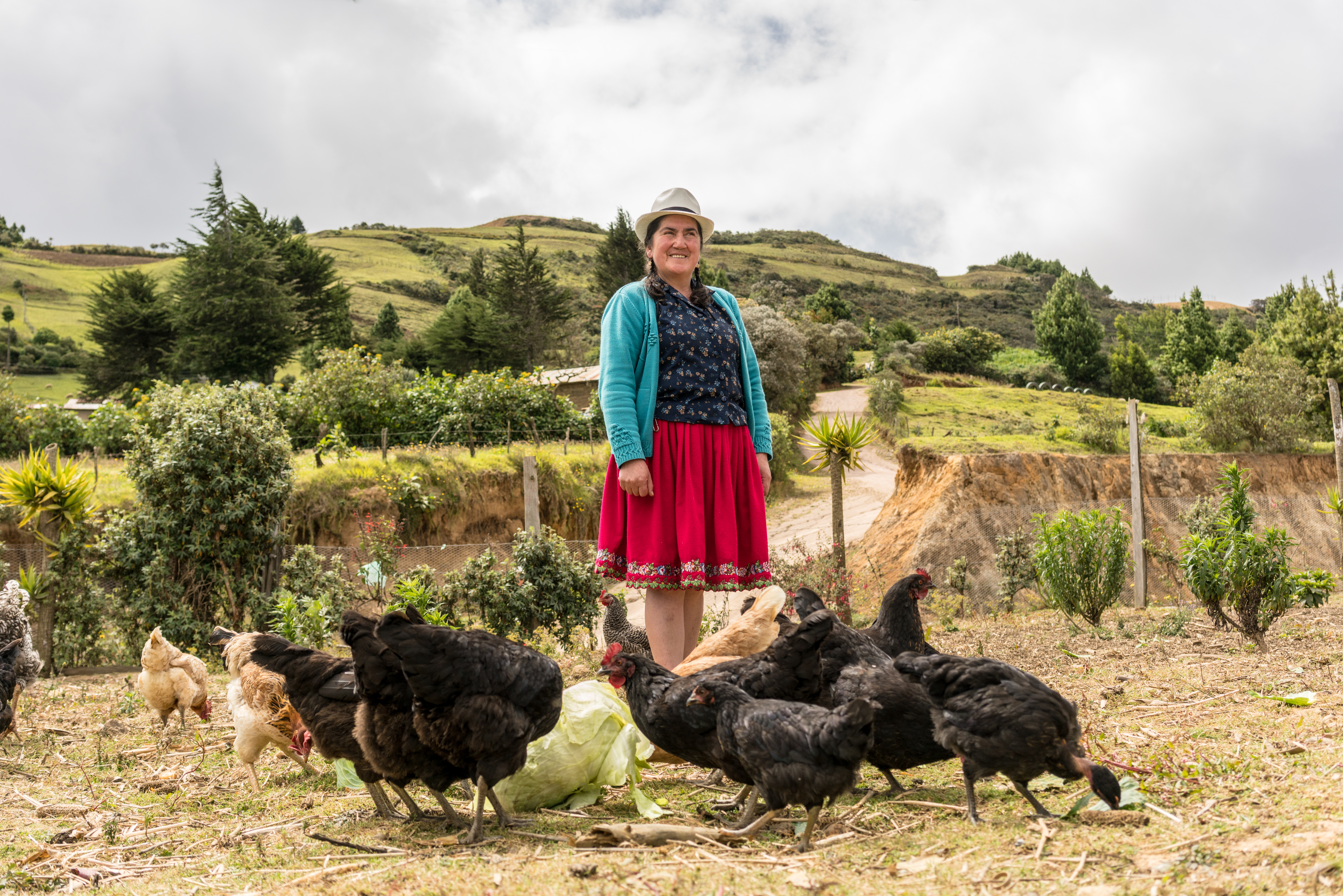
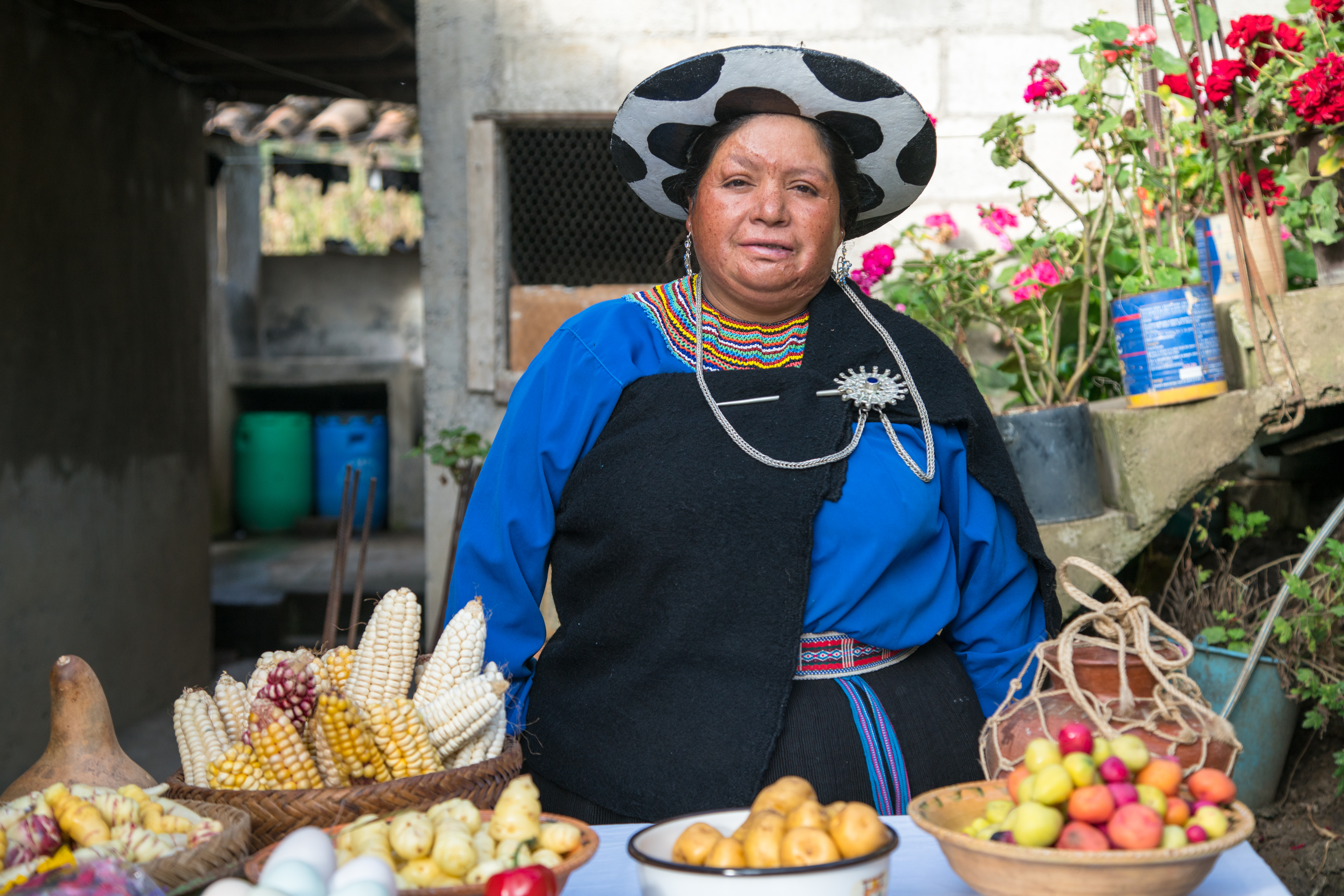


On 14-15 September 2021, the World Overview of Conservation Approaches and Technologies (WOCAT) and UNCCD conducted an expert review workshop to fine-tune the jointly developed methodology used to assess gender-responsiveness of the sustainable land management (SLM) technologies. The event facilitated an exchange between experts and practitioners from a variety of regions and organizations who addressed a number of technical and practical questions including the regional relevance of the methodology as well as the challenges and benefits of its application. Considering the tool’s potential impact on the ground, participants also discussed how it can contribute to tackling the wider gender-related issues as well as what data it could generate to support policy decisions. The UNCCD Gender Action Plan (GAP) emphasises that gender equality and women’s empowerment are key to the implementation of the Convention. The joint project on gender-responsive SLM technologies and approaches launched by UNCCD and WOCAT in 2020 focuses on one of the four priority areas for action outlined in the GAP – enhancing women’s access to leading SLM technologies that effectively support UNCCD implementation.

UNCCD relies on the input of expert women in implementing its mandate. In particular, the members of our Science-Policy interface (SPI), which guides the application of world-leading science into meaningful and impactful policy that we, our Parties, and our partners can use on the ground. The SPI includes female specialists in desertification, forestry, soil, dust-modelling and weather extremes. Guided by all these women, the UNCCD continues to strive for a better, more equal world. During the month of March, we are featuring them here: Nichole Barger is an ecologist who works in partnership with diverse entities in the US on land degradation and restoration issues such as the ecological risks of fire mitigation treatments, historical drivers and biogeochemical responses to woody plant encroachment, forest decline and regeneration, and more recently restoration of degraded dryland ecosystems with a specific focus on soil ecology Anna Luise is working in Romeat ISPRA – Institute for the Environmental Protection and Research (Italy’s environmental agency) on issues related to sustainable development at local, national and global level, the assessment of the environmental damage, the monitoring, evaluation and governance issues related to sustainability issues, land degradation and desertification, the analysis of policies and the development of indicators, playing a role of technical support in decision and policymaking processes as well as in the negotiation within the UNCCD. She is Italy’s science and technology correspondent for the convention Everlyne Nairesiae is a social scientist known for her contribution in coordinating and facilitating global networks, development of global methodologies and tools for land governance, including monitoring of land in the SDGs and impact evaluation; research and analytical frameworks and strategies for mainstreaming gender in natural resource governance and management; and capacity development for governments, CSOs and other actors. Caroline King-Okumu's expertise includes work on institutional, policy and economic aspects of global environmental challenges with focus on land, water and climate-related issues in the global drylands, especially in Africa. She works with the UK Centre for Ecology and Hydrology on international development issues and business cases for the environment. Katrin Ehlert is an environmental scientist with over eight years research and consultancy experience in the field of soil protection in the context of agricultural usages, soil and water quality assessments and environmental impact studies. Katrin is part of tech support unit at the Integrated Drought Management Programme (IDMP) which works with stakeholders globally and on all levels to develop drought early warning systems and policies Karma Dema Dorji serves as the Programme Director of the National Soil Services Centre in the Ministry of Agriculture and Forests in Bhutan which works on sustainable aspects of soil and land management to achieve food security and protect the country’s pristine environment. As the national focal point for UNCCD, Ms. Dorji oversees the fulfillment of the Convention’s requirements, including the development of the national action program to combat land degradation and national reporting Marijana Kapović Solomun is a member of UNCCD Roster of experts, LDN national expert for Bosnia and Herzegovina and expert for the national drought management plan. Dr. Kapović Solomun has broad international and national experience in scientific projects, as leader or expert for soil, land degradation and forestry, who published significant number of scientific papers Read more: UNCCD Science-Policy Interface

Inna Modja is a Malian actress and singer who topped the charts across continents. She has appeared in the Great Green Wall documentary, making an extraordinary journey along this new world wonder. Inna actively engaged with communities involved in the visionary initiative and later said that during her trip from west to east of the Sahel, following the route of the Great Green Wall planted by surrounding communities, she witnessed first-hand the importance of land for a world at peace. Women, young people and everyone can work the land and reap the benefits when the land remain productive. It is when land is degraded and depleted, that communities are forced to migrate or the conflicts over access to resources arise. Inna says that it is her hope that the Great Green Wall will continue to grow, allowing all who live around it to coexist in peace, health and safety. As a proud UNCCD Land Ambassador, Inna is among young people who are changing the narrative of the Sahel. Her music, energy, commitment and humanitarian work resonate with audiences worldwide. Read more: The Great Green Wall of Africa UNCCD Land Ambassadors

Great strides have been made in women’s rights around the world. But we are not there yet. To fully realize women’s rights and potential, this generation must stand up and demand tangible equality

Awareness that gender biases exist in land‐based activities has grown significantly. Yet, weak legal and social protections for women’s land use continue. This leads to women’s needs, realities and knowledge being overlooked. Although land supports humanity in many ways, progress remains slow in the global efforts to move towards a future where more balanced relations make it possible for women and men to interact with and care for land in equitable and non-hierarchical ways.

The First UNCCD Capacity Building Training Fair was held at the Arthur Chung Conference Centre (ACCC) in Georgetown, Guyana. The Training Fair was specifically designed to address the main issues that the UNCCD focuses on, and to strengthen the capacities of the Parties so that they can undertake actions to tackle these challenges. One of the main objectives of this first Fair was to help decision-makers and UNCCD stakeholders increase their capacities both individually and institutionally. The Training Fair ran for two days, 25th and 26th of January 2019, and covered four main areas namely, Land Degradation Neutrality (LDN), Drought, issues of Gender and Stand and Dust Storms (SDS). It began with an opening session chaired by the coordinator of the event, UNCCD’s Capacity Building Officer Dr. Richard A. Byron-Cox. Participants were welcomed by Mr. Trevor L. Benn, Guyana’s Commissioner of Lands and UNCCD National Focal Point, and heard a brief address from UNCCD Deputy Executive Secretary, Mr. Pradeep Monga. The fair was declared officially opened by Honourable Rupert Roopnarine, Minster with responsibility for Public Service of Guyana.
