News & stories

Latest
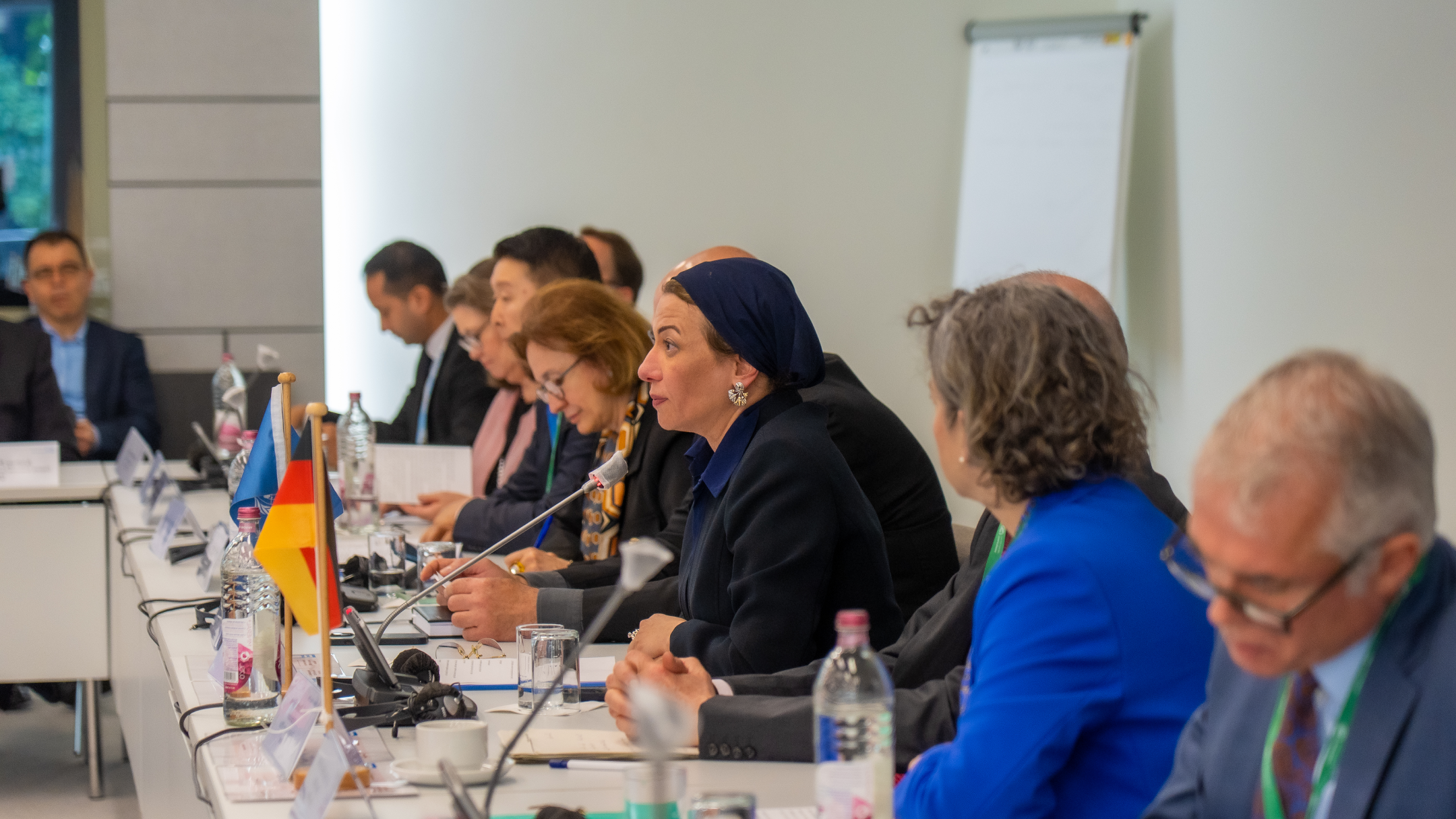


We, representatives of States, and institutions, civil society, forming a group of political, business and civil society leaders, committed to promoting gender equality as a means of accelerating land restoration, gather in Abidjan at the Gender Caucus of the fifteenth session of the Conference of the Parties (COP 15) of the United Nations Convention to Combat Desertification (UNCCD) in 2022, Recognize that land provides a source of food, feed, fiber, shelter, income, and social identity, and reduces vulnerability to food and water insecurity, hunger, and poverty, particularly in rural areas, Acknowledge that land remains amongst the most fundamental asset for most of the women and men living in developing countries, essential to their life, livelihoods, and resilience, Recognize that securing women’s access to land and control over land, and access to finance for land-based economic activities are central components of women’s economic empowerment and women’s rights, generating opportunities for economic prosperity and autonomy, Acknowledge that the lack of secure land tenure contributes to land and forest degradation, and exacerbates poverty, social instability and conflict over land and natural resources, Recognize that equitable land governance and land tenure security are fundamental components to enable land degradation neutrality and land restoration efforts, We will strengthen our shared efforts to: Promote all necessary measures to identify and eliminate all forms of discrimination against women in the context of fighting against desertification/land degradation, and drought (DLDD), in relation to land tenure security and access to, ownership of, and control over land and natural resources, and other forms of property and inheritance, with particular attention on the rights of older women, widows, women with disabilities and young women. Foster measures to ensure the full, equal, meaningful and effective participation of women at all levels in land and natural resource governance at the regional, national and landscape levels through the inclusive national-level coordination and promotion of women’s leadership in planning and implementation activities. Strengthen and enforce legal frameworks for women’s access to land and control over land, including common lands, and equal land rights both under customary and statutory law, and continue efforts on advocacy for women’s land rights. Facilitate access to technology, services, and resources for women and groups in vulnerable situations for their effective participation in land restoration efforts, including through gender-transformative land use planning and management that addresses the root causes of gender inequality. Actively work to close the gender gap to move towards evidence-based interventions and responses, collecting, analyzing and disseminating data disaggregated by sex, age, disability, race/ethnicity, class, livelihood source and migrant status and other relevant factors to support the design, implementation, monitoring and evaluation of land-related interventions and policies. Appeal to development agencies, multilateral development banks, national banks and other financial institutions and mechanisms to lift structural barriers and increase funding that specifically target women’s rights organizations and movements, women entrepreneurs, women cooperatives and enterprises led by women and indigenous groups, and civil society organizations that design and implement programmes contributing to DLDD initiatives. Commit to working towards the inclusion of gender equality criteria in the development – and granting – of finance for sustainable land management, land restoration and drought preparedness and resilience at the regional, national, subnational and local levels. Call upon the COP of the UNCCD to incorporate these commitments into their deliberations around the gendered aspects of DLDD, and into their policy decisions accordingly. Parties and other stakeholders who wish to join the Declaration may send an email at the following address external-relations@unccd.int

In Pursuit of Gender Equality for Strong Land Stewardship S.E. Mme Dominique Ouattara, Première Dame de Côte d’Ivoire; merci de votre leadership et votre intérêt manifeste à ce Caucus Genre. S.E Dr Mariam Mint Mohamed Vadel Ould Dah, Première Dame de Mauritanie. Merci madame, d’être venue, particulièrement, pour cet événement, S.E Mr Abdulla Shahid, President de l’Assemblée Générale des Nations Unies. Merci aussi, monsieur le Président, d’avoir tenu à participer à cet événement. S.E. Mme Amina Mohamed, Vice-Secrétaire Générale des Nations-Unies. Merci madame, pour votre vision et votre courage. Je salue également tous mes collègues ici présents: Chefs d’Agence des Nations-Unies et représentants d’Organisations Internationales. Distingués invités, Mesdames et messieurs, J’éprouve un immense plaisir à vous souhaiter la cordiale bienvenue à cet événement de haut-niveau sur le genre, organisé au premier jour de la Conférence des Parties de la Convention des Nations Unies sur la Lutte contre la Désertification (UNCCD). Je savoure d’autant plus ce plaisir que nous sommes de nouveau en mesure de nous retrouver dans cette salle, après une longue et difficile période de restrictions sanitaires. Permettez-moi avant tout, d’exprimer toute ma gratitude à nos généreux hôtes à savoir le peuple et le Gouvernement de Côte d’Ivoire. Nos remerciements s’adressent en particulier à vous, madame la Première Dame, Dominique Ouattara. L’enthousiasme avec lequel vous présidez à cet événement et votre soutien sans faille, sont notés avec une grande satisfaction. Excellencies, Ladies and Gentlemen, The negotiations on land degradation and drought at this COP are the most important in the UNCCD’s history and they can only succeed if they are built on balanced foundations, which must include gender equality. The conclusions of the study we’re presenting today are sobering. The study demonstrates that women and girls are particularly vulnerable to impacts of land degradation and droughts. For example, when drought hits a region, food and water become naturally scarce. This affects the way food is distributed within a family. Women, the study found, tend to eat smaller portions or skip meals. They give priority to members of their family, starting with young children. In least developed countries, agriculture is the main livelihood for nearly 80% of employed women. Yet, more often than not, they do not own the land – only 23% in Central Asia and the Caucasus, and just 4% in the Middle East and North Africa. Think about it: if we bring 100 people from that region with land titles to this room, only 4 of them will be women. And limited rights mean limited access to loans, credits, services and training, stacking the odds against the very people working the land and perpetuating poverty. Nothing stable can be built with half the foundation missing, so there will be no sustainable development if half of humanity and half of our producers are left on the sidelines. This vicious cycle of poverty must be turned into a virtuous one of prosperity by unleashing the transformative power of women and girls to heal land and soil. They are achieving many of the land restoration successes, often with little support or recognition. In West Africa for example, women are involved in major land restoration initiatives such as the Great Green Wall. In the Middle East and North Africa, they undertake land conservation and restoration initiatives that bring food security. Where water is scarce, they find innovative or traditional solutions like as fog harvesting, which we have seen in Morocco. Examples are plentiful from around the world where women and girl exercise their leadership on land restoration. Unnoticed and unpaid. Excellencies, Ladies and Gentlemen, Colleagues, Now is the time for action with inclusion and solidarity. To halt climate change and reverse biodiversity loss and land degradation we cannot ignore half of the population. This is a decisive decade, where we need to: · Change our mindsets · Invest heavily in education, training and access to sustainable technologies for millions of women and girls · Facilitate the inclusion of women into the financial system · Dismantle all barriers and eliminate laws and practices that prevent women and girls from accessing and using land Our UNCCD Convention is about the people and the planet. Healthy land for healthy people and healthy economies. All people. Not just half of them. With that in mind, I invite you to join « The Abidjan Declaration on Achieving Gender Equality for Successful Land Restoration". I also invite you to commit and act to improve the lives and dignity of women and girls facing the formidable daily challenges of drought, land degradation and desertification. Thank you.

En français The First Lady of Côte d’Ivoire, H.E. Dominique Ouattara, has agreed to chair the Gender Caucus of the 15th meeting of the Conference of the Parties (COP 15) to the United Nations Convention to Combat Desertification (UNCCD) in Abidjan. This second edition of the Caucus, which opens on May 9, 2022, will welcome world leaders to place the issue of gender at the center of debates on climate change and desertification, and, above all, to accelerate women’s equal access to land resource management. Representing several links in the agricultural chain, women are particularly affected by land degradation and drought. Their low social status and lack of protection in rural areas make them more likely to suffer from the impacts of desertification. For example, in sub-Saharan Africa, women account for half of the agricultural workforce but only hold 18% of the associated land titles. In addition, the decline in agricultural production due to desertification reduces their incomes and prevents them from having access to basic social services such as education, access to drinking water, health care, etc. Yet, Women play a key role in both irrigated and non-irrigated agriculture, and many are engaged in rainfed agriculture, producing two-thirds of agricultural commodities in developing countries. They participate fully in the collection and conservation of water. However, water policies linked to agriculture value them less. The international community stressed the importance of including women in water management, particularly for agricultural purposes, but also for other purposes, such as personal hygiene, cleaning and laundry. This large-scale gathering of world leaders will be an opportunity to define the role of women in land restoration and water resource management initiatives, while improving the livelihoods of rural populations. The First Lady’s role as Caucus Chair stems from her exceptional efforts to build the capacity of vulnerable women. The First Lady’s mission is to promote women’s empowerment by creating funding opportunities for women. The Women’s Assistance Fund (FAFCI), which she created in 2012, generated reinvestment capital of more than FCFA 25 billion. Round tables between Heads of State, heads of global institutions, the private sector and civil society will identify innovative initiatives and technologies for women’s empowerment. During this event, which will see the presence of several First Ladies, the members of the Caucus will share a statement indicating an action plan to support rural communities in a gender context. The Finnish H.E. Tarja Halonen, former Head of State and UNCCD Land Ambassador (UNCCD), and the President of the United Nations General Assembly, Abdulla Shahid, confirmed their presence at this high-level segment. La Première Dame de Côte d’Ivoire présidera le Caucus sur le genre, le 9 mai 2022, lors de la Conférence des Parties à la Convention des Nations Unies sur la lutte contre la désertification La Première Dame de Côte d’Ivoire, S.E. Dominique Ouattara, a donné son accord pour présider le Caucus sur le genre de la quinzième réunion de la Conférence des Parties (COP 15) à la Convention des Nations Unies sur la lutte contre la désertification (CNULD) qui se tiendra le mois prochain à Abidjan. Cette deuxième édition du Caucus qui s’ouvre le 9 mai 2022 accueillera des leaders mondiaux à l’effet de positionner la question du genre au centre des débats relatifs aux changements climatiques et à la désertification, et surtout d’accélérer l’accès équitable des femmes à la gestion des ressources terrestres. Représentant plusieurs maillons de la chaîne agricole, les femmes subissent particulièrement la dégradation des terres et la sécheresse. Leur faible statut social et le manque de protection dans les zones rurales les rendent plus susceptibles de souffrir des impacts de la désertification. Par exemple, en Afrique subsaharienne, les femmes représentent la moitié de la main-d’œuvre agricole mais ne détiennent que 18% de titres fonciers associés. En outre, la baisse de la production agricole due à la désertification réduit leurs revenus et les empêche d’avoir accès aux services sociaux de base tels que l’éducation, l’accès à l’eau potable, les soins de santé, etc. Pourtant, les femmes jouent un rôle primordial autant dans l’agriculture irriguée que non irriguée, et sont nombreuses à pratiquer l’agriculture pluviale, produisant deux tiers des denrées agricoles dans les pays en développement. Elles participent pleinement à la collecte et à la conservation de l’eau. Or les politiques de l’eau liées à l’agriculture les valorisent moins. La communauté internationale a souligné l’importance d’inclure les femmes dans la gestion de l’eau, notamment à des fins agricoles, mais aussi à d’autres fins, telles que l’hygiène personnelle, le nettoyage et la lessive. Ce rassemblement de grande envergure de dirigeants mondiaux sera l'occasion de définir le rôle des femmes dans les initiatives de restauration des terres et de gestion des ressources en eau, tout en améliorant les moyens de subsistance des populations rurales. Le rôle de la Première Dame en tant que présidente du Caucus découle de ses efforts exceptionnels pour renforcer les capacités des femmes vulnérables. La Première Dame s'est en effet donnée pour mission de promouvoir l’autonomisation des femmes en créant des opportunités de financement pour ces dernières. Le Fonds d'aide aux femmes (FAFCI) qu'elle a créé en 2012 a généré un capital de réinvestissement de plus de 25 milliards de FCFA. Des tables rondes entre chefs d'État, chefs d'institutions mondiales, le secteur privé et la société civile permettront d'identifier des initiatives et des technologies innovantes pour l'autonomisation des femmes. Lors de cet évènement qui verra la présence de plusieurs Premières Dames, les membres du Caucus partageront une déclaration indiquant un plan d'action pour soutenir les communautés rurales dans un contexte de genre. La finlandaise S.E. Mme Tarja Halonen, ancienne cheffe d'État et ambassadrice des terres de la CNULD (UNCCD), et le Président de l'Assemblée générale des Nations Unies, M. Abdulla Shahid, ont confirmé leur présence à ce segment de haut niveau.

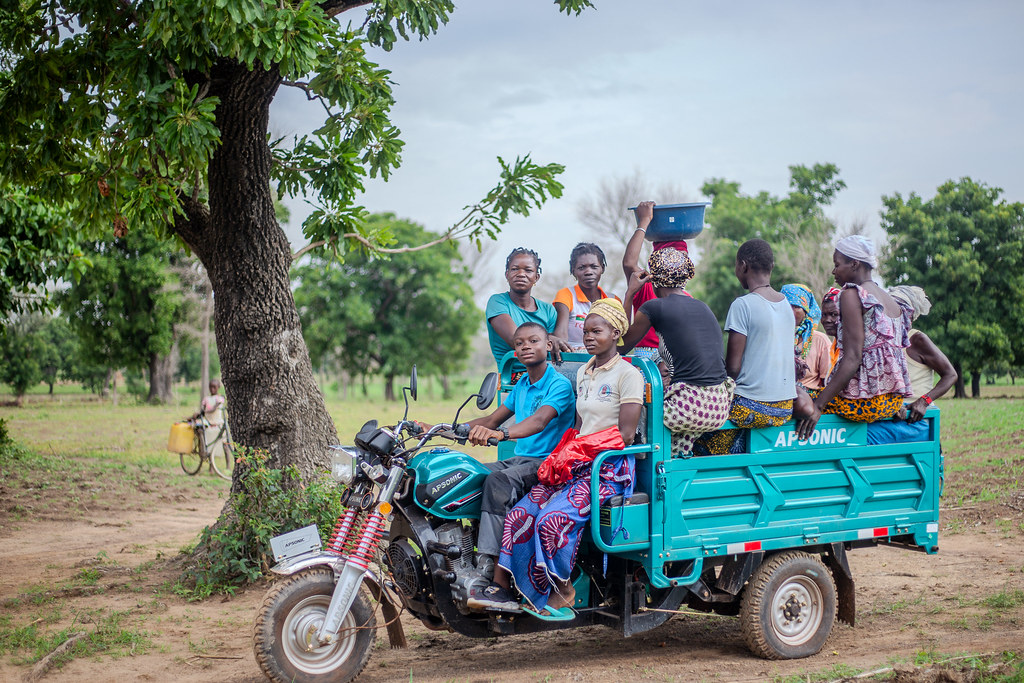
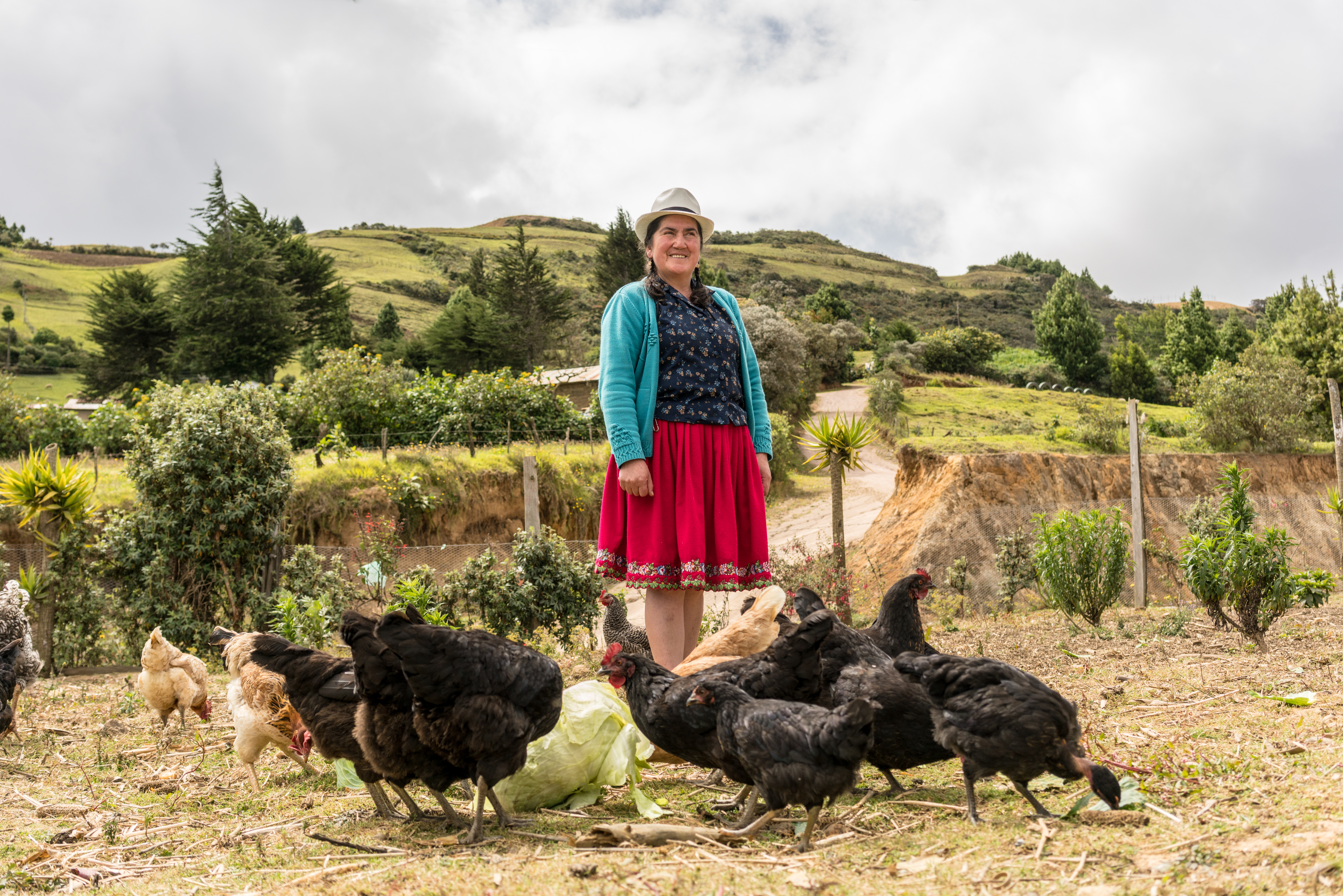
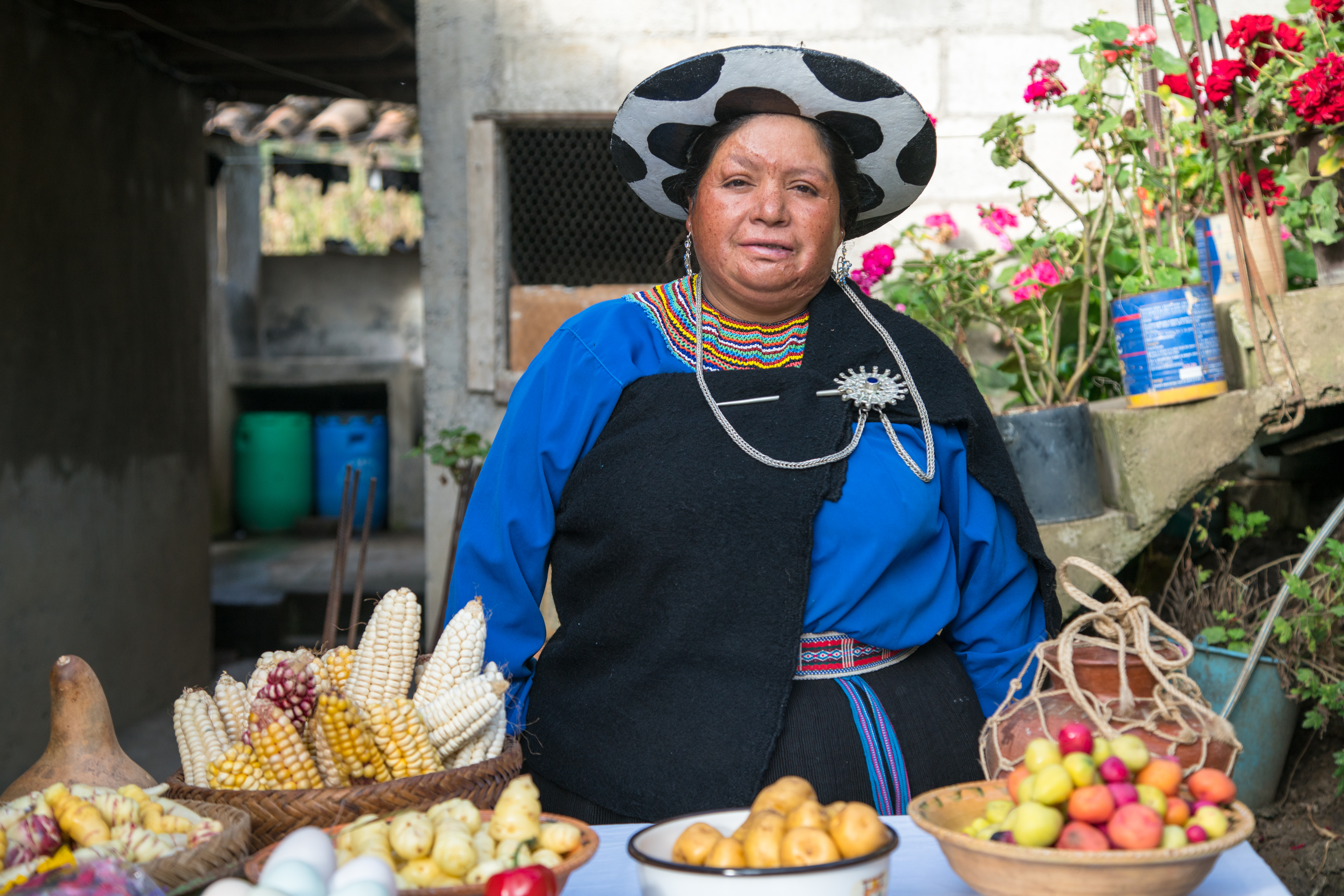
Ahead of UNCCD COP15, the UNCCD Secretariat seeks to collect original and exceptional photos to showcase promising practices which demonstrate women’s leadership and innovation in adapting to land degradation, desertification and drought. Efforts to combat and address land degradation, desertification, and droughts require a more thorough understanding of human rights and gender equality considerations. Numerous studies and experiences worldwide have confirmed that gender inequalities must be addressed as part of biodiversity conservation, land restoration, adaptation and mitigation to climate change, and efforts to transition to an inclusive and regenerative green economy, especially after the pandemic. Land degradation and desertification action can thus reinforce or exacerbate inequalities—or intentionally aim to overcome and transform them, for the resilience of all people. The UNCCD emphasizes that both men and women must be active participants at all levels in programs to combat desertification and mitigate the effects of drought. Resolving gender inequalities is not only a matter of “righting a wrong” but also a significant opportunity to make use of women’s often under-recognized abilities, knowledge, talents, and leadership. Photos highlighting good practices that demonstrated role of women as agents of change for sustainable land management may be made by civil society organizations (national and international), indigenous peoples’ organizations, women organizations, foundations, UN entities and other relevant actors.A supporting narrative must also be submitted, explaining the promising practice featured in the photo, and outlining the impact of the initiative/project in terms of promoting women’s empowerment and/or gender equality in the context of land degradation, desertification, and drought. Deadline for applications is 18 April. You can find the application form on the right, under "Documents."

To our mothers, sisters and daughters – we honor your life-giving force, we salute your contribution to bringing about a more sustainable world, and above all we are inspired by your resilience in the face of tremendous adversity. Women and girls are disproportionately affected by desertification, land degradation and drought. This is not because they find themselves in the wrong place at the wrong time. Rather it is a result of traditions, customs, or religious practices that have not yet evolved to recognize and respect their legitimate human rights. As we face an unparalleled confluence of natural and human-induced crises, cultures and societies can no longer afford to disrespect or disregard women and girls’ role as primary caregivers and as educators as well as their contribution to household health and income, food and water security, and sustainable development. This recognition is important as we strive towards a more equitable and just society. However, it is not enough. On this International Women’s Day 2022, I am calling on governments and communities to welcome women and girls as equal partners and harness their knowledge and talent to address the existential challenges of today. An important first step is their full and meaningful participation in decision making and investments that will determine the quality of life on land for our children. Inclusive land restoration begins with reforming legal, regulatory, customary, and administrative frameworks to be gender responsive. Inclusive land restoration also means upholding women’s legitimate rights to access and control land resources – soil, water, and biodiversity. This opens doors to credit and finance, markets and networks, and training and extension services that improve family and community health and shared economic prosperity. On this Day, I reiterate my call to governments and communities to empower women and girls and recognize their legitimate human rights, including their right to own and manage land. This will lead the way for a prosperous, equitable, and sustainable future for them, and for all.

To shine the light on the critical role of women across the world in supporting sustainable land management (SLM) and the UNCCD implementation, we invite interviews, stories, pictures and videos from women of all backgrounds and ages, whose work as farmers, activists, politicians and scientists is related to SLM. The site http://www.womenandunccd.org presents the stories collected to date and your can submit yours there as well. We look forward to your submissions!
