Health

Health is a fundamental human right — and it begins with the health of our land. Our well-being is inseparably tied to the ecosystems around us. We rely on healthy land to support our wellbeing, provide nutritious food, clean air and fresh water, limit the spread of diseases and stabilize our climate.
But land degradation and drought are fueling a hidden health crisis. Today, up to 40 per cent of land worldwide is degraded — and every year, we lose more than 100 million hectares of productive land, roughly the size of Egypt.. As land dries out or loses fertility, the consequences cascade: water becomes scarce, crops fail, dust storms intensify and health systems strain under the pressure.
The way we use and manage our land has direct consequences for our health. Outdoor air pollution — much of it linked to land degradation — caused 4.2 million premature deaths in 2019, 89 per cent of them in low- and middle-income countries. Two billion tons of sand and dust enter the atmosphere annually, often originating in ecologically fragile drylands. Sweeping across continents, these storms spread respiratory diseases, eye infections — even meningitis.
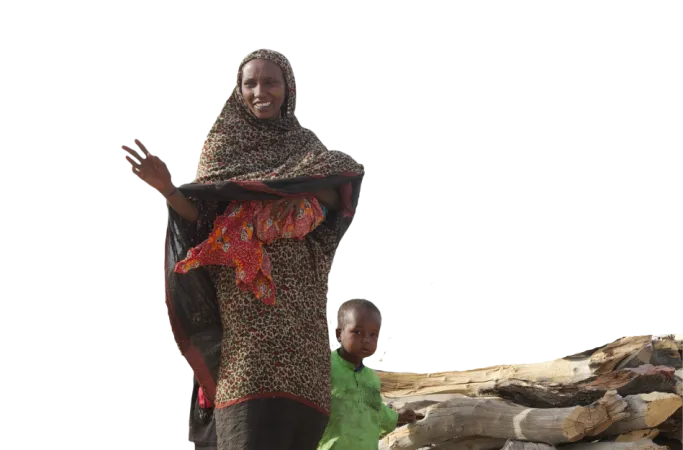
In drylands — which span over 40 per cent of the Earth’s surface — malnutrition, respiratory illnesses and waterborne diseases are on the rise. Children are especially vulnerable: malnutrition, stunting and underweight are now among the leading global drivers of childhood disease. In parts of South America, dust from degraded soil worsens respiratory infections. In Zambia, drought has raised food prices, leaving pregnant women undernourished and babies born weaker.
Desertification, land degradation and drought weaken the land’s ability to retain water, increasing the risk of food insecurity and communicable diseases. They contribute to the spread of infectious illnesses such as cholera, malaria and HIV, and worsen chronic conditions like asthma and cardiovascular disease. DLDD also leads to unsafe water, poor air quality and disrupted food systems.
It also brings people into closer contact with wildlife disease reservoirs, increasing the risk of zoonotic spillovers. The COVID-19 pandemic brought this connection into sharp focus. And future pandemics could cost the world USD two trillion per year. For just one per cent of that, we can prevent pandemics by restoring ecosystems and protecting nature.
The One Health approach — recognizing the links between human, animal and environmental health — offers a clear way forward. Sustainable land management reduces illness, secures nutrition and boosts climate resilience.
All sectors — from health to agriculture to finance — have a shared responsibility to safeguard the systems that sustain life on land. Because when our land gets sick, so do we.

Publications

Land degradation and drought are silently eroding human health. Each year, an Egypt‑sized swath of fertile land is lost, fuelling malnutrition, respiratory disease and the spread of infections from cholera to Ebola. Drylands—already 40 per cent of Earth—see rising…

Health
The aim of the Compendium is to provide information and guidance on how to assess and address the risks posed by sand and dust storms and plan actions to combat sand and dust storms. The Compendium brings together information and guidance from a wide range of sources…


