Gravel Mulching
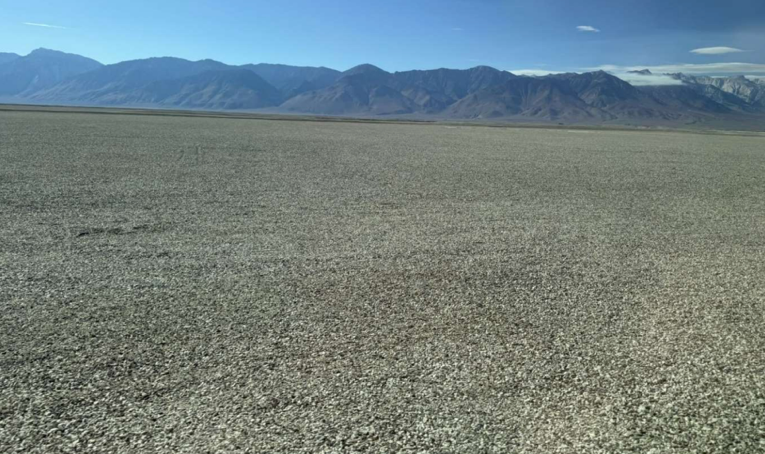
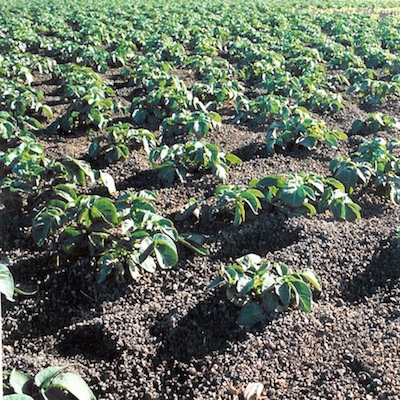
Gravel mulching involves permanently covering the soil with a layer of crushed stones or pebbles, sometimes mixed with coarse sand. This practice reduces near-surface wind speeds (below the friction velocity threshold) and limits the formation of efflorescent salts that can become airborne dust. Gravel mulching can be used in desiccated wetlands and basins, industrial areas, and on unpaved roads. It is a traditional agricultural practice in arid and semi-arid regions, where it helps to conserve soil moisture and moderate soil temperature. Compared to organic mulching, gravel requires little maintenance and can have a lifespan of 20–50 years. However, it demands a higher initial investment in sourcing and spreading, and contributes little to soil organic matter.
Examples of Gravel Mulching
References and Good Practice Guidance
Biome/Climatic Zone
Anthropogenic/Land Use