News & stories

Latest
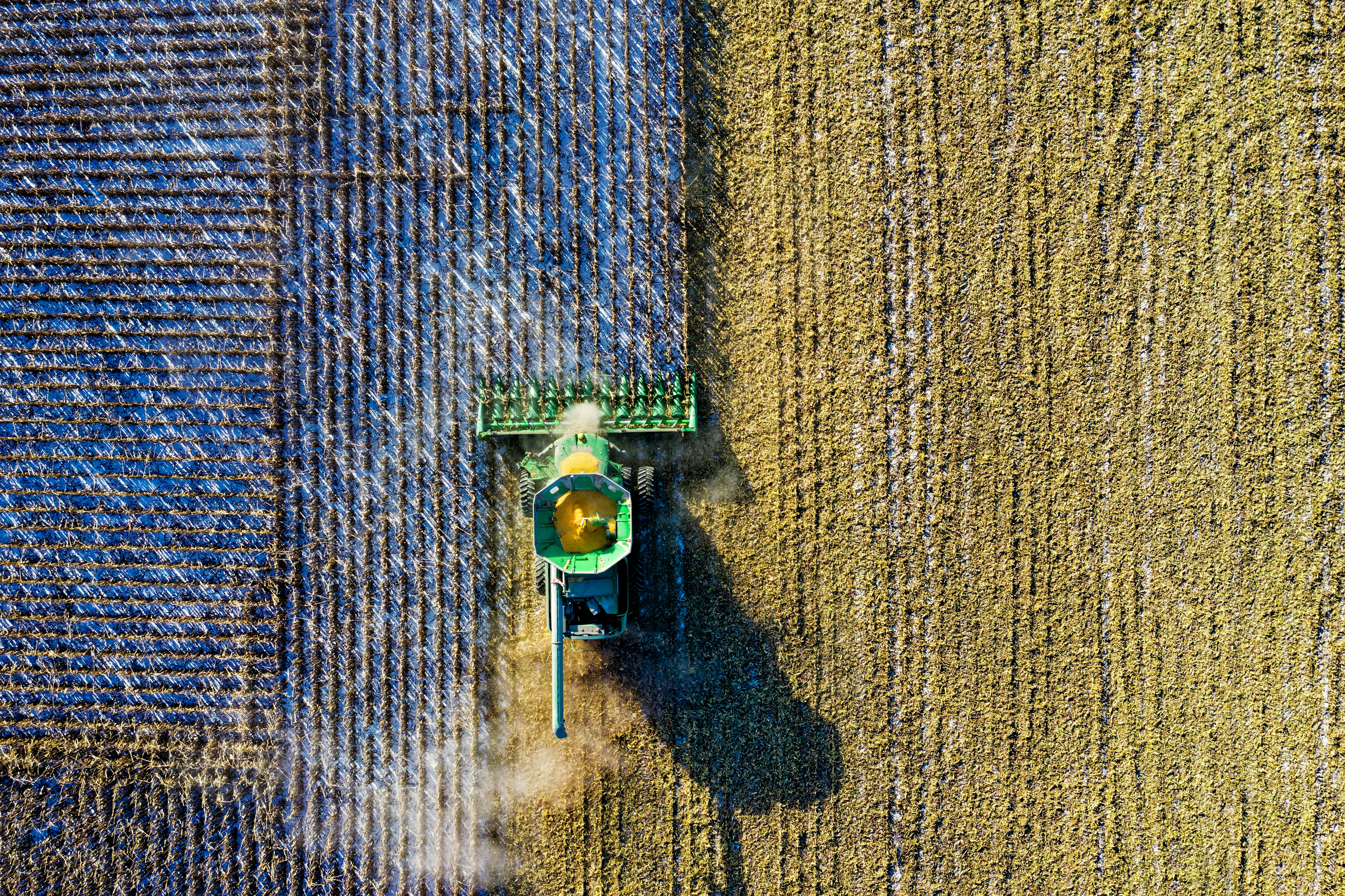

This year UNCCD Science-Policy Interface member Dr. Rattan Lal has received the prestigious civilian Padma Shri Award from the Indian government for his revolutionary research in the field of soil science, which helped millions of smallholder farmers produce larger yields while taking better care of their land. The innovative soil-saving techniques developed by Dr. Lal have helped improve food and nutritional security of more than two billion people, saved hundreds of millions of hectares of natural tropical ecosystems, promoted restoration of degraded soils and aided in reducing global warming. Dr. Lal's achievements have been previously recognized by the World Food Prize. Read more: Padma Shri Awards 2021 Dr. Lal wins the 2020 World Food Prize Dr. Lal featured by Ohio State University PBS presents the 2020 World Food Prize UNCCD Science-Policy Interface Land and climate

To celebrate the World Wetlands Day and to mark the fiftieth anniversary of the Ramsar Convention, UNCCD has joined other international organizations for a virtual panel discussion "Wetlands: Securing fresh water for all" on 2 February 2021.
2021 must be the year to reconcile humanity with nature

The ambitious Great Green Wall for the Sahel and Sahara Initiative has received at least 14.326 billion United States Dollars in new funding. The funding will fast track efforts to restore degrading land, save biological diversity as well as create green jobs and build resilience of the Sahelian people. Emmanuel Macron, President of France, made the announcement at the just concluded One Planet Summit for Biodiversity on 11 January 2021, co-organized by France, the United Nations and World Bank. Read more: Full press release Summit communique Great Green Wall Initiative Photo: (c) MakeWaves Media

Biodiversity is our life insurance, but it is under threat. The COVID19 crisis has dramatically changed our lives; and it has also brought to the forefront the crucial need to better preserve biodiversity. Our lives and economies rely on nature. France, together with the United Nations and the World Bank, is organizing a "One Planet Summit" for biodiversity on 11 January 2021 in Paris. The Summit will bring together heads of state and government, leaders of international organizations, financial institutions, companies and NGOs, all ready to demonstrate that their commitments are leading to concrete actions to preserve and restore biodiversity, and to lead systemic transformations of our economies. This high-level meeting is a major milestone for the political mobilization for nature in 2021, the year that should lead to an ambitious new international agreement on biodiversity. At the summit, UNCCD presents the Great Green Wall Initiative – a game-changing African-led project that aims to restore degraded landscapes and improve millions of lives in one of the world’s poorest regions, the Sahel. The Great Green Wall Initiative is regreening the Sahel, restoring degraded lands and providing decent livelihoods for its people, snaking the Sahel all the way from Senegal in the West to Djibouti in the East, restoring degraded lands and providing jobs and opportunities for millions of people in Africa. In a post COVID context where Sahelian countries are struggling with budgets and funding, the new commitments launched at One Planet Summit will help meet financial requirements and turbo charge the achievement of GGW goals. To complete the Wall, it is estimated that USD 33 billion US dollars of investment – from private, national and international sources will be needed. Read more: Great Green Wall Request for interviews

The negative image of the Sahel is a stranglehold on the great potential for development in the region. A more balanced narrative can trigger action for a productive Sahel and can be based on innovative approaches and a conducive policy environment to value natural resources. Despite a rich set of information, the potential of the Sahel is still not flagged with sound knowledge that can be opposed to the conspicuous depressed perception. Positive transformation pathways require many improvements in the governance, finance and equity issues with a particular reference to the youth and women. The Sahel can sustain its sustainable development if transformation occurs in natural resources management. The new paper co-authored by the UNCCD Executive Secretary Mr. Ibrahim Thiaw and published by ScienceDirect analyses: The opportunities related to natural resources The potential and challenges for deep rapid transformation based on sound resources management practices Areas for job creation and livelihood protection; and New models for financing these developments. Read more...
