News & stories

Latest
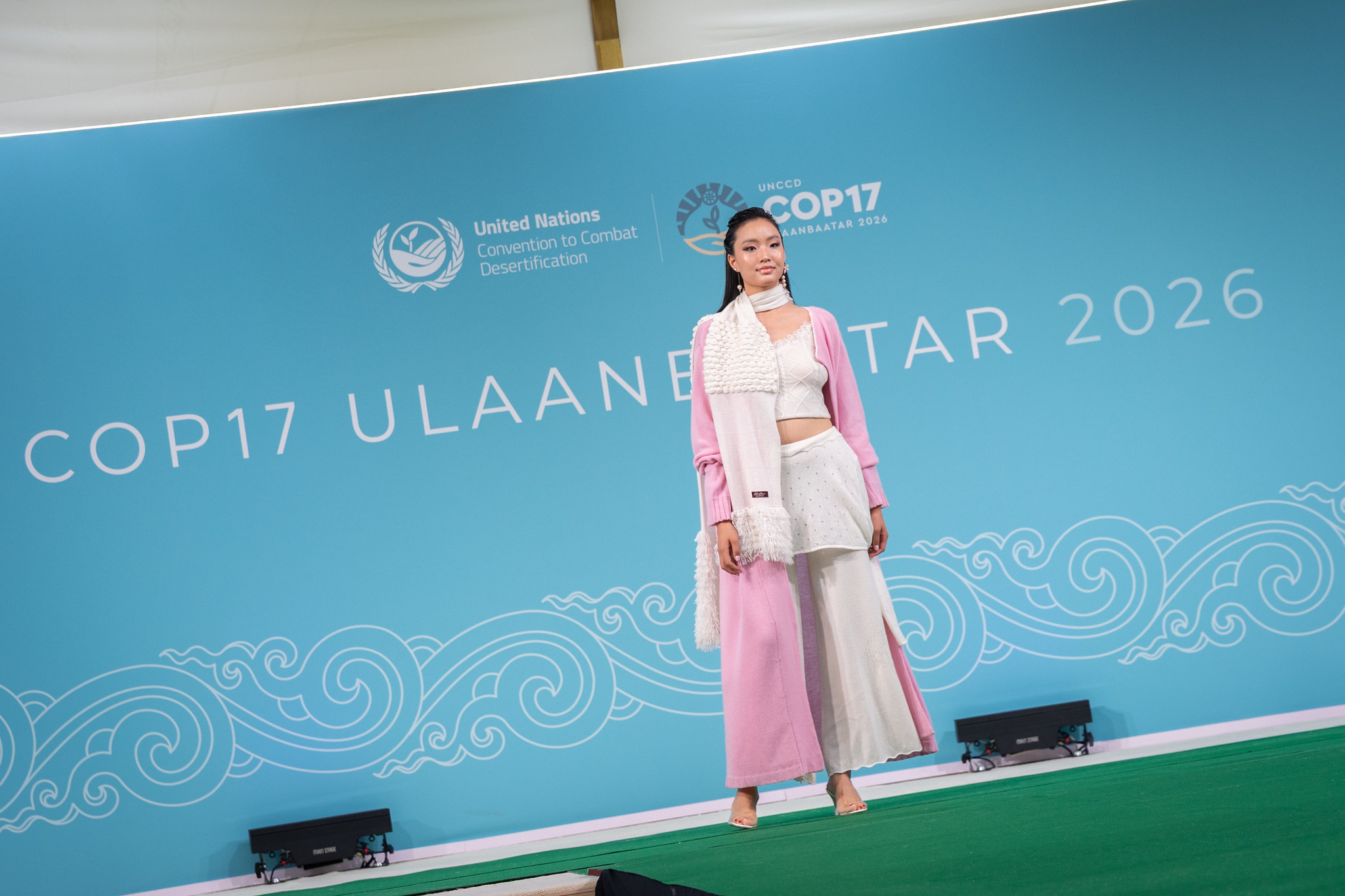
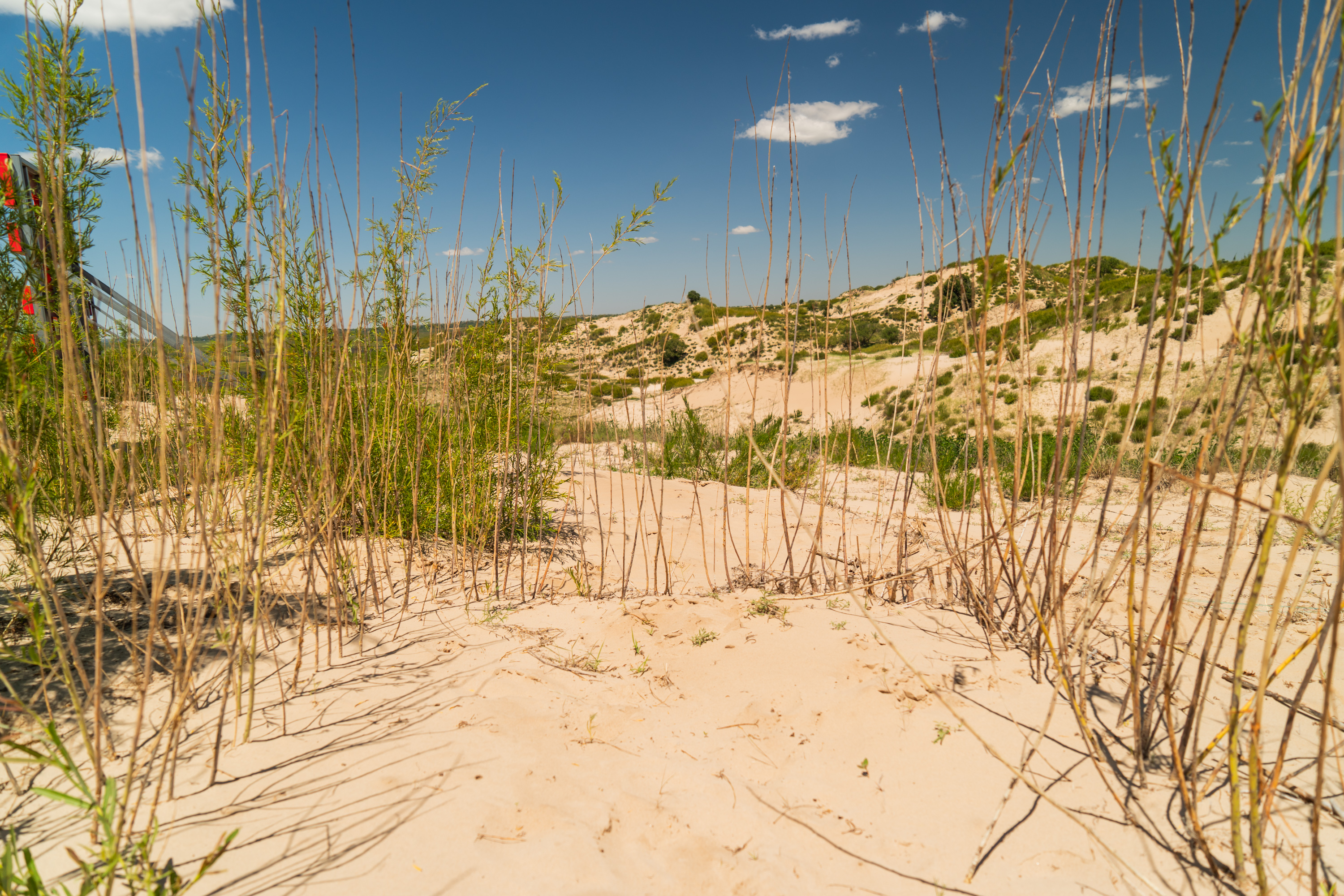
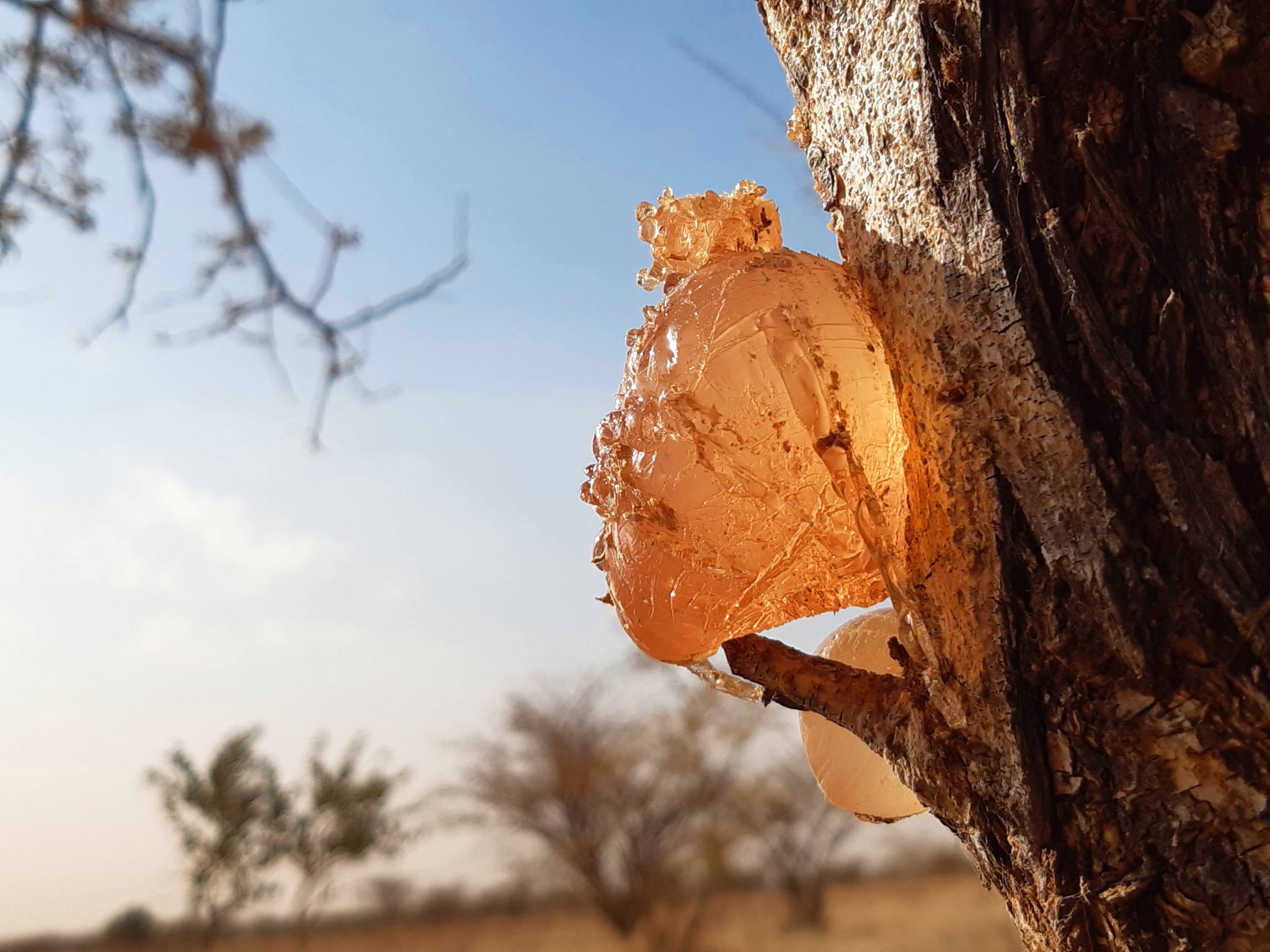

The UNCCD, IUCN, WWF and ICRAF held a regional dialogue on 2 November 2021 for Asia-Pacific UNCCD country Parties on “Advancing global actions for native grassland and rangeland restoration.” This is the second in a regional dialogue series that began with the first one in July for Northern Mediterranean and Central and Eastern Europe. The main objective of the dialogue was to raise awareness on rangeland restoration, identify the challenges and opportunities in implementation and explore how national commitments to rangeland restoration can be strengthened through the UNCCD process. During the meeting, the participants shared the national status of rangelands and grasslands, current initiatives, policies and best practices as well as the challenges and opportunities their countries are facing. Among others, capacity building on data collection, knowledge sharing, monitoring systems, policy coordination and collaboration, land tenure and governance were highlighted in the discussion. This meeting built on the results from the multi-actor dialogue on rangeland restoration held in December 2020, organized by IUCN, WWF and UNCCD and the information provided the first Global Rangelands Atlas launched in May 2021. According to the Global Rangelands Atlas, rangelands that cover 54 per cent of global terrestrial surface, are home to billions of people and hold many economic, ecological, social and cultural values, and a wealth of biodiversity. However, they have been neglected, receiving much less attention, investment, and advocacy than other ecosystems. The conversation to recognize the importance of rangeland restoration will continue through upcoming regional dialogues and other activities to support the UN Decade on Ecosystem Restoration, the UNCCD COP15 in May 2022 and the International Year on Rangelands and Pastoralism in 2026.

The Earth is warming fast, and even faster on the land. This trend is “virtually certain” to continue and no region of the world will be spared, according to the Working Group 1 assessment report released Monday by the authoritative Intergovernmental Panel on Climate Change (IPCC).

I welcome the G20 Environment Communiqué adopted yesterday in Naples, Italy. The Communiqué shows the desire of many world leaders to build societies that are not merely climate change resilient but that live in harmony with nature. World leaders are listening.

This team of students from Bilaspur, Chhattisgarh is committed to raising awareness on sustainable agriculture and knowledge of plant properties through workshops on organic farming organic and composting under the hashtag #ExploreGreenTreasure. They focus on empowering young people and communities to choose environment-friendly alternatives when planting a garden or buying food. In 2019 and 2020, the team planted more than 1478 saplings on school grounds and in various public space in nearby villages. They are also planning to scale up their seed ball initiative to create a seed nursery to promote local plant varieties while making the plant material accessible for more people. Recently, the climate impact app Captain Cool app that the team developed has been featured in the press. The app helps calculate the carbon footprint of daily activities, such as watching TV, charging mobile devices or using a washing machine, so that the users can make better and greener lifestyle choices. Instagram: @nature.bodies Twitter: @BodiesNature Facebook: @NATUREBODIESECOCLUB

This year's Land for Life Award goes to Familial Forestry of Rajasthan, India, a unique concept of Shyam Sunder Jyani, Associate Professor for Sociology at in Rajasthan that relates a tree with a family, making it a green "family member." Placing a family at the cornerstone of society, the concept ensures the success of any social campaign. Familial Forestry means transferring the care of tree and environment in the family so that a tree becomes a part of the family’s consciousness. More than a million families from more than 15,000 villages of desert-prone northwest Rajasthan in over 2.5 million saplings have been planted in the past 15 years, with active participation of students and desert dwellers. "The journey of desertland Rajasthan towards a lush green Rajasthan has been a dream for me, and Familial Forestry is my dedicated endeavor in this direction." — ShyamSunder Jyani, founder of Familial Forestry. 2021 Land for Life Special Mention The special nomination has been awarded by the UNCCD Executive Secretary Mr. Ibrahim Thiaw to the Global Landscapes Forum in recognition of the exceptional work as one the world’s largest knowledge-led platforms on sustainable and inclusive landscapes. "Land degradation and desertification is a multi-faceted problem where single sectoral approaches won’t work. By working together, across sectors and regions we can restore the balance between people, animals, and the environment to sustain productivity in these ecosystems, while supporting the aspirations of the next generation. We look forward to continuing our collaboration with UNCCD to restore and protect the biodiversity and livelihoods of the world’s drylands." — Robert Nasi, Director General of the Center for International Forestry Research, which leads GLF together in collaboration with co-founders UNEP, World Bank and Charter Members. The Land for Life Award ceremony will take place in August at the Eighth Kubuqi International Desert Forum in China. The award winner will also have an opportunity to present their work at the UNCCD Fifteenth Conference of the Parties UNCCD COP15. Learn more: Land for Life Award Land for Life Programme Familial Forestry Greater Sahel call to fund 5 new GLFx chapters

The UNCCD participated the Structured Expert Dialogue of the UNFCCC second Periodic Review to help identify gaps and opportunities in the efforts to keep global warming in check below 1.5 degrees. Together with representatives of CBD and WHO they outlined the linkages between the work of their agencies and climate change, illustrating the major challenges and potential solutions, while a representative of the GEF described their approach to supporting countries in addressing many of these challenges. The UNCCD described the potential for Land Degradation Neutrality to deliver multiple benefits while ensuring no further land degradation in net terms. The secretariat experts also outlined pathways to boost nature-positive production systems and catalyze global efforts to turn restoration commitments in to action on the ground. The UNCCD team introduced the ongoing work of PBL in developing a restoration scenario which will be published as part of the 2nd Edition of the Global Land Outlook. Watch the full recording here...
