Latest
Achieving environment objectives towards sustainable recovery: Addressing land degradation for the achievement of the SDG15 and as leverage for climate solutions Excellencies, Ministers Colleagues, G20 members, and many others, have made a multitude of commitments to restore planetary health. These include targets on climate change, on land degradation, on biodiversity loss. But many of us just need to look out of our windows to see where commitments have gotten us. When I look out of my window in Bonn, I see the rocky riverbed emerging as the Rhine drops lower by the day. What do others see? Drought in Italy’s Po region devastating the country’s breadbasket. Wildfires raging through France, Spain and Portugal, destroying forests, killing cattle. The list goes on. Water and heat stress are driving down Europe’s crop forecasts – at a time when there are major disruptions to global cereal supplies. Energy production has been hit as lower water levels reduce nuclear and hydropower capacity – a problem that is also affecting China, as parts of the Yangtze dry up. Meanwhile, over 40 per cent of the United States faced drought conditions in early August. Flooding in Australia cost the insurance industry billions of dollars. The Horn of Africa is suffering its worst drought in over 40 years, plunging millions into severe hunger and projecting a human cost of a cataclysmic magnitude. Agriculture and the textile industries are significantly affected across the world. Cotton production is seriously affected, including in top producing countries such as India, China, Brazil, the U.S. with dire effects on the economy. Promises and commitments have not gotten us very far and we are in the midst of convergent crises. A crisis of climate change. A crisis of food insecurity. A crisis of water scarcity. A crisis of degraded land. A crisis of declining nature. A crisis of energy. These crises will intensify if we do nothing. By 2030, an estimated 700 million people will be at risk of being displaced by drought. By 2040, one in four children could live in areas with extreme water shortages. By 2050, droughts may affect over three-quarters of the world’s population. We cannot let this future come to pass. We must start acting on commitments, now. This is the focus of the UNCCD: turning commitments into action. This means achieving land-degradation neutrality – including restoring land and helping drought-prone countries put in place drought-smart strategies. The UNCCD supports, for instance, the Great Green Wall initiative, which aims to restore 100 million hectares of degraded land, sequester 250 million tonnes of carbon and create 10 million green jobs in the Sahel by 2030. Likewise the Saudi-led Middle East Green Initiative, aims to back regional nature-based solutions and plant billions of trees. Most recently, the 2.5 billion dollar Abidjan Legacy Programme launched by President Outtara at our 15th Conference of the Parties held in Abidjan under the leadership of Côte D’Ivoire, will help future-proof supply chains while tackling deforestation and climate change. Which brings me to the G20’s Global Initiative on Reducing Land Degradation and Enhancing Conservation of Terrestrial Habitats, which you launched two years ago. It is now up and running, hosted by the UNCCD Secretariat. We have been working with the Kingdom of Saudi Arabia to operationalise the Global Initiative to support countries with their restoration efforts. Friends, Please allow me to dig a little deeper into how land restoration can serve as a climate solution, an energy solution, and indeed a solution to many challenges from boosting livelihoods to restoring nature. Protecting and restoring land resources reduces emissions and sequesters carbon. It could provide over one-third of the cost-effective, land-based climate mitigation needed between now and 2030. Ecosystem restoration is one of the quickest ways of boosting natural capital and carbon stocks. Degraded farmlands abandoned worldwide are currently estimated at roughly 30 per cent of global cropland area. Options for bringing these lands back to productive life include rehabilitation for sustainable food and commodity production or rewilding for biodiversity and climate benefits. Restoration is not the only route, however. In Latin America, sub-Saharan Africa, and Southeast Asia, the biggest mitigation opportunities involve sustainable intensification practices that avoid ecosystem conversion. Emissions can be reduced by improving the efficiency of inputs such as water, adopting sustainable soil and livestock management practices, shifting towards plant-based diets, and reducing food waste. Food and commodity production systems that use diverse crops, animals and native biodiversity mimic natural processes that increase carbon storage. Such efforts, and many more besides, will reduce emissions. They will also help communities adapt to climate impacts that are already locked in. They will deliver benefits across the whole sustainable development agenda. This includes reducing competition between sectors for scarce water resources – which matters greatly for renewable energy. As I mentioned earlier, rivers running dry spells bad news for hydropower and transport. Slowing climate change is one way to ensure that predictable rainfall feeds rivers and reservoirs, allowing power and agriculture to draw enough water. But there are other ways to unite the nature and energy agendas, such as building renewal energy farms in agricultural landscapes. There are many examples that already show the unification of the agendas in action. In the US, The Silicon Ranch Corporation combines clean electricity generation with carbon sequestration, ecosystem restoration and rural economic revitalization. In 2020, a partnership between White Oak Pastures and Silicon Ranch began regenerative grazing and land management practices on 950 solar farm hectares in southwest Georgia. In China, Astronergy/Chint Solar has transformed abandoned agricultural land into a solar park where crops are grown around solar panels. Over 25 years, the power generation is expected to be 4.9 billion kilowatts, meeting the electricity demands of 400,000 people. In Namibia, a Rangeland Management Policy and Strategy is guiding the restoration of degraded rangelands by targeted bush thinning. Accumulated biomass from thinning is then processed into animal fodder, charcoal, biochar, building material, or wood chips. One assessment suggesting that bush control and biomass utilization could generate net benefits of around USD 3 billion over 25 years, and support 10,000 jobs annually. Friends, All of this goes to say that we don’t just have the commitments in place. We have the solutions at our fingertips. What has been lacking is the will to go beyond the commitment phase – beyond the ad hoc solution here and there, to widespread systemic change. So, today I challenge you to look out the window, or look at the news, and ask yourself a simple question: is this the kind of world I want to live in? The answer can only be “no”. The response can only be to summon up the will to act. I urge you to begin sincerely implementing the G20 initiative’s target of a 50 per cent reduction in degraded land by 2040, but also to make plans to exceed it – both in terms of timeline and scope. I urge you to invest in restoring land, so that it boosts water storage, reverses biodiversity loss and increases food production. To back sustainable agriculture that uses less land, water, and harmful inputs. To start changing society’s unhealthy relationships with food, fodder and fibre. I urge you, above all else, to act. The present is not what we envisioned. But the future is still ours to shape. We must start shaping it now. Thank you.
lain Richard Donwahi, COP15 President, and Ibrahim Thiaw, Executive Secretary of the United Nations Conference to Combat Desertification (UNCCD) will hold a joint press conference on Friday, 20 May, to present the outcomes of the fifteenth session of the Conference of the Parties (COP15) to the UNCCD taking place in Abidjan, Côte d’Ivoire.
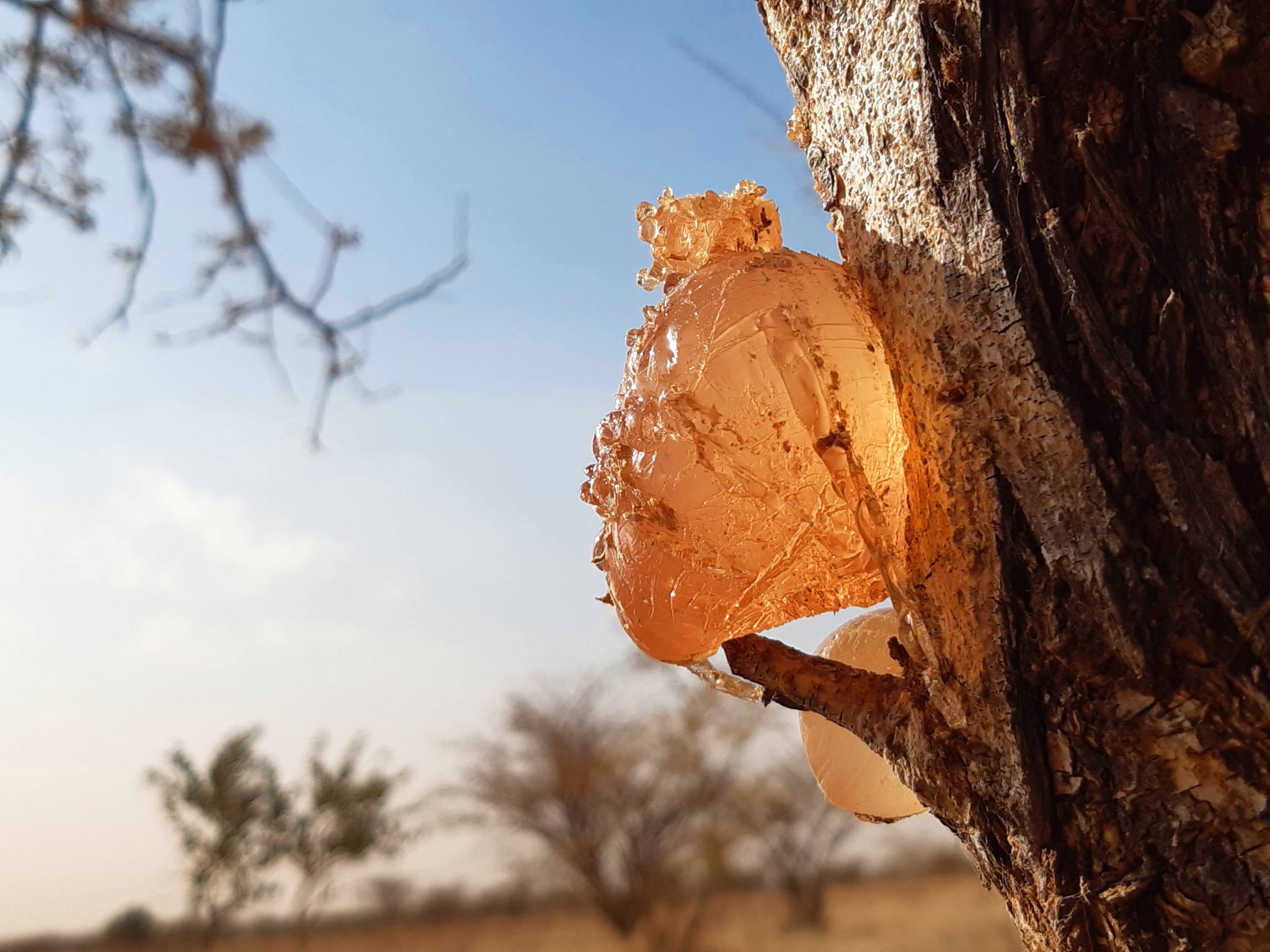
Baobab fruit, moringa oil and shea butter are just some of the products from Africa’s Sahel region that may hold the key to improving livelihoods, restoring degraded lands and tackling climate change. To unlock this potential of the Sahel’s natural capital and give new momentum to the Great Green Wall’s land restoration ambition, a new sourcing challenge has been launched at UNCCD COP15 Green Business Forum in Abidjan, Côte d’Ivoire. The Sahel sourcing challenge calls on the global supply chain managers to upscale the use of sustainably produced Sahelian ingredients, such as bambara nut, baobab, moringa, gum Arabic and fonio, from the Sahel's small-scale producers as a way to create new economic opportunities for local populations. Sahel region is one of the most vulnerable places on Earth, where the temperatures are rising 1.5 times faster than the global average and where increasing desertification, drought and resource scarcity, leading to radicalization, conflict and migration. An African-led movement to inspire the world, the Great Green Wall is an epic vision to create a 8,000 km-long mosaic of projects across the continent that support land restoration, create 10 million jobs and promise a better future. UNCCD is a key partner of the Great Green Wall Initiative, working with businesses and major corporate partners to create green jobs and transform the Sahel through market-driven, sustainable ethical supply chains. “The Great Green Wall challenge has a huge potential to help combat land degradation. By creating demand for the Sahel’s underutilized ingredients, the private sector can play a pivotal role in the creation of local economic development and the subsequent environmental and social impact that new value chains will bring,” says Nick Salter, co-founder of Aduna. Aduna, together with WhatIf Foods, Unilever, Evonik, Doehler, the World Economic Forum and the Global Shea Alliance, is among the major businesses and platforms that are working on the challenge and calling on others to follow suit and work with UNCCD and Business Fights Poverty to make the challenge a world-class success. “We're looking to be not just buyers, but to support communities. Improving livelihoods and soil fertility are in everyone's best interests,” says Scott Poynton, CEO and Founder of The Pond Foundation and WhatIf Foods Partner. Follow the Great Green Wall progress on the Web, on Twitter, Facebook and Instagram.
En français The First Lady of Côte d’Ivoire, H.E. Dominique Ouattara, has agreed to chair the Gender Caucus of the 15th meeting of the Conference of the Parties (COP 15) to the United Nations Convention to Combat Desertification (UNCCD) in Abidjan. This second edition of the Caucus, which opens on May 9, 2022, will welcome world leaders to place the issue of gender at the center of debates on climate change and desertification, and, above all, to accelerate women’s equal access to land resource management. Representing several links in the agricultural chain, women are particularly affected by land degradation and drought. Their low social status and lack of protection in rural areas make them more likely to suffer from the impacts of desertification. For example, in sub-Saharan Africa, women account for half of the agricultural workforce but only hold 18% of the associated land titles. In addition, the decline in agricultural production due to desertification reduces their incomes and prevents them from having access to basic social services such as education, access to drinking water, health care, etc. Yet, Women play a key role in both irrigated and non-irrigated agriculture, and many are engaged in rainfed agriculture, producing two-thirds of agricultural commodities in developing countries. They participate fully in the collection and conservation of water. However, water policies linked to agriculture value them less. The international community stressed the importance of including women in water management, particularly for agricultural purposes, but also for other purposes, such as personal hygiene, cleaning and laundry. This large-scale gathering of world leaders will be an opportunity to define the role of women in land restoration and water resource management initiatives, while improving the livelihoods of rural populations. The First Lady’s role as Caucus Chair stems from her exceptional efforts to build the capacity of vulnerable women. The First Lady’s mission is to promote women’s empowerment by creating funding opportunities for women. The Women’s Assistance Fund (FAFCI), which she created in 2012, generated reinvestment capital of more than FCFA 25 billion. Round tables between Heads of State, heads of global institutions, the private sector and civil society will identify innovative initiatives and technologies for women’s empowerment. During this event, which will see the presence of several First Ladies, the members of the Caucus will share a statement indicating an action plan to support rural communities in a gender context. The Finnish H.E. Tarja Halonen, former Head of State and UNCCD Land Ambassador (UNCCD), and the President of the United Nations General Assembly, Abdulla Shahid, confirmed their presence at this high-level segment. La Première Dame de Côte d’Ivoire présidera le Caucus sur le genre, le 9 mai 2022, lors de la Conférence des Parties à la Convention des Nations Unies sur la lutte contre la désertification La Première Dame de Côte d’Ivoire, S.E. Dominique Ouattara, a donné son accord pour présider le Caucus sur le genre de la quinzième réunion de la Conférence des Parties (COP 15) à la Convention des Nations Unies sur la lutte contre la désertification (CNULD) qui se tiendra le mois prochain à Abidjan. Cette deuxième édition du Caucus qui s’ouvre le 9 mai 2022 accueillera des leaders mondiaux à l’effet de positionner la question du genre au centre des débats relatifs aux changements climatiques et à la désertification, et surtout d’accélérer l’accès équitable des femmes à la gestion des ressources terrestres. Représentant plusieurs maillons de la chaîne agricole, les femmes subissent particulièrement la dégradation des terres et la sécheresse. Leur faible statut social et le manque de protection dans les zones rurales les rendent plus susceptibles de souffrir des impacts de la désertification. Par exemple, en Afrique subsaharienne, les femmes représentent la moitié de la main-d’œuvre agricole mais ne détiennent que 18% de titres fonciers associés. En outre, la baisse de la production agricole due à la désertification réduit leurs revenus et les empêche d’avoir accès aux services sociaux de base tels que l’éducation, l’accès à l’eau potable, les soins de santé, etc. Pourtant, les femmes jouent un rôle primordial autant dans l’agriculture irriguée que non irriguée, et sont nombreuses à pratiquer l’agriculture pluviale, produisant deux tiers des denrées agricoles dans les pays en développement. Elles participent pleinement à la collecte et à la conservation de l’eau. Or les politiques de l’eau liées à l’agriculture les valorisent moins. La communauté internationale a souligné l’importance d’inclure les femmes dans la gestion de l’eau, notamment à des fins agricoles, mais aussi à d’autres fins, telles que l’hygiène personnelle, le nettoyage et la lessive. Ce rassemblement de grande envergure de dirigeants mondiaux sera l'occasion de définir le rôle des femmes dans les initiatives de restauration des terres et de gestion des ressources en eau, tout en améliorant les moyens de subsistance des populations rurales. Le rôle de la Première Dame en tant que présidente du Caucus découle de ses efforts exceptionnels pour renforcer les capacités des femmes vulnérables. La Première Dame s'est en effet donnée pour mission de promouvoir l’autonomisation des femmes en créant des opportunités de financement pour ces dernières. Le Fonds d'aide aux femmes (FAFCI) qu'elle a créé en 2012 a généré un capital de réinvestissement de plus de 25 milliards de FCFA. Des tables rondes entre chefs d'État, chefs d'institutions mondiales, le secteur privé et la société civile permettront d'identifier des initiatives et des technologies innovantes pour l'autonomisation des femmes. Lors de cet évènement qui verra la présence de plusieurs Premières Dames, les membres du Caucus partageront une déclaration indiquant un plan d'action pour soutenir les communautés rurales dans un contexte de genre. La finlandaise S.E. Mme Tarja Halonen, ancienne cheffe d'État et ambassadrice des terres de la CNULD (UNCCD), et le Président de l'Assemblée générale des Nations Unies, M. Abdulla Shahid, ont confirmé leur présence à ce segment de haut niveau.
Up to 40 % of the planet’s land is degraded, directly affects half of humanity, threatens roughly half of global GDP (US$44 trillion) If business as usual continued through 2050, report projects additional degradation of an area almost the size of South America Nations’ current pledge to restore 1 billion degraded hectares by 2030 requires $US 1.6 trillion this decade – a fraction of annual $700 billion in fossil fuel and agricultural subsidies As food prices soar amid rapid climate and other planetary changes, “crisis footing” needed to conserve, restore and use land sustainably Most comprehensive report on topic ever released shortly before UNCCD’s COP15 in Africa The way land resources – soil, water and biodiversity – are currently mismanaged and misused threatens the health and continued survival of many species on Earth, including our own, warns a stark new report from the United Nations Convention to Combat Desertification (UNCCD). It also points decision makers to hundreds of practical ways to effect local, national and regional land and ecosystem restoration. UNCCD’s evidence-based flagship Global Land Outlook 2 (GLO2) report, five years in development with 21 partner organizations, and with over 1,000 references, is the most comprehensive consolidation of information on the topic ever assembled. It offers an overview of unprecedented breadth and projects the planetary consequences of three scenarios through 2050: business as usual, restoration of 50 million square km of land, and restoration measures augmented by the conservation of natural areas important for specific ecosystem functions. It also assesses the potential contributions of land restoration investments to climate change mitigation, biodiversity conservation, poverty reduction, human health and other key sustainable development goals. Warns the report: “At no other point in modern history has humanity faced such an array of familiar and unfamiliar risks and hazards, interacting in a hyper-connected and rapidly changing world. We cannot afford to underestimate the scale and impact of these existential threats.” “Conserving, restoring, and using our land resources sustainably is a global imperative, one that requires action on a crisis footing…Business as usual is not a viable pathway for our continued survival and prosperity.” GLO2 offers hundreds of examples from around the world that demonstrate the potential of land restoration. It is being released before the UNCCD’s 15th session of the Conference of Parties to be held in Abidjan, Côte d'Ivoire (COP15, 9-20 May). Says Ibrahim Thiaw, Executive Secretary of the UNCCD: “Modern agriculture has altered the face of the planet more than any other human activity. We need to urgently rethink our global food systems, which are responsible for 80% of deforestation, 70% of freshwater use, and the single greatest cause of terrestrial biodiversity loss.” “Investing in large-scale land restoration is a powerful, cost-effective tool to combat desertification, soil erosion, and loss of agricultural production. As a finite resource and our most valuable natural asset, we cannot afford to continue taking land for granted.” Future scenarios The report predicts the outcomes by 2050 and risks involved under three scenarios: Baseline: Business as usual, continuing current trends in land and natural resource degradation, while demands for food, feed, fiber, and bioenergy continue to rise. Land management practices and climate change continue to cause widespread soil erosion, declining fertility and growth in yields, and the further loss of natural areas due to expanding agriculture. By 2050: 16 million square kilometers show continued land degradation (the size of South America) A persistent, long-term decline in vegetative productivity is observed for 12-14% of agricultural, pasture and grazing land, and natural areas – with sub-Saharan Africa worst affected. An additional 69 gigatonnes of carbon is emitted from 2015 to 2050 due to land use change and soil degradation This represents 17% of current annual greenhouse gas emissions: soil organic carbon (32 gigatonnes), vegetation (27 gigatonnes), peatland degradation/conversion (10 gigatonnes). Restoration: Assumes the restoration of around 5 billion hectares (50 million square kilometers or 35% of the global land area) using measures such as agroforestry, grazing management, and assisted natural regeneration. (Current international pledges: 10 million square kilometers). By 2050: Crop yields increase by 5-10% in most developing countries compared to the baseline. Improved soil health leads to higher crop yields, with the largest gains in the Middle East and North Africa, Latin America, and subSaharan Africa, limiting food price increases. Soil water holding capacity would increase by 4% in rainfed croplands. Carbon stocks rise by a net 17 gigatonnes between 2015 and 2050 due to gains in soil carbon and reduced emission Biodiversity continues to decline, but not as quickly, with 11% of biodiversity loss averted. Restoration and Protection: This scenario includes the restoration measures, augmented with protection measures of areas important for biodiversity, water regulation, conservation of soil and carbon stocks, and provision of critical ecosystem functions. By 2050: An additional 4 million square kilometers of natural areas (the size of India and Pakistan); largest gains expected in South and Southeast Asia and Latin America. Protections would prevent land degradation by logging, burning, draining, or conversion. About a third of the biodiversity loss projected in the baseline would be prevented An additional 83 gigatonnes of carbon are stored compared to the baseline. Avoided emission and increased carbon storage would be equivalent to more than seven years of total current global emissions. See below for additional scenario projections and information Other key points in the report include: $US 44 trillion – roughly half the world’s annual economic output – is being put at risk by the loss of finite natural capital and nature’s services, which underpin human and environmental health by regulating climate, water, disease, pests, waste and air pollution, while providing numerous other benefits such as recreation and cultural benefits. The economic returns of restoring land and reducing degradation, greenhouse gas emissions and biodiversity loss could be as high as $US 125-140 trillion every year - up to 50% more than the $93 trillion global GDP in 2021 Repurposing in the next decade just $US 1.6 trillion of the annual $700 billion in perverse subsidies given to the fossil fuel and agricultural industries would enable governments to meet current pledges to restore by 2030 some 1 billion degraded hectares – an area the size of the USA or China – including 250 million hectares of farmland Restoring land, soils, forests and other ecosystems would contribute more than one-third of the cost-effective climate change mitigation needed to limit global warming to 1.5°C while supporting biodiversity conservation, poverty reduction, human health and other key sustainable development goals Many traditional and modern regenerative food production practices can enable agriculture to pivot from being the primary cause of degradation to the principal catalyst for land and soil restoration Poor rural communities, smallholder farmers, women, youth, Indigenous Peoples, and other at-risk groups are disproportionately affected by desertification, land degradation, and drought. At the same time, traditional and local knowledge of Indigenous Peoples and local communities, proven land stewards, represent a vast store of human and social capital that must be respected and can be used to protect and restore natural capital Immediate financial support is needed to fund conservation and restoration in those developing countries with a greater share of the global distribution of intact, biodiverse, and carbon-rich ecosystems Restoration projects and programs tend to have long-term multiplier effects that strengthen rural economies and contribute to wider regional development. They generate jobs that cannot be outsourced, and investments stimulate demand that benefits local economies and communities Bringing together national action plans currently siloed under the UNCCD, Convention on Biological Diversity, and UN Framework Convention on Climate Change represents an immediate opportunity to align targets and commitments to implement land restoration, realize multiple benefits, and maximize returns on investment Land and resource rights, secured through enforceable laws and trusted institutions, can transform underperforming land assets into sustainable development opportunities, helping maintain equitable and cohesive societies Inclusive and responsible land governance, including tenure security, is an effective way to balance trade-offs and harness synergies that optimize restoration outcomes Grasslands and savannas are productive, biodiverse ecosystems that match forests both in their global extent and their need for protection and restoration. Equally important are wetlands, which are in long-term decline averaging losses at three times the rate of global forest loss in recent decades. Sustaining their capacity to absorb and store carbon is key to a climate-resilient future Intensive monocultures and the destruction of forests and other ecosystems for food and commodity production generate the bulk of carbon emissions associated with land use change If current land degradation trends continue, food supply disruptions, forced migration, rapid biodiversity loss and species extinctions will increase, accompanied by a higher risk of zoonotic diseases like COVID-19, declining human health, and land resource conflicts GLO2 offers hundreds of good practice snapshots from around the world that illustrate context-specific measures to combat environmental degradation, restore land health, and improve living conditions. Many regenerative agriculture practices have the potential to increase crop yields and improve their nutritional quality while reducing greenhouse gas emissions and drawing down carbon from the atmosphere, it says. Examples include rewilding – reducing the human footprint to allow natural ecological processes to re-establish themselves – in the Greater Côa Valley in northern Portugal and the Iberá wetlands in Argentina; drought preparedness and risk reduction through national programmes in Mexico, the USA, and Brazil; sand and dust storm source mitigation in Iraq, China, and Kuwait; and gender-responsive land restoration in Mali, Nicauragua, and Jordan. There are also cases of integrated flood and drought strategies as well as forest landscape restoration using high-value crops. Good practices can involve terrace and contour farming, conserving and restoring watersheds, and rainwater harvesting and storage. In addition to their economic benefits, these measures improve water retention and availability, prevent soil erosion and landslides, reduce flood risk, sequester carbon, and protect biodiversity habitat. Africa’s Great Green Wall, meanwhile, which aims to restore the continent’s degraded landscapes, exemplifies “a regional restoration initiative that embraces an integrated approach with the promise of transforming the lives of millions of people,” says the report. “The case studies from around the world showcased in GLO2 make clear that land restoration can be implemented in almost all settings and at many spatial scales, suggesting that every country can design and implement a tailored land restoration agenda to meet their development needs,” says Mr. Thiaw. Many of the cases, he adds, underscore the value of education, training, and capacity building, not just for local communities, but also for government officials, land managers, and development planners. Linking local engagement to national policies and budgets will help ensure a responsive and well-aligned restoration agenda that delivers tangible outcomes for people, nature, and the climate. Preventing, halting, and reversing the degradation of ecosystems worldwide is the focus of the UN Decade on Ecosystem Restoration (2021-2030), which calls for a broad and balanced response, addressing all ecosystems and their connectivity to reestablish a healthy landscape mosaic. These efforts are closely aligned with SDG target 15.3, which calls on countries to strive to achieve Land Degradation Neutrality (LDN) by 2030. “Hope remains as the decade of restoration has begun,” says Mr. Thiaw. “Now is the time to harness political will, innovation, and collective action to restore our land and soil for short-term recovery and long-term regeneration to ensure a more stable and resilient future.” By the numbers, GLO2: 50%: Proportion of humanity affected by land degradation $US 7-30: benefits returned for every dollar invested in restoring degraded land Four: planetary boundaries (used to define a ‘safe operating space for humanity’) already exceeded: climate change, biodiversity loss, land use change, and geochemical cycles, breaches directly linked to human-induced desertification, land degradation, and drought 40%+: global land area occupied by agriculture 15%: proportion of the $US 700 billion paid out in commercial subsidies each year that positively impact natural capital, biodiversity, long-term job stability, or livelihoods 70%+: Tropical forest cleared for agriculture between 2013 and 2019 in violation of national laws or regulations 1%: Farms that control more than 70% of the world’s agricultural land 80%: Farms smaller than two hectares, representing 12% of total farmland 50%: Reduction of degraded land by 2040 pledged by G20 leaders in November 2020 115+: countries that had made quantitative, area-based commitments by the end of 2021, collectively a pledge to restore 1 billion hectares of farms, forests, and pastures 100+: Countries with plans for Land Degradation Neutrality (LDN) by 2030: ‘frameworks for action’ by local and national authorities, civil society, and the private sector 130: Countries that reaffirmed in the Glasgow Leaders Declaration on Forests and Land Use (Nov. 2021) their respective individual and collective commitments under the three Rio Conventions – on Desertification (UNCCD), Biological Diversity (CBD), and Climate Change (UNFCCC), supported by unprecedented corporate and donor pledges. It also includes commitments to facilitate trade and development policies that avoid deforestation and land degradation, especially regarding internationally-traded agricultural commodities, such as beef, soy, palm oil, and timber. Land degradation: The persistent or long-term loss of land-based natural capital. It gives rise to poverty, hunger, and environmental pollution, while making communities more vulnerable to disease and disasters like drought, floods, or wildfires. This is especially true in the drylands that cover more than 45% of the Earth’s land surface, home to one in three people. Land restoration: A continuum of sustainable land and water management practices that can be applied to conserve or ‘rewild’ natural areas, ‘up-scale’ nature-positive food production in rural landscapes, and ‘green’ urban areas, infrastructure, and supply chains. Regenerative land use practices employed to boost soil health or recharge groundwater also enhance our ability to cope with drought, floods, wildfires, and sand and dust storms. Comments “The second edition of the Global Land Outlook is a must-read for the biodiversity community. The future of biodiversity is precarious. We have already degraded nearly 40 % and altered 70 % of the land. We cannot afford to have another “lost decade” for nature and need to act now for a future of life in harmony with nature. The GLO2 shows pathways, enablers and knowledge that we should apply to effectively implement the post-2020 Global Biodiversity Framework.” Elizabeth Mrema, Executive Secretary, UN Convention on Biological Diversity “Land is the operative link between biodiversity loss and climate change, and therefore must be the primary focus of any meaningful intervention to tackle these intertwined crises. Restoring degraded land and soil provides fertile ground on which to take immediate and concerted action.” Andrea Meza Murillo, Deputy Executive Secretary, UNCCD “As a global community we can no longer rely on incremental reforms within traditional planning and development frameworks to address the profound development and sustainability challenges we are facing in coming decades. A rapid transformation in land use and management practices that place people and nature at the center of our planning is needed, prioritizing job creation and building vital skill sets while giving voice to women and youth who have been traditionally marginalized from decision making.” Nichole Barger, report steering committee member, Department of Ecology and Evolutionary Biology, University of Colorado, USA “Just as COVID-19 vaccines were developed, tested, and rolled out at unprecedented speed and scale, so too must land restoration and other nature-based solutions be undertaken to prevent further environmental decline and ensure a healthy and prosperous future. We can reduce the risk of zoonotic disease transmission, increase food and water security, and improve human health and livelihoods by managing, expanding, and connecting protected and natural areas, improving soil, crop, and livestock health in food systems, and creating green and blue spaces in and around cities.” Barron Orr, Lead Scientist, UNCCD “Restoring long term health and productivity in food landscapes is a top priority to ensure future sustainability. Much as an investor uses financial capital to generate profits, regenerating a forest or improving soil health provides returns in the form of a future supply of timber or food.” Louise Baker, Director, Global Mechanism, UNCCD “Indigenous Peoples and local communities are proven land stewards. The recognition of their rights and their involvement in the long-term management of their lands and of protected areas will be vital to success.” Miriam Medel, Chief, External Relations, Policy and Advocacy, UNCCD “By designing an innovative, customized land restoration agenda that suits their needs, capacities, and circumstances, countries and communities can recover lost natural resources and better prepare for climate change and other looming threats.” Johns Muleso Kharika, Chief, Science, Technology and Innovation, UNCCD GLO2: Baseline Scenario projections By 2050: 16 million square kilometers show continued land degradation (the size of South America) A persistent, long-term decline in vegetative productivity is observed for 12-14% of agricultural, pasture and grazing land, and natural areas – with sub-Saharan Africa worst affected. An additional 69 gigatonnes of carbon is emitted from 2015 to 2050 due to land use change and soil degradation This represents 17% of current annual greenhouse gas emissions: soil organic carbon (32 gigatonnes), vegetation (27 gigatonnes), peatland degradation/conversion (10 gigatonnes). A slowing in the growth of agricultural yields While agricultural yields are still projected to rise in all regions, land degradation will curb increases, especially in the Middle East, North Africa, sub-Saharan Africa, and Latin America. The loss of soil organic carbon and the soil’s ability to hold water and nutrients, such as phosphorus or nitrogen, will be primarily responsible for this slowing, while the associated risks of drought and water scarcity are expected to increase. The demand for food, expected to rise by 45% between 2015 and 2050, will have to be met by further intensification and expansion of agricultural land, resulting in the further loss of 3 million square kilometers of natural areas (the size of India), mainly in sub-Saharan Africa and Latin America. Other contemporary scenario analyses explicitly consider factors such as environmental governance, land distribution, and access to resources. Restoration Scenario projections The restoration scenario assumes that land restoration is done on a massive scale – across a potential 50 million square kilometers (5 billion hectares) with measures such as: Conservation agriculture (low- or no-till farming) Agroforestry and silvopasture (combining trees with crops, livestock, or both) Improved grazing management and grassland rehabilitation Forest plantations Assisted natural regeneration Cross-slope barriers to prevent soil erosion The restoration scenario envisions these measures applied to roughly 16 million square kilometers of cropland, 22 million of grazing land, and 14 million of natural areas. Sub-Saharan Africa and Latin America are estimated to have the largest areas with the potential for land restoration. Compared to the baseline scenario, restoration means by 2050: Crop yields increase by 5-10% in most developing countries compared to the baseline Improved soil health leads to higher crop yields, with the largest gains in the Middle East and North Africa, Latin America, and subSaharan Africa, limiting food price increases. Soil water holding capacity would increase by 4% in rainfed croplands. Carbon stocks rise by a net 17 gigatonnes between 2015 and 2050 due to gains in soil carbon and reduced emissions. This is the balance of a net increase in soil organic carbon, increased carbon in agroforestry, and a continued loss of vegetation carbon due to land conversion. It does not account for the potential carbon storage gains above ground from forest restoration. Soil carbon stocks would be 55 gigatonnes larger in 2050 compared to the baseline, with the largest gains in Russia, Eastern Europe, Central Asia, and Latin America, while the biggest losses would be avoided in sub-Saharan Africa. Slowed biodiversity decline and loss of natural areas. Globally, the extent of natural areas continues to decline due to the expansion of agricultural and urban areas, except in Latin America where natural areas are projected to increase by 3%. Biodiversity would continue to decline, but not as quickly, with 11% of biodiversity loss averted. Restoration and Protection Scenario projections This scenario includes the restoration measures, augmented with protection measures expanded to cover close to half of the Earth’s land surface by 2050 – a threefold increase on the current coverage. These protected areas are important for biodiversity, water regulation, conservation of soil and carbon stocks, and provision of critical ecosystem functions. However, significantly increasing the extent of protected land would limit the expansion of agriculture. Under this constraint, current yields would have to be 9% higher by 2050 than in the baseline scenario to meet expected demand. Nonetheless, food prices are projected to increase, particularly in South and Southeast Asia, where a scarcity of agricultural land is already impacting food security. Under this scenario, most of the new protected areas would have to be in sub-Saharan Africa and Latin America. When compared to the baseline, the restoration and protection scenario means by 2050: An additional 4 million square kilometers of natural areas (the size of India and Pakistan). With the largest gains expected in South and Southeast Asia and Latin America, protected areas would prevent land degradation by logging, burning, draining, or conversion. While biodiversity would continue to decline, about a third of the loss projected in the baseline would be prevented under restoration and protection measures. An additional 83 gigatonnes are stored compared to the baseline. Avoided emission and increased carbon storage would be equivalent to more than seven years of total current global emissions. Additional resources: The global potential for land restoration: Scenarios for the Global Land Outlook 2 https://www.pbl.nl/en/publications/the-global-potential-for-land-restoration-scenarios-for-the-global-landoutlook-2 Restoration Commitments and Scenarios Goals and Commitments for the Restoration Decade: A global overview of countries’ restoration commitments under the Rio Conventions and other pledges https://www.pbl.nl/en/publications/goals-and-commitments-for-the-restoration-decade Images, video (credit: UNCCD): High-resolution video of northern Kenya drought https://drive.google.com/file/d/1FOU5Z-F6Q9cQsXjKxtghC5zFDqX1XYS5/view?usp=sharing https://drive.google.com/file/d/1QNe57V1wCStw5kSLAebmYc0MYH2ZY3Dn/view?usp=sharing Photos and captions: https://bit.ly/3rRSpY2 Social Media Assets Infographics / related social media assets (credit: UNCCD): https://trello.com/b/sAbqXGl2/global-land-oulook-2nd-edition The GLO2 summary for decision makers is available at https://drive.google.com/file/d/1pG5dDn8cyWGGXZ6hZIZx-vfNMZS2HKOy/view?usp=sharing The full report is available at https://drive.google.com/file/d/1NfxqrezhaB30eh1FUPrXpka4-SQAjBWp/view?usp=sharing Two new regional reports, covering Central and Eastern Europe and Southern Africa, will also be released at COP15. COP15 programme, registration and other media information: https://www.unccd.int/cop15 About the UN Convention to Combat Desertification (UNCCD.int) The United Nations Convention to Combat Desertification (UNCCD) is the global vision and voice for land. We unite governments, scientists, policymakers, private sector and communities around a shared vision and global action to restore and manage the world’s land for the sustainability of humanity and the planet. Much more than an international treaty signed by 197 parties, UNCCD is a multilateral commitment to mitigating today’s impacts of land degradation and advancing tomorrow’s land stewardship in order to provide food, water, shelter and economic opportunity to all people in an equitable and inclusive manner.
Honorable Ministers, colleagues, and friends. Firstly. Thank you. It is a great pleasure being here – even if virtually. The Sahel is seen as the crucible of existential challenges. Irregular migration, armed conflicts, non-state actors, terrorism and organized crime, as well as poverty and food insecurity. Yet amazing things can happen if we have the commitment and passion of political leaders. With faith and investment in the ingenuity of the people. And with a bold and joint international response and actions. The Great Green Wall is such an example! True, in the back of our minds, we have always thought of the Great Green Wall as an impossible dream. But that is no longer the case. And we must adjust our mindsets. Slowly but surely, the Great Green Wall Initiative is regreening the Sahel; restoring degraded lands and providing decent livelihoods for its people; snaking the Sahel all the way from Senegal in the West to Djibouti in the East; restoring degraded lands and providing jobs and opportunities for millions of people in Africa. In January 2021, US$ 19 billion has been pledged at the One Planet Summit. This is a huge commitment from the international community. The partners committed themselves to work at an accelerated pace. We have collectively agreed to a harmonized results framework. National coalitions are being set up. There is a real sense of buzz about the Great Green Wall. In Africa and around the world. And that is critical. In a world that looks at the Sahel region and sees only despair, the Great Green Wall offers hope. In a world struggling to work out what “building back better”, or climate resilience or sustainable development or nature-based solution really looks like, the Great Green Wall makes tangible and practical sense. The concept of the GGW works because it addresses the loss of natural resources - as the root cause of a myriad of other challenges. But it also works because it is rewriting the narrative of the Sahel - restoring lost livelihoods and generating jobs and income for the people. There is bold African leadership. There is a plan to harness the potential of the region and its people. And the international community has rallied and is getting coordinated. The 11 GGW countries have a huge role to play, to make it happen. The good news is, it can be done. It must be done. It will be done. And today we are here to discuss how we will get it done – faster and most effectively. Pipelines of bankable projects are emerging, though I have to admit, projects are only slowly emerging. As your loyal and unwavering partner, the UNCCD is committed to help sweep away the many bottlenecks to action at the national level. More than a year has passed since the pledges were made. However, implementation remains scanty. There are multiple administrative hurdles that are slowing us down; bureaucratic issues are preventing people of the Sahel from having access to resources they badly need. These challenges must be overcome quickly, if we want to turn the tide on the vicious circle observed in the Sahel. For long, we have been advising to bring together honorable environment with treasury and planning Ministers to unlock some of the challenges that have been observed. Indeed, we hope that countries will use an “all of government” approach to getting it done – faster and with more direct benefits to the people of the Region. Allow me to insist on the role of Ministers of Finance, Economy or Planning. The pledges made last year will be delivered with the full participation of fund authorization officers at the national level. Through an integrated approach where different sectoral departments will be brought together: from agriculture to the environment; from energy to livestock; from local authorities to civil society and research. The GGW belongs to all: youth; women; farmers and pastoralists. In short, the GGW will be achieved with the people of the Sahel. Or will never be. Thank you all for being here. Together, I am sure we can make it happen. Thank you.