Programme
-
ULAANBAATAR, MONGOLIA | 17 - 28 AUGUST 2026
Over the course of two weeks, UNCCD COP17 will bring together governments and a wide range of stakeholders to advance action on land restoration, drought resilience, water, rangelands and food systems.
The High-Level Segment will take place during the second week of the COP, starting with a Heads of State Summit organized by the Government of Mongolia on 23 August. The summit will include a leaders’ dialogue and will be followed by the ministerial segment, including ministerial dialogues and high-level special events.
To help focus discussions and mobilize action, COP17 will feature thematic days dedicated to key priorities on the global land and drought agenda. These will bridge political decisions with real-world solutions, making everyone part of a powerful Action Agenda to advance land restoration and drought resilience:
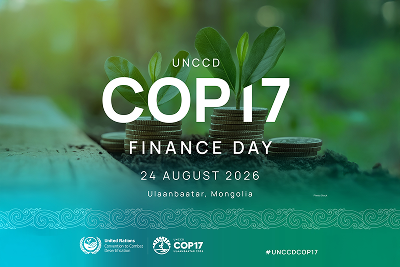
- Finance: Restoring land at scale requires around one billion US dollars per day, but current funding falls far short. Finance Day will bring together ministers of finance, development banks, financial institutions and the private sector to help close this gap and unlock large-scale investment. Discussions will focus on healthy land as an asset class, blended finance and de-risking capital, fiscal policy reform, greener global value chains and the links between land, security and migration.
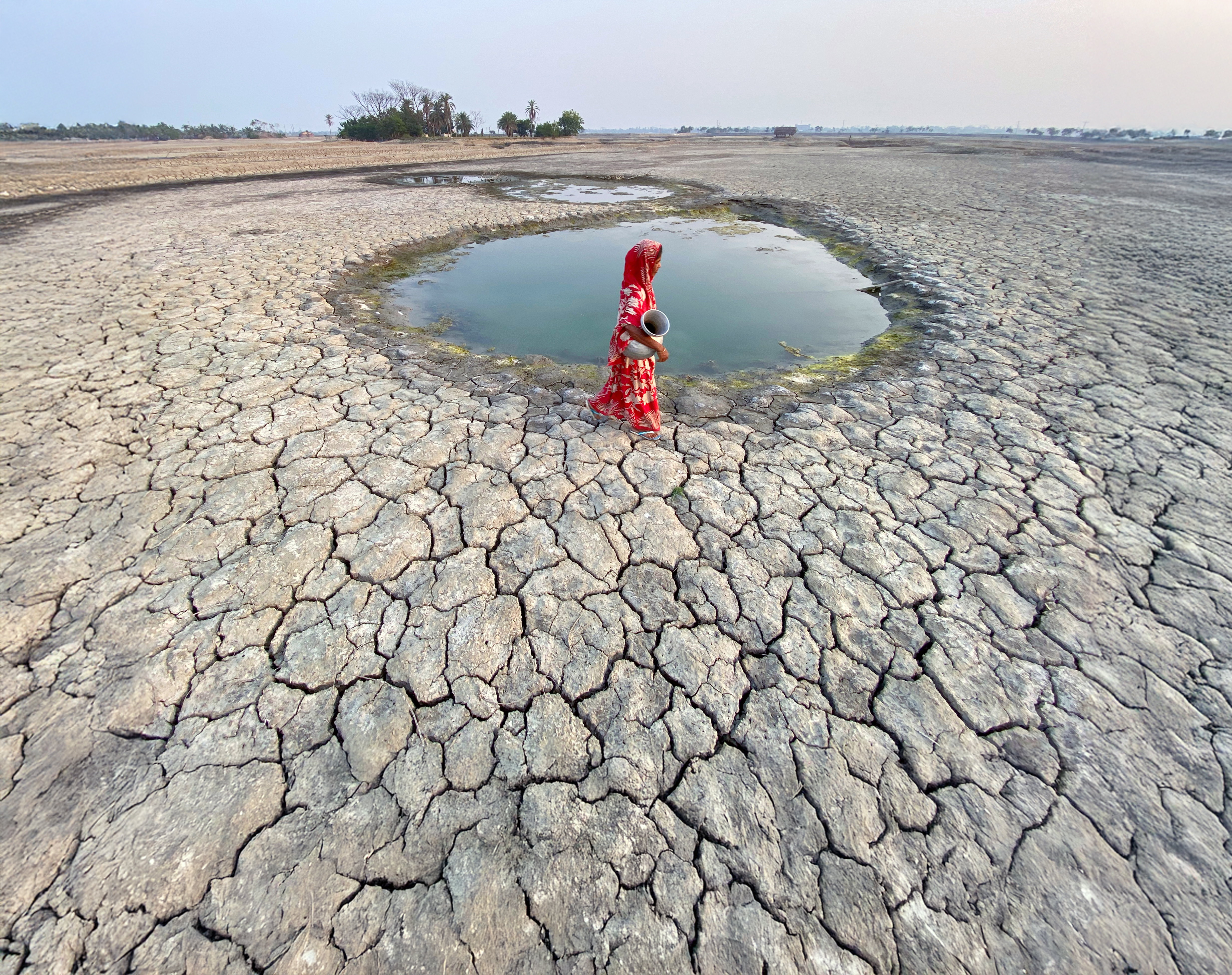
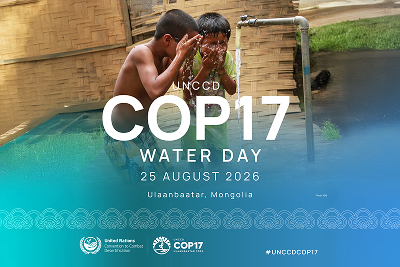
- Water: By 2050, three out of four people worldwide are projected to face drought. Water Day will advance proactive drought risk management and strengthen cooperation on the land-water nexus and the integrated management of water resources. It will also highlight nature-based solutions, ecosystem-based adaptation, climate-resilient water and land systems and financing for drought-resilient landscapes.
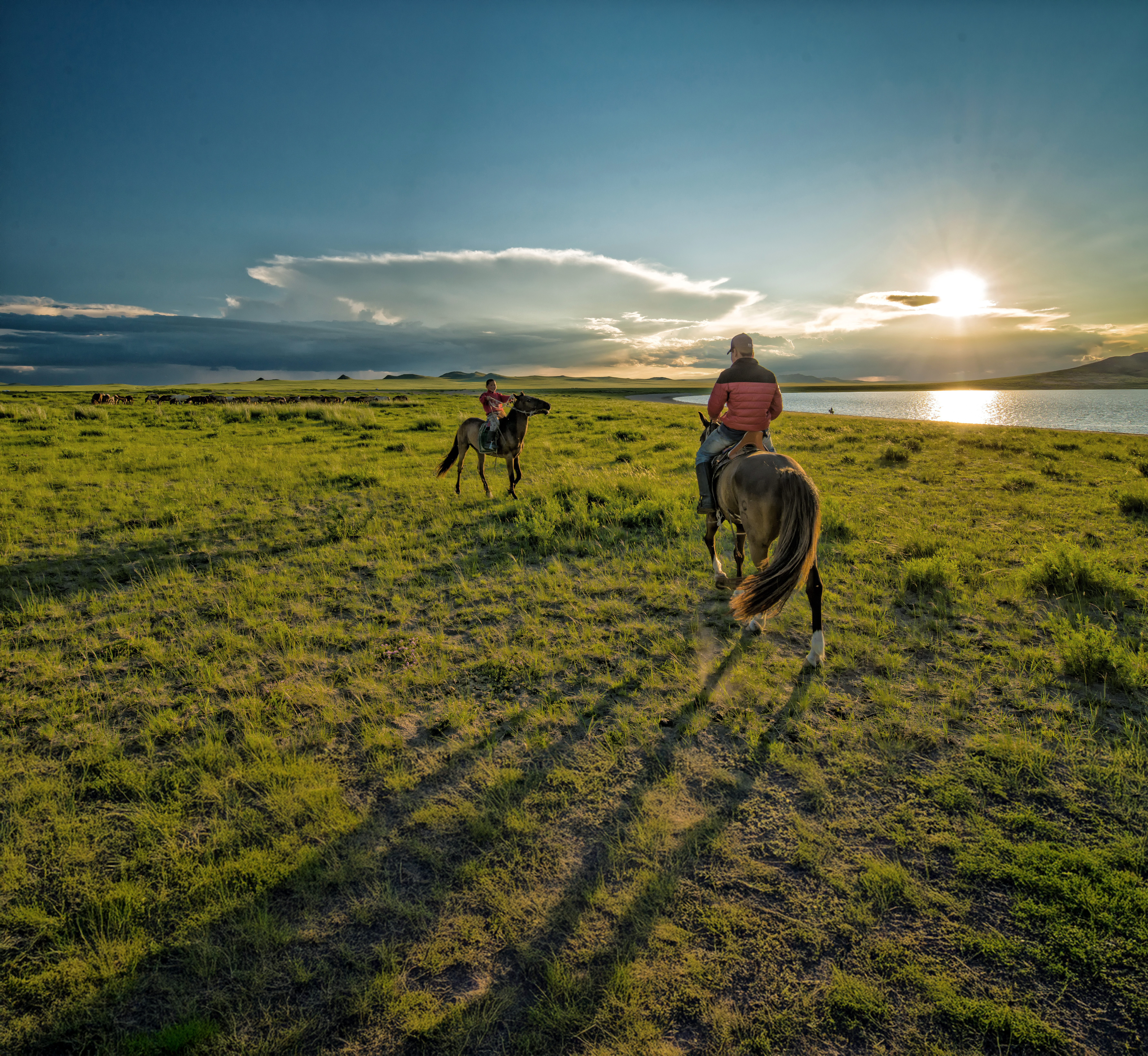
- Land and People: Rangelands support the livelihoods of some 500 million people, but remain among the most undervalued ecosystems globally. Land and People Day will focus on land and rangeland restoration, sustainable land management and inclusive land governance, placing the voices of land stewards at the heart of discussions and highlighting the perspectives of Indigenous Peoples, local communities, pastoralists, youth, women and civil society organizations.
- Food Systems and Soil Health: By 2050, the world will need to produce at least 50 per cent more food, even as food systems remain the leading driver of land degradation globally. Food Systems and Soil Health Day will connect soil restoration to food security, agricultural productivity and the livelihoods of farming communities, while highlighting soil health as a foundation of resilient and productive food systems.
The COP programme will include high-level and special events designed to generate political momentum, mobilize partnerships and support practical outcomes across the four thematic days:
24 August — Finance Day events will include the Ministerial Dialogue on innovative financial mechanisms for healthy land and drought resilience, the Business4Land Forum, Fashion4Land, the Mining Forum, a session on sustainable land-use and drought-resilience finance and a Ministerial Dialogue on Land, Security and Migration. These events are expected to position healthy land as an economic and financial priority, support new pledges and partnerships, expand corporate commitments on land footprint reduction, drought resilience, regenerative supply chains and natural capital disclosure and advance sector-specific commitments in areas such as responsible mining, land rehabilitation, regenerative fibres and traceability. Finance Day is also expected to support work on a common multilateral development bank session on a common taxonomy for sustainable land-use and drought-resilience finance, and the launch of the Rangeland Flagship Initiative.
25 August — Water Day events will include the Ministerial Dialogue on accelerating drought resilience, a Special High-Level Event on Sand and Dust Storms, the Riyadh Global Drought Resilience Partnership Assembly, the full launch of the International Drought Resilience Observatory, following the presentation of its prototype at COP16, a Partnership Forum and a Finance and Investment Session. These events are expected to strengthen cooperation on drought resilience, sand and dust storms and the land-water nexus; mobilize commitments for water-smart land management; identify flagship initiatives for nature-based solutions and watershed restoration; and help align UNCCD implementation with global water security agendas.
26 August — Land and People Day events will include the Ministerial Dialogue on the Restoration of Rangelands and the well-being of pastoralist communities, a High-Level Event on Rangelands, the Peace Forest Initiative High-Level Partners Roundtable, the Youth Forum, the Gender Caucus and Indigenous Peoples and Local Communities Caucus events. These discussions are expected to support new partnerships for community-led land restoration, sustainable rangeland management and land rights; strengthen inclusive land governance; integrate the rights and knowledge of Indigenous Peoples, local communities, pastoralists, women and youth into land degradation neutrality strategies; and mobilize financing that directly benefits land stewards and community-driven approaches.
27 August — Food Systems and Soil Health Day will feature the Special Ministerial and High-Level Event on food systems and soil health, an interactive dialogue, a private sector roundtable and sessions on soil health metrics, repurposing public support, scaling innovative financial solutions and synergies across the Rio Conventions. The programme is also expected to showcase the RAIZ mapping tool — Resilient Agriculture Investment for net-Zero Land Degradation — with Mongolia as a pilot country, to help identify areas with high potential for productive restoration and guide investment in agricultural land recovery. These events are expected to elevate soil health as a pillar of resilient and sustainable food systems, support better assessment and monitoring of soil health, position soil as a productive and economic asset, showcase inclusive and profitable value-chain models for smallholder farmers and mark the International Year of the Woman Farmer.
These events will take place as part of the ambitious Riyadh–Ulaanbaatar Action Agenda for COP17, conceived as a platform to accelerate action and showcase solutions and innovations in finance, policy, coalitions, partnerships, technologies and value chains to restore degraded land, manage and protect water, proactively manage drought, support food security and build resilient economies and societies.
They will bring together political leaders, country delegates, representatives of financial institutions, CEOs, mayors, academia, civil society organizations, parliamentarians and Indigenous and local communities, while aligning with multi-stakeholder fora and thematic discussions on science-policy integration and practical solutions, including untapped financial mechanisms to build drought resilience.
Together, these programme elements will connect policy discussions with practical delivery, translating commitments into action on the ground, with a particular focus on the restoration of soils, agricultural lands and rangelands.
Publication
Women herders and pastoralists are vital stewards of the world’s rangelands, sustaining livestock, managing natural resources and strengthening household and community resilience…