Ministerial dialogue on restoration of rangelands and well-being of pastoralist communities
-
Wednesday, 26 August 2026, 11:00 - 13:00
Background
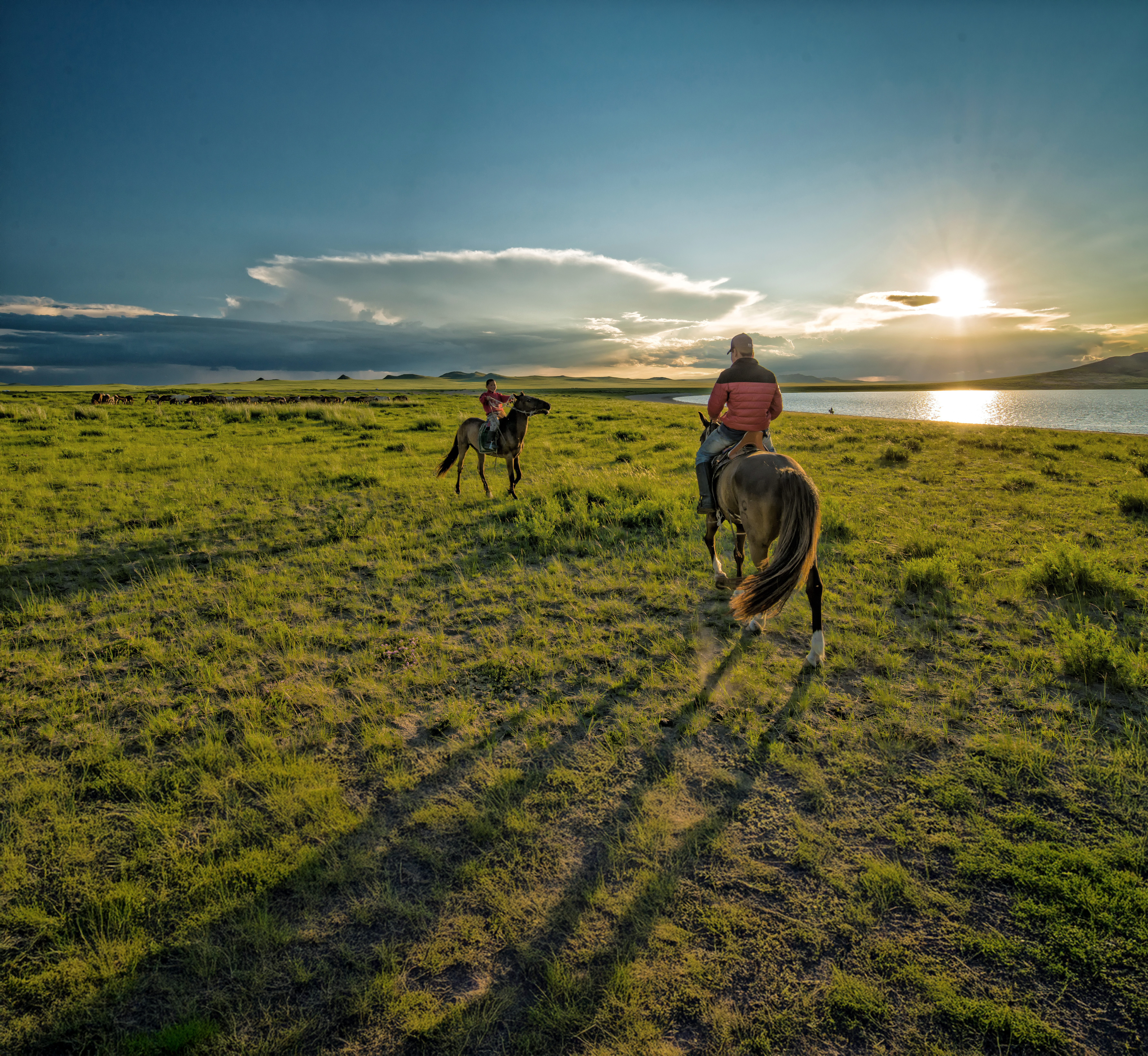
Rangelands — including drylands, grasslands, shrublands, wetlands and deserts — cover over 50 per cent of the Earth’s land surface. Despite their vastness, they are often neglected in global policy agendas. Yet they are the backbone of food security, rural livelihoods and regional economies, supporting millions of pastoralists, regulating water availability and sequestering carbon.
Approximately half of the world’s rangelands are considered degraded due to unsustainable grazing practices, land conversion and climate change. This can exacerbate poverty, migration and biodiversity loss. The ministerial dialogue aimed to elevate rangeland restoration from a niche environmental concern to a major economic development and national security priority.
Objectives
The ministerial dialogue provided an opportunity to exchange views on how stronger policy alignment and land-use planning can prevent rangeland degradation, conversion and fragmentation. It recognized the critical role of pastoralist systems and community-based grazing rights in the stewardship of rangelands.
The dialogue explored the transformative potential of sustainable land management and drought resilience as ways to address growing challenges to the health and productivity of rangelands and the well-being of their communities.
It also considered how to identify rangeland restoration projects ready for investment and bridge the gap between available finance and the needs of rangeland communities. Discussions explored incentive mechanisms such as payments for ecosystem services and sustainable supply chains for higher-value products.
Key topics
- Inclusive governance: Securing legitimate land rights for pastoralists and Indigenous rangeland communities to support long-term stewardship and reduce conflict over land resources, for example through collaboration between local authorities and pasture user groups
- Economic resilience: Creating partnerships and mechanisms that support diversified livelihoods, market access and benefit-sharing through sustainable value chains for livestock products and other rangeland commodities such as gums and resins, specialized wool, handicrafts and ecotourism
- Environmental benefits: Promoting soil health, water regulation, carbon sequestration and other ecosystem services that safeguard rangeland health, including through policy incentives and technological innovation in assessment, monitoring and adaptive management
Expected outcomes
The dialogue aimed to encourage commitments by country Parties and partners to adopt and scale up sustainable rangeland management and restoration initiatives as contributions to their land degradation neutrality targets and national biodiversity, climate and adaptation plans.
It also promoted awareness-raising and capacity-building to integrate rangeland stewardship and sustainable pastoralism into budget allocations, extension services and national development policies and programmes.