Surface Flooding
Surface flooding involves using water delivery systems, such as lateral pipes, bubblers or distributed sprinklers, to apply water until at least 75% of the treatment area is covered. This method is highly effective at reducing dust emissions because standing water completely suppresses particles and captures those that enter the flooded area. The water depth is generally shallow but sufficient to keep the soil covered when considering evaporation or wind-driven movement of water. This differs from surface wetting, which only dampens the soil rather than providing full coverage.
Surface flooding is a viable option when sufficient water is available and the treatment area is confined to narrow elevation bands or graded or levelled areas, thereby maximising the flooded area while minimising water demand. If flooding is adopted on a seasonal basis, the timing should be adjusted to account for periods of peak wind erosion potential. This often requires significant investment in land preparation and water distribution infrastructure. The initial mechanical levelling of the land and development of the infrastructure can generate surface disturbance, including the construction of roads across fragile areas. Non-potable (recycled) or saline water can be used if the land being flooded has a naturally high salt content, leading to the potential formation of a brine cap.
Another related nature-based solution involves restoring natural wetland flows. As with dry lakebeds, desiccated or degraded wetlands can become sources of SDS emissions. Restoring natural flooding regimes by redirecting water to floodplains often requires more water than shallow flooding. While this approach can be relatively cost-efficient and usually requires little to no maintenance, it may reduce water availability for other productive uses. Healthy wetlands offer significant co-benefits, including providing habitats for fish, migratory birds, and other wildlife, improving water quality, sequestering carbon, and providing flood mitigation. Nevertheless, it takes considerable time to fully restore wetland ecosystems, so the conservation of existing wetlands in arid environments should be prioritised.
Case Study
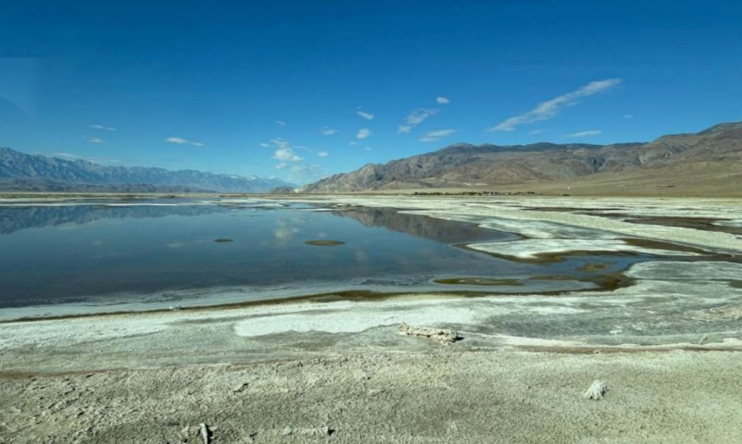
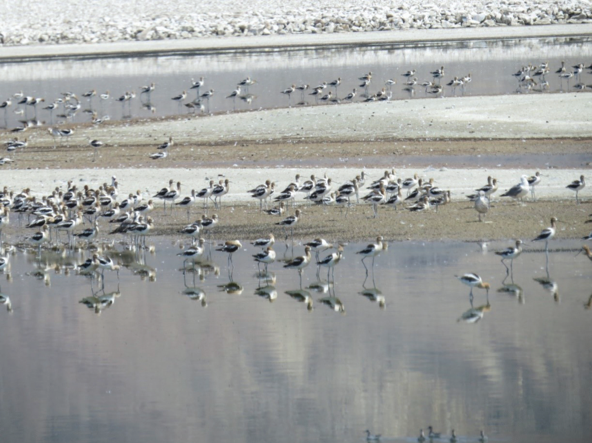
In 2020, permanent shallow flooding at Owens Lake cost approximately USD 32 million per square mile, not including the cost of acquiring or conveying water. Although it was the most expensive short-term dust control option available, it required the least ongoing maintenance and was highly successful at controlling severe dust emissions from the dry lakebed while providing valuable habitat for migratory birds.
Surface Flooding at Owens Lake, Utah
References and Good Practice Guidance
- Effectiveness and Impacts of Dust Control Measures for Owens Lake
- Dust Mitigation Options and Costs for Great Salt Lake
- Wetland shrinking and dust pollution in Khuzestan Iran: insights from sentinel-5 and MODIS satellites
- Wise Use of Wetlands in Australia.
- Freshwater wetland restoration and conservation are long-term natural climate solutions
Biome/Climatic Zone
Anthropogenic/Land Use