Ministerial dialogue on drought resilience
-
Tuesday, 25 August 2026 | 10:00–13:00 | Ulaanbaatar, Mongolia
Background
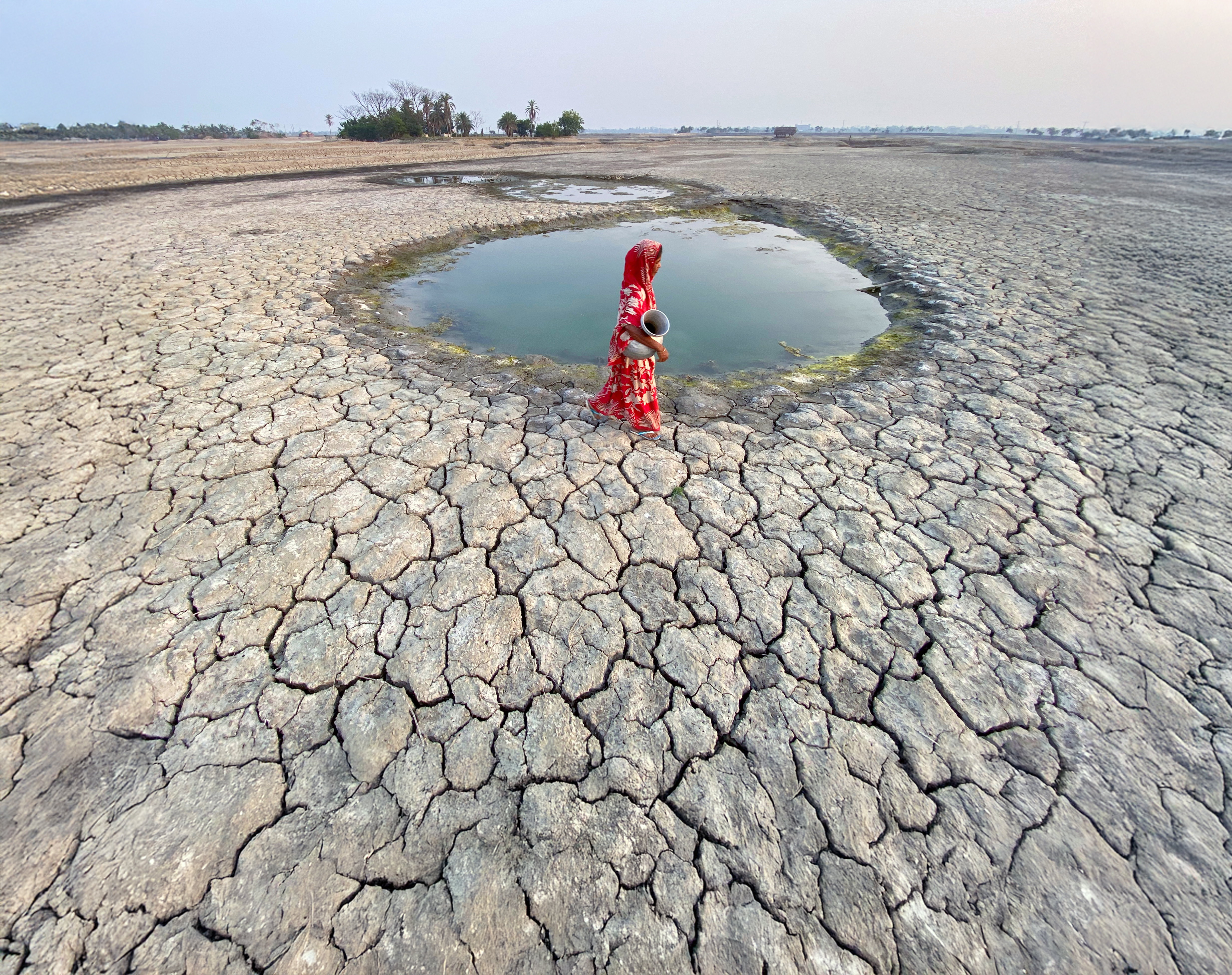
Drought is one of the most pervasive global challenges of the twenty-first century, threatening food and water security, ecosystems, public health, economic stability and sustainable development. Climate change, unsustainable land and water management, biodiversity loss and growing pressure on natural resources are increasing the frequency, duration and severity of droughts worldwide, with disproportionate impacts on vulnerable communities including women, youth, farmers, pastoralists and dryland populations.
Recent droughts across Africa, Europe, Asia, the Americas and Australia have disrupted agriculture, water supplies, energy systems, livelihoods and ecosystems. Early warning, preparedness and anticipatory action can significantly reduce the impacts of drought when supported by effective governance, financing and coordination.
Building on the outcomes of UNCCD COP16, CRIC23, the Tafa’ul Process and other global initiatives, this ministerial dialogue elevated drought resilience as a political and development priority. It provided a platform for ministers and senior representatives to exchange experiences, strengthen partnerships and identify practical actions to advance implementation, mobilize resources and promote a shared vision for drought resilience under the UNCCD.
Objectives
The dialogue aimed to identify practical approaches to strengthen drought governance, partnerships and investment and shift from reactive response to proactive risk reduction and resilience.
Discussions focused on integrating drought resilience into national development, land restoration, food and water security, climate adaptation, biodiversity conservation and sustainable livelihoods. They also explored opportunities to strengthen financing, science-policy cooperation, early warning systems and international collaboration.
Key topics
- Transformative drought governance: Strengthening integrated governance that prioritizes risk reduction, preparedness and long-term resilience
- Financing drought resilience: Mobilizing innovative finance, partnerships and investment to scale up action and support vulnerable countries and communities
- Science, early warning and resilient systems: Enhancing monitoring, forecasting, early warning, science-policy collaboration and sustainable land and water management
- Partnerships and international cooperation: Expanding collaboration among governments, international organizations, financial institutions, scientists, civil society and other partners to accelerate implementation and knowledge-sharing
Expected outcomes
The dialogue aimed to reaffirm political commitment to making drought resilience a central pillar of sustainable development, climate adaptation and environmental action. It helped strengthen partnerships, mobilize resources and advance a shared vision for proactive drought management under the UNCCD, contributing to ambitious outcomes at COP17 and sustained action beyond the Conference.