News & stories

Latest
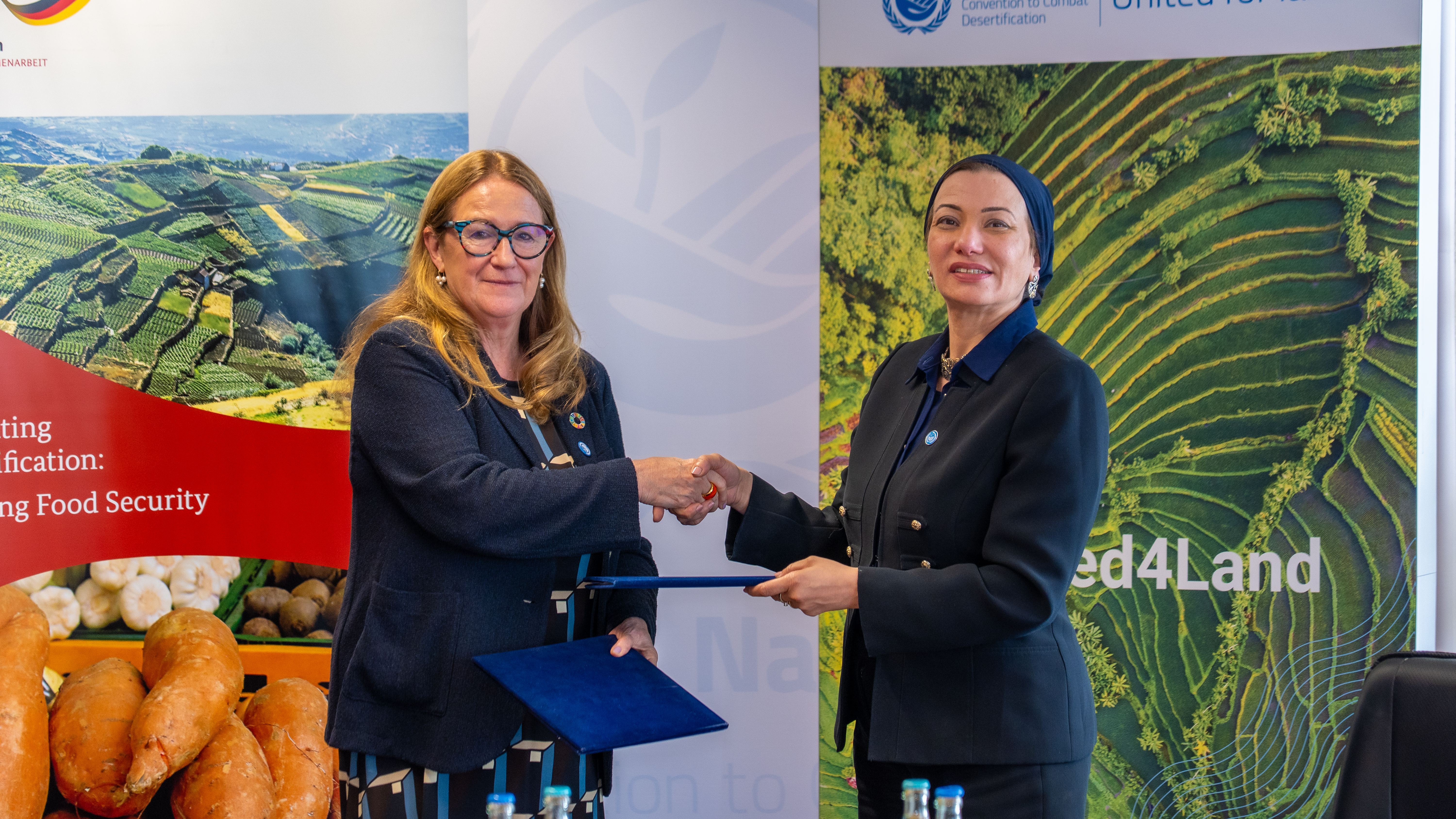
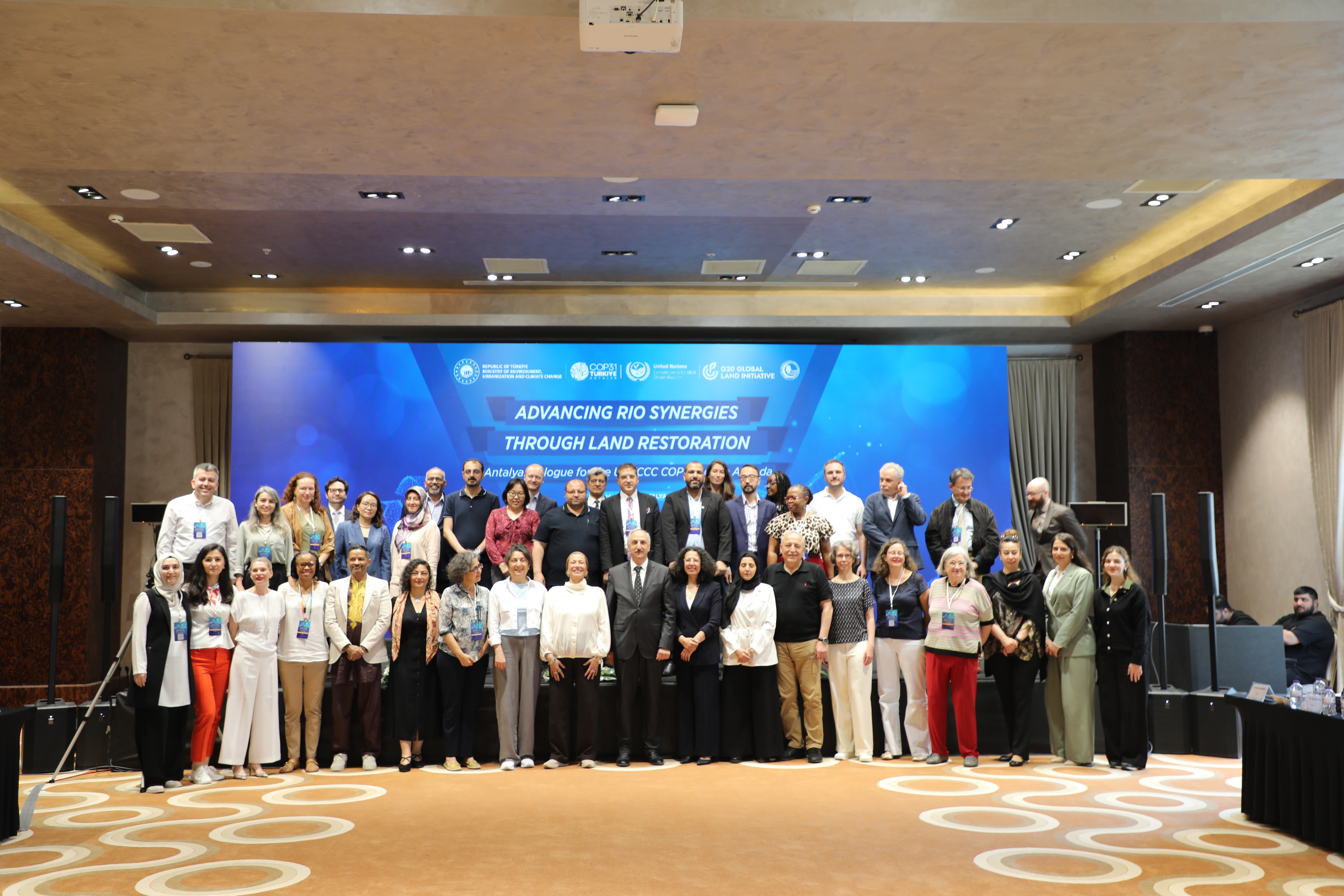
Following a key decision at COP16 in Riyadh in December 2024, the process to shape the future direction of the UN Convention to Combat Desertification (UNCCD) is now officially underway. The COP Bureau has approved the Terms of Reference for the Intergovernmental Working Group on the Future Strategic Framework (IWG-FSF), paving the way for nominations. The IWG-FSF will lead the development of a post-2030 strategy for the Convention. Its mandate includes identifying key elements, including possible goals and targets, for the future strategic framework, and conducting a thorough analysis of the current indicators used in national reporting. Building on the milestones of the 2018–2030 Strategic Framework, the IWG-FSF will also consider lessons from its midterm evaluation, insights from the IWG on Drought and broader UN indicators, such as the Sustainable Development Goals. Each regional annex will nominate three representatives. In addition, the group will include five technical experts: one each from civil society and international organizations and three independent experts. The deadline to nominate civil society representatives is 26 May 2025The deadline to nominate independent science experts is 13 June 2025The deadline to nominate regional representatives is 4 July 2025 Final appointments will be made within two months of the Terms of Reference approval. The approved Terms of Reference will be shared with Parties through the UNCCD national focal points and science and technology correspondents. The IWG-FSF is expected to deliver an interim progress report at the 23rd session of the Committee for the Review of the Implementation of the Convention (CRIC 23) in December 2025.

To what extent are a country’s economy, people, and infrastructure able to cope with drought and how can they do better? That is what the latest initiative of IDRA looks to answer, as 75 per cent of Earth’s land has become permanently drier in the last three decades and drought is driving forced displacement, disrupting shipping and hampering food and energy production around the world.The International Drought Resilience Observatory (IDRO), the first global AI-driven platform for proactive drought management, unveiled its prototype at the 16th Conference of the Parties (COP16) of the UN Convention to Combat Desertification (UNCCD) in Riyadh, which laid the groundwork for a future global drought regime.As the tool enters its final development phase ahead of the next UN land conference, which will take place in Mongolia in 2026, IDRO developers and partners break down what sets the Observatory apart, how it fits with existing drought-related initiatives, and why it matters for climate change adaptation.What kind of insights does IDRO provide?IDRO sheds light on the capacity of territories to anticipate, prepare for, and adapt to drought from various perspectives —built environments, natural environments, communities, and the economy. By selecting different variables, users from the global to the local level can generate visualizations to understand where the pain points are and set priorities for action.“With IDRO, authorities and land and water managers will be able to analyze and visualize key drought resilience indicators as the basis for better decisions,” says UNCCD Senior Advisor Edgar Gutiérrez-Espeleta.Importantly, users needn’t be specialists to use, and draw value from, the tool, which can support interventions across global, regional, country, and local scales.Why do we need an International Drought Resilience Observatory?“We must move from merely assessing drought risks towards building resilience,” says Andrea Toreti, senior scientist at the European Commission’s Joint Research Centre (EC- JRC), who coordinates the Copernicus European and Global Drought Observatories. “This is precisely IDRO’s added value: helping to quantify and evaluate the drought resilience status of a place to inform action on the ground.”The confirmation of 2024 as the warmest year on record highlights the growing urgency to turn science and data into policies and policies into action.“Simply put, we cannot adapt to climate change without building drought resilience,” says Roger Pulwarty, Senior Scientist at the Physical Sciences Laboratory of the US National Oceanic and Atmospheric Administration (NOAA). State Secretary of Environment of Spain Hugo Morán, UNCCD Executive Secretary Ibrahim Thiaw, Deputy Minister for Environment of Saudi Arabia Osama Faqeeha, Minister of Environment and Ecological Transition of Senegal Daouda Ngom, and European Commissioner for Environment, Water Resilience and a Competitive Circular Economy Jessika Roswall, during the IDRO presentation at COP16 in December 2024.What unique value does IDRO add to existing drought databases and tools?In the past decade, experts have produced a wealth of data, indicators and metrics on drought and have advocated for a shift in emphasis from response to preparedness. However, the breadth and complexity of this information and the fact that it is scattered means it can be hard for busy decision-makers to use it.IDRO will draw on the best available data globally —including NASA’s and Copernicus’— to answer queries in a format that non-specialists can easily assimilate.“IDRO will package complex drought resilience information into accessible, customizable, and highly actionable formats, unlocking a world of possibilities in terms of assessing priorities, targeting investments, and monitoring progress,” says Hugo Morán, State Secretary of Environment of Spain, which co-chairs IDRA.Who is leading the development of IDRO?IDRO is an initiative of the International Drought Resilience Alliance (IDRA), a global coalition of more than 70 countries and organizations hosted by the UNCCD.The creation of the Observatory is overseen by the IDRA secretariat in collaboration with the Yale Center for Ecosystems + Architecture, which acts as a developer, and top experts from governmental, non-governmental, multilateral, and research organizations from around the world.At a COP16 event on IDRO, Executive Secretary of UNCCD Ibrahim Thiaw pointed out the systemic nature of drought and the need to tackle it together: “We can only achieve meaningful results by joining forces; IDRO is a perfect example of the collaborative mindset we require to protect people from impending and future droughts.”The Minister of Environment and Ecological Transition of Senegal Daouda Ngom, who co-chairs IDRA, also welcomed the development of the Observatory: “It reaffirms our joint commitment to making drought resilience a cornerstone of sustainable development and international cooperation.”What initiatives does IDRO build on?The Drought Initiative, launched by UNCCD in 2018, has already supported more than 70 countries in creating national drought plans and improving the technical and institutional capacity to enhance drought management. Additionally, it put together a toolbox that stakeholders can use to boost the resilience of people and ecosystems to drought.How does IDRO relate to initiatives like the Riyadh Drought Partnership?Unveiled at UNCCD COP16, the Riyadh Global Drought Resilience Partnership is a financial facility launched by Saudi Arabia —an IDRA member since 2024— to support 80 of the world’s most vulnerable countries in preparing for drought.IDRA, which is currently focused on mobilizing political will and developing innovative tools like IDRO, is proud to have inspired the Partnership and the Arab Coordination Group to raise USD 12.15 billion for the land and drought agenda, as announced during COP16.“IDRO will provide critical information to vulnerable communities and synergize with the Riyadh Partnership,” said Deputy Minister for Environment of Saudi Arabia Osama Faqeeha at an IDRO event at the UN conference.What is next for IDRO?IDRA is convening leading drought experts and allies to fine tune suitable environmental and social indicators for drought resilience; further develop the functionalities of the Observatory, which harnesses remote-sensing data and AI; and enhance data collection and visualization. The final version of IDRO, with all its functionalities, is expected to launch at UNCCD COP17 in Mongolia in 2026.

Riyadh, Saudi Arabia, 14 December — After two weeks of intense negotiations on how to tackle land degradation, desertification and drought, the largest and most inclusive United Nations land conference wrapped up in Riyadh, Saudi Arabia.The nearly 200 countries convening at the 16th Conference of the Parties (COP16) to the United Nations Convention to Combat Desertification (UNCCD) committed to prioritize land restoration and drought resilience in national policies and international cooperation as an essential strategy for food security and climate adaptation. Nations also made significant progress in laying the groundwork for a future global drought regime, which they intend to complete at COP17 in Mongolia in 2026. In the meanwhile, more than USD 12 billion were pledged to tackle desertification, land degradation and drought around the world, especially in the most vulnerable countries.Among the main agreements reached at COP16 were the creation of a Caucus for Indigenous Peoples and a Caucus for Local Communities to ensure that their unique perspectives and challenges are adequately represented; a continuation of the Convention’s Science-Policy Interface to strengthen science-based decision-making, and the mobilization of private sector engagement under the Business4Land initiative.COP16 was the largest and most inclusive UNCCD COP to date: it attracted more than 20,000 participants, around 3,500 of them from civil society, and featured more than 600 events as part of the first Action Agenda to involve non-state actors in the work of the Convention.In a prepared statement, United Nations Deputy Secretary-General Amina J. Mohammed emphasized “Our work does not end with the closing of COP16. We must continue to tackle the climate crisis—it is a call to action for all of us to embrace inclusivity, innovation, and resilience. Youth and Indigenous peoples must be at the heart of these conversations. Their wisdom, their voices, and their creativity are indispensable as we craft a sustainable future with renewed hope for generations to come.”In his closing remarks, COP16 President, Saudi Arabia’s Minister of Environment, Water and Agriculture Abdulrahman Alfadley, said the meeting marked a turning point in raising international awareness of the pressing need to accelerate land restoration and drought resilience.“The Kingdom’s hosting of this important conference reflects its ongoing commitment to environmental issues and sustainable development. It reaffirms its dedication to working with all parties to preserve ecosystems, enhance international cooperation to combat desertification and land degradation, and address drought. We hope the outcomes of this session will lead to a significant shift that strengthens efforts to preserve land, reduce its degradation, build capacities to address drought, and contribute to the wellbeing of communities around the world.”Addressing COP16 closing plenary, Under-Secretary-General and UNCCD Executive Secretary Ibrahim Thiaw stated: “As we have discussed and witnessed, the solutions are within our grasp. The actions we took today will shape not only the future of our planet but also the lives, livelihoods, and opportunities of those who depend on it.”He further emphasized a significant shift in the global approach to land and drought issues, highlighting the interconnected challenges with broader global issues such as climate change, biodiversity loss, food security, forced migration, and global stability.Financial needs and pledgesDuring the Conference, participants heard that UNCCD estimates that at least USD 2.6 trillion in total investments are needed by 2030 to restore more than one billion hectares of degraded land and build resilience to drought. This equals USD 1 billion in daily investments between now and 2030 to meet global land restoration targets and combat desertification and drought.New pledges for large-scale land restoration and drought preparedness were announced, such as the Riyadh Global Drought Resilience Partnership which attracted USD 12.15 billion to support 80 of the world’s most vulnerable countries in building their resilience to drought, including a USD 10 billion pledge from the Arab Coordination Group.The Great Green Wall (GGW), an African-led initiative to restore 100 million hectares of degraded land, also mobilized EUR 11 million from the Italian Government for landscape restoration in the Sahel and EUR 3.6 million from the Austrian Government to strengthen the coordination and implementation of the initiative across 22 African countries. The drive is part of the GGW Accelerator, a UNCCD-supported effort to achieve the ambitions for a greener, more prosperous Sahel.Additionally, the United States and several partner countries and organizations announced total investments of nearly USD 70 million to advance the Vision for Adapted Crops and Soils (VACS). The initiative looks to build resilient food systems grounded in diverse, nutritious, and climate-adapted crops grown in healthy soils.The first-ever UNCCD COP in the Middle East and North Africa provided an opportunity to shine a light on the specific challenges facing the region and bring to the fore innovative solutions to land degradation and drought.The Kingdom of Saudi Arabia announced five new projects valued at USD 60 million to ramp up climate and environmental efforts as part of the Saudi Green Initiative. The UNCCD COP16 Presidency also announced the launch of an international sand and dust storm monitoring initiative. This effort, part of a regional early warning system, aims to complement existing efforts overseen by the World Meteorological Organization (WMO).The International Drought Resilience Observatory (IDRO), the first global AI-driven platform to help countries assess, and enhance, their capacity to cope with harsher droughts. This innovative tool is an initiative of the International Drought Resilience Alliance (IDRA), which Saudi Arabia joined earlier this year. Greater voice for Indigenous Peoples and other non-state actorsIn a landmark decision, Parties requested the creation of a Caucus for Indigenous Peoples and a Caucus for Local Communities. The objective is to ensure that their unique perspectives and priorities are adequately represented in the work of the Convention. The declaration ‘Sacred Lands’, presented during the inaugural Indigenous Peoples’ Forum at a UNCCD COP, underscored the role of Indigenous Peoples in sustainable resource management and called for greater involvement in global land and drought governance, including through participation in land restoration efforts.“Today, history has been made”, said Indigenous People representative Oliver Tester from Australia. “We look forward to championing our commitment to protect Mother Earth through a dedicated Caucus, and leave this space trusting that our voices be heard.”COP16 also saw the biggest youth participation to date, building on the UNCCD Youth Engagement Strategy and Action Plan, that seeks to give youth a more prominent role in land and drought negotiations and action, and provide technical and financial support for youth-led initiatives.On the gender front, countries underscored the need to pay special attention to all forms of discrimination faced by women and girls when designing and implementing policy and programmes related to land degradation and drought.In recognition of the important role of the private sector, which currently contributes only 6% of financing towards land restoration and drought resilience, Parties have mandated the UNCCD Secretariat and the Global Mechanism to mobilize private sector engagement under the Business4Land initiative. The decision emphasizes the critical role of private sector advocacy, environmental, social, and governance (ESG) strategies, and sustainable finance in addressing DLDD challenges. The decision comes after the Business4Land Forum, which brought together the largest-ever number of private sector participants at a UNCCD COP — more than 400— from industries like finance, fashion, agri-food, and pharmaceuticals.Stronger science on land and droughtAcknowledging the role of science as the foundation for sound policies, the Parties agreed on the continuation of UNCCD’s Science-Policy Interface (SPI), which was created at COP11 in 2013 to translate scientific findings into recommendations for decision-makers. At COP16, for instance, the SPI presented definitive evidence that three quarters of the Earth’s ice-free surface have become permanently drier in the past 30 years, with a predicted five billion people living in drylands by 2100, showing the urgency to take action.A new UNCCD report, The Global Threat of Drying Lands: Regional and global aridity trends and future projections, revealed that some 77.6% of Earth’s land has experienced drier conditions since the 1990s compared to the previous 30-year period. Over the same period, drylands — an arid area with low rainfall— expanded by about 4.3 million km2 equal to an area nearly a third larger than India, the world’s 7th largest country. Drylands now cover 40.6% of all land on Earth excluding Antarctica.Seven of nine planetary boundaries are negatively impacted by unsustainable land use, highlighted the UNCCD report Stepping back from the precipice: Transforming land management to stay within planetary boundaries, produced in collaboration with the Potsdam Institute for Climate Impact Research, which explains how land degradation is undermining Earth’s capacity to sustain a growing human population. The report reiterates that agriculture accounts for 23% of greenhouse gas emissions, 80% of deforestation, and 70% of freshwater use, and calls for an urgent land use transition to step away from the precipice.According to UNCCD’s newly released World Drought Atlas and Economics of Drought Resilience reports, droughts affect the livelihoods of 1.8 billion people worldwide, pushing already vulnerable communities to the brink. They also cost an estimated USD 300 billion per year, threatening key economic sectors such as agriculture, energy and water.From Riyadh to MongoliaFor the first time, UNCCD Parties made a decision encouraging the sustainable management, restoration and conservation of rangelands — vast ecosystems used for grazing — ahead of COP17, to be hosted by Mongolia in 2026 during the International Year of Rangelands and Pastoralists. These ecosystems cover half of the Earth’s terrestrial surface and are the dominant land use in the world’s drylands, but have long been overlooked and are disappearing faster than rainforests.The degradation of rangelands threatens one-sixth of global food supplies, potentially depleting one-third of the Earth's carbon reserves. Some two billion people who live in pastoral areas are among the world’s most vulnerable in the face of desertification, land degradation and drought.ENDNOTESMedia inquiries:For media enquiries, please contact the UNCCD Press Office at press@unccd.int or unccd@portland-communications.comCOP16 decisions are available here: https://www.unccd.int/cop16/official-documentsAbout UNCCDThe United Nations Convention to Combat Desertification (UNCCD) is an international agreement on good land stewardship. It helps people, communities and countries create wealth, grow economies and secure enough food, clean water and energy by ensuring land users an enabling environment for sustainable land management. Through partnerships, the Convention’s 197 Parties set up robust systems to manage drought promptly and effectively. Good land stewardship based on sound policy and science helps integrate and accelerate achievement of the Sustainable Development Goals, builds resilience to climate change and prevents biodiversity loss.About COP16The Conference of the Parties (COP) was established by the Convention as its main decision-making body. It is made up of UNCCD’s 197 Parties (196 countries and the European Union) and is responsible for guiding the Convention so that it can respond to global challenges and national needs. UNCCD COP16 will be a landmark event to raise global ambition and accelerate action on land and drought resilience through a people-centred approach. Coinciding with the Convention’s 30th anniversary, UNCCD COP16 was the first major UN conference hosted by the Kingdom of Saudi Arabia. It was also the first time a UNCCD COP was held in the Middle East and North Africa (MENA) region, which knows firsthand the impacts of desertification, land degradation and drought.

Negotiations on a future global drought regime get underway at UNCCD COP16US$ 2.15 billion pledged for the Riyadh Global Drought Resilience PartnershipWorld Drought Atlas highlights global drought impacts and resilience solutionsInternational Drought Resilience Observatory will provide first global, AI-driven data platform to assess drought resilience globallyRiyadh, Saudi Arabia, 3 December 2024 — Negotiations on a global drought regime are set to dominate the 16thConference of the Parties to the United Nations Convention to Combat Desertification (UNCCD COP16) as 197 Parties gather to address one of the world’s deadliest and costliest disasters. The conference opened on Monday, 2 December with major political and financial commitments to strengthen drought resilience worldwide. Drought, intensified by climate change and unsustainable land practices, has surged by nearly 30 per cent in frequency and intensity since 2000, threatening agriculture, water security, and the livelihoods of 1.8 billion people, with the poorest nations bearing the brunt.In his opening remarks, Ibrahim Thiaw, UNCCD Executive Secretary, said: “We are all gathered here to make COP16 a historic moment. The world expects Parties to adopt a bold decision that can help turn the tide on the most pervasive and the most disruptive environmental disaster: drought.” In a video message to delegates at UNCCD COP16 in Riyadh, United Nations Deputy Secretary-General Amina J. Mohammed emphasized the growing challenges posed by land degradation and drought: “Never before have so many people been affected by land degradation and drought. 40 per cent of fertile land is now degraded. And the results are dire: rising inequalities, people hungry, people displaced. Livelihoods and businesses threatened, environments destroyed, and the foundation of peace, stability and security rocked. On the basis of current trends, by 2050, three in four people, will be affected by drought worldwide. But you are in Riyadh to turn the tide.” Newly elected COP16 President Abdulrahman Alfadley, Saudi Arabia’s Minister of Environment, Water, and Agriculture, echoed these concerns, noting that degraded land already affects three billion people globally and will “increase levels of migration, stability, and insecurity among many communities.”COP16 will focus on establishing the first global regime for drought resilience, addressing the systemic risks of drought highlighted in multiple articles of the UNCCD and decisions from the past seven COPs. Governments are expected to negotiate commitments to enhance resilience at all levels, building on recommendations from the Intergovernmental Working Group on Drought established at COP15.Riyadh Global Drought Resilience Partnership Secures $2.15 Billion in CommitmentsThe Riyadh Global Drought Resilience Partnership, announced today by the Kingdom of Saudi Arabia as UNCCD COP16 host, will leverage public and private finance to support 80 of the most vulnerable and drought-hit countries around the world. An initial US $2.15 billion have been pledged towards the Riyadh Partnership by the Kingdom of Saudi Arabia (US$150 million), the Islamic Development Bank (US$1 billion) and the OPEC Fund for International Development (US$1 billion). The Arab Coordination Group, which encompasses 10 institutions headquartered in five countries, is expected announce its pledge on day two of COP16.“The Riyadh Drought Resilience Partnership will serve as a global facilitator for drought resilience, promoting the shift from reactive relief response to proactive preparedness. We also seek to amplify global resources to save lives and livelihoods around the world,” said Dr Osama Faqeeha, Deputy Minister for Environment, Ministry of Environment, Water and Agriculture of Saudia Arabia and Advisor to the UNCCD COP16 Presidency. The Partnership will work to source additional funding through voluntary contributions by countries, financial institutions, and philanthropic organizations, among others. The financial and in-kind contributions help least developed countries (LDCs) and lower middle-income countries to unlock access to additional financing through blended financing such as concessional loans, commercial loans, equity participation, savings, insurance and other financial schemes.State Secretary of Environment of Spain Hugo Morán, said: “For Spain and Senegal, the co-chairs the International Drought Resilience Alliance (IDRA), promoting international cooperation is a key priority. We are working very hard to mobilize political momentum and resources for drought resilience all over the world. However, much remains to be done. This is why we welcome the Riyadh Partnership and its potential to mobilize additional resources for drought resilience with a focus on the least developed countries and the lower middle-income countries. We look forward to collaborating with Saudi Arabia and the UNCCD Secretariat to leverage synergies between IDRA and this new partnership.” Negotiations on drought underwayA major focus of COP16 will be negotiations on a future global regime on drought resilience, the first of its kind. Multiple articles of the Convention text refer to drought and the last seven UNCCD COPs also have decisions related to drought. The Drought Resilience + 10 Conference, held in Geneva from 30 September to 2 October 2024, concluded that “the increasingly systemic nature of drought requires new approaches, policy instruments and the operationalization of national drought plans along the lines of proactive and integrated drought management.”It is expected that the negotiations among governments, culminating at UNCCD COP16, will result in robust commitments to strengthen community, national and international resilience to anticipate, respond to and recover from the impacts of impending or ongoing droughts, building on the policy options presented by the Intergovernmental Working Group on Drought established at COP 15.“After 30 years of deliberations, including six consecutive years of intergovernmental working groups, all eyes are on us. This is a lot of pressure, but we must seize this pivotal moment in Riyadh. Together, we can reverse the trends of land degradation and build a more resilient world to drought,” said UNCCD’s Thiaw. World Drought Atlas and International Drought Resilience ObservatoryAmid escalating global drought crises, the UNCCD, in collaboration with the European Commission Joint Research Centre (JRC) and partners, launched the World Drought Atlas, highlighting the systemic risks of drought across critical sectors like energy, agriculture, river transport and trade, using maps, infographics and case studies to showcase its cascading impacts on inequality, conflict and public health. In addition, the International Drought Resilience Alliance (IDRA) introduced the prototype International Drought Resilience Observatory (IDRO) — an AI-powered global platform designed to empower diverse stakeholders, from policymakers to communities, with actionable insights for building drought resilience. The full version of IDRO will debut at UNCCD COP17 in Mongolia in 2026, marking a shift towards proactive drought management worldwide. Anna Dyson, Founding Director of Yale Center for Ecosystems + Architecture, explained: “Although a wealth of knowledge is emerging on drought resilience globally, it tends to be scattered and difficult to access. The Observatory will enable quick access to diverse expertise and tools needed to anticipate, prepare for, and adapt to drought challenges. Connecting insights with powerful analytics, it delivers timely, actionable information while addressing critical gaps in risk and adaptive strategies.Media inquiries:For media enquiries please contact the UNCCD Press Office at press@unccd.intAbout UNCCDThe United Nations Convention to Combat Desertification (UNCCD) is an international agreement on good land stewardship. It helps people, communities and countries create wealth, grow economies and secure enough food, clean water and energy by ensuring land users an enabling environment for sustainable land management. Through partnerships, the Convention’s 197 Parties set up robust systems to manage drought promptly and effectively. Good land stewardship based on sound policy and science helps integrate and accelerate achievement of the Sustainable Development Goals, builds resilience to climate change and prevents biodiversity loss. About COP16 The Conference of the Parties (COP) was established by the Convention as its main decision-making body. It is made up of UNCCD’s 197 Parties (196 countries and the European Union) and is responsible for guiding the Convention so that it can respond to global challenges and national needs. UNCCD COP16 will be a landmark event to raise global ambition and accelerate action on land and drought resilience through a people-centred approach. It will coincide with the Convention’s 30th anniversary. UNCCD COP16 is the first major UN conference hosted by the Kingdom of Saudi Arabia. It will also be the first time a UNCCD COP is held in the Middle East and North Africa (MENA) region, which knows firsthand the impacts of desertification, land degradation and drought. About IDRAThe International Drought Resilience Alliance (IDRA) is the first global coalition creating political momentum and mobilizing financial and technical resources for a drought-resilient future. As a growing platform of more than 70 countries and institutions, IDRA draws on the collective strengths of its members to advance policies, actions, and capacity-building for drought preparedness, acknowledging we are only as resilient to drought and climate change as our land is. The work of IDRA is aligned with, and supportive of, the mandate of the United Nations Convention to Combat Desertification (UNCCD), which hosts the IDRA Secretariat. For more information: https://idralliance.global.Photo: (c) IISD-ENB Anastasia Rodopoulou

Today, up to 40 per cent of the world's land is degraded, affecting half of humanity and with dire consequences for our climate, biodiversity and people’s livelihoods. Droughts are becoming more frequent and severe, increasing by 29% since 2000 due to climate change and unsustainable land management. If current trends continue, restoring 1.5 billion hectares of land by 2030 will be necessary to achieve a land-degradation-neutral world.In a pivotal year of environmental negotiations, with major conferences focusing on biodiversity, climate change and desertification, the 16th Session of the Conference of the Parties (COP) to the United Nations Convention to Combat Desertification (UNCCD) represents a crucial milestone. Under the theme “Our Land. Our Future,” the Conference will host representatives of governments, civil society and leading experts to advance global efforts to combat land degradation, desertification and drought while promoting sustainable development. Coinciding with the 30th anniversary of UNCCD, COP16 will be the largest UN land conference to date, and the first UNCCD COP held in the Middle East and North Africa region, which knows first-hand the impacts of desertification, land degradation and drought.WHAT: 16th Session of the Conference of Parties to the UN Convention to Combat Desertification WHEN: 2 to13 December 2024WHERE: Boulevard Riyadh City, at Al Imam Saud Ibn Faysal Rd. Hittin, Riyadh, Kingdom of Saudi ArabiaPROGRAMME: https://www.unccd.int/official-documents/cop-16-riyadh-saudi-arabia-2024/agenda?date=2024-12-02PARTICIPANTS:Senior leaders from some 100 countriesSeveral former Heads of State who are members of the COP16 high-level advisory council (Colombia, Costa Rica, Finland, Senegal)Members of the Royal Family from Saudi Arabia and other countries UN Deputy Secretary-General and over 30 heads of UN entities and international organizationsPersonalities from the world of art and sports, including UNCCD Goodwill Ambassadors, award-winning musicians, filmmakers and athletesYouth leaders including UNCCD Land Heroes and youth entrepreneurs Private sector, civil society and Indigenous leadersUPCOMING KEY REPORTS1 December: Launch of the Special report on land by the Potsdam Institute for Climate Impact Research Join the Opening Press Conference on 2 December at 13:15 with: Deputy Secretary-General Amina J. MohammedUNCCD Executive Secretary Ibrahim ThiawIncoming COP16 Presidency, and Johan Rockström, Director, Potsdam Institute for Climate Impact Research (PIK)2 December: Launch of the Global Drought Atlas3 December: Launch of the Financial Needs Assessment for the Implementation of UNCCD 3 December: Launch of the Economics of Drought Resilience Report6 December: Launch of the Primer on Urban-Rural Linkages and Land9 December: Launch of the Global Aridity Trends ReportKEY FOCUS AREASCOP16 will address critical themes, including land degradation, drought resilience, and sustainable land management. The primary goals for this conference include: Accelerate restoration of degraded land by 2030 and beyondBoost resilience to intensifying droughts and sand and dust stormsRestore soil health and scale up nature-positive food productionSecure land rights and promote equity for sustainable land stewardshipEnsure that land continues to provide climate and biodiversity solutionsUnlock economic opportunities, including decent land-based jobs for youthTHEMATIC DAYSLand Day (4 December): Focus on the role of healthy land in addressing climate change, job creation and poverty alleviation, with emphasis on nature-based solutions and private sector engagementAgri-Food Systems Day (5 December): Highlighting sustainable farming practices for resilient crops, healthy soils and ecosystem protectionGovernance Day (6 December): Exploring inclusive land governance and policies to strengthen equitable land managementPeople’s Day (7 December): Emphasizing the involvement of youth, women and civil society in land-related decision-makingScience, Technology and Innovation Day (9 December): Aims to accelerate scientific advancements for land health and resilienceResilience Day (10 December): Focus on policies and technologies that foster resilience to climate changeFinance Day (11 December): Aims to showcase innovative financial mechanisms supporting land restoration and drought resilienceHIGH-LEVEL EVENTS Ministerial high-level dialoguesMinisterial dialogue on drought resilience: From Geneva to Riyadh and beyond: Enhancing global and national policy instruments for a proactive drought management approach (2 December, 15:00 - 17:00): Highlights the urgent need for innovative approaches to address the systemic impacts of droughtMinisterial dialogue on finance: Unlocking public and private finance for land restoration and drought resilience (3 December, 10:00 - 13:00): Addresses the critical need for increased investments to combat land degradation, desertification and droughtMinisterial dialogue on migration: Impacts of land degradation and drought on forced migration, security and prosperity (3 December, 14:00 - 17:00): Examines how sustainable land management and drought resilience can address the interconnected challenges of land degradation, forced migration and conflictBusiness for Land Forum (4 December 13:00 - 15:00)The Forum will bring together global leaders to drive private sector engagement, foster public-private partnerships and highlight business leadership in sustainable land use, restoration and resilience.Gender Caucus (4 December 10:00 - 13:00)The Gender Caucus promotes dialogue and showcases initiatives to advance gender equality, driving collaborative solutions to address desertification, land degradation and drought.Youth Forum (5-7 December) The three-day forum empowers young leaders, fosters knowledge exchange and mobilizes action to restore and protect lands for a sustainable future.Indigenous Peoples Forum (7 December, 10:00 - 13:00)The inaugural COP16 Forum will showcase Indigenous Peoples' role in land conservation, blending ancestral knowledge with global efforts to combat desertification.Sport4Land Champion announcement (7 December, Pavilion 1 Stage)Launched at the 2024 Paris Olympics, the UNCCD #Sport4Land campaign mobilizes athletes to champion land restoration, unveiling new ambassadors and sparking global dialogue on sports' role in restoration.Media accreditation and logisticsAccreditation for media representatives covering COP16 is now open. Journalists are encouraged to apply through the Online Registration System (ORS), the exclusive platform for obtaining accreditation and permissions. Further information for media is available at the COP16 media page.Information on visa and accommodation can be found at: UNCCD COP16 visa and accommodationsSocial media Follow: @UNCCD (Twitter/X, Instagram, LinkedIn, Facebook)Primary hashtag: #COP16RiyadhSecondary hashtags: #UNCCDCOP16, #OurLandOurFuture, #UNited4Land, #HerLand, #Sport4Land, #Youth4Land Key resources UNCCD COP16 Trello Board, including branding guidelines and key messagesUNCCD COP16 websiteHost country website COP16 conference app available in the Apple app store and Google PlayUN WebTV – live broadcast of key plenary sessions with live interpretation in all six UN languages.Press and media kitSocial media kit

In the lead-up to UNCCD COP16, views from the world’s leading experts on how to speed up action More than 30 countries declared drought emergencies in the past three years alone, and that is only the tip of the iceberg: from India and China, home to every third person in the world; to high-income nations such as the US, Canada and Spain; to Uruguay, Southern Africa and even Indonesia, known for its rainforest, recent events are proof that no country is immune to drought, but all can better anticipate, prepare for, and adapt to it.Droughts impeded grain transportation in the Rhine; disrupted international trade via the Panama Canal; and led to hydropower cuts in Brazil, which depends on water for more than 60 per cent of its electricity supply. In this context, the Drought Resilience +10 conference convened the world’s leading experts in Geneva from 30 September to 2 October. They took stock of the significant progress made since the first meeting in 2013 — which framed drought as a risk to be managed with policies, rather than an unavoidable disaster—and discussed ways to speed up action for drought resilience in the next decade.Jointly convened by the World Meteorological Organization, the Global Water Partnership and the UNCCD, the conference brought together more than 1,000 in-person and online participants from 143 countries. Its recommendations will be central to the negotiations on drought at UNCCD COP16, which will take place from 2-13 December 2024 in Riyadh, Saudi Arabia. Here are some of the key perspectives from the global drought community that will inform the path from Geneva to Riyadh and beyond:Droughts are a new normal“Too often, the world continues talking about drought as an anomaly, a disaster, an extreme,” said the Director of the UNU Institute for Water, Environment and Health (UNU-INWEH), Kaveh Madani. “But we know a lot of these water bankruptcy situations are permanent now, a new normal. This means it is imperative we take action to prepare for, and adapt, to harsher droughts.”Droughts are a continuum rather than an event that is confined to a specific place and time. They have serious carry over effects that trigger domino effects; supercharge heat waves and floods, multiplying the risks to lives and livelihoods; and, if no measures are taken, increase the vulnerability of communities, economies, and ecosystems to the next drought, feeding a vicious cycle and. So how can the world get ahead of this phenomenon?“We have the tools, what we need to change are the mindsets,” said director of the National Drought Mitigation Center in the US, Mark Svoboda. “Thinking that because there is rainfall, action can wait, is a mistake. We need to deal with drought before it happens, and we enter panic mode.”Drought is a development and a security issueAround 70 per cent of the world’s available freshwater is in the hands of people living off the land, most of them subsistence farmers in low-income countries with limited livelihood alternatives. Around 2.5 billion of them are youth. Without water there is no food and no land-based jobs, which can lead to forced migration, instability, and conflict.“It is critical to address water-scarcity within the broader context of the Sustainable Development Goals and the global climate, land, and biodiversity targets,” said Secretary General of WMO Celeste Saulo.In the words of Andrea Meza, Deputy Executive Secretary of the United Nations Convention to Combat Desertification (UNCCD): “Drought is not merely an environmental matter. Drought is a development and human security matter that we must urgently tackle from across all sectors and governance levels.”Drought is rising on the global agenda The ravages made by harsher and faster human-made droughts, the knowledge that they are only starting to manifest themselves, and a decade of awareness-raising have propelled the issue up the global agenda, starting with the first UN Conference on Water in nearly 50 years in 2023. This 2024, the European Council has just urged comprehensive EU-wide action to build resilience to drought and achieve Land Degradation Neutrality (LDN) by 2030; the United Nations Environment Assembly (UNEA), the world's highest-level environmental decision-making body, passed a resolution on drought and land restoration for the first time; and the issue of drought featured prominently at G20 meetings in Brazil.Additionally, drought —and the need for sustainable land and water management— is being recognized as a connector of the Rio Conventions on biodiversity, climate and land, which will all have their COPs taking place in quick succession from October to December. A top priority now is aligning goals, coordinating actions, and harmonizing financial flows at the global level, but especially at the national and community level.“Policies must trigger change on the ground. This is where we need to go in the next 10 years, otherwise, people will continue to die,” warned Rachael McDonnell, Deputy Director General of Research at the International Water Management Institute (IWMI).Drought is a long-run gameParticipants agreed that tackling drought is a long-run game as opposed to typical political cycles and investment logics, which tend to favor short-term views.“Drought relief does not promote self-reliance,” said UNCCD drought expert Daniel Tsegai. “Instead, it increases the vulnerability of communities and economic sectors by fueling their dependency on governments and donors, creating a perverse incentive that does not allow them to build their resilience.” In parallel, the true costs of drought are not readily apparent due to its widespread and cumulative impacts, which affect everyday life in ways that are not always attributed to drought, according to Roger Pulwarty, Senior Scientist at the Physical Sciences Laboratory of the US National Oceanic and Atmospheric Administration. The result is that drought has been allowed to become one of the most deadly and costly hazards on the planet. “Building and measuring drought resilience calls for long-term investments,” said Nathan Engle, Senior Climate Change Specialist with the World Bank's Water Global Practice. Longer horizons also make it possible to adapt governance and management to lessons learned and evolving circumstances —particularly, in the context of climate change.Solutions must support healthy land and ecosystemsDrought is not only the lack of rain, but a result of the way we treat our land and ecosystems. One of the challenges in reducing the impacts of drought globally is getting that very message across to decision-makers, finance institutions, and communities. Land degradation fuels drought and climate change and vice versa, meaning that protecting, restoring and sustainably managing lands is central to drought resilience. “Sustainable land use planning and design offers the largest economic benefit for disaster risk reduction as compared to measures focused on relocation, mitigation and retrofitting , such as reinforcement of existing structures,” said Pulwarty from NOAA. Land restoration and nature-based solutions like constructed wetlands, which use nature-inspired processes to treat water, can also offer solutions for both drought and floods, as noted by The Nature Conservancy, the Global Water Partnership, and the UN Environment Program (UNEP.)Currently, investments in nature-based solutions represent only 3 per cent of the close to US$ 7 trillion invested globally each year in activities that have a direct negative impact on nature from both public and private sector sources. Redirecting damaging finance flows and incentives, mainstreaming drought into donor relationships, and having public and private partners join forces were some of the priorities outlined by participants, together with having ecosystems featured in drought plans.Drought impact data urgently neededEarly warning systems have seen a remarkable development in the past decade, as more regions and countries harness meteorological and physical data to anticipate drought. The next decade requires achieving early warning for all, making sure actionable information trickles down to communities, but not only that.“Conducting vulnerability and impact assessments on a regular basis is essential to understand who exactly is at risk and why, according to sector, location, and stakeholder group,” said Chief of the WMO Agricultural Meteorology Division Robert Stefanski.Svoboda, from the National Drought Mitigation Center in the US, concurred: “We need a baseline on impacts to gauge how our vulnerability is changing, and this can only be achieved if we collect impact data in the same way we collect data on rainfall and temperature.”Rural women and girls typically bear the brunt of drought impacts, although they are also at the forefront of the drought resilience efforts that protect the sustenance of entire communities. Hence, systematically collecting sex disaggregated data to gauge their vulnerability and the impacts they face, but also the solutions they devise is another priority.Considering data availability more broadly, some organizations are exploring the potential of Artificial Intelligence (AI) to fill data gaps, as noted by Secretary General of GWP Alan AtKisson: “We are looking at how AI could be used, and when it could be trusted, to inform scenario development and support water governance to tackle both drought and floods,” he said.Health enters the drought conversationWhile most drought-related deaths in the past decades were due to famine and malnutrition, drought increasingly multiplies the risks to human health by intensifying heat waves, increasing wildfires, and driving land degradation, ultimately worsing air quality and water quality and quantity. Participants noted that drought impacts health directly and indirectly, particularly affecting rural women and children, the elderly, and those who work outdoors. Droughts can trigger respiratory illness that can lead to asthma and cardiac disease; mental health problems; water-borne diseases, and malnourishment —all of which is compounded by the disruption of health services and hygiene. “There is a need for preventive immunization in drought-stricken areas, for mental health services, and for gender-responsive drought plans that integrate health,” noted Qudsia Huda, Head of Disaster Risk Management and Resilience at the World Health Organization (WHO). Another priority is educating decision-makers, healthcare providers, and communities on how to reduce drought health risks.UNCCD COP16 can mark a new era for drought resilienceNegotiations at the UN land and drought summit in Riyadh, or UNCCD COP16, will be informed by the recommendations experts have drafted in the aftermath of Drought Resilience +10 —guidance on core issues like governance, finance, and inclusion of non-State actors. With its 197 signatories, UNCCD is the only legally binding instrument that addresses land degradation and drought at the global level.The goal is mobilizing the necessary political, financial, and human capital to adequately anticipate, reduce, prepare for, and recover from drought risks, as part of an all-of-government, all-of-society approach that treats drought resilience as what it is —a sustainable development and global security issue. “The way to address global challenges is through multilateralism,” said UNCCD’s Andrea Meza. “Building drought resilience is a long-term process that requires a clear and common vision; that is why an ambitious COP decision on drought is so important.” Learn more about the final Drought Resilience +10 recommendations, watch plenary sessions, and check out presentations here.Register for UNCCD COP16 and check out the agenda here.
