News & stories

Latest
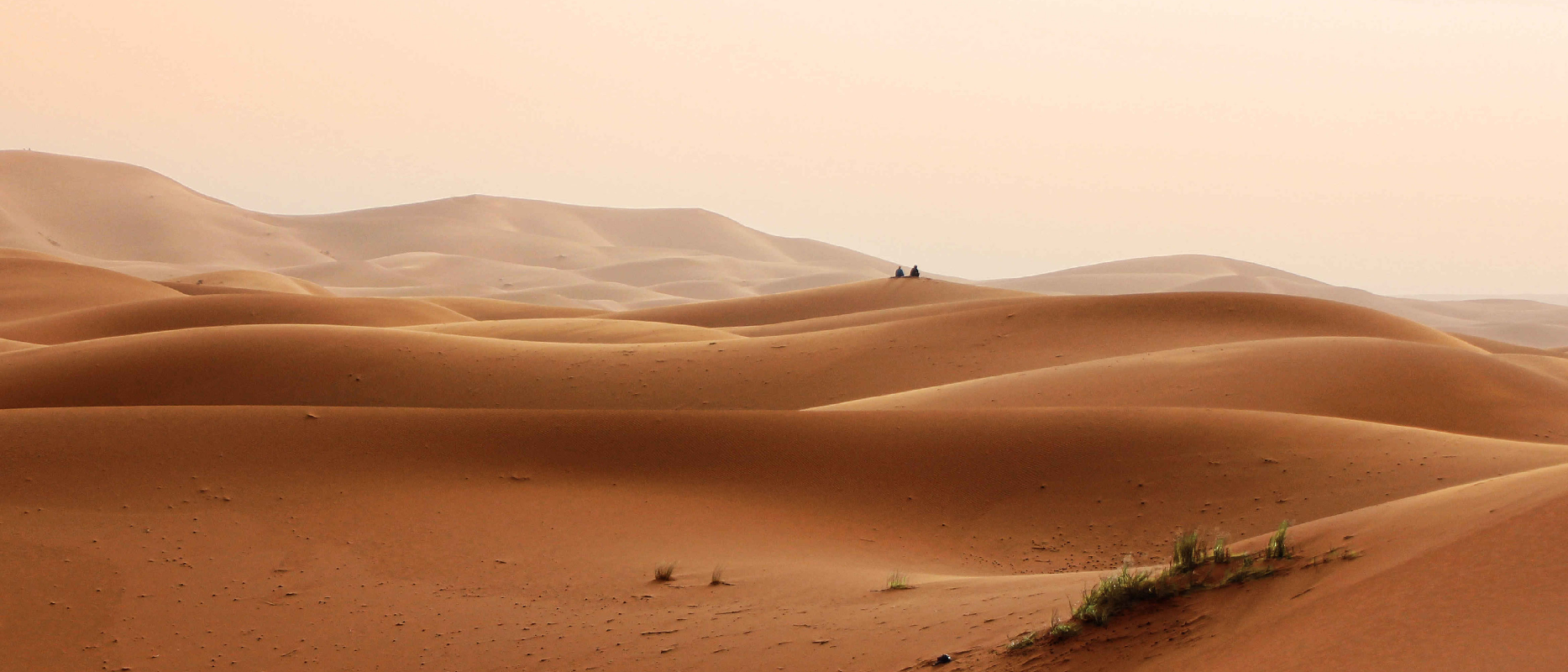
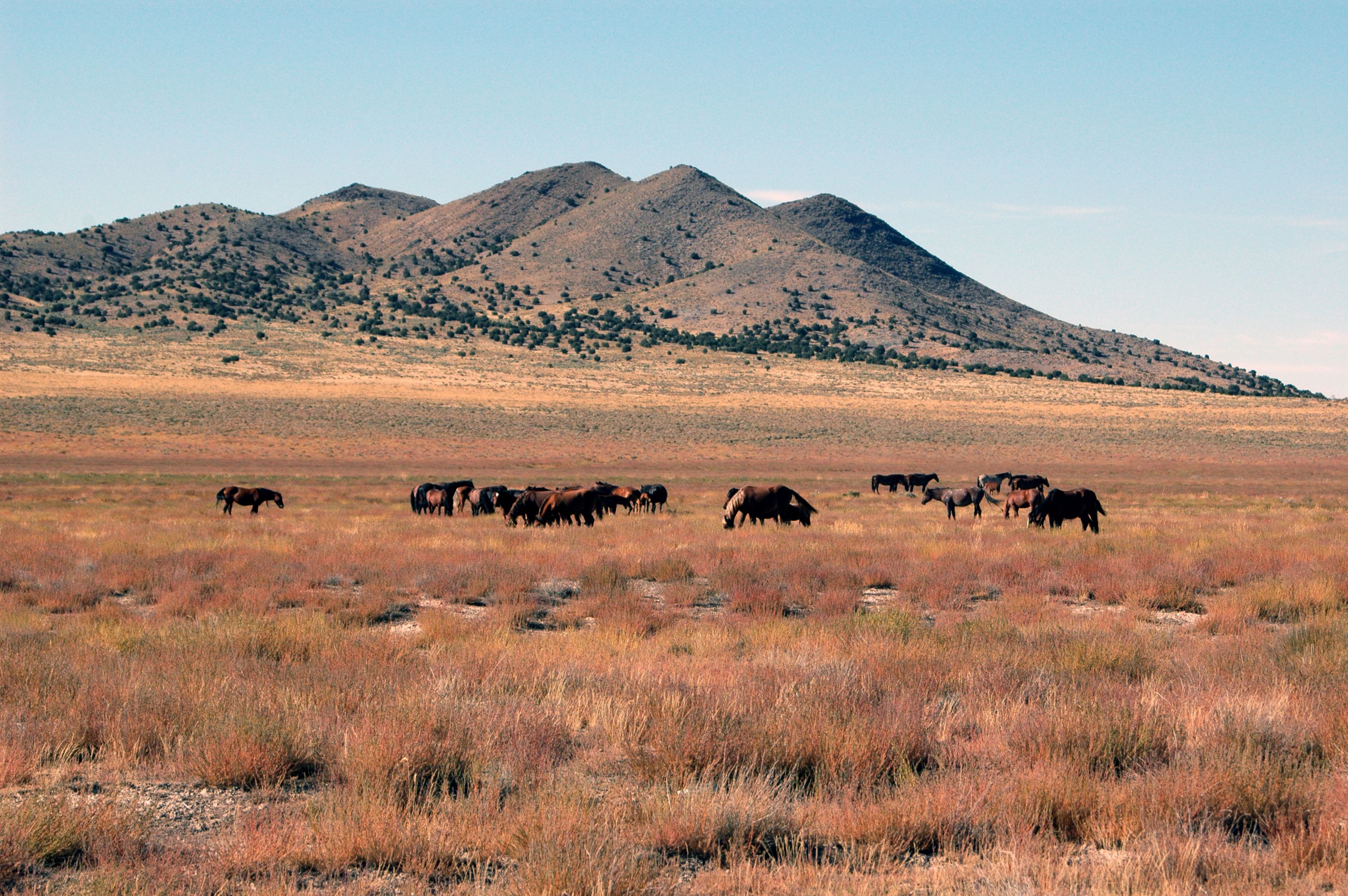
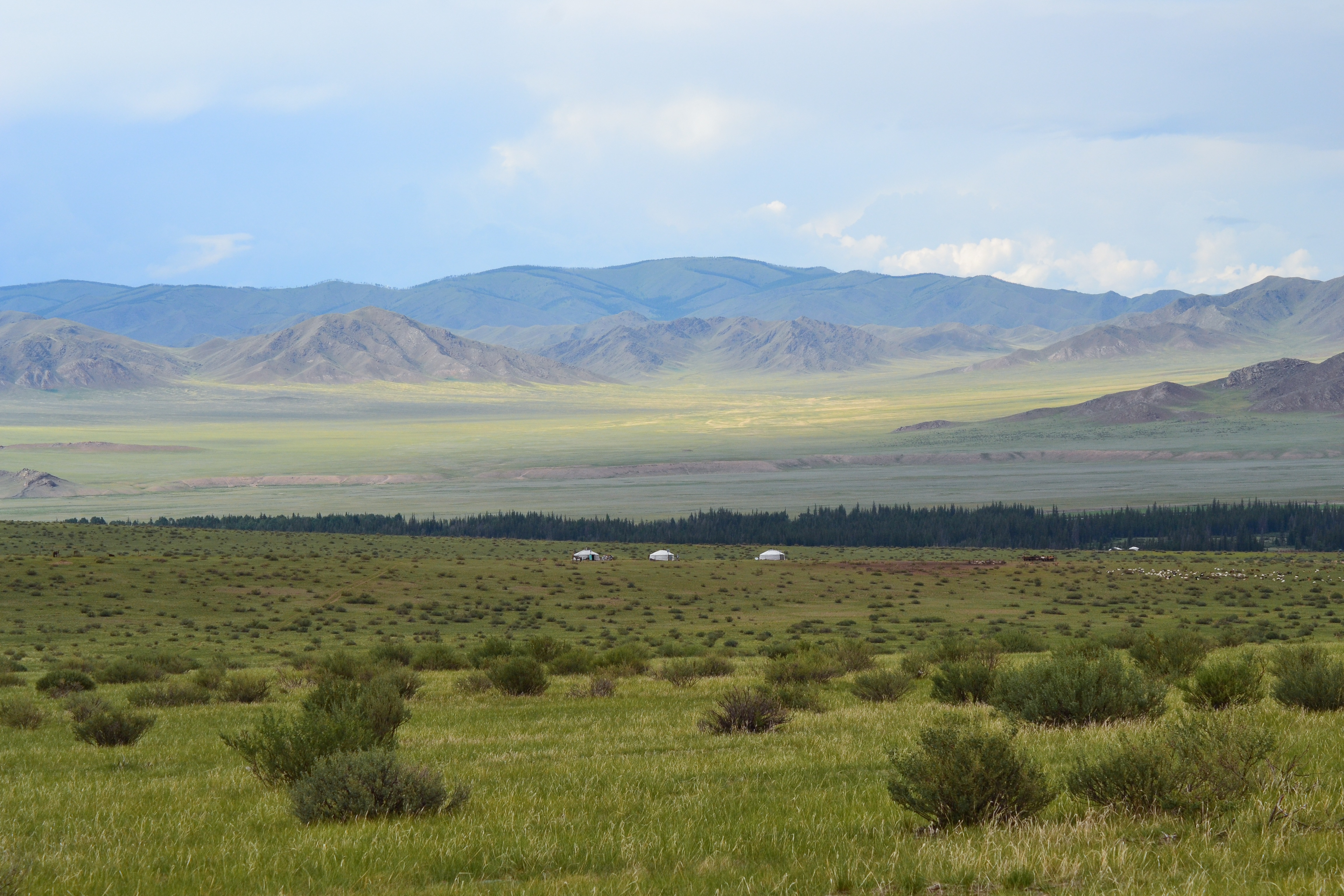
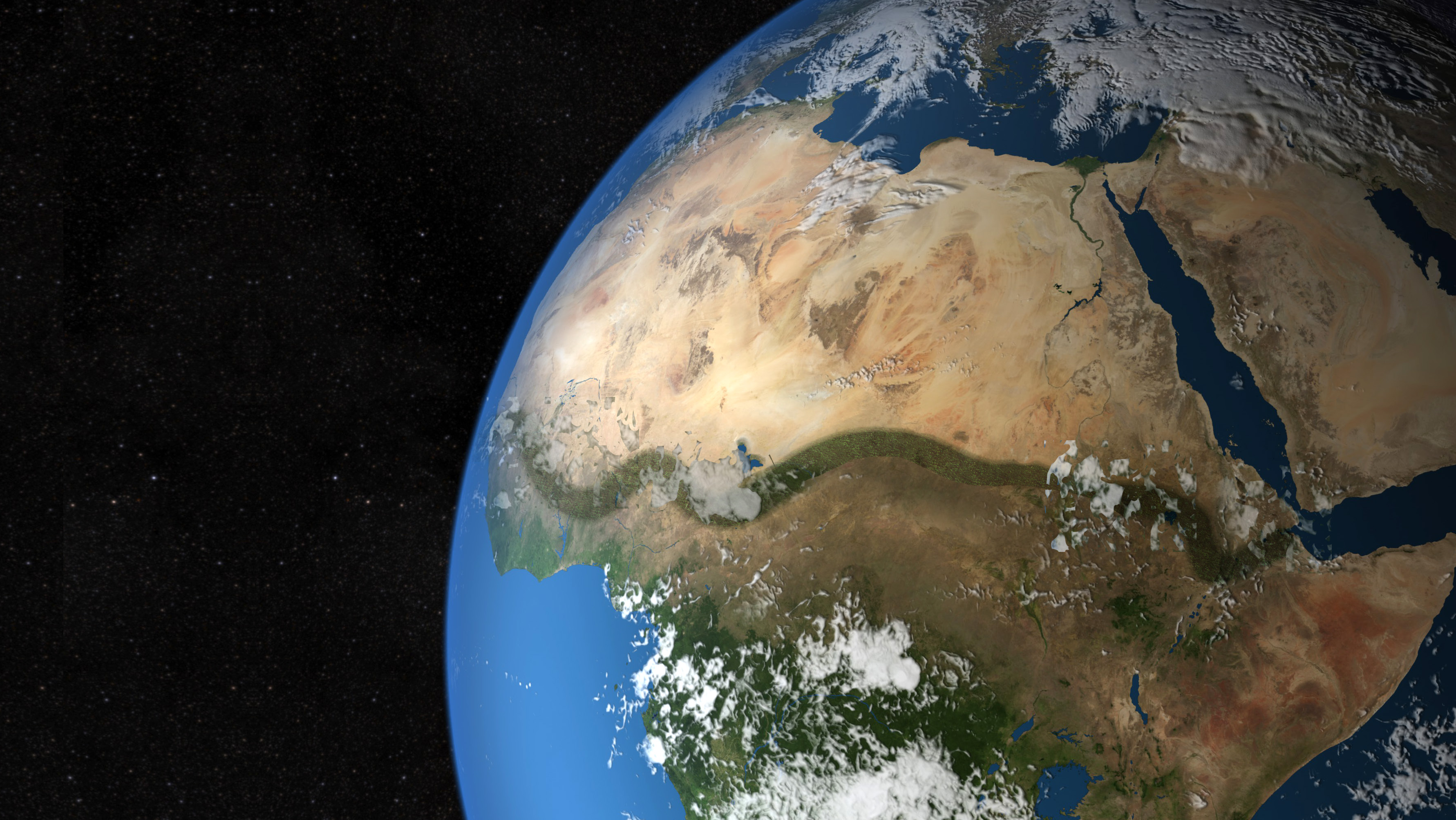
UN conference to tackle rapid land degradation and worsening droughts to take place in Samarkand, Uzbekistan, from 13-17 November 2023 Bonn/Samarkand, 13 September 2023 – For the first time since its inception, the UN Convention to Combat Desertification (UNCCD) will convene one of its official meetings in Central Asia. The twenty-first session of the Committee for the Review of the Implementation of the Convention (CRIC 21) will reveal the latest global trends in land degradation and drought, and review how countries are progressing with land restoration. It comes at a vital moment, when the world is witnessing an uptick in extreme weather events, with historic heatwaves and wildfires across Europe and North America, several failed rainy seasons in the Horn of Africa, and devastating floods, monsoons and cyclones in Asia. Land degradation contributes to these climatic changes and events and is simultaneously made worse by them. Ibrahim Thiaw, UNCCD Executive Secretary, said: “We are at a crucial juncture in our efforts to sustain life on land. Droughts, wildfires and heatwaves we have witnessed around the world are the symptoms of the deepening and interlinked climate and nature crises, with land at the heart of both. Since 2015, some 4 million square kilometres of healthy and productive lands have been lost—an area roughly the size of Central Asia. We must urgently stop further land degradation and restore at least 1 billion hectares to meet global land targets by 2030.” The meeting will be held at the Silk Road Samarkand Congress Centre in Samarkand, Uzbekistan, from 13 to 17 November 2023. On 15 November, there will be a high-level event on sand and dust storms, many of which have occurred in Uzbekistan and surrounding countries and regions with increasing frequency and severity in recent years. In addition, the UNCCD Gender Caucus on 14 November will convene international experts to discuss women’s land rights as a prerequisite to the success of global land restoration and drought resilience efforts. According to the latest UN data, between 2015 and 2019, at least 100 million hectares of healthy and productive land were degraded every year, affecting food and water security globally and directly impacting the lives of 1.3 billion people. This adds up to 420 million hectares, or 4.2 million square kilometres, slightly over the combined area of five Central Asian nations: Kazakhstan, Kyrgyzstan, Tajikistan, Turkmenistan and Uzbekistan. If current trends continue, restoring 1.5 billion hectares of land by 2030 will be necessary to achieve a land-degradation-neutral world. Alternatively, halting any new land degradation and accelerating existing commitments to restore 1 billion hectares can surpass the neutrality target. CRIC21 will review progress in implementing the Convention’s strategic objectives on promoting sustainable land management, building drought resilience, supporting women's leadership in sustainable agriculture, and addressing forced migration due to land degradation and climate change. It will bring together representatives from 196 countries and the European Union which are signatories to the UNCCD, as well as civil society, academia and international organizations. Notes to editors Accredited media representatives are invited to attend and report on CRIC21 and associated events. Field visits where journalists can see land restoration and drought resilience projects will take place immediately prior to CRIC21. Online registration for media representatives is available at the following link: www.unccd.int/cric-21-online-registration. To register, please provide the following documents: One recent passport-sized photograph A valid press card A copy (picture and signature pages) of your passport (for foreign journalists) or national identity card (for local applicants) A letter of introduction from the bureau chief or company sponsoring your travel to the session. For freelance journalists, a letter is required from the media organization assigning you to cover the conference A duly completed accreditation form Journalists who register online will be able to collect their accreditation at the Silk Road Samarkand Congress Center on presentation of a valid press card and an identity document. For more information on the regulations governing visa applications and the introduction of reporting material into Uzbekistan, please consult the following link: https://e-visa.gov.uz/main_ For inquiries about media accreditation or coverage of the event, please contact: press@unccd.int A dedicated press and media working space will be available at the conference venue. Additional information and media updates on the Convention and CRIC 21 will be available on the host country CRIC 21 website and the UNCCD website. About UNCCD The United Nations Convention to Combat Desertification (UNCCD) is the global vision and voice for land. We unite governments, scientists, policymakers, private sector and communities around a shared vision and global action to restore and manage the world’s land for the sustainability of humanity and the planet. Much more than an international treaty signed by 197 Parties, UNCCD is a multilateral commitment to mitigating today’s impacts of land degradation and advancing tomorrow’s land stewardship in order to provide food, water, shelter and economic opportunity to all people in an equitable and inclusive manner. Image: (c) Asia Development Bank

В ноябре 2023 года встреча Комитета по рассмотрению осуществления Конвенции ООН по борьбе с опустыниванием и засухой (КРОК КБО ООН) впервые пройдет в одной из стран Центральной Азии. Мы приглашаем русскоязычных журналистов, в особенности из стран подверженных негативном последствиям засухи, опустынивания, пыльных и песчаных бурь, принять участие в освещении работы 21-ой сессии КРОК. Центрально-азиатская встреча станет ключевым моментом для обзора прогресса, достигнутого в регионе по предотвращению и обращению вспять потери продуктивных земель в результате опустынивания, деградации земель и засухи. Представители Сторон КБО ООН соберутся в Самарканде (Узбекистан) с 13 по 17 ноября 2023г., чтобы рассмотреть ход реализации стратегических целей конвенции по устойчивому управлению земельными ресурсами, устойчивости к засухе, борьбе с песчаными и пыльным бурями, поддержке лидерства женщин в устойчивом развитии сельского хозяйства и решение проблем, связанных с вынужденной миграцией. Ожидается, что в мероприятии примут участие представители национальных, региональных и местных органов власти, гражданского общества, научного сообщества, международных организаций и всех видов СМИ. Для освещения работы КРОК в состав пресс-службы при КБО OОН войдут пять русскоязычных журналистов из региона Центральной Азии. Члены пресс-службы примут участие не только в самой конференции, но и предшествующем ей медиа-тренинге. В программу работы пресс-службы войдет ряд специально разработанных мероприятий, включающих информационный семинар по ключевым направлениям работы КБО, экскурсии для ознакомления с успешными проектами по землевосстановлению и засухоустойчивости, а также встречи с региональными экспертами. Срок подачи заявок до 8 октября 2023 г., кандидаты будут выбраны и оповещены к 15 октября 2023 г. Кандидаты должны соответствовать следующим требованиям: быть профессиональным журналистом или представителем ведущего СМИ из региона Центральной Азии профессионально владеть русским языком иметь опыт освещения экологических проблем и четко представлять, какие материалы они могут быть подготовлены во время участия в конференции иметь возможность и желание лично приехать в Узбекистан для участия в конференции КРОК21 и предварительном медиа-тренинге на полный срок проведения этих мероприятий взять на себя обязательство участвовать во всех мероприятиях пресс-службы предоставить письмо поддержки от редактора, продюсера или руководителя СМИ, подтверждающее возможность публикации или трансляции вашего материала в одном из ведущих СМИ фрилансеры могут подавать заявки, но должны предоставить сходное письмо от редакции, обязующейся опубликовать материалы о КРОК Каждый заявитель должен направить следующие документы на электронный адрес press@unccd.int, с пометкой “Russian media fellowship CRIC21” до 8 октября 2023: вступительное письмо с просьбой о финансовой поддержке и указанием того, какие темы будет освещать журналист копия пресс-карты или другого аналогичного официального документа, подтверждающего профессиональный статус копии страниц с фотографией и подписью в паспорте, действительном не менее чем до 31 мая 2024 года разрешение работодателя на участие и освещение заседаний, для штатных сотрудников кандидатам настоятельно рекомендуется представить независимые доказательства наличия вышеуказанных компетенций, например: a) ссылки на опубликованные статьи – чем больше, тем лучше б) рекомендательное письмо от редактора СМИ, в котором соискатель ранее публиковался в) письмо от редакции, обязующейся опубликовать материалы о КРОК г) рекомендательные письма от коллег из ООН, чьи мероприятия они освещали в прошлом В числе покрываемых расходов – невозвратный авиабилет эконом-класса, гостиница, питание и транспортные расходы. Мы также окажем содействие в аккредитации и организации поездки и пребывания. Обращаем ваше внимание на то, что получение необходимых виз является обязанностью самого кандидата, однако соответствующие расходы могут быть компенсированы. Участникам необходимо учитывать, что форс-мажорные обстоятельства, не зависящие от организаторов, могут воспрепятствовать участию отобранных журналистов в конференции.

Let us take this opportunity to congratulate China and the League of Arab States on the Memorandum of Understanding on the Establishment of the China-Arab international research center on drought, desertification and land degradation that will be signed at the end of this session and welcome its potential contributions to the Middle East green initiatives.

Innovative finance imperative to unlock the social, economic, environmental, and risk-reduction benefits of drought preparedness Bonn/Stockholm, 22 August 2023 – Preparing for droughts, instead of waiting until they strike, saves lives and livelihoods. Building drought resilience comes with an array of social and environmental co-benefits, and the economic returns are between 2 and 10 times bigger than the initial investment, according to new analysis by the UN Convention to Combat Desertification (UNCCD). The policy brief ‘Investing in resilience: Innovative finance for drought preparedness’, demonstrates that enhancing resilience is one of the most cost-effective actions countries can take, and is typically far less expensive than interventions focused on responding to the impacts of droughts. But innovative financing mechanisms such as insurance schemes, risk pools, and government issued bonds are essential to fund the necessary long-term investments. The Spanish Deputy Prime Minister for Ecological Transition and Demographic Challenge, H.E. Teresa Ribera, said: “As we know too well in Mediterranean countries, drought can devastate vital economic sectors such as agriculture and tourism. Our planet reached the hottest month on record in July: a reminder that investing in early warning systems and better land and water management is not a choice, but an existential imperative.” The Minister for Environment, Climate Change and Forestry of Kenya, H.E Soipan Tuya, noted: “With the Africa Climate Summit just days away, the need to invest in drought resilience becomes both urgent and clearer. By building our preparedness to drought, we also pave the way for a resilient tomorrow that echoes our commitment to combat climate challenges and chart a course toward prosperity for Africa and the world.” Mobilizing investments in drought resilience is a key pillar of the International Drought Resilience Alliance (IDRA), a growing coalition of more than 30 countries and 20 institutions driving drought resilience in the face of climate change that is hosted by UNCCD. Benefits beyond mitigating risk Investing in drought resilience comes with a triple dividend: it helps avoid future losses; reduces risk, boosting productivity and innovation; and can improve human health, rural livelihoods, soil and water quality and climate change adaptation, among other benefits. For example, improving early warning systems and weather forecasts could save 23,000 lives and up to USD2 billion in developing countries every year. According to the brief, sound economic evidence is essential for decision- and policy-making. An investment of USD 1.8 trillion in resilience and adaptation, focused on five priority areas from 2020 to 2030, could generate USD 7.1 trillion in total net benefits. Also, for every USD 1 spent in building resilience there could be up to USD 3 in benefits from reduced need for humanitarian aid and avoided losses. Innovative finance solutions Despite all multiple benefits, the costs of drought to societies and economies are often underestimated and investments in drought resilience are insufficient. Over the past decade, for instance, the official development assistance linked to disasters reached USD 141 billion, but only 5 per cent was allocated to preparedness. The public sector will continue to be a major source of finance for drought resilience, meaning that governments must both make a more effective use of existing resources and increase available funding through innovative finance options. The policy brief encourages governments to incorporate drought preparedness into existing financing plans, and to leverage a mix of financial strategies such as national disaster funds, credit lines, social protection programmes and weather-indexed insurances. Policies, regulations and environmental, social and governance (ESG) standards can make it easier for private actors to invest in adaptation and resilience while staying competitive, and blended finance arrangements can draw on public resources to de-risk private investment. UNCCD’s Executive Secretary Ibrahim Thiaw said: “Droughts are one of the world’s costliest and deadliest natural hazards, and they are hitting harder and faster because of climate change. Decision-makers must urgently leverage innovative financing mechanisms to boost resilience and deliver new economic opportunities for their countries, communities and companies.” Notes to editors Access the policy brief and its recommendations for governments, development partners, financial institutions and businesses here. For media related inquires please contact the UNCCD Press Office: press@unccd.int About UNCCD The United Nations Convention to Combat Desertification (UNCCD) is the global vision and voice for land. We unite governments, scientists, policymakers, private sector and communities around a shared vision and global action to restore and manage the world’s land for the sustainability of humanity and the planet. Much more than an international treaty signed by 197 parties, UNCCD is a multilateral commitment to mitigating today’s impacts of land degradation and advancing tomorrow’s land stewardship in order to provide food, water, shelter and economic opportunity to all people in an equitable and inclusive manner. About IDRA IDRA is the first global coalition creating political momentum and mobilizing financial and technical resources for a drought-resilient future. As a growing platform of more than 30 countries and 20 institutions, IDRA draws on the collective strengths of its members to advance policies, actions, and capacity-building for drought preparedness, acknowledging we are only as resilient to drought and climate change as our land is. The work of IDRA is aligned with, and supportive of, the mandate of the United Nations Convention to Combat Desertification (UNCCD), which hosts the IDRA Secretariat.

Now is the time to act. If we are to achieve the ambition of our leaders, our perspective needs to change. Land restoration should be seen as an opportunity rather than a challenge.

From potatoes grown in recycled sacks to “more crop per drop” fruit tree varieties, climate-smart and women-led agriculture initiatives became the center of discussions at a recent interregional conference convened by the United Nations Convention to Combat Desertification (UNCCD) in Dushanbe, Tajikistan. Fertile land is a precious commodity in Tajikistan, where 90% of the country's territory is covered by mountains and 60% of the population directly depend on agriculture for livelihood. Agriculture is a major part of Tajikistan’s economy. Can you spot the colors of one of its best-loved crops in the stripes of the national flag? As heatwaves, droughts and other extreme climate events become more frequent and severe across the globe, regional cooperation and knowledge sharing are becoming a priority in building drought resilience and fighting land degradation. In response to these growing challenges, representatives of Belarus, Georgia, Kazakhstan, Moldova, the Russian Federation, Tajikistan and Turkmenistan met in Dushanbe, Tajikistan from 1-2 July 2023 to discuss upscaling and coordinating legislative, educational, scientific and technical cooperation aimed at achieving Land Degradation Neutrality. Water is so precious in Central Asia, some say it’s worth more than gold. Burrowing deep into the soil, this well in the Gissar Valley carries water that contains trace amounts of the precious metal “Though we come from different climates and landscapes, we are united in the face of climate-induced drought and land degradation. Women who develop and test climate-smart and cost-effective solutions locally should be the ones spearheading regional and global efforts to grow and protect our food in the times of climactic stress,” participants stated. Reflecting the theme of this year's Desertification and Drought Day “Her Land. Her Rights”, discussions centered on the key role of civil society organizations, particularly those led by women, in harnessing donor financing and advancing legislative action in support of gender-responsive land restoration projects that provide sustainable rural livelihoods. Apples are the most popular fruit worldwide, and so are new ways to grow them more efficiently After attending a training series at the Youth Ecological Center in Dushanbe, Mavluda Akhmedova is using the technology of growing potatoes directly in recycled sacks on her homestead in the Dekhanabod village. This approach has proven particularly effective as more frequent and sudden heatwaves and droughts in Tajikistan raise the risk of harvest loss. Growing potatoes in sacks lets the farmers control the temperature and humidity better and is of particular use on small plots where growing space is at a premium. Greenhouses at the Agricultural University in Dushanbe use the latest technology, encouraging the students to test new approaches to efficient and sustainable crop production During a visit to an experimental farm in the Gissar District, participants learned how students from Agricultural University in Dushanbe test classroom knowledge to implement the “more crop per drop” approach on their 800 hectares under tillage, including a fruit orchard, a vineyard and pasture. Nothing tastes better than bread fresh from the oven! Farm-to-table is the way of life at the experimental farm of the Agricultural University of Dushanbe The university hopes that new investments and focus on research, smart tech and innovation will bring more female students to the classrooms and labs. Using compact varieties of fruit trees combined with drip irrigation means less water, less labour and less land are needed to produce comparable crop yields By the end of 2023, Tajikistan intends to complete the process of joining the Land Degradation Neutrality (LDN) Target-setting programme, bringing the number of countries who set voluntary LDN targets to 130, including all Central Asian nations. Furthermore, participation in the World Bank’s RESILAND CA+ Initiative will allow Tajikistan to access the knowledge base of other engaged countries – Kazakhstan, Uzbekistan and Kyrgyzstan – and train forest management and rangelands biodiversity specialists. Women are expected to become the majority of RESILAND CA+ projects’ participants and beneficiaries. Photography by Didor Sadulloev via UNDP Tajikistan
