News & stories

Latest
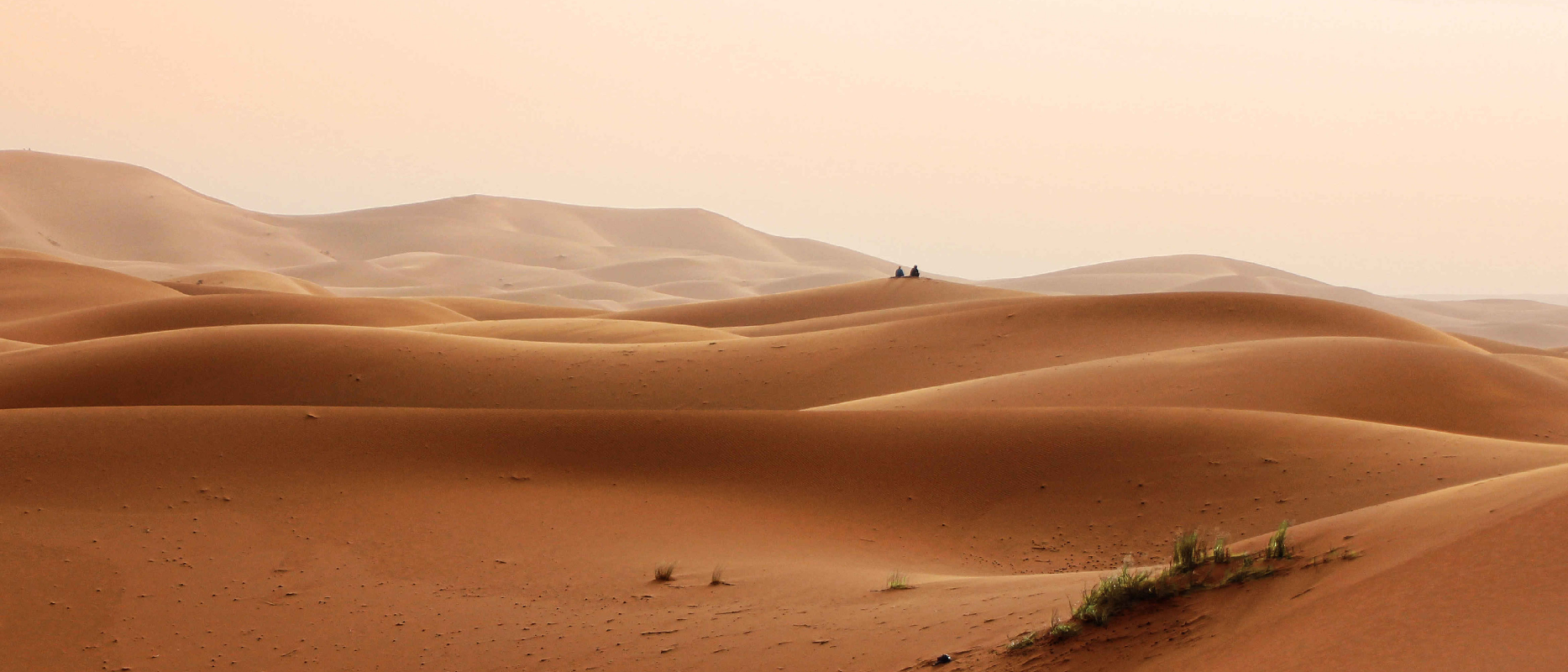
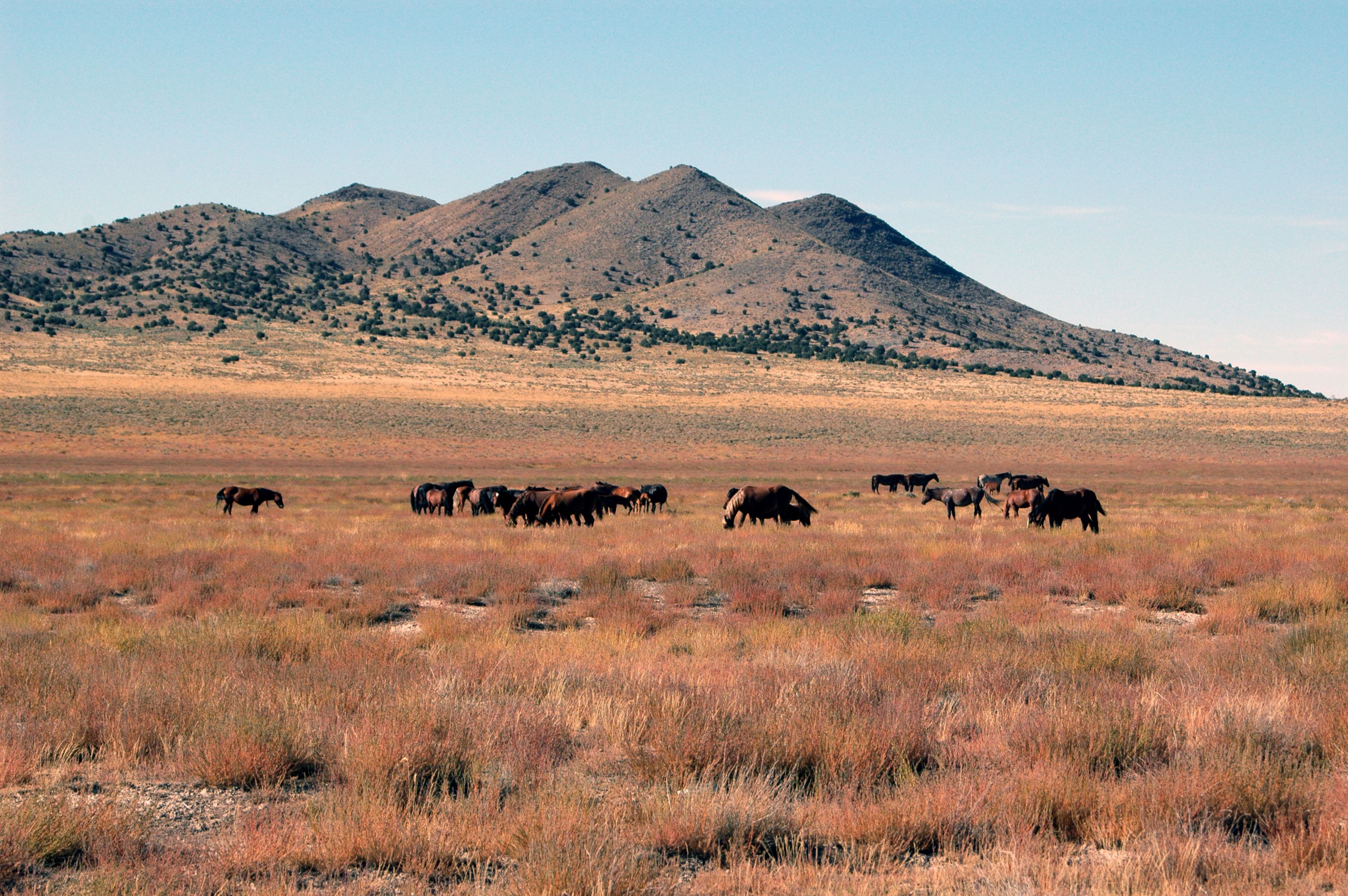
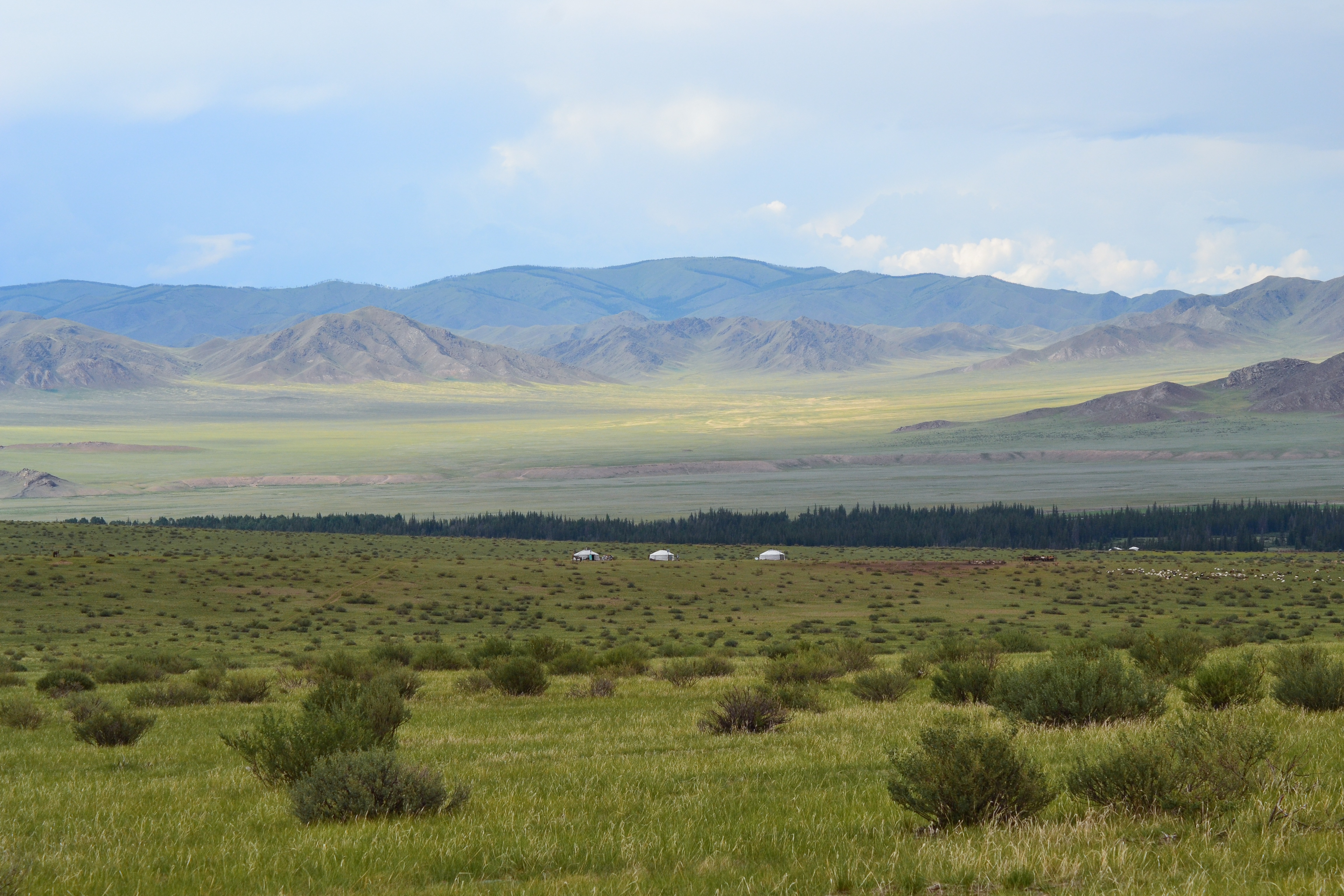
Excellencies, Distinguished delegates, Colleagues and friends. Welcome to Drought Day – an important moment to discuss how to increase action on drought prevention and resilience. An important moment to showcase effective policies and projects from across the globe. An important moment to send a message to Parties that we need a strong decision on drought at this UNCCD COP. I have vivid memories of the devastation that a drought caused in my hometown in Mauritania in the 1970s. First, our water supply drained. Then our crops failed. Finally, our livestock perished. The risk of famine loomed over our village for months. These memories still haunt me. But for hundreds of millions of people today, these are not memories. They are a brutal reality, and a consequence of the climate and environmental crises. The land is drying up. Fertile grounds are turning to dust. Drought prevails. Friends, If we stay on our current course, more of us will live with extreme water shortages – including an estimated one in four children by 2040. We must act decisively to prevent this future. We must deal with drought, using every tool at our disposal. We know what these tools are. Land restoration is one. A simple and easily accessible one. It removes carbon from the atmosphere, slowing the climate change that drives droughts. It helps vulnerable communities adapt. It increases agricultural production. Land restoration commitments covering almost one billion hectares are in place for the UN Decade on Ecosystem Restoration. We must deliver on these commitments. But restoration is not enough. We need to protect and manage the land. We need sustainable and efficient management techniques that grow more food with less land and water. We need to change our relationships with food, fodder and fibre – by diversifying our diets and reducing waste, among other measures. We also need coordination, communication and cooperation to deal with the complex causes and impacts of drought. With proactive national drought policies and a joined-up approach to managing natural resources, we can mitigate the effects of drought. We should set up effective early warning systems that work across boundaries. New technologies – such as satellite monitoring and artificial intelligence – offer guidance for early warning and precision for informed decisions. We should also mobilize sustainable finance to improve resilience at the local level. Because investing in soil health makes business sense. According to recent economic analyses, every dollar invested in land restoration can generate up to 30 dollars in ecosystem services. Friends, We are moving forward. 128 countries have expressed political will to achieve or exceed Land Degradation Neutrality. 66 countries have taken part in the recently completed UNCCD’s Drought initiative to shift to a proactive and risk-based approach to drought. But we need to do more. And we will only succeed if we work together. We must commit to pursuing concerted policy and partnerships at all levels. We need to mobilize farmers, local communities, small and medium sized enterprises, consumers, green investors, green entrepreneurs and young people. Today, and at this COP, we have a real chance to drive increased action. So, I ask you to build on the growing momentum. To come out of this COP with a robust and actionable decision on drought. Such a decision – implemented with ingenuity, commitment and solidarity – would take us a long way. It would motivate action towards sustainable practices in land and water management. It would build our resilience to drought and slow climate change. It would allow current and future generations to thrive, instead of just survive. And that, dear friends, is why we are here today. Thank you.

Distinguished Chair, Distinguished delegates, Colleagues and scientists, Ladies and gentlemen, AKWABA! I am delighted that you can all be here to attend, in person, the 15th session of the Committee on Science and Technology. I would like to give a special thank you to Côte d’Ivoire for their generosity in hosting us in this beautiful city of Abidjan. I would like to congratulate the Chair of the Committee on Science and Technology, vice Chairs of the Committee, as well as the co-chair of the Science Policy Interface (SPI) and all others who serve on the SPI, for your commitment and dedication. I commend you for your perseverance in working to ensure a scientific foundation for policy development, even in the face of countless challenges you have faced in the last two years, also due to the COVID-19 pandemic. Chair, delegates and colleagues, The Hausa, one of the largest ethnic groups in West Africa, have a proverb that says “He who takes care of trees will not suffer from hunger”. This proverb is explanatory of an enduring culture that has a deep respect for nature, extensive knowledge rooted in the wisdom of its ancestors, that is applied in land management practices. The theme of this COP - ‘Land. Life. Legacy: From scarcity to prosperity', is a call for action to ensure land, the lifeline on this planet, continues to benefit present and future generations. This call for action is also a response to alarms sounded by the global scientific community which make it very clear: there is no more time to waste. The recently released second edition of the Global Land Outlook confirms this urgency, providing an overview of the unprecedented magnitude of land degradation, the negative global trends, and the projected consequences of 3 different scenarios: 1) More than 70% of land surface have been transformed from their natural state, and as much as 40% of that land is no longer productive; 2) This directly affects half of humanity and threatens half of global GDP – a staggering US$44 trillion in total; 3) If business as usual continues through 2050, additional degradation of an area almost the size of South America will happen; However, the Global Land Outlook 2 also points to measures for implementing land restoration efforts that can counteract these trends. The GLO2 scenarios demonstrate that when restoration activities are increased by the conservation of natural areas, we can move from no net loss by 2030 to a clear net positive trend thereafter. And if we optimize what we do and where we do it, we can simultaneously address the land dimensions of water scarcity, biodiversity loss and climate change. All while helping bridge the growing food gap, bringing vitality to places where economic growth and stability are most needed. Chair, delegates, and colleagues, As we know, science in sustainable development has at least three roles to play: 1) providing an essential evidence base for what has happened, informing decision-makers on pathways forward, and communicating to the public, so as to enable actions. In the past two days, we have seen an impressive commitment by Heads of State and Government, Ministers, and other senior high-level delegates. The world is becoming aware of unhealthy land: we are gaining momentum and this opportunity must be seized: to advance policy which will support restoration of land as a continuum ranging from conservation, sustainable use through to ecological rehabilitation to restoration, and enhance the resilience of ecosystems and communities to the increasing risk of disasters and diseases, especially catastrophic impacts of drought exacerbated by climate change and unsustainable land management. Today, we are gathering as the scientific subsidiary body of the Convention to continue our journey towards a consensus on scientific evidence-based policy-oriented recommendations to enable actions to achieve this shared political commitment and vision. The Fifteenth Session of the Committee on Science and Technology in 2022 will be of critical significance for a number of reasons. CST15 coincides with the UN General Assembly’s International Year of Basic Science for Sustainable Development, and the consensus that we need more basic sciences to achieve Agenda 2030 and its 17 Sustainable Development Goals. Science is not only advancing our understanding of nature but also advancing the ways and means we observe and communicate with science. Particular relevance should be given to the outcomes of the SPI scientific assessments, notably on: the role of integrated land use planning & integrated landscape management in the achievement of Land Degradation Neutrality, the approaches on assessment and monitoring of resilience of ecosystems and communities to drought at multiple scales, comprehensive analysis on the two IPCC reports. We also expect the CST to consider the SPI proposals for its future work programme for 2022-2023 including assessments on sustainable land use systems and historical regional and global aridity trends and future projections. We look forward to the CST 15’s consideration of the main recommendations. As the Chinese philosopher Wang Yangming said over 400 years ago, it is essential to ensure “the integrity of knowledge and action, where knowledge is the start of action, and action is the outcome of knowledge.” As you work to build consensus, we look forward to a CST 15 actionable policy recommendations, where scientific knowledge is the start of the critical actions needed to ensure land can deliver on its full potential in accelerating all of the Sustainable Development Goals. I wish you success.

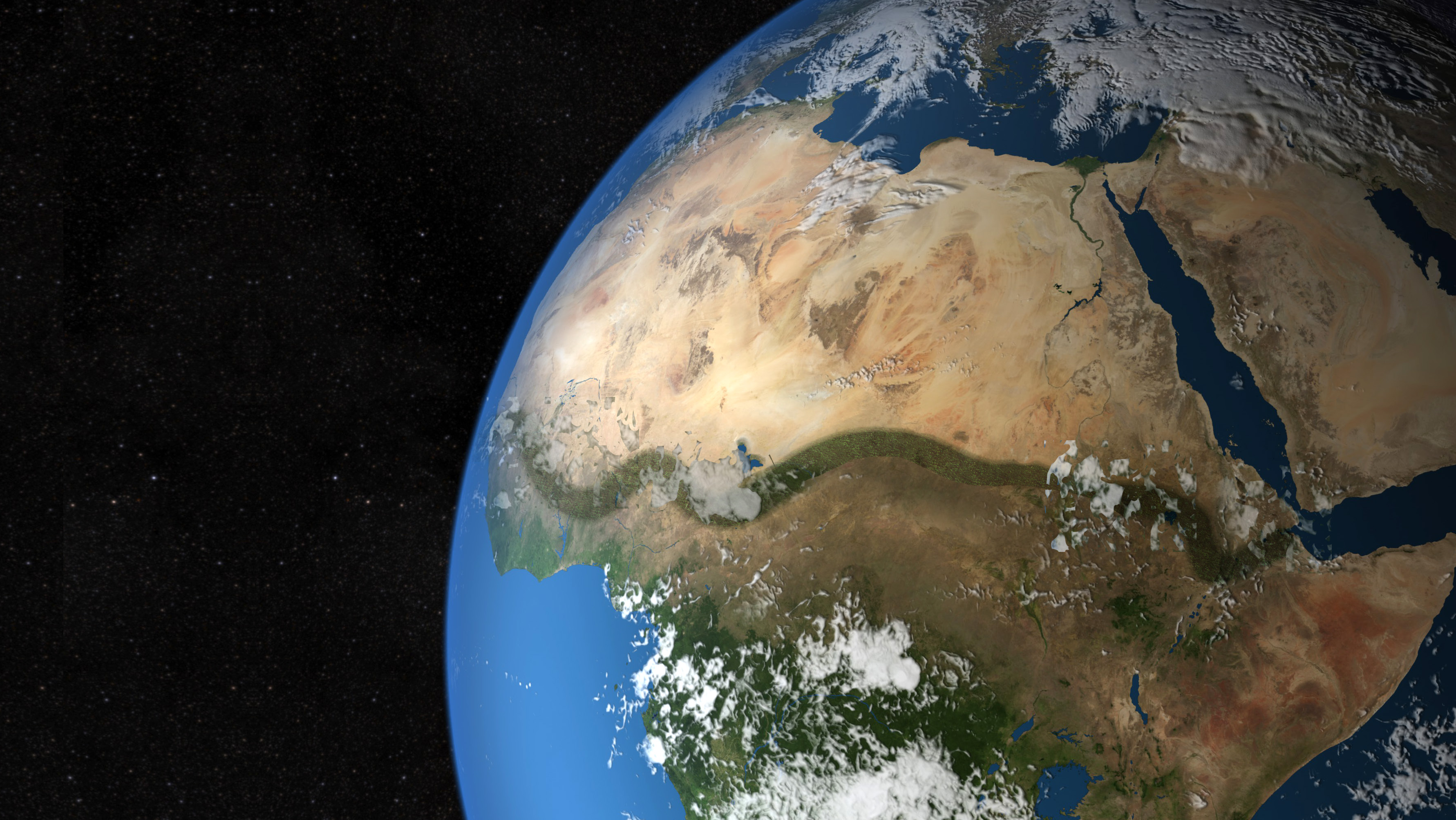
His Excellency Alassane Dramane Ouattara, President of the Republic of Côte d’Ivoire, H.E. Mr Alain-Richard Donwahi, President of the UNCCD COP15, Excellences, Ministers and Heads of Delegations, CEO of the Global Environment Facility, Dear Delegates, Representatives of International Organisations internationales et de la Société Civile, Chers collègues des Nations-Unies, Mesdames et messieurs les Ambassadeurs de la Terre de UNCCD Honorables invités, Mesdames et messieurs, First, let me offer, on behalf of the Secretariat, my warm congratulations to our new President of COP15, Mr Alain Donwahi after his brilliant election today. We are truly looking forward to working with you and benefiting from your wisdom. Jennifer Richard Jacobson, a Children’s author once said “Elephants love reunions; they recognize one another after years and years of separation and greet each other with wild, boisterous joy.” After a tough - more than - 2 years of separation and difficulty for the whole planet, allow me to greet you and welcome you to Abidjan - and to COP15 - with genuine joy. I mention elephants today because in addition to being magnificent animals and the symbol of our generous hosts - Cote d’Ivoire - they are also the national animal of our outgoing COP President India, whom I would like to thank for their inspirational leadership. Indeed, it is not just our past and current hosts. Many cultures around the world see the elephant as a symbol of strength, intelligence, determination, wisdom, and success. All useful characteristics in the UNCCD process! Elephants resonate with UNCCD on many other levels too. The elephant is the largest land animal. Like humans, elephants need extensive land areas to survive and meet their ecological needs - food, water and space. On average, an elephant can feed up to 18 hours and consume a hundred kilograms of food and 100 litres of water in a single day. So, like us, elephants rely on healthy and productive terrestrial ecosystems. Like us, the elephant can survive only if the land survives. And like us, though led by a matriarch, elephants are organized into supportive, complex social structures. The elephant thrives when the herd is resilient and thrives. Dear Parties, Since our last COP in India, the world has changed. COVID19 has been a major disruptor. Conflicts, disasters and economic crisis have created multiple consequences, including more land degradation in the world. However, the UNCCD family has proved to be remarkably resilient. While it is not the time to trumpet success, I am happy to note major progress achieved in different parts of the world, thanks to you, Parties to, and Partners of the UNCCD. First, we note a remarkable increase in visibility and interest on the issues of Land Degradation and Drought; the issue has risen on the political agenda. The world is looking at this COP15 is an epitome, and this is largely due to President Alassane Ouattara and his Government. Second, the launch -under the Saudi Presidency- of the G20 Initiative on Reducing Land Degradation and Enhancing the Conservation of Terrestrial Ecosystems - to halve the amount of degraded land by 2040 - is an important milestone. We are delighted to host the initiative coordination unit. Third: Large-scale land restoration programs are growing across the world, a clear recognition of their importance as providing multiple solutions to a world in crisis. Take the example of the Africa’s GGW. Last year, while the world was still looking for a vaccine to the COVID19, the Programme received a major political and financial support with USD 19 billion dollars pledged to 2025 at the One Planet Summit in Paris. Similar large-scale initiatives have also been launched in the Middle East, in India, China, Mongolia, Saudi Arabia, Central America and Pakistan, to name just a few. The Launch of the Abidjan Legacy Programme just two days ago comes as a timely addition to an already impressive list. Other potentially game-changing initiatives are being shaped. Fourth: The launch of the UN Decade on Ecosystem Restoration is galvanizing partners around a common and revitalized agenda. We are happy to see UNEP and FAO playing a lead role. Countries and few companies seem to be making determined progress towards the achievement of a Land in balance, otherwise known in the UNCCD as Land Degradation Neutrality. Ladies and Gentlemen, The case for land restoration made by the UNCCD report, the Global Land Outlook, is convincing. From rates of return on investments in restoration at between 7 and 30 USD to the unequivocal evidence on the relationship between land AND climate, biodiversity, food, energy, water, jobs and economy - the case of land has never been clearer. Partnerships with critical technical and financial partners are emerging or evolving to turn these voluntary commitments into action. I congratulate the GEF and its partners for the recent highly successful GEF8 replenishment. But I also warmly welcome those partners increasingly committing to work with the Global Mechanism of the UNCCD. So, despite the challenges of the last 2 years, we have made incredible progress. I thank all of you, dear Parties and partners, for that. But, of course, we there is still much left to do. Excellence monsieur le Président de la République, Honorables délégués, L’autre sujet de grande préoccupation est la sécheresse. Au moment où se tient cette conférence, vingt millions de personnes font face à une sécheresse jamais enregistrée en 40 ans en Afrique de l’Est. Des États-Unis d’Amérique à l’Europe, de l’Afrique à l’Asie, du Moyen-Orient à l’Amérique Latine, les sécheresses entraînent pertes économiques et dommages écologiques, pertes de production et fissures sociales. Dans des cas extrêmes, sécheresse rime avec crise humanitaire, voire pertes en vies humaines. On estime à 650’000, le nombre de décès directement causés par la sécheresse au cours des 40 dernières années. En effet, dans un rapport que nous publions sur la sécheresse à l’occasion de la COP15, les conclusions sont sévères. Au cours des vingt dernières années, le nombre et la durée des sécheresses ont augmenté de 29%. Selon certaines estimations, les sécheresses pourraient affecter trois-quarts de la population mondiale d’ici la moitié du siècle courant. Ces phénomènes climatiques deviennent ainsi de plus en plus violents. Dans les pays plus vulnérables, les sécheresses sont à l’origine de catastrophes humanitaires majeures. Le Groupe de travail inter-gouvernemental que la COP14 avait constitué à produire un rapport, qui est soumis à votre attention. Je tiens à remercier les membres du Groupe de Travail qui, malgré le COVID, ont pu fournir à votre attention un rapport de qualité, destiné à soutenir les Parties dans leurs délibérations. Votre Secrétariat reste naturellement mobilisé pour continuer à faire le plaidoyer à sensibiliser les acteurs politiques et le grand public, sur les multiples conséquences de la sécheresse. Nous encourageons les Parties à développer et surtout mettre en œuvre, leurs plans nationaux de lutte contre la sécheresse. Cette année, dans le cadre de la célébration de la Journée internationale sur la Désertification et la Sécheresse prévue le 17 juin de chaque année, le thème central est justement la Sécheresse. Nous remercions l’Espagne pour avoir offert d’abriter les célébrations globales de la Journée. L’Espagne, à l’instar d’autres pays d’à travers le monde, devriendrait, le temps des célébrations, un «DroughtLand». Des passeports et des visas seront émis pour tous ceux qui souhaitent faire le voyage vers ces pays imaginaires. Merci à l’Espagne et à tous les pays qui offriront des passeports «DroughtLand» Je vous souhaite une très bonne Conférence. Merci.

Excellency, President of UNCCD COP14, H. E. Patrick Achi, Prime Minister of the Republic of Côte d’Ivoire, Excellencies Ministers, High Level Officials Representatives of International Organisations, Representatives of Civil Society, Ladies and gentlemen, First, I would like to express our sincere appreciation to H.E. Patrick Achi, Prime Minister of Côte d’Ivoire, for honouring us with your presence today. Mr Prime Minister, may I kindly ask you to convey our deep gratitude to the people of Côte d’Ivoire, to President Alassane Ouattara and to the entire Government, for offering us such a warm welcome in this beautiful country. Ministers, Ladies and gentlemen, Every COP is important. Each has its characteristics. To my mind, this one is, however, particularly special. We are still reeling from the consequences of major disruptions that affect our food, energy, industry and economy. From the pandemic to major conflicts. From the climate crisis to nature and land loss. Never before in history, has humanity faced so many complex challenges. Never before, have so many humans depended on so little arable land. Never before, have our land and soils been so damaged. And – fortunately - never before, has a generation been in a such a powerful position to change the course of history for the better. To deploy so much science, knowledge and financial resources in making and implementing the right decisions. The findings of the Global Land Outlook published just over a week ago cannot be clearer: we can either shrink or grow our economy by half. If we continue with current production and consumption patterns, we will also continue to damage the global economy. Already, every second person on the planet is affected by land loss. Which is why, I think this is the most important COP in the history of the UNCCD. In terms of both the complexity and the urgency of the issues we need to address. Indeed, there are less than 8 years and 3 or 4 COPs left to deliver the Sustainable Development Goals. But 20 million people in the Horn of Africa suffering from the most severe drought in over 40 years can’t wait that long. 700 million people would have no choice but to flee, as their productive land degrades. With women and girls still carrying most of the burden and few of the benefits. Let me be clear: this isn’t just the poor peoples’ problem. If global food prices are hurting from the war in Ukraine, how will they react to the US losing 40% of its maize crops to pests? If global health systems and businesses are hurting from the cost of the pandemic, how will they react to paying $2 trillion a year for more zoonotic diseases? And if the global economy is already faltering from pandemic and war, how will it react to output being halved because we mismanaged the natural capital supporting everything we eat and drink; the same land that produces the clothes we wear, and the air we breathe. Excellencies, While the diagnosis is frightening, procrastination and inaction scare me a lot more. The longer we wait, the more complex these issues will be, the more difficult and costly our actions will be, and the more terrifying the consequences will be too. That’s why one of the scenarios in the Global Outlook shows how we can increase global GDP up to 50% by 2050 if we take action now to restore and conserve 35% of our global land. It offers practical and pragmatic solutions to achieve this. For example, over the next 10 years, investing just a fifth of the finances currently spent on harmful subsidies could restore land the size of China - increasing the productivity of our soils and the quality of our food. In other words, investing tax-payers money to protect their assets, not to destroy their lives. Indeed, if we leverage the natural synergies between the Rio Conventions for land, biodiversity and climate change, we can not only reverse destructive trends, but also: accelerate progress across every single Sustainable Development Goal. and multiply opportunities for a sustainable post-pandemic recovery. Excellencies, This COP offers us a unique opportunity to share our combined experiences and renew our collective commitments to protect our planet. To protect ourselves. This High-Level Segment will facilitate open and honest discussions about land regeneration and stewardship, the futures of our young people and our consumption habits, and the path to both drought resilience and economic recovery. But I also need your support to ramp up the speed and ambition of all COP negotiations. The Abidjan COP is a generational opportunity to tackle desertification, degradation and drought. To deliver spill over benefits for biodiversity, security, equality and the economy before climate change tips them beyond our reach. To save lives. Millions of them. Now. And that, ladies and gentlemen is a chance we may never get back. Which is why, I say again, this is the most important COP in the history of the UNCCD. Thank you.

Mesdames, messieurs, Bienvenue à la COP15 ! Avec la permission du Président Ouattara, je vous dis AKWABA. Bienvenue à Abidjan. De San Pedro à Korogho, de Man à Boundoukou, de Aboisso à Odienne : la Côte d’Ivoire dispose de ce magnétisme extraordinaire, cette hospitalité exceptionnelle qui explique pourquoi ce pays attire autant de talents et de touristes. AKWABA, au pays de la plus grande basilique au monde. Au pays des mystérieux ponts de liane dont on attribue la construction aux génies de la forêt. AKWABA, au pays des diversités culturelle et cultuelle, dans l’unicité. Au pays de l’inclusion dont on admire la tolérance et le vivre-ensemble, ancrés dans la culture de la parenté à plaisanterie. Peu importe qu’on l’appella Tu-pké, Sanakouya ou Rakiré, cette tradition, remontant pourtant à 1235, décrispe les tensions entre communautés et caractérise la tolérance, la diplomatie, et la réconciliation sociale. Monsieur le Président, Majesté, Excellences, Mesdames et messieurs, Nous sommes réunis dans le cadre de la Convention des Nations Unies sur la Lutte contre la Désertification, un traité universel, fort de 197 Parties. Au cœur des préoccupations de cet Accord de la génération de Rio, se posent les problématiques de la sécheresse et de la dégradation des terres. Les cycles de sécheresse sont observés depuis des siècles. Cependant, les fréquence et intensité notées ces dernières années ont une corrélation désormais avérée avec le changement climatique. La sécheresse a ceci de vicieux qu’elle érode l’économie et désagrège les sociétés. La sécheresse n’est pas seulement un déficit pluviométrique. La sécheresse porte un visage humain affectant les plus vulnérables, y compris les éleveurs, les petits producteurs, les femmes et les enfants. Lorsqu’elle se manifeste sous forme de feux de brousse ou de forêt, la sécheresse laisse des traces indélébiles : la nature est défigurée. Aucune région du monde, aucun pays n’est immunisé contre la sécheresse. Mais tous les pays ne sont pas logés à la même enseigne. On le sait trop bien désormais : lorsque survient une épidémie, les sujets immuno-déficitaires demeurent les plus vulnérables aux virus. Par analogie, les pays les plus démunis sont toujours les plus vulnérables aux sécheresses. Quant à la dégradation des terres, nos études les plus récentes ont révélé qu’un habitant sur deux dans le monde est affecté par la perte de la productivité des terres. Jusqu’à 40% de la superficie du globe connaît une forme de dégradation des milieux terrestres. Les risques économiques sont sévères : jusqu’à la moitié du PIB mondial pourrait être affecté. Au-delà, nos études ont aussi démontré que les pertes de terres fertiles entraînent des conséquences sur la santé humaine. La perte des terres productives amplifient les migrations ; elle provoque pauvreté, troubles sociaux et insécurité. La dégradation des terres émet du carbone, exacerbe le changement climatique et la perte de la biodiversité. Enfin, les pertes de terres productives exacerbent les inégalités : les petits producteurs étant étouffés économiquement et socialement. Les femmes rurales productrices sont généralement reléguées au bout de la chaîne ; elles sont souvent dépossédées des petits lopins de terre où elles étaient confinées. Nos études ont révélé que même en ce 21ème siècle, les femmes sont privées de l’héritage de leur époux décédé dans plus de cent de pays dans le monde. Majesté, Excellences, Il est maintenant établi qu’un leader qui perd ses terres productives est assimilable à un pilote qui connaît une soudaine perte d’altitude, voire une perte de contrôle de son aéronef. C’est à ce titre que nous saluons vivement la présence à cette Conférence, de Chefs d’Etat et de Gouvernement, qui saisissent toute la centralité de ces questions. La gestion des terres concerne autant l’agriculture que l’économie, la sécurité que l’environnement, la diplomatie que l’administration territoriale; autant la forêt que la recherche scientifique ; autant la société civile que les communes rurales. La terre nous nourrit. La terre nous vétit. Elle nous fournit l’eau que nous buvons, autant que l’air que nous respirons. De la santé de nos sols, dépend notre économie ainsi que notre propre santé. Mais il y a espoir. Et vous me permettrez de conclure par ce point. La dégradation des terres n’est pas une fatalité. La réparation est possible. En effet, la restauration des terres dégradées est réalisable à moindre coût. Investir dans la réparation des terres dégradées est donc économiquement rentable ; techniquement faisable ; socialement souhaitable et bien entendu, écologiquement profitable. Chaque unité monétaire investie dans la restauration des terres peut générer jusqu’à 30 fois sa valeur. Au niveau mondial, jusqu’à 50 points de PIB pourraient ainsi être gagnés d’ici 2050. Pourvu qu’on prenne le virage maintenant. Et de manière décisive. Une sagesse africaine ne dit-elle pas : «quand la tête est là, le genou ne doit pas prétendre porter le chapeau». Je vous remercie.
The UN Convention to Combat Desertification convenes the 15th session of its Conference of the Parties in Abidjan, Côte d’Ivoire, from 9-20 May 2022 Heads of State Summit hosted by President Alassane Ouattara on 9 May will address multiple crises linked to land degradation Countries to decide on future actions to mitigate escalating drought risk 5 May 2022, Abidjan – The 15th session of the Conference of Parties (COP15) to the United Nations Convention to Combat Desertification (UNCCD), opens on Monday, 9 May 2022 in Abidjan, Côte d’Ivoire. The COP15 theme, ‘Land. Life. Legacy: From scarcity to prosperity', is a call to action to ensure land, which is the lifeline on this planet, will also benefit present and future generations. The Conference will start with a Heads of State summit and high-level segment held back-to-back on 9-10 May to create political momentum and raise ambition in particular in meeting the 2030 global commitments on restoration and robust actions that build the resilience of communities that are vulnerable to drought. Leaders are meeting in Abidjan against the backdrop of a stark warning issued by the UNCCD that up to 40% of all ice-free land is already degraded, with dire consequences for climate, biodiversity and livelihoods. The Conference will focus on the restoration of one billion hectares of degraded land between now and 2030, future-proofing land use against the impacts of climate change, and tackling escalating disaster risks such as droughts, sand and dust storms, and wildfires. More than a dozen heads of state and government, ministers and at least 2,000 delegates from 196 countries and the European Union are expected to be at the two-week Conference that ends Friday, 20 May 2022. High-level delegates include: Alassane Ouattara, President of Côte d’Ivoire Amina Mohammed, Deputy Secretary-General of the United Nations Abdulla Shahid, President of the United Nations General Assembly Ibrahim Thiaw, Executive Secretary of the UN Convention to Combat Desertification Patricia Espinosa, Executive Secretary, UN Framework Convention on Climate Change Elizabeth Mrema, Executive Secretary, Convention on Biological Diversity Carlos Manuel Rodriguez, Chief Executive Officer, Global Environment Facility Inger Andersen, Executive Director, United Nations Environment Programme UNCCD Land Ambassadors Tarja Halonen, Ricky Kej, Byong Hyon Kwon, Baaba Maal, and Inna Modja UNCCD Land Heroes David Chapoloko, Musa Ibrahim, Patricia Kombo and Moses Mulindwa UNCCD COP15 is the first of the three Rio Conventions meetings to be held in 2022, with Biodiversity COP15 and Climate change COP27 convening later on in Kunming, China and Sharm El-Sheikh, Egypt, respectively. Among the programme highlights: Announcement of the Abidjan Legacy Programme on 9 May by the President of Côte d’Ivoire Alassane Ouattara, focusing on job creation and the restoration of degrading land in Côte d’Ivoire; Gender Caucus on 9 May chaired by the First Lady of Côte d’Ivoire Dominique Ouattara, which will include the launch of a new report on the differentiated impacts of desertification, land degradation and drought on men and women; Green Business Forum on 10-11 May that will focus on private sector commitments to take care of the land, among other things. Launch of Droughtland, a global campaign to rally action on drought on 11 May Launch of the regional Global Land Outlook reports on 18 May Launch of the Sahel uplink challenge to enable communities growing the Great Green Wall to use technology to monitor progress, create jobs and commercialize their produce. The press events planned during the session include: Opening press conference on Monday, 18:00-18:45 UTC (Press Conference Room) Prime Minister and/or Minister of Foreign Affairs, Côte d’Ivoire Amina Mohammed, Deputy Secretary-General of the United Nations Ibrahim Thiaw, Executive Secretary, UNCCD The panel will present the host-country ambition and legacy initiative, COP15 expected outcomes and findings of the study on gender, among other issues. Press Briefing on Tuesday, 10 May (time and location to be determined) Ibrahim Thiaw, Executive Secretary, UNCCD Abdulla Shahid, President of the General Assembly of the United Nations Mr. Jochem Flasbarth, State Secretary in the Federal Ministry of Economic Cooperation and Development of Germany Press Conference, Wednesday, 11 May, 13:00-13:30 Press Conference room Ibrahim Thiaw, UNCCD Executive Secretary Representative of Spain, country hosting the global observance of Desertification and Drought Day 2022 Civil Society Representative Launch of Droughtland, a global campaign to rally drought action globally Press Conference, Friday, 20 May, 13:00-13:45 UTC Mr Abou Bamba COP15 President Ibrahim Thiaw, UNCCD Executive Secretary Present the outcomes of the 15th Session of the Conference of Parties Media representatives are welcome to participate. Apply via this link: https://www.unccd.int/cop15/registration to receive accreditation. Press conferences will be conducted with interpretation in English, French and Spanish but webcast in the floor language. Off-site journalists may submit their questions to the panelists via email to press@unccd.int, but must identify themselves and the media organization they are reporting for. Detailed information about the Conference is available from the online Press Kit. Background documents and information on COP15 are available online: at: https://www.unccd.int/cop15 Social media for the Conference can be found on: Instagram: https://www.instagram.com/unccd/ Facebook: https://www.facebook.com/UNCCD/ Twitter: https://twitter.com/UNCCD #LandLifeLegacy #UNCCDCOP15 #United4Land @unccd For further information, please contact: Xenya Scanlon, xscanlon@unccd.int Chief of Communications Ms. Wagaki Wischnewski, wwischnewski@unccd.int Head of Press and Media For interview requests, contact: press@unccd.int Use these links to request for the use of the press conference room or recording studio facilities: Interview/Recording studio: https://koalendar.com/e/interview-studio-cop15 Press conference room: https://koalendar.com/e/press-conference-cop-15
