News & stories

Latest
Excellence M. le Premier Ministre, Excellences, Distingués délégués, Chers collègues, Mesdames et Messieurs, Dans mon discours d’ouverture le 9 Mai, je disais que « la Côte d’Ivoire dispose de ce magnétisme extraordinaire, cette hospitalité exceptionnelle qui explique pourquoi ce pays attire autant de talents et de touristes ». Aujourd’hui, après plusieurs jours passés ici avec des milliers de délégués venus des quatre coins du monde, je suis en mesure de rapporter certains propos répétés des centaines de fois par des anonymes louant la générosité et l’accueil du peuple ivoirien. En tant que Secrétaire exécutif, je ne peux qu’exprimer mon entière satisfaction pour la tenue réussie de cette COP. Je suis fier de ce que je vois, de ce que j’entends, de ce que j’entrevois pour l’avenir de ce pays. Il va sans dire que le chemin a été parsemé d’embûches. Que d’obstacles franchis, que d’efforts déployés pour mettre tout le monde dans de bonnes conditions de travail et de sécurité. Y compris de sécurité sanitaire en pleine pandémie de COVID. Que de patience pour satisfaire aux multiples demandes du Secrétariat de UNCCD, aux exigences de nos partenaires et aux sollicitations de nos Parties. Que de patience pour écouter, comprendre, répondre et satisfaire à des exigences parfois contradictoires. Que n’a-t-il pas fallu faire pour tenir une COP de près de 7000 participants à Abidjan? Construire les salles temporaires, les viabiliser. Amadouer les équipements, dompter les infrastructures temporaires pour qu’elles ne cèdent pas sous la menace des orages tropicaux en pleine saison des pluies! Que dire des vendeuses de Treichville, de Marcory ou de Cocody, si gentilles et si accueillantes ? Qui leur a demandé de se paver de si belles couleurs dont l’Afrique est si fière ? Dear delegates, observers and staff, We made it! to the end of these two weeks and very intense journey – for many of you, a journey that started well before the 9th of May. I would like to thank President Ouattara for holding the High-level Summit, which brought a dozen Heads of State and Government to attend our COP. This was incredible. It shows the growing awareness and the dedication that Heads of State are giving to restoring degraded land. I would also like to thank the people of Abidjan for their incredible hospitality. For the smiles that we were met with each and every day. For the amazing music and beats that marked our tempo. For receiving us and making us feel at home. Since I have the floor, I would like to thank all those that made this COP possible: All colleagues from UN agencies: from UN security to UN conference services, the interpreters, technicians. My sincere appreciation to cleaners, food providers, and to our volunteers who spent this hectic time offering their services and knowledge. A special thank you goes of course to the National Organizing Committee and its 11 national working groups. And to our COP15 President, Mr. Alain Richard Donwahi, for the incredible leadership, which you have already demonstrated. Perhaps the most amazing of all, is the dedication, patience and professionalism of the UNCCD Staff. We actually have less than 70 staff of UNCCD worldwide, for the Secretariat and the Global Mechanism combined. Inclusive of all sources of funding. They are the engine behind this COP. Danke! Excellency Prime Minister, Dear Delegates, At this COP: You ran a Summit of Heads of States and Government Had a High-Level Gender Caucus 5 Ministerial meetings (Dialogues and round tables) You received, at least six weeks before the COP, all documents prepared by your Secretariat; 38 decisions are being submitted to this Plenary for its consideration; 127 side events brought together thousands of participants to share knowledge; Landmark reports were produced, including the Global Land Outlook, the Gender Report, a report on Drought, to name but a few; The Abidjan Legacy Programme which we were honored to contribute to its inception and look forward to continue supporting; In terms of media coverage, our monitoring system picked up over 4,000 articles from 80 countries in over 40 languages; An unprecedented number of interactions happened on social media. A staggering number of close to 170 million people were reached. I am informed that our issues were trending on the global tweetosphere for several hours during the High Level segment. This would not have been possible without your support, the generous financial support of our Parties, donors and supporters. I am aware of the challenges many of you faced. Although we tried to anticipate and address as many issues as possible, we were still confronted with some hiccups along the road. I can assure you that your Secretariat is determined to continue to drawing lessons learned from these experiences and build on them to improve all of our experiences for the upcoming COPs. So, COP 15 has been a great achievement, but it’s also a grave reminder that “much effort, much prosperity” must remain our mantra. Thank you!

The State of the Global Climate in 2021 report released on 18 May 2022 by the World Meteorological Organization (WMO) confirms that the past seven years have been the warmest seven years on record. According to the Report, drought affected many parts of the world, including the Horn of Africa, Canada, the western United States, Iran, Afghanistan, Pakistan and Türkiye. Eastern Africa is facing the very real prospect that the rains will fail for a fourth consecutive season, placing Ethiopia, Kenya and Somalia in a drought of a length not experienced in the last 40 years. It states further that humanitarian agencies are warning of devastating impacts on people and livelihoods in the region. In South America, drought caused big agricultural losses and disrupted energy production and river transport. Drought resilience is at the top of the agenda of the fifteenth session of the Conference of the Parties (COP15) to the United Nations Convention to Combat Desertification (UNCCD) underway in Abidjan, Côte d’Ivoire. “The catastrophic effects of multi-year droughts witnessed in every region of the world in the last decade demand action now. Unless we work together to prepare, respond and build resilience to drought, the impacts on our food, water and energy at a time when the global population is growing would create unimaginable social and environmental upheavals,” says Ibrahim Thiaw, UNCCD Executive Secretary. The WMO report shows that we may be closer to over-shooting the desired temperature rise unless drastic measures are taken. It further states that the average global temperature in 2021 was about 1.11 (± 0.13) °C above the pre-industrial level. It calls for countries to scale up the adoption and diffusion of renewable energy massively. The report comes on the heels of stark warnings issued in two reports released earlier this year by the Intergovernmental Panel on Climate Change (IPCC) that we had up to 2030 to take actions to get us on track to staying within a temperature rise of no more than 1.5 degrees. The second edition of the Global Land Outlook released less than a month ago by UNCCD identified some of the human impacts on people and the land they depend on under a business-as-usual scenario. An area almost the size of South America would be degraded by 2050. About 12-14 per cent of natural areas, farmland, pastures and grazing land would under persistent, long-term declines in productivity. And an additional 69 gigatonnes of carbon would be emitted into the atmosphere through land use change and soil degradation. What’s more, droughts would increase in frequency, intensity and spread. The Drought in Numbers 2022 report released last week by UNCCD, revealed that the number and duration of droughts has increased by 29 per cent since 2000 and that unless urgent action is taken, droughts may affect over three-quarters of the world’s population by 2050. UNCCD COP15, which concludes this Friday, 20 May, is expected to adopt decisions to accelerate global action to restore one billion hectares of degrading land, build robust measures for early action on drought, and to strengthen governance at all levels to facilitate the flow of technology and investment where needed.

lain Richard Donwahi, COP15 President, and Ibrahim Thiaw, Executive Secretary of the United Nations Conference to Combat Desertification (UNCCD) will hold a joint press conference on Friday, 20 May, to present the outcomes of the fifteenth session of the Conference of the Parties (COP15) to the UNCCD taking place in Abidjan, Côte d’Ivoire.

Announced by the Chair of the CST, Mr. Masuku Bongani from Eswatini, the CST15 of the UNCCD opened on 11 May 2022 with UNCCD Executive Secretary Ibrahim Thiaw highlighting that science has a unique role in creating sustainable future of land resources by providing evidence, informing the decision makers and mobilizing action. Mr. Thiaw recognized the commitment of the Bureau of the CST and the Science Policy Interface (SPI) members over the 2020-2021 biennium to enhance the scientific foundation for policy development, as evidenced in the assessments 1) on the role of integrated land use planning and landscape management in achieving Land Degradation Neutrality; 20 on approaches for monitoring and assessment of the resilience of the ecosystems and population to drought and 30 the comprehensive analysis on two IPCC reports. The future work programme of the SPI for 2022-2023 includes assessments on sustainable land use systems and historical regional and global aridity trends and future projections. In the first plenary of the CST15, after the adoption of the agenda, the Committee on Science and Technology commenced its thematic dialogue with the SPI on the outcomes achieved in the biennium 2020-2021, starting with the evidence resulting from its two assessments on the integrated land use planning and landscape management, and the assessment on resilience of ecosystems and population to drought. To continue work on these two key topics, the CST contact group was established and held its first meeting to discuss the draft decision text to be submitted to the COP for consideration. On 12 May, the second plenary of the CST continued a thematic dialogue on the SPI’s comprehensive analysis on the IPCC reports. A follow-up plenary discussion reconvened on the issue of science-policy-interfacing modalities, accessibility to and dissemination of the best practices and the proposed SPI future work programme. The afternoon session of the fourth plenary of the CST15 addressed the joint report by the CST and the CRIC on reporting modalities on land degradation and drought for implementation of the UNCCD Strategic Framework 2018-2030, which guides parties in the next cycle of national reporting. The second topic of the 4th plenary is the procedural matters on the programme work of the CST16. The CST-CRIC joint contact group meeting continues its work on 13 May until completion of all draft decisions. Then the CST contact group will continue its negotiation. The last plenary of the CST15 is scheduled in the afternoon of 13 May to adopt the report to the COP including the CST draft decisions and the vice chairs of the CST16. The chair of the CST will be elected at the final meeting of the COP15. To promote the key role of scientific evidence-based policy-oriented recommendations in UNCCD implementation, drought resilience and sustainable land management, the Science-Policy Interface will be hosting a Science-Day at the UNCCD COP5 Rio Conventions Pavilion on Saturday 14 May.

Chairman, Distinguished delegates, Distinguished representatives from the civil society and international organisations, I welcome you all to this important session of the Committee for the Review of the Implementation of the Convention. Leaning on an idea that the Secretary-General expressed in his recent speech to the General Assembly, I would like to remind everybody who has taken the time and made the effort to join us here in this beautiful country of Côte d’Ivoire, that: we come together at COP or any its subsidiary bodies on behalf of the people of this planet. Citing the charter of the United Nations, the Secretary-General reminded us that all our efforts, our activities and aspirations should be geared towards improving peoples’ lives, enhancing their opportunities for financial growth, but also improving their socio-economic situations at home. The road to this meeting has been long and sometimes bumpy, but together you have laid a solid foundation for our work. The 19th intersessional session of the CRIC, convened in March 2021, had to take place virtually due to the pandemic. Despite the challenges of meeting and exchanging ideas and knowledge online, you, the Parties, expressed appreciation for the fact that CRIC 19 enabled you to come together and prepare substantively for COP. I would like, again, to thank Mr. Andrew Bishop, CRIC Chair for his leadership and the excellent job done at CRIC 19. I would also like to thank the rapporteur of the CRIC, Mr. Hussein Nasrallah, for the excellent job in summarizing the debates which fed into the final report of CRIC 19, and which will be discussed during this session. Mr. Chair, distinguished delegates, Please allow me to briefly highlight the substantive agenda items before us today and in the coming days. We have a lot to cover to provide targeted recommendations to the COP. During this session, you will have the opportunity a to review information on the SDG process and how it links to the implementation of our Convention. We must be proud of that and be proud to have succeeded in directly linking our work with that of the SDG process through the land degradation neutrality target setting programme and national reporting. As of today, a total of 129 countries have committed to set land degradation neutrality targets, 106 of which have successfully completed this voluntary process. In 2019, an analysis of national reports submitted to the UNCCD conservatively estimated that on average 20% of the global land area is degraded to some extent; this is an area nearly the size of Africa. The Global Land Outlook, our flagship report which was launched just a couple of weeks ago, has confirmed that of the 70% of all land on Earth altered by humanity, 20 to 40% of it is degraded. This is daunting. It is thanks to your contribution that SDG indicator 15.3.1 “the proportion of land that is degraded over total land area” was upgraded to the tier 1 level in November 2019. This means that there is confidence in the credibility of the data you provided for this indicator. This is a tremendous success! Without your input, your data or the submission of your reports, this would have not been possible. I would like to thank you wholeheartedly for this and encourage you to contribute to the continuous success of this process by submitting updated information on this indicator throughout the 2022 reporting process. Moving forward in the agenda, you will be able to share experiences and knowledge about capacity building through a panel discussion which will help you identify how to best implement UNCCD’s mandate. During this session, you will also have an opportunity to continue discussing financial issues and review information provided by both the Global Environment Facility and the Global Mechanism on funding opportunities available to Parties for an effective implementation of the Convention. At the beginning of April, 29 countries agreed to pledge the record support of US 5.25 billion dollars for the GEF-8 replenishment period, a nearly 30 percent increase in funding compared to the previous period. The increase in GEF resources comes at a critical moment as many countries around the world are facing multiple challenges – from drought to conflicts, to the ongoing pandemic, all of which could turn policy attention away from sustainable development and land restoration as a vehicle to deliver multiple benefits. With the 2022 reporting process currently ongoing, the issue of national reporting is also high on the agenda of this session. By combining cutting-edge geospatial information, technology and services, our new reporting platform, PRAIS 4, sets the foundations for future innovation in reporting and, more broadly, for a UNCCD data driven transformation in line with the Secretary-General’s Data Strategy. The use of Earth Observation data and tools in support of decision-making and monitoring at the national and global level will not only allow the Convention to continue contributing to the SDG reporting and review process, but it will also aid prioritization of interventions, increase visibility and transparency of progress in the implementation of the Convention, and enhance our credibility at the international level. Last but not least, you will jump start the discussion on the multi-year work plan for the next 4 years which will be taken up by the budget contact group later in this COP Indeed important agenda items that will lead us to take decisions that should prioritize people and ecosystems. The CRIC is central to this important process and I do hope you will be able to seize this opportunity in this beautiful city of Abidjan to do exactly that. Personally, it fills me with pride to see this plenary full of people willing to discuss these important issues, to reach a common approach of how we want to create a better place for people to live and in a sustainable and productive manner. I look forward to your lively debates and fruitful exchanges. Thank you

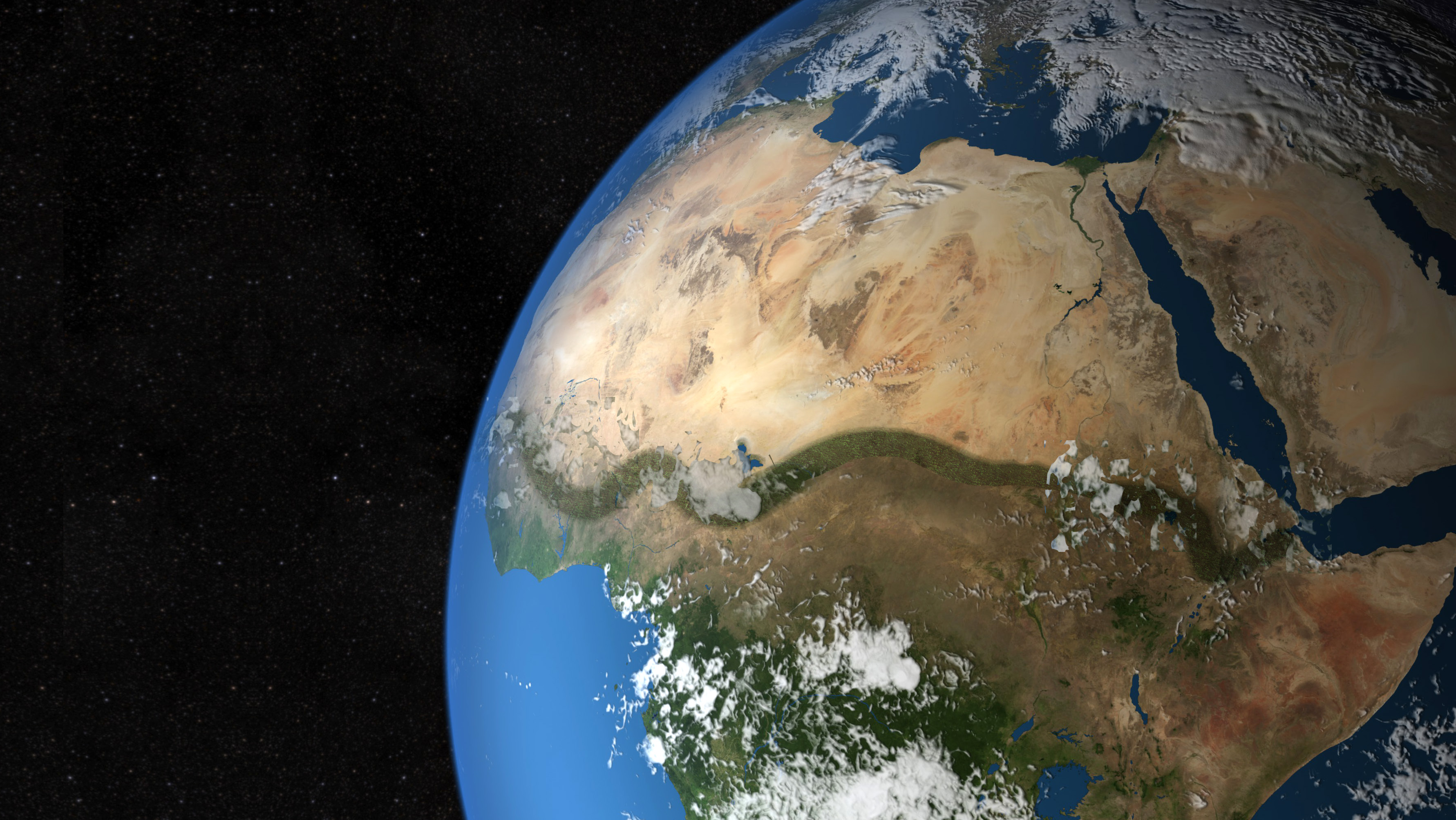
Humanity is “at a crossroads” when it comes to managing drought and accelerating mitigation must be done “urgently, using every tool we can,” says a new report from the United Nations Convention to Combat Desertification (UNCCD). Drought in Numbers, 2022, released today to mark Drought Day at UNCCD’s 15th Conference of Parties (COP15, 9-20 May in Abidjan, Côte d’Ivoire) – calls for making a full global commitment to drought preparedness and resilience in all global regions a top priority. The report, an authoritative compendium of drought-related information and data, helps inform negotiations of one of several decisions by UNCCD’s 196 member states, to be issued 20 May at the conclusion of COP15. “The facts and figures of this publication all point in the same direction: an upward trajectory in the duration of droughts and the severity of impacts, not only affecting human societies but also the ecological systems upon which the survival of all life depends, including that of our own species.” says Ibrahim Thiaw, Executive Secretary of the UNCCD. The report creates a compelling call to action. For example: Since 2000, the number and duration of droughts has risen 29% From 1970 to 2019, weather, climate and water hazards accounted for 50% of disasters and 45% of disaster-related deaths, mostly in developing countries Droughts represent 15% of natural disasters but took the largest human toll, approximately 650,000 deaths from 1970-2019 From 1998 to 2017, droughts caused global economic losses of roughly USD 124 billion In 2022, more than 2.3 billion people face water stress; almost 160 million children are exposed to severe and prolonged droughts Unless action is stepped up: By 2030, an estimated 700 million people will be at risk of being displaced by drought By 2040, an estimated one in four children will live in areas with extreme water shortages By 2050, droughts may affect over three-quarters of the world’s population, and an estimated 4.8-5.7 billion people will live in areas that are water-scarce for at least one month each year, up from 3.6 billion today. And up to 216 million people could be forced to migrate by 2050, largely due to drought in combination with other factors including water scarcity, declining crop productivity, sea-level rise, and overpopulation See below for additional report highlights “We are at a crossroads,” says Mr. Thiaw. “We need to steer toward the solutions rather than continuing with destructive actions, believing that marginal change can heal systemic failure.” “One of the best, most comprehensive solutions is land restoration, which addresses many of the underlying factors of degraded water cycles and the loss of soil fertility. We must build and rebuild our landscapes better, mimicking nature wherever possible and creating functional ecological systems.” Beyond restoration, he adds, is the need for a paradigm shift from ‘reactive’ and ‘crisis-based’ approaches to ‘proactive’ and ‘risk-based’ drought management approaches involving coordination, communication and cooperation, driven by sufficient finance and political will. Needed as well: Sustainable and efficient agricultural management techniques that grow more food on less land and with less water Changes in our relationships with food, fodder and fiber, moving toward plant-based diets, and reducing or stopping the consumption of animals Concerted policy and partnerships at all levels Development and implementation of integrated drought action plans Set up effective early-warning systems that work across boundaries Deployment of new technologies such as satellite monitoring and artificial intelligence to guide decisions with greater precision Regular monitoring and reporting to ensure continuous improvement Mobilize sustainable finance to improve drought resilience at the local level Invest in soil health Work together and include and mobilize farmers, local communities, businesses, consumers, investors, entrepreneurs and, above all, young people The new UNCCD report notes that 128 countries have expressed willingness to achieve or exceed Land Degradation Neutrality. And nearly 70 countries participated in the UNCCD’s global drought initiative, which aims to shift from reactive approaches to drought to a proactive and risk-reducing approach. Mr. Thiaw underlined the importance of promoting public awareness about desertification and drought, and letting people know the problems can be effectively tackled “through ingenuity, commitment and solidarity.” “We all must live up to our responsibility to ensure the health of present and future generations, wholeheartedly and without delay.” The COP15 decision on drought is expected to touch on five interrelated areas: drought policies early warning, monitoring and assessment knowledge sharing and learning partnerships and coordination, and drought finance UNCCD launches “Droughtland” public awareness initiative The campaign will be featured during UN Desertification and Drought Day (17 June), hosted this year by Madrid, Spain UN Desertification and Drought Day has four key objectives: Equip people worldwide with tools to assess their current or potential future exposure to drought risk Share proven, innovative international solutions to drought Create public opportunities to participate in action, and Celebrate progress and inspire action Additional highlights, Drought in Numbers, 2022 Drought around the world (1900-2022) More than 10 million people died due to major drought events in the past century, causing several hundred billion USD in economic losses worldwide. And the numbers are rising Severe drought affects Africa more than any other continent, with more than 300 events recorded in the past 100 years, accounting for 44% of the global total. More recently, sub-Saharan Africa has experienced the dramatic consequences of climate disasters becoming more frequent and intense In the past century, 45 major drought events occurred in Europe, affecting millions of people and resulting in more than USD 27.8 billion in economic losses. Today, an annual average of 15% of the land area and 17% of the population within the European Union is affected by drought In the U.S., crop failures and other economic losses due to drought have totaled several hundred billion USD over the last century – USD 249 billion alone since 1980 Over the past century, the highest total number of humans affected by drought were in Asia Impacts on human society Over 1.4 billion people were affected by drought from 2000 to 2019. This makes drought the disaster affecting the second-highest number of people, after flooding. Africa suffered from drought more frequently than any other continent with 134 droughts, of which 70 occurred in East Africa The effect of severe droughts was estimated to have reduced India’s gross domestic product by 2-5% As a result of the Australian Millennium Drought, total agricultural productivity fell by 18% from 2002 to 2010 Greater burdens and suffering are inflicted on women and girls in emerging and developing countries in terms of education levels, nutrition, health, sanitation, and safety The burden of water collection – especially in drylands – falls disproportionately on women (72%) and girls (9%), who, in some cases, spend as much as 40% of their calorific intake carrying water Droughts have deep, widespread and underestimated impacts on societies, ecosystems, and economies, with only a portion of the actual losses accounted for A 2017 California case study showed that an increase of about 100 drought stories over two months was associated with a reduction of 11 to 18% in typical household water-use Impacts on ecosystems The percentage of plants affected by drought has more than doubled in the last 40 years, with about 12 million hectares of land lost each year due to drought and desertification Ecosystems progressively turn into carbon sources, especially during extreme drought events, detectable on five of six continents One-third of global carbon dioxide emissions is offset by the carbon uptake of terrestrial ecosystems, yet their capacity to sequester carbon is highly sensitive to drought events 14% of wetlands critical for migratory species, as listed by Ramsar, are located in drought-prone regions The megadrought in Australia contributed to ‘megafires’ in 2019-2020 resulting in the most dramatic loss of habitat for threatened species in postcolonial history; about 3 billion animals were killed or displaced in the Australian wildfires Drought-induced peatland fires in Indonesia resulted in decreasing biodiversity, including both the number of individuals as well as plant species Photosynthesis in European ecosystems was reduced by 30% during the summer drought of 2003, which resulted in an estimated net carbon release of 0.5 gigatons 84% of terrestrial ecosystems are threatened by changing and intensifying wildfires During the first two decades of the 21st century, the Amazon experienced 3 widespread droughts, all of which triggered massive forest fires. Drought events are becoming increasingly common in the Amazon region due to land-use and climate change, which are interlinked. If Amazonian deforestation continues unabated, 16% of the region’s remaining forests will likely burn by 2050 Predictable futures Climate change is expected to increase the risk of droughts in many vulnerable regions of the world, particularly those with rapid population growth, vulnerable populations and challenges with food security Within the next few decades, 129 countries will experience an increase in drought exposure mainly due to climate change alone – 23 primarily due to population growth and 38 mostly due to the interaction between climate change and population growth If global warming reaches 3 degrees Celsius by 2100 as some predict, drought losses could be five times higher than they are today, with the largest increase in the Mediterranean and the Atlantic regions of Europe In Angola, more than 40% of livestock, a significant livelihood source accounting for 31.4% of the agricultural GDP, is currently exposed to droughts and expected to rise to 70% under projected climate conditions In the E.U. and U.K., annual losses from drought are currently estimated to be around EUR 9 billion and projected to rise to more than EUR 65 billion without meaningful climate action Successful business cases By adopting drip irrigation, small-scale vegetable farmers in drought-prone provinces of VietNam (Binh Phouc), Cambodia (Prey Veng and Svay Reing), the Philippines (Lantapan and Bukidnon) and Indonesia (Reing and Bogor, West Java; Rembang, East Java) were able to increase water use efficiency by up to 43% and yield by 8-15% With the highest water efficiency rate in agriculture, reaching a 70-80% rate, drip irrigation has helped to solve the problem of water scarcity in Israel Other highlights Information Technology and Indigenous Knowledge with Intelligence (ITIKI) is a drought early warning system that integrates Indigenous knowledge and drought forecasting to help small-scale farmers make more informed decisions, for example, on when and how to plant which crops. The support forecast models provides accuracy of 70-98% for lead-times of up to four years, as shown by trials in Mozambique, Kenya and South Africa Up to USD 1.4 trillion in production value can be generated globally by adopting sustainable land and water management practices Approximately 4 million hectares of degraded land within “strict intervention zones” have been rehabilitated under the framework of the African Union–led restoration initiative known as the Great Green Wall – 4% of the Wall’s ultimate target of restoring 100 million hectares, helping to reduce the immanent threats of desertification and drought Related: UNCCD’s flagship Global Land Outlook 2 (GLO2) report, five years in development with 21 partner organizations, and with over 1,000 references, is the most comprehensive consolidation of information on the topic ever assembled. Released Apr. 27, it reported up to 40% of all ice-free land is already degraded, with dire consequences for climate, biodiversity and livelihoods. Notes to editors The 15th Conference of Parties (COP15) to the United Nations Convention to Combat Desertification (UNCCD, 9-20 May, Abidjan, Côte d’Ivoire) is focussed on: The restoration of 1 billion hectares of degraded land between now and 2030 Future-proofing land use against the impacts of climate change, and Tackling escalating droughts, sand and dust storms, wildfires and other disaster risks. More than a dozen heads of state and government, ministers, and at least 2,000 delegates from 196 countries and the European Union, are expected to attend. Major press events during the session can be viewed live on the UNCCD YouTube Channel here. Future Abidjan media programme highlights: Wednesday, 18 May (time TBC): Launch of regional Global Land Outlook reports Wednesday, 18 May (time TBC): Launch of the Sahel uplink challenge to enable communities growing the Great Green Wall to use technology to monitor progress, create jobs and commercialize their produce Friday, 20 May, 13:00-13:45 UTC (check local time here), outcomes of the 15th Session of the Conference of Parties, presented by Alain Richard Donwahi, COP15 President Ibrahim Thiaw, UNCCD Executive Secretary Off-site journalists may submit questions via email to press@unccd.int, but must identify themselves and their media organization COP15 background documents and information: https://www.unccd.int/cop15 COP15 social media channels: Instagram: https://www.instagram.com/unccd/ Facebook: https://www.facebook.com/UNCCD/ Twitter: https://twitter.com/UNCCD #LandLifeLegacy #UNCCDCOP15 #United4Land @unccd UNCCD COP15 is the first of the three Rio Conventions' meetings in 2022, with the Biodiversity COP15 and Climate Change COP27 convening later in Kunming, China, and Sharm El-Sheikh, Egypt, respectively. For further information: Xenya Scanlon, Chief of Communications, xscanlon@unccd.int Wagaki Wischnewski, Head of Press and Media, wwischnewski@unccd.int To request interviews: press@unccd.int COP15 programme, registration and other media information: https://www.unccd.int/cop15 * * * * * The UN Convention to Combat Desertification (UNCCD.int) UNCCD is the global vision and voice for land. We unite governments, scientists, policymakers, private sector and communities around a shared vision and global action to restore and manage the world’s land for the sustainability of humanity and the planet. Much more than an international treaty signed by 197 parties, UNCCD is a multilateral commitment to mitigating today’s impacts of land degradation and advancing tomorrow’s land stewardship in order to provide food, water, shelter and economic opportunity to all people in an equitable and inclusive manner
