News & stories

Latest
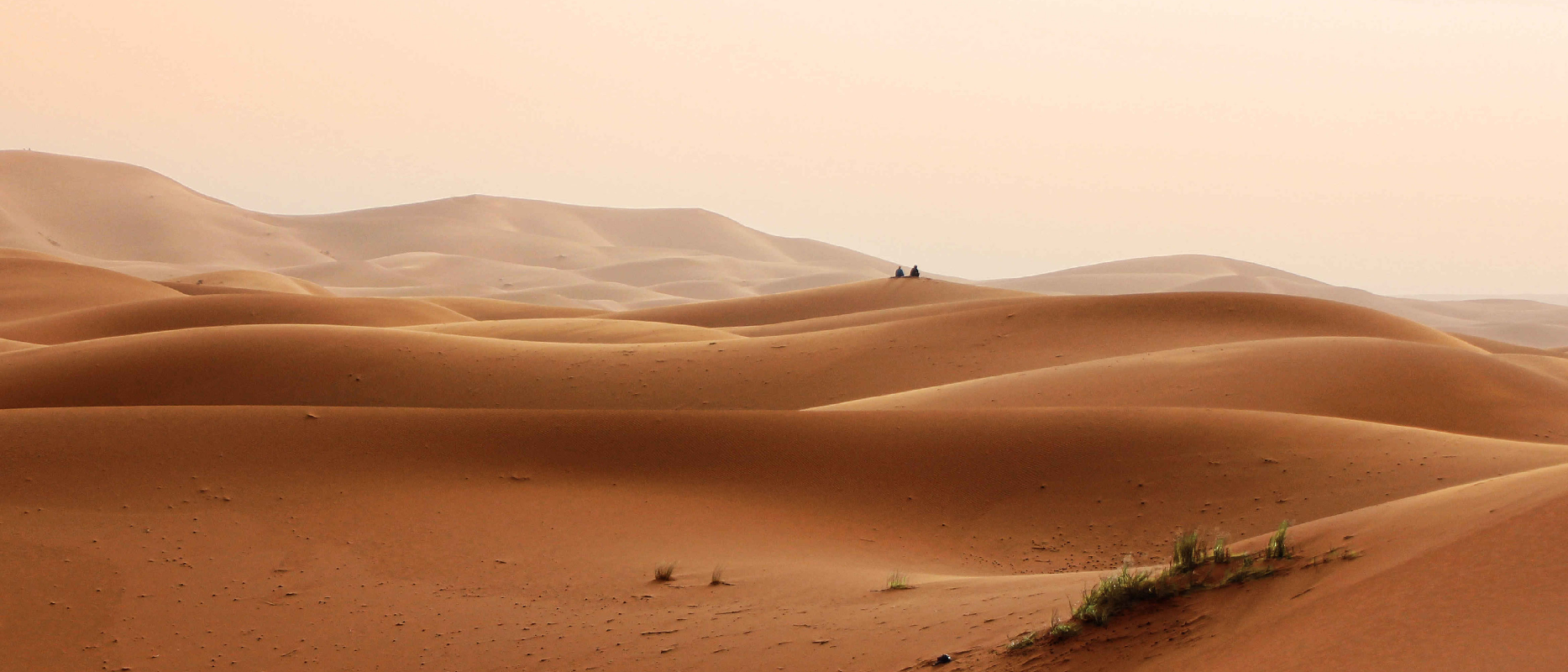
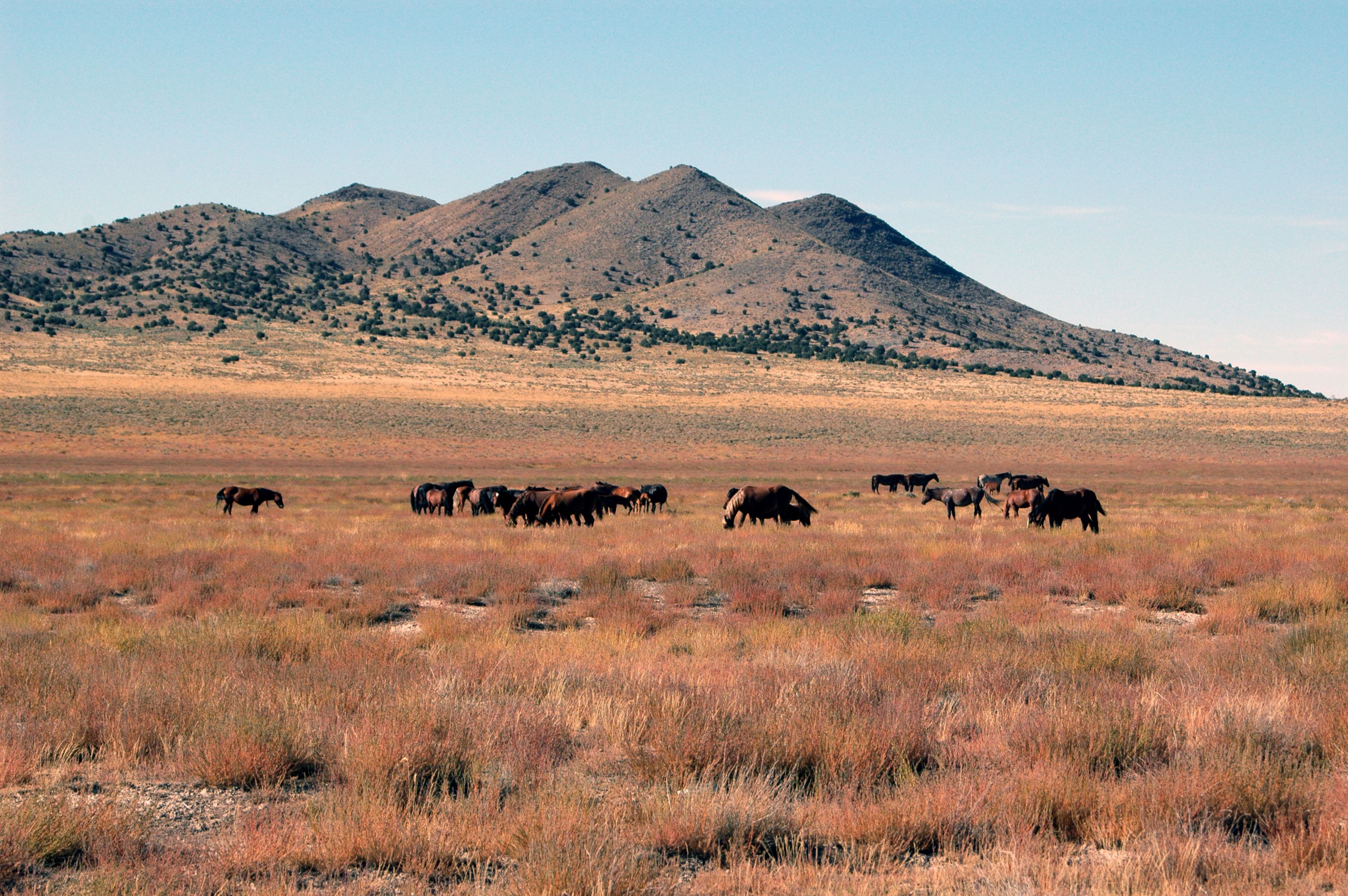
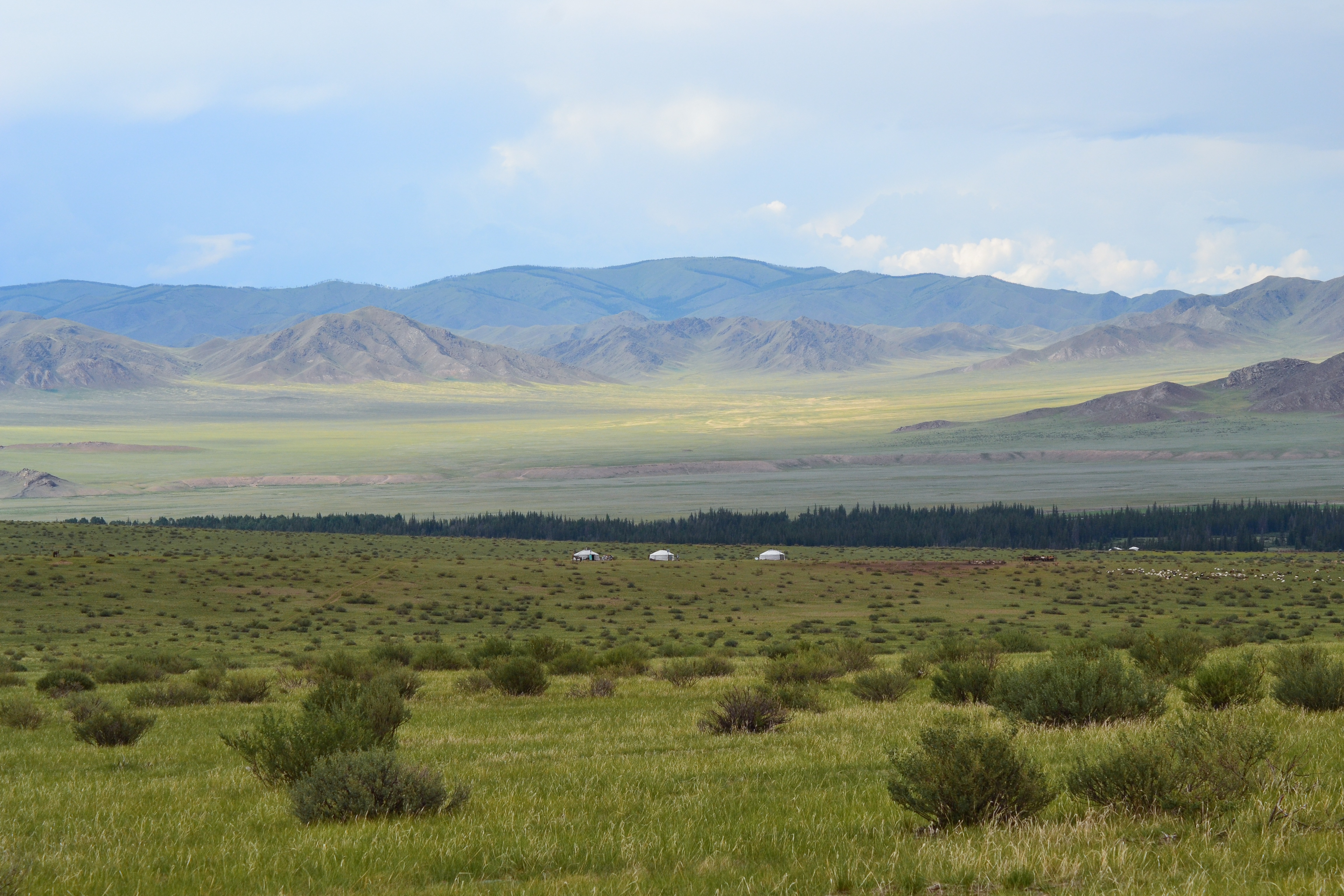
Communities all over the world have suffered some of the most brutal effects of drought and flooding this year. Flash floods in western Europe, eastern and central Asia and southern African. And catastrophic drought in Australia, southern Africa, southern Asia, much of Latin America, western North America and Siberia are cases in point. The impacts extend well beyond the individual events. For example, the rise in food insecurity in the southern African region and unprecedented wildfires in North America, Europe and Central Asia. What is going on? This is much more than bad weather in some cases, and is increasingly so. The UNCCD organized an event at COP26, the Climate Change Conference taking place in Glasgow, United Kingdom, to focus attention on the land-water-climate nexus. The science and policy responses discussed make it clear that human decisions exacerbated by climate change are significantly – and arguably, catastrophically – amplifying the impact of drought and floods. The discussion encouraged more strategic land use decisions. Decisions that ensure what we do where, and in particular, what we plant where, mitigatesthe impacts of both extremes, be it too much or too little rainfall. It also shed light on how important it is to have healthy soils. Soils that are replete with organic matter will obtain “more crop per drop”, and reduce the risks associated with drought and flooding. Extreme events, including both droughts and floods are on the rise. With more land projected to be get drier and more and more people living in drylandsin the future, the discussions centered on the shift more than 60 countries are making from “reactive” response to droughts and floods to “proactive” planning and risk management designed to build resilience. Participants from Malawi, Pakistan, Honduras, Grenada and Burkina Faso provided concrete examples of policy alignment and cross-sectorial approaches to implementation. Here is a quick overview of the highlights. Read more: Land and drought

The final conference on the results of a Joint initiative to develop regional strategies to combat drought, sand and dust storms (SDS) in Central Asia took place on 21 October. Representatives of the UNCCD Secretariat, national institutions and CAREC, government representatives, experts, as well as regional and international partners gathered to discuss joint strategies for drought and SDS management. The drought that gripped the Central Asian countries last summer resulted in massive losses of livestock and crops, affecting local communities and economies. The risk of drought in the region is of particular concern because of its dependence on agriculture and shared water resources. Studies also show that global dust emissions have increased by 25-50 per cent since 1900 as a result of land use and climate change. "The strategies presented today advance the agenda on drought and SDS, consolidating common concerns and priorities. Since prolonged drought often triggers sand and dust storms, the SDS mitigation requires drought-smart solutions," said UNCCD Deputy Executive Secretary Tina Birmpili. The conference participants emphasized that achieving a neutral balance of land degradation to slow down desertification, land degradation and drought is an integral part of the initiative. To date, five Central Asian countries have joined the UNCCD Land Degradation Neutrality programme, striving to reach no net loss of healthy and productive land. At the end of the conference, the Central Asian countries reaffirmed their commitment to address drought and SDS and called on the international community to support the implementation of the proposed strategies. The outcomes of the initiative will be presented at the upcoming UNCCD COP 15 in May 2022. Read more: Regional approaches to combat drought, sand and dust storms in Central Asia About sand and dust storms

Two new guidance documents have been released today: a revised and upgraded version of Good Practice Guidance for Sustainable Development Goal (SDG) indicator 15.3.1 and new Good Practice Guidance for national reporting on UNCCD strategic objective 3.

Humanity is totally dependent on the natural world and the land we live on. We have transformed nearly three quarters of the Earth’s ice-free land to meet our demands for food, raw materials, and homes. It is not sustainable. We are putting our land under enormous pressure

Countries assess the progress made in the fight against DLDD and map the way forward

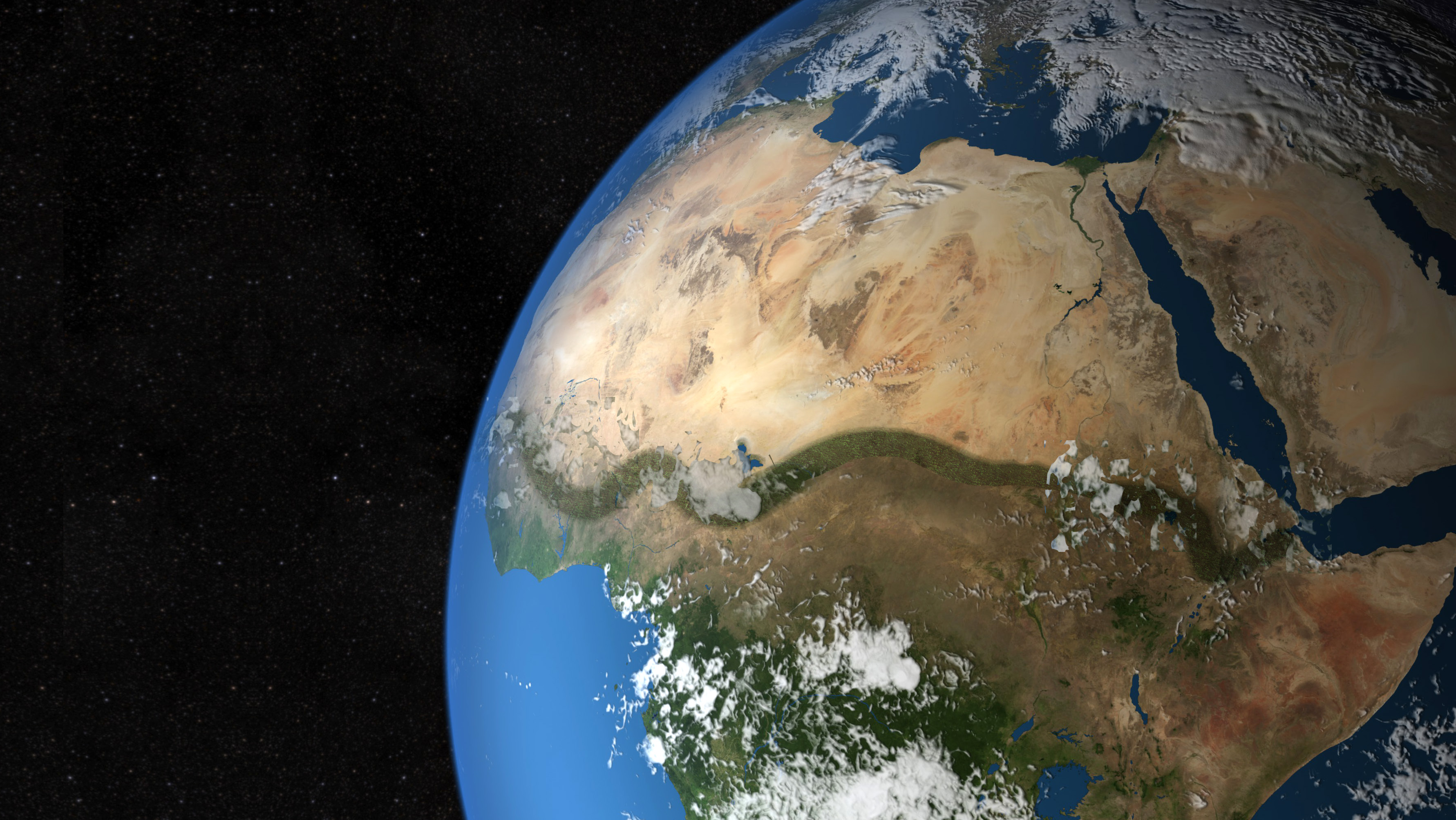
There is growing evidence of regreening in the Sahel. It is widespread. It cuts across the entire area, and it’s dynamic. In fact, almost all of West Africa is experiencing this regreening that is considered the ultimate weapon in the fight against global warming. Sahelians also growing valuable trees that act as natural air conditioners, provide food and ertilize the land in the Sahel in ways that could be making a difference to resilience that is far better than elsewhere in the world.
