News & stories

Latest
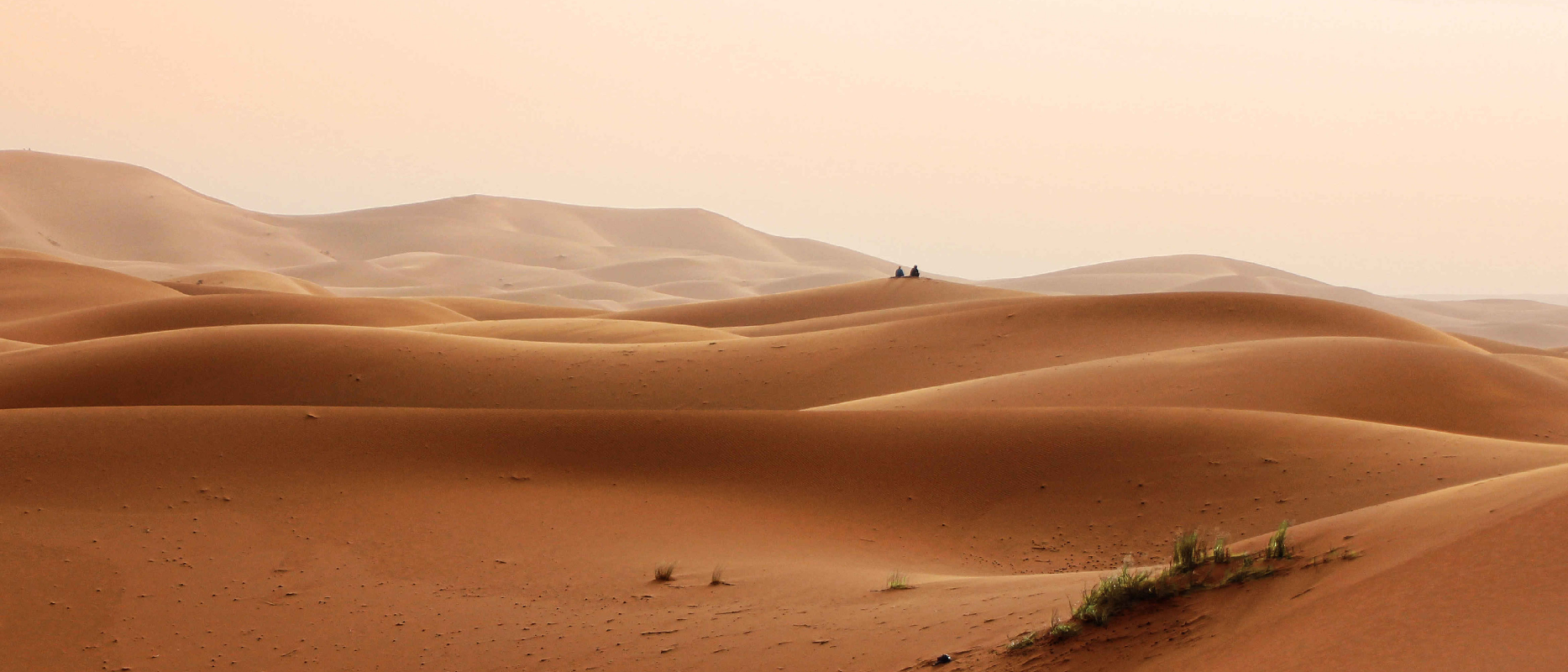
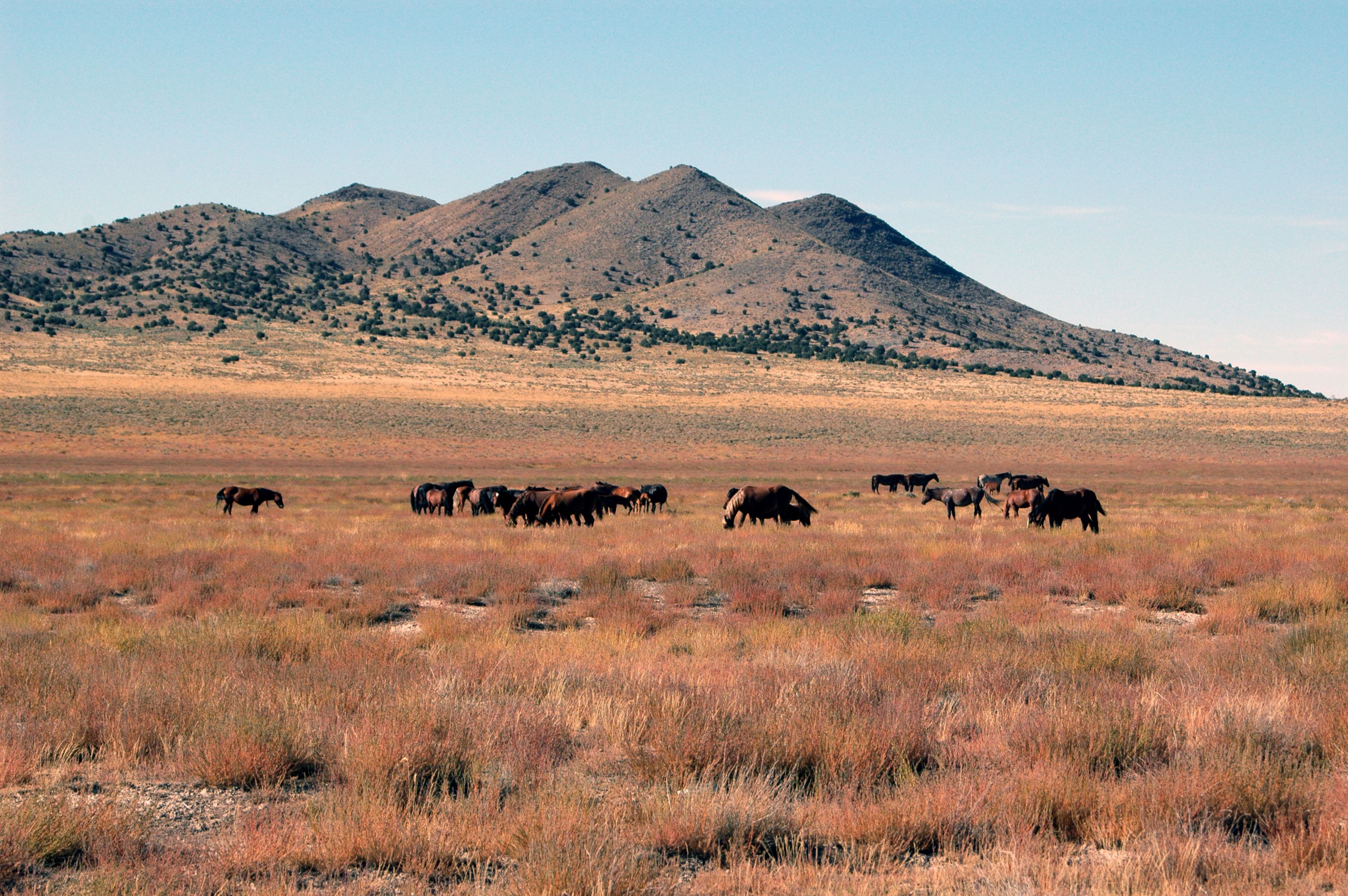
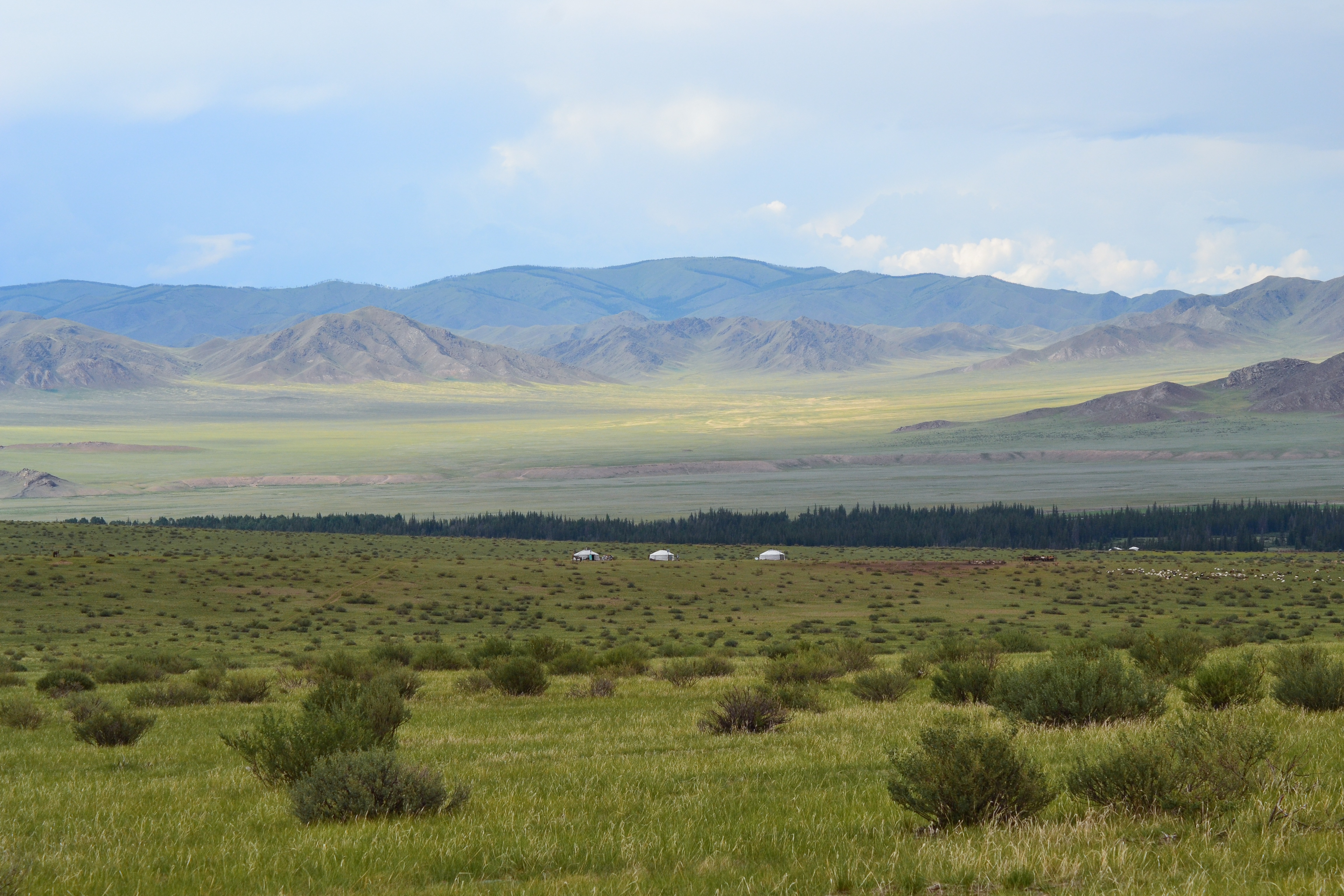
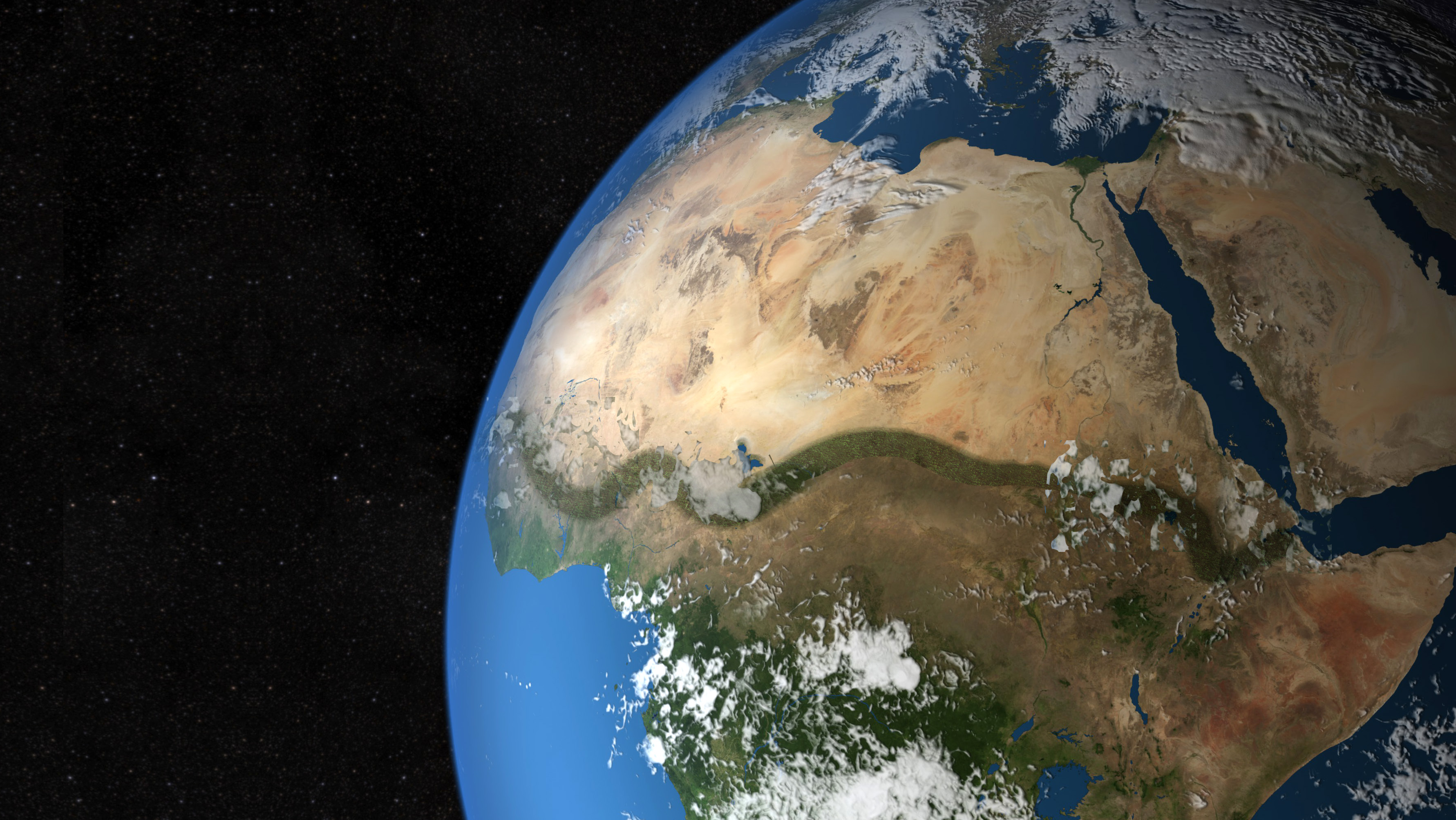
Drought, with a focus on early action to prevent disastrous outcomes, is the theme of the Desertification and Drought Day marked on 17 June 2022. The global observance of the event will take place in Madrid, Spain, the United Nations Convention to Combat Desertification (UNCCD) has announced. Announcing the theme of 2022 Desertification and Drought Day “Rising up from drought together”, Ibrahim Thiaw, UNCCD Executive Secretary, said: “Droughts have been part of human and natural systems, but what we are experiencing now is much worse, largely due to human activity. Recent droughts point at a precarious future for the world. Food and water shortages as well as wildfires caused by the severe drought have all intensified in recent years.” Between 1900 and 2019, droughts impacted 2.7 billion people in the world, and caused 11.7 million deaths. Currently, forecasts estimate that by 2050 droughts may affect over three-quarters of the world’s population. “Spain is honoured to be hosting this year’s Desertification and Drought Day that puts the global spotlight on the urgent issue of drought. Drought is not just the absence of rain; it is often fueled by land degradation and climate change. Together, we can overcome its devastating effects on people and nature around the world and start preparing now to drought-proof our future,” said Teresa Ribera Rodríguez, Vice-President of the Government of Spain and Minister for Ecological Transition and Demographic Challenge. The latest scientific assessments projecting more frequent and more severe droughts in the future and evidence of their increasing impacts has prompted governments to focus on more robust and predictable international commitment and action. Since 2017, the UNCCD and its partners supported about 70 drought-prone countries to develop national action plans to reduce drought disasters. Among the top priorities of the fifteenth session of the Conference of the Parties of the UNCCD (COP15) taking place from 9-20 May 2022 Abidjan, Côte d’Ivoire, Parties will discuss on the way forward for drought preparedness and resilience globally. Officially declared by the UN General Assembly in 1997 (Resolution A/RES/49/115), the annual Desertification and Drought Day has three objectives. First, to promote public awareness about desertification and drought. Second, to let people know that desertification and drought can be effectively tackled, that solutions are possible, and that key tools to this aim lay in strengthened community participation and cooperation at all levels. Lastly, to strengthen implementation of the United Nations Convention to Combat Desertification in countries experiencing serious drought and/or desertification, particularly in Africa. Download campaign assets here. Share your DDDay event with us by sending a brief one paragraph description with an event photo or a poster to communications@unccd.int For more information about Desertification and Drought Day 2022, visit: https://www.unccd.int/events/desertification-drought-day or contact: Xenya Scanlon, UNCCD Chief of Communications Email: xscanlon@unccd.int

Dr. Muralee Thummarukudy of India has been appointed as the Director of the Coordination Office of the G20 Global Initiative on Reducing Land Degradation and Enhancing Conservation of Terrestrial Habitats based at UNCCD headquarters in Bonn, Germany. Dr. Thummarukudy brings to this position over three decades of progressive senior management experience and technical expertise in land restoration issues. He has most recently served as the acting Head of the Disasters and Conflicts Programme at the United Nations Environment Programme, where he implemented a portfolio of over 100 million USD, focusing on ecosystem-based disaster reduction and partnership development. An internationally renowned expert in disaster response, he played a key role in addressing the environmental aftermath of many major conflicts and disasters, implementing projects in over 35 countries. Prior to joining the United Nations, Dr. Thummarukudy served as Environmental Advisor to Shell Group in Southeast Asia and the Middle East. He has a Ph.D. in Environmental Engineering from Indian Institute of Technology Kanpur. He was also a Beahr’s fellow at the University of California, Berkeley. Dr. Thummarukudy is also a well-known author in his native Malayalam language.

Healthy land is an integral part of planetary well-being, which supports and sustains societies and ecosystems. Loss of healthy land threatens our health, security and prosperity, driving the interconnected crises of desertification, drought, biodiversity collapse and climate change. Land restoration offers a effective and efficient nature-based solution to address the world’s biggest challenges and achieve Sustainable Development Goals. The Changwon Initiative, launched at UNCCD COP10 in Changwon, the Republic of Korea, aims to assist countries in linking policy and action to protect and restore degraded lands. To celebrate the tenth anniversary of the Initiative, UNCCD and the Korea Forest Service are launching a global virtual choir competition to promote land and forest restoration. The application deadline is 17 April 2022. Winners will be announced at the anniversary ceremony of the Initiative in the sidelines of UNCCD COP15 in May 2022 in Abidjan, Cote d’Ivoire, and will receive cash and other prizes. Learn more: How to apply UNCCD COP15

Requested in The COP 13 as part of the Drought Initiative, the toolbox is being designed to provide drought stakeholders with easy access to tools, case studies and other resources to support the design of National Drought Policy Plan with the aim to boost the resilience of people and ecosystems to drought. The Drought Toolbox is currently being developed as part of the Drought Initiative through the close partnership among UNCCD, WMO, FAO, GWP, the Joint Research Centre of the European Union, the National Drought Mitigation Center (NDMC) of the University of Nebraska, and UNEP-DHI.

On Friday 17 December 2021, the United Nations General Assembly adopted the resolution on the implementation of UNCCD, recognizing that combating desertification, land degradation and drought are important for sustainable, inclusive and climate-resilient recovery from the COVID-19 crisis

The online meeting of the Intergovernmental Working Group (IWG) on drought on 13-15 December 2021 brought together 30 regional representatives, scientists, international organizations and members of civil society, to review new policy and institutional measures that can help address drought effectively under the Convention. The novel findings and recommendations are the result of the two years of work since the IWG was established by Parties at UNCCD COP14 in New Delhi, India in 2019. The final recommendations of the IWG will be presented to Parties at UNCCD COP 15 which will take place in Abidjan, Cote D’Ivoire in May 2022. The holistic approach to drought proposed by the IWG are expected to support early action on drought to help the most vulnerable communities and ecosystems. Read more: Land and Drought The Intergovernmental Working Group on Drought
